Artwork
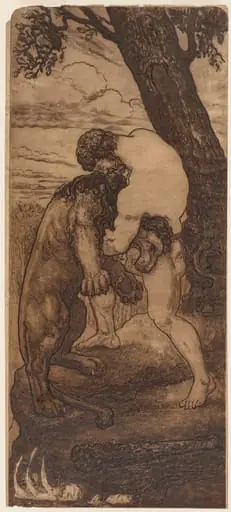
Hercules and the Nemean Lion
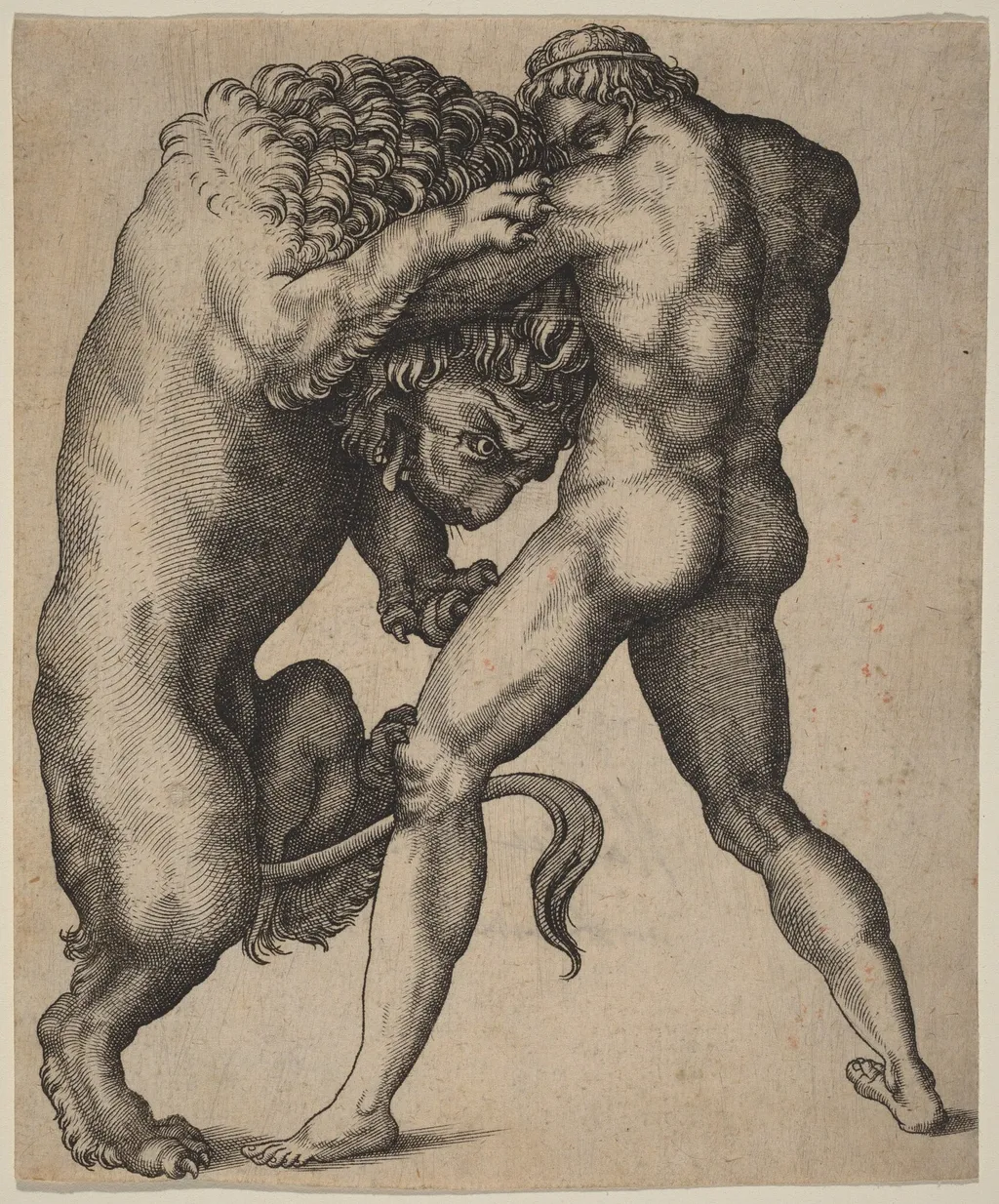
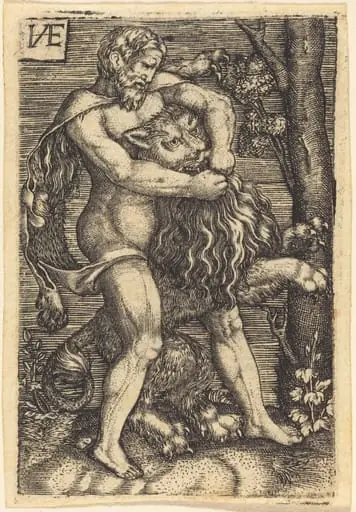
Hercules and the Nemean Lion is an ink print by the Renaissance artist Italian 16th Century. It dates from 1550 and is held in the collection of the National Gallery of Art.
About this work
Overview
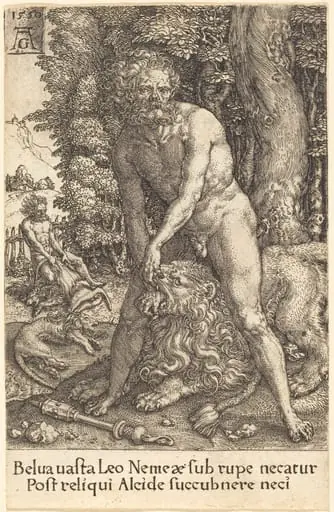
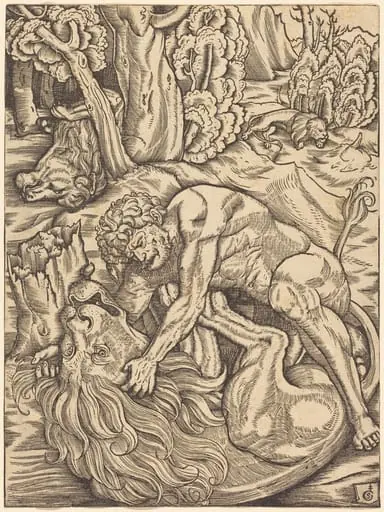
This engraving depicts the mythic encounter between Hercules and the Nemean lion, a pivotal episode from the hero’s twelve labors. The composition centers on a nude, muscular figure locked in combat with a rearing lion, both occupying the entire field without any discernible background. The intense physical struggle is emphasized through tightly drawn forms and stark contrast.
Subject & Meaning
The image illustrates Hercules’ triumph over the invulnerable lion whose hide could not be pierced. By gripping the beast’s head and biting its ear, the hero demonstrates both brute strength and cunning, themes central to the ancient narrative of overcoming seemingly insurmountable challenges. The portrayal underscores the hero’s role as a civilizing force confronting primal chaos.
Technique & Style
Executed as an engraving on laid paper, the work relies on fine incised lines to render the anatomy of the figure and the texture of the lion’s fur. Cross‑hatching creates depth and volume, while the absence of background focuses attention on the tactile interaction. The realistic rendering reflects Renaissance interests in anatomical accuracy and dynamic movement.
History & Provenance
The print belongs to the broader tradition of Renaissance reproductions of classical myths, a period when artists frequently disseminated such subjects through prints for wider audiences. Specific details of its creation, including the engraver’s identity and original date, remain undocumented, but its stylistic traits align it with late‑15th to early‑16th‑century Northern European printmaking practices.
Artist & collection

Artist
A 16th-century Italian sculptor left us small bronze works in dark brown and gold.

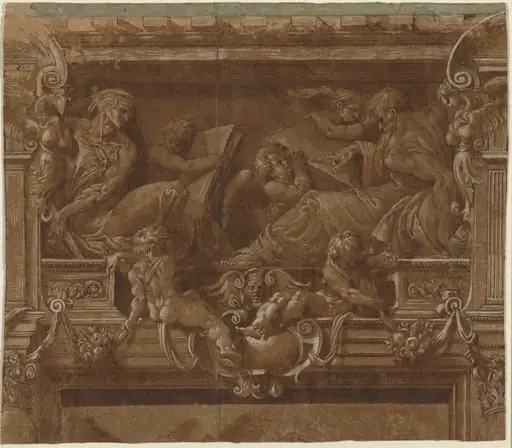
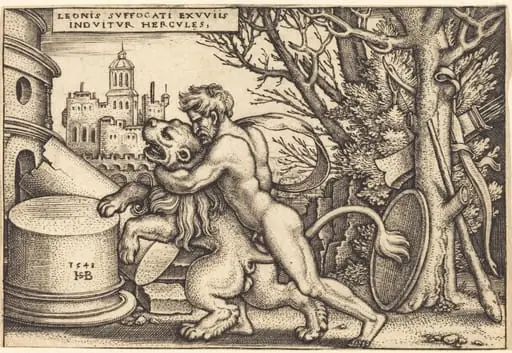 Hercules Killing the Nemean Lion
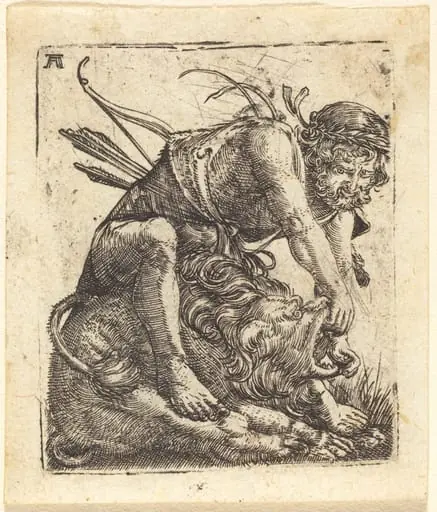 Hercules Overcoming the Nemean Lion
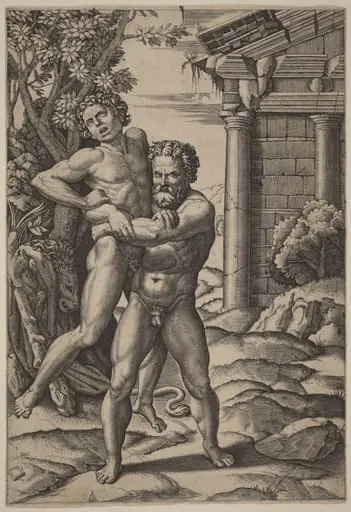 Hercules and Antaeus
 Hercules Slaying the Lion of Nemea
 Hercules and Antaeus
 Hercules and Antaeus
 Hercules and the Nemean Lion
 Hercules Killing the Lion
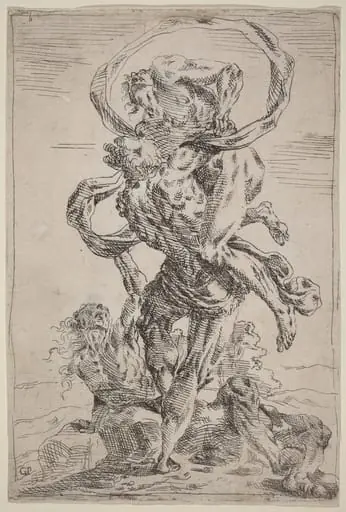 Hercules and Antaeus
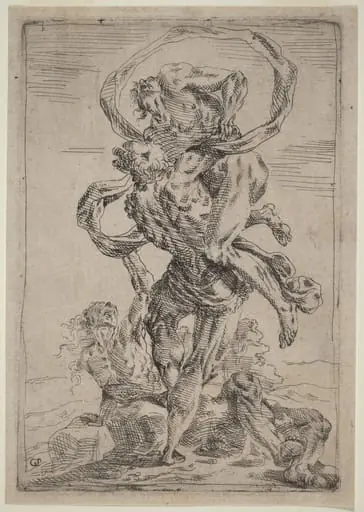 Hercules and Antaeus
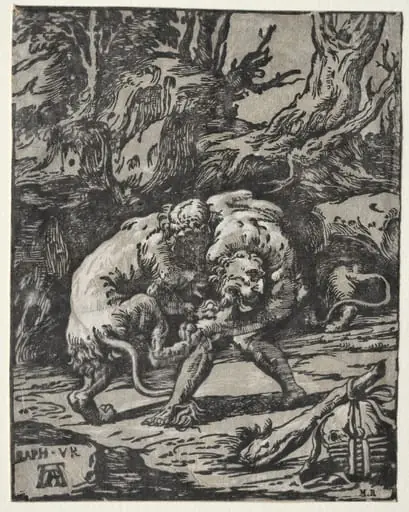 Hercules Strangling the Lion of Nimes
 Hercules and the Nemean Lion