Artwork
Diogenes Searching for an Honest Man
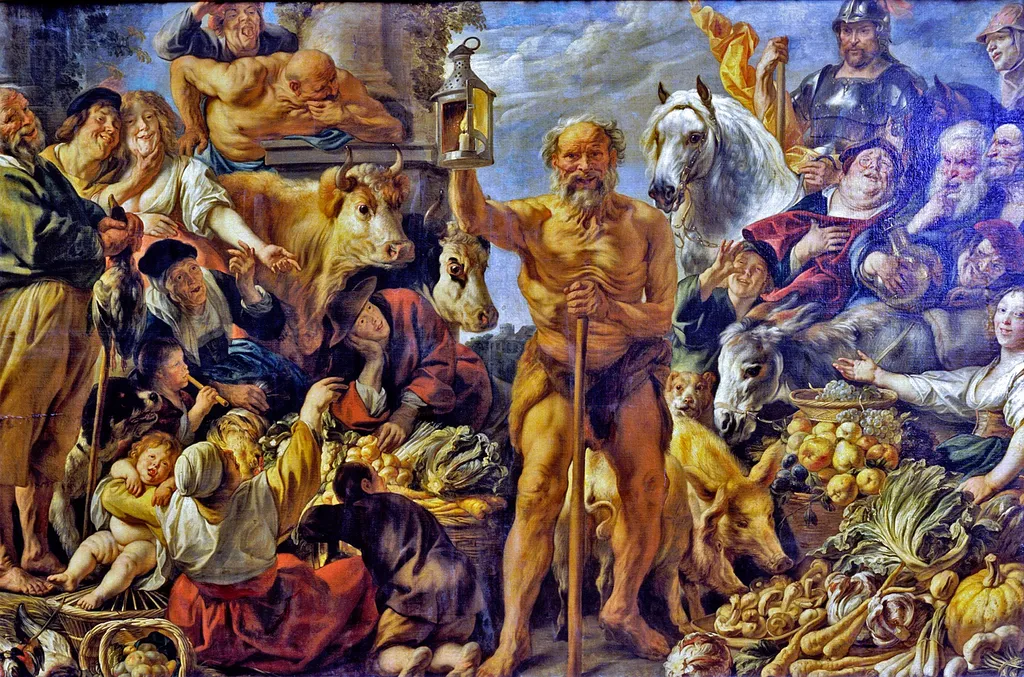
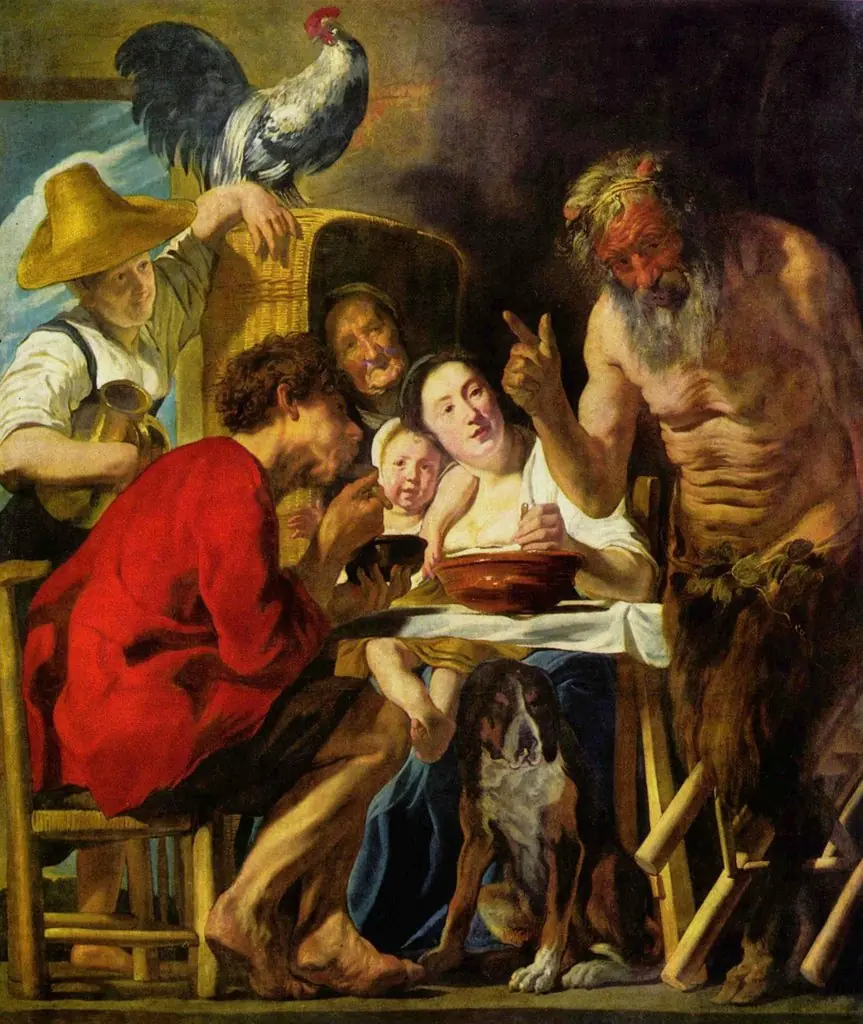
Diogenes Searching for an Honest Man is an oil painting by the Flemish Baroque painting artist Jacob Jordaens. It dates from 1642 and is held in the collection of the Gemäldegalerie Alte Meister.
About this work
Overview
Painted in 1642 by Jacob Jordaens, this oil-on-canvas work portrays the Cynic philosopher Diogenes of Sinope in a bustling urban setting.
Painted in 1642 by Jacob Jordaens, this oil-on-canvas work portrays the Cynic philosopher Diogenes of Sinope in a bustling urban setting. Jordaens, a prominent Flemish artist active in Antwerp, rendered the scene with vivid detail and dynamic composition. The painting belongs to a broader group of works engaging with moral and proverbial themes, reflecting the cultural interest in classical philosophy as a lens for contemporary social critique.
Subject & Meaning
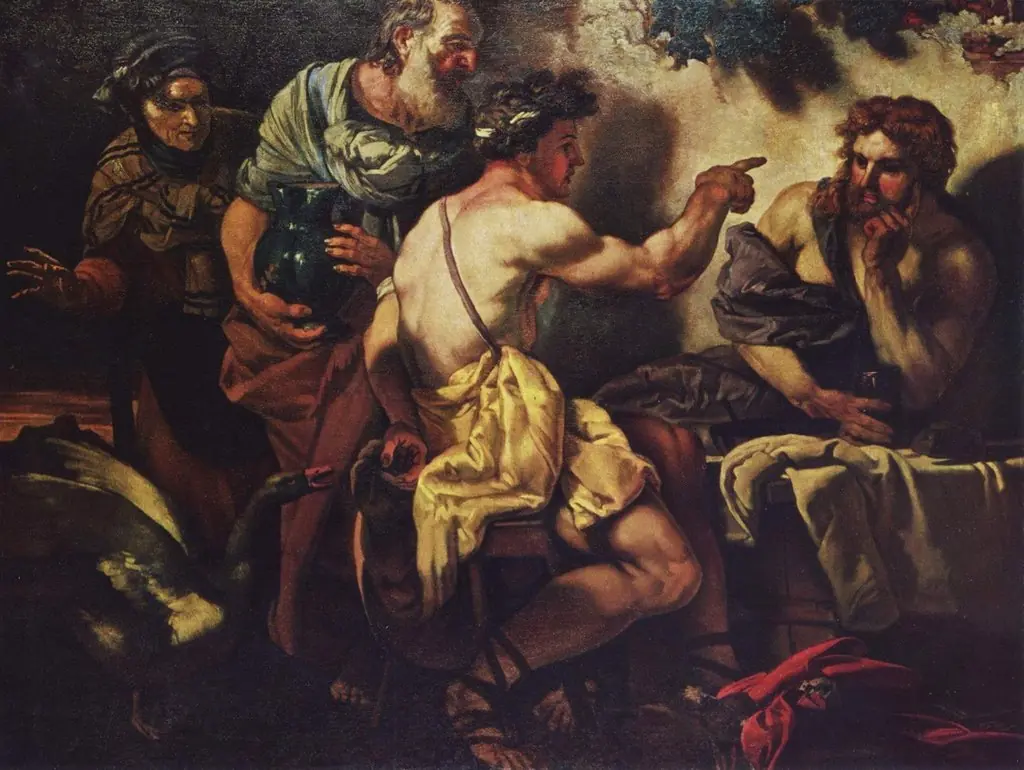
Diogenes, clad in a simple loincloth and carrying a lantern, searches for an honest man amid a crowd of onlookers. The lantern, traditionally associated with his quest for truth, glows incongruously under daylight, underscoring the futility of his endeavor. Figures around him react with amusement, indifference, or curiosity, suggesting a society oblivious to virtue. The scene critiques moral decay, using classical allusion to mirror 17th-century societal values.
Technique & Style
Jordaens employs rich, earthy tones and loose brushwork characteristic of Flemish Baroque painting. The composition is densely packed, with overlapping figures and animals creating visual chaos that mirrors the philosophical disorder of the scene. Light falls naturally across the central figure, drawing attention without theatricality. The background blends cityscape and sky with soft clarity, grounding the allegory in a tangible, lived environment.
History & Provenance
Created during Jordaens’s mature period, the painting emerged from his sustained interest in moral allegories and popular sayings. It likely originated in Antwerp, where Jordaens maintained a large workshop and catered to both civic and private patrons. The work remained in European collections through the 18th and 19th centuries, eventually entering a public museum, where it continues to be studied for its synthesis of classical narrative and contemporary observation.
Context
In mid-17th-century Flanders, interest in ancient philosophy resurged amid religious and political upheaval. Jordaens’s depiction of Diogenes aligns with a broader trend of using classical figures to comment on moral decline. The inclusion of fruit, animals, and varied social types reflects the Flemish tradition of genre painting, where everyday scenes carried layered ethical meanings, often drawn from proverbs or humanist texts.
Legacy
The painting stands as a testament to Jordaens’s ability to merge classical themes with vivid, observational realism. While less widely known than the works of his contemporaries, it exemplifies how Flemish artists adapted ancient philosophy to address contemporary concerns. Its enduring presence in museum collections reflects its value as a visual commentary on integrity and societal perception.
Artist & collection
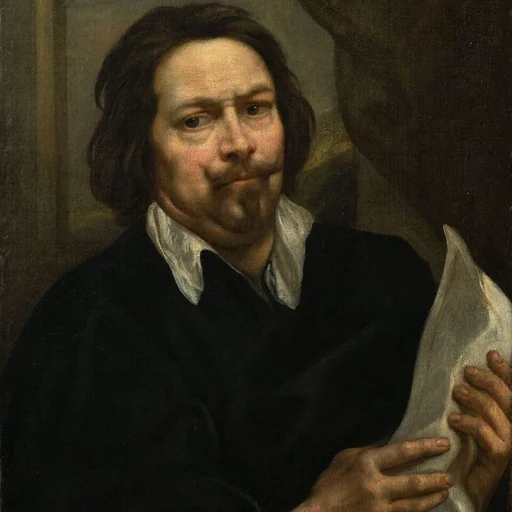
Artist
Jacques (Jacob) Jordaens (19 May 1593 – 18 October 1678) was a Flemish painter, draughtsman and a designer of tapestries and prints.

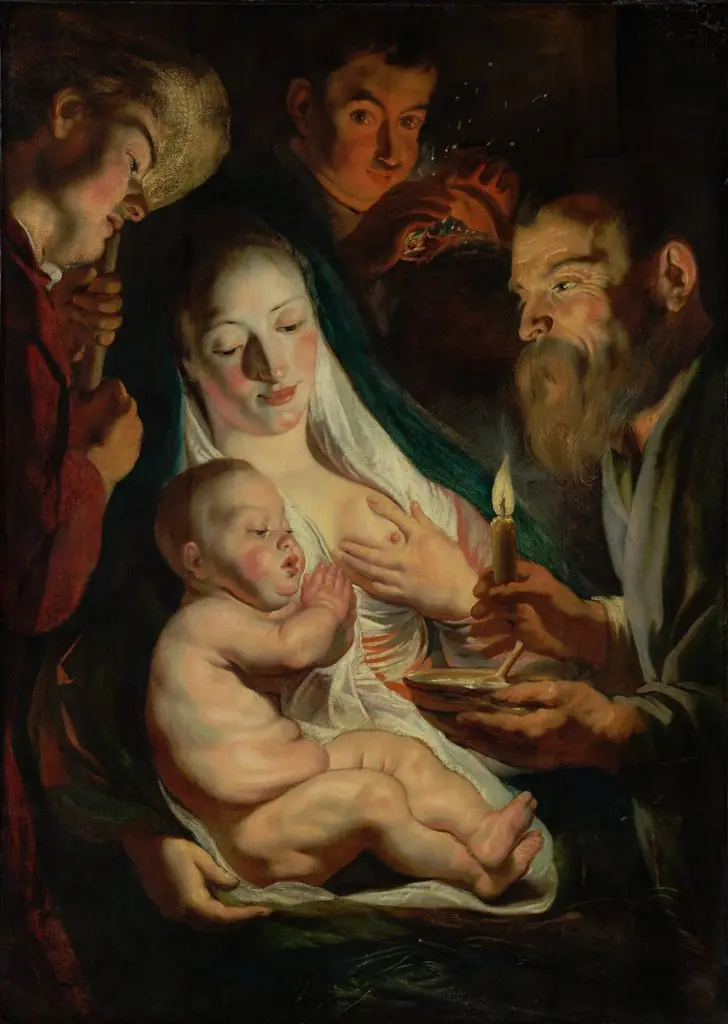 The Holy Family with Shepherds
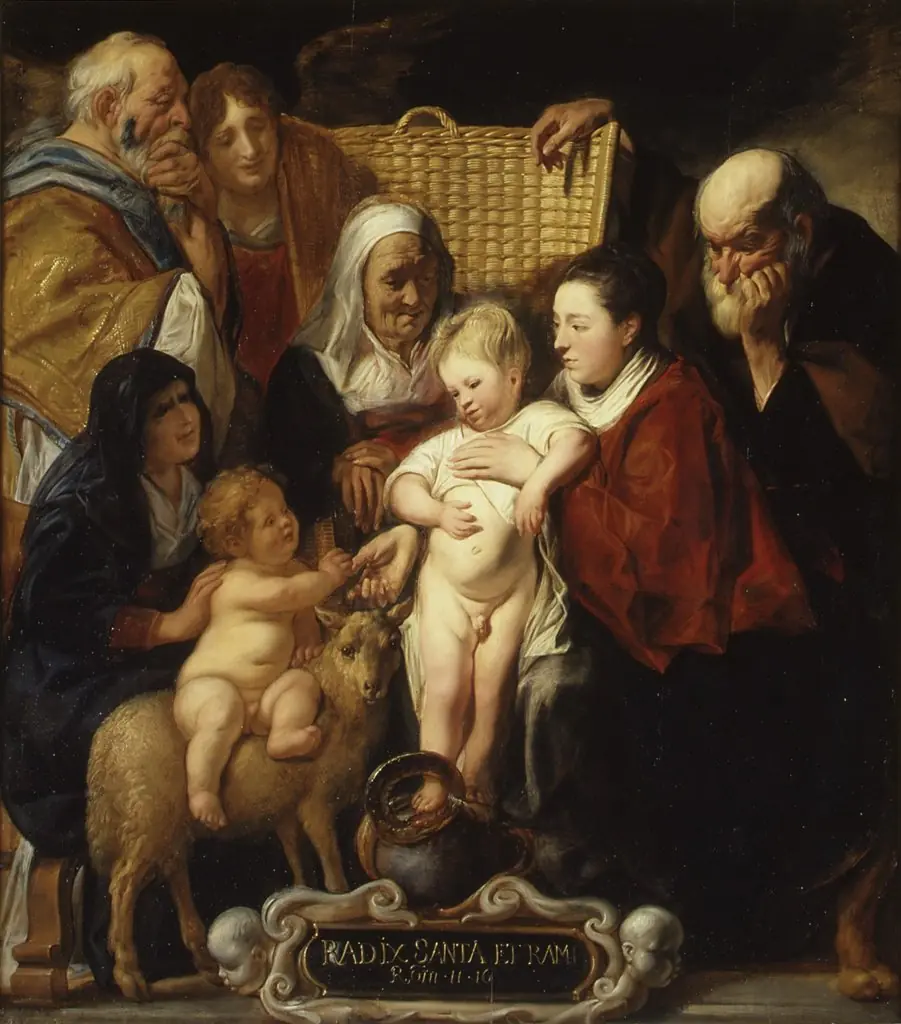 The Holy Family with Saint Anne and the Young Baptist and His Parents
 Untitled
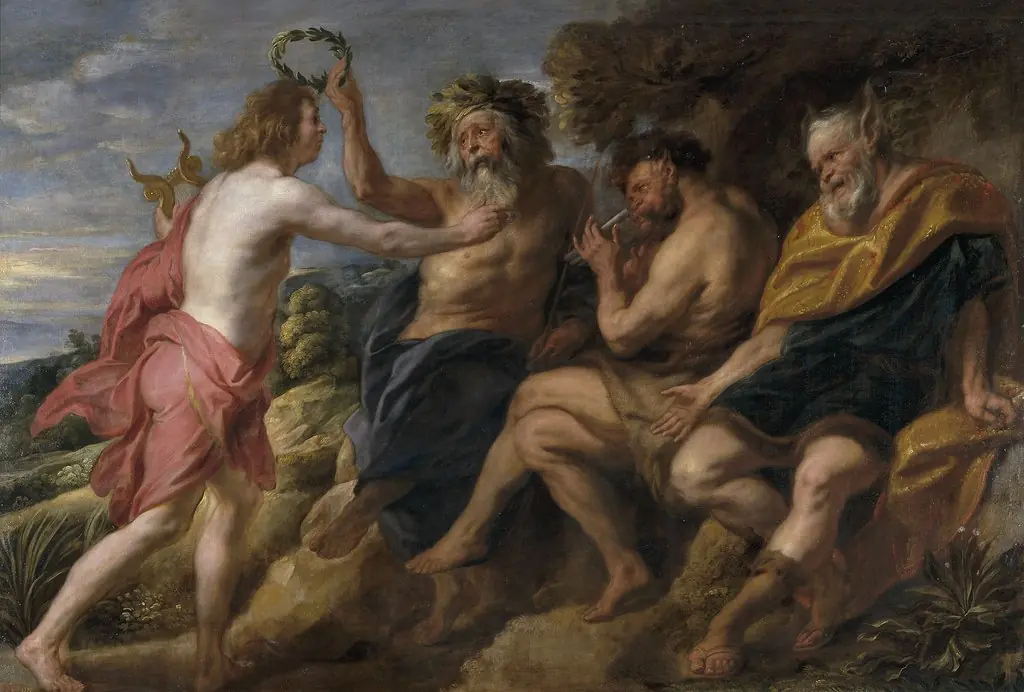 Apollo as Victor over Pan
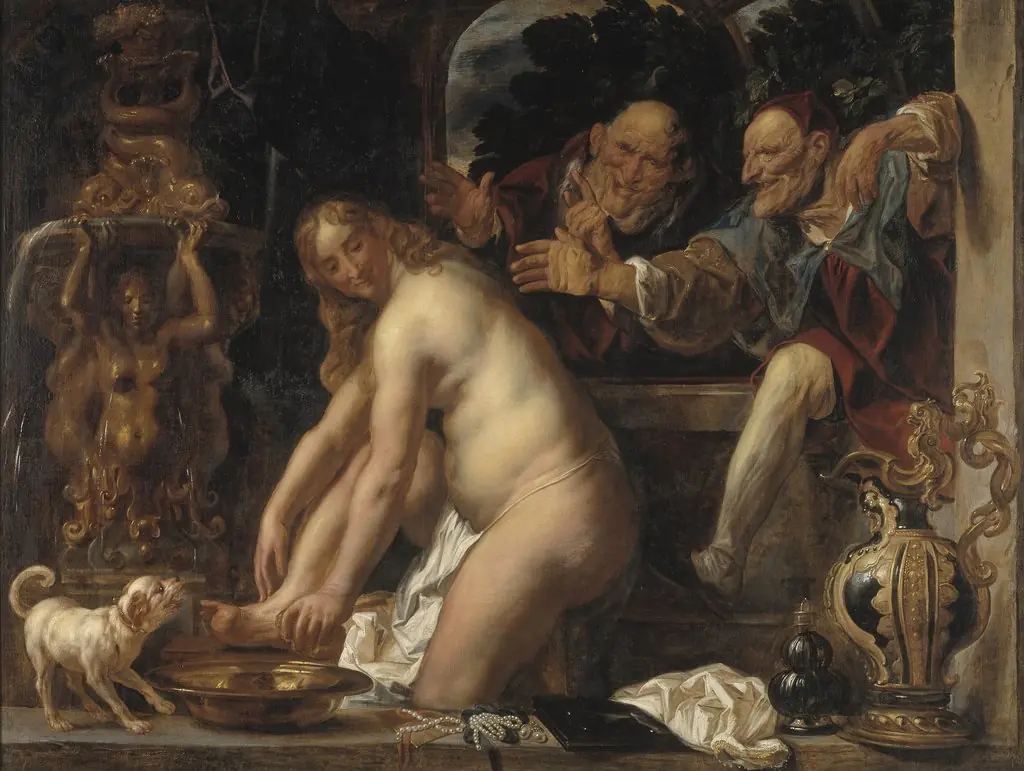 Susanna and the Elders
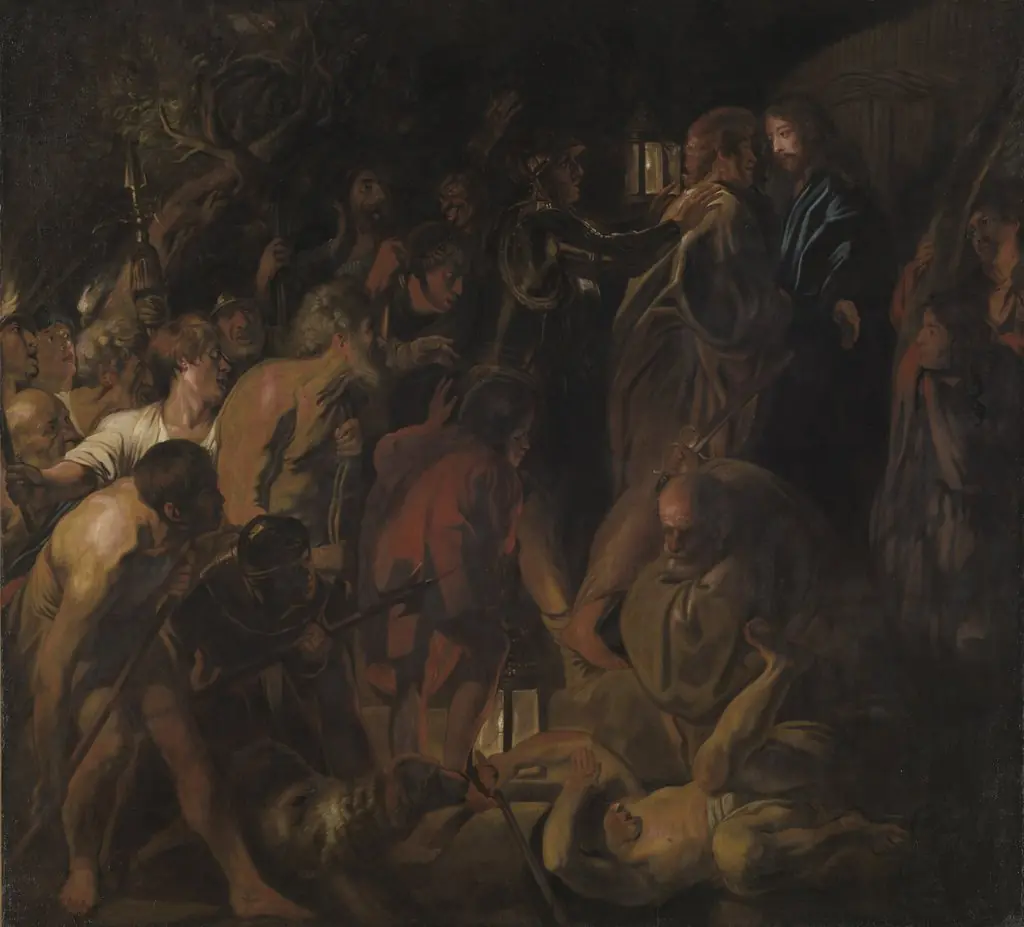 The Betrayal of Christ
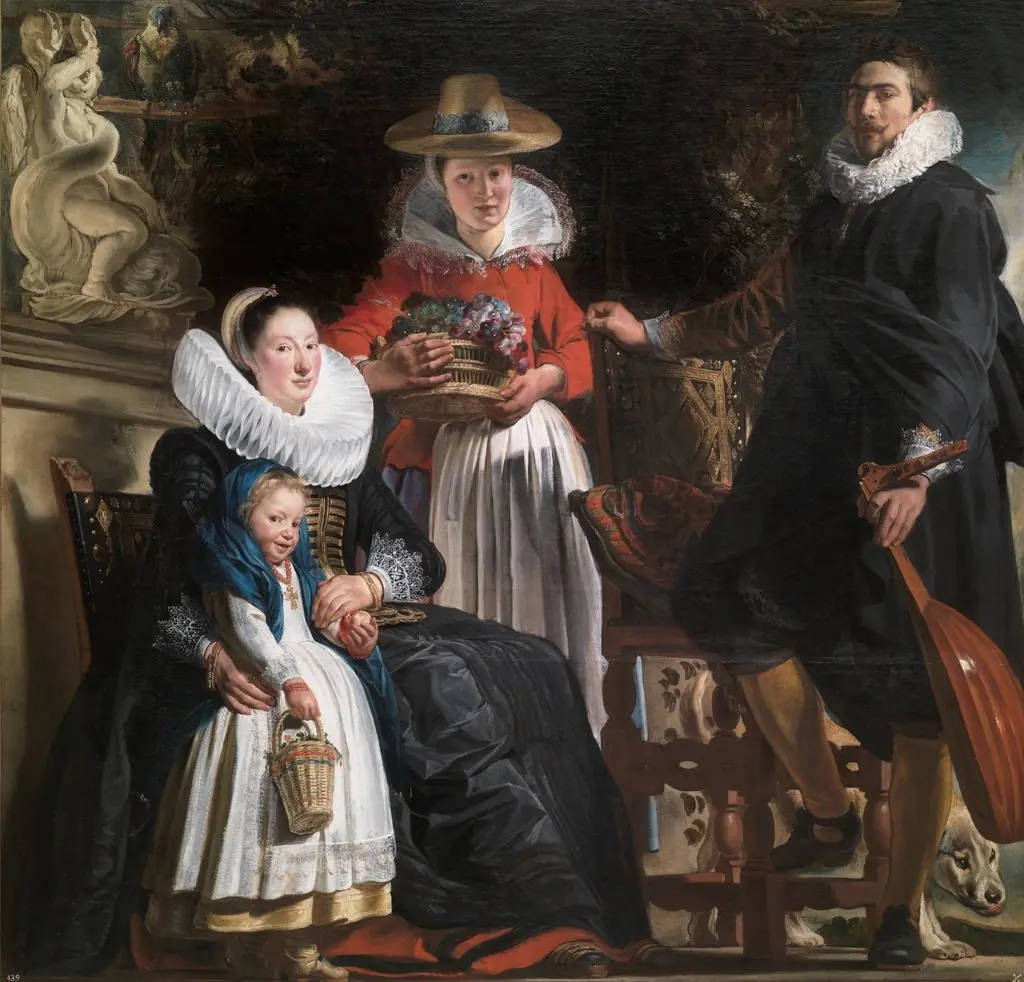 Portrait of the artist with his family
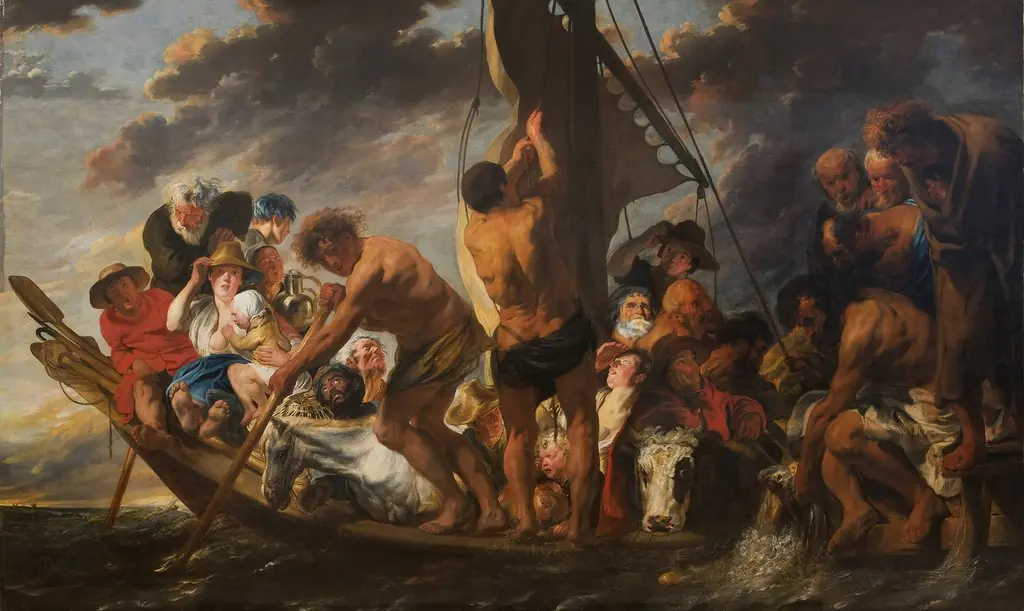 The Tribute Money. Peter Finding the Silver Coin in the Mouth of the Fish. Also called "The Ferry Boat to Antwerp"