Artwork
Lovers
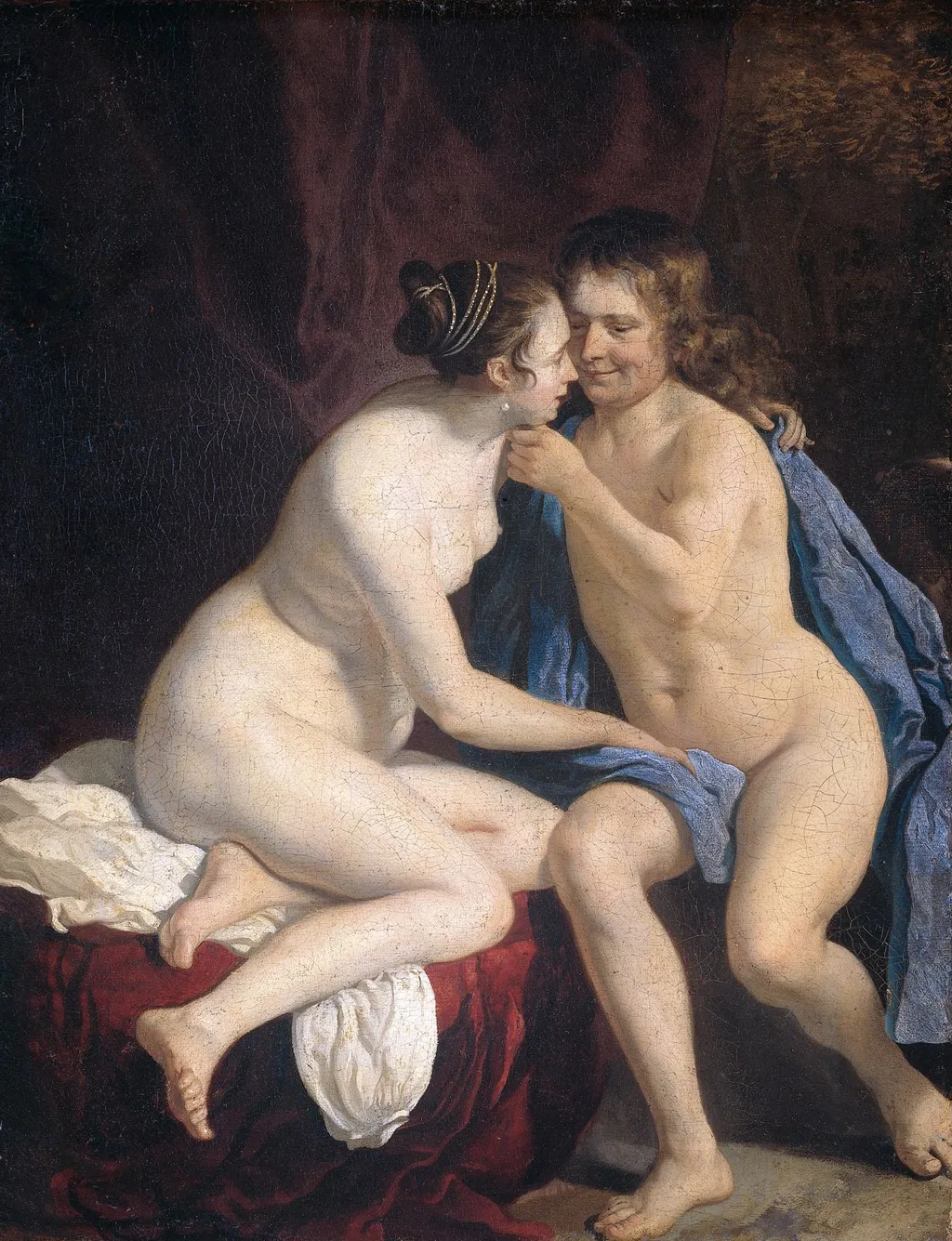
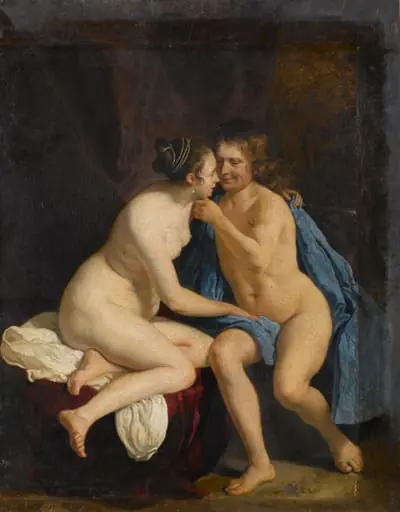
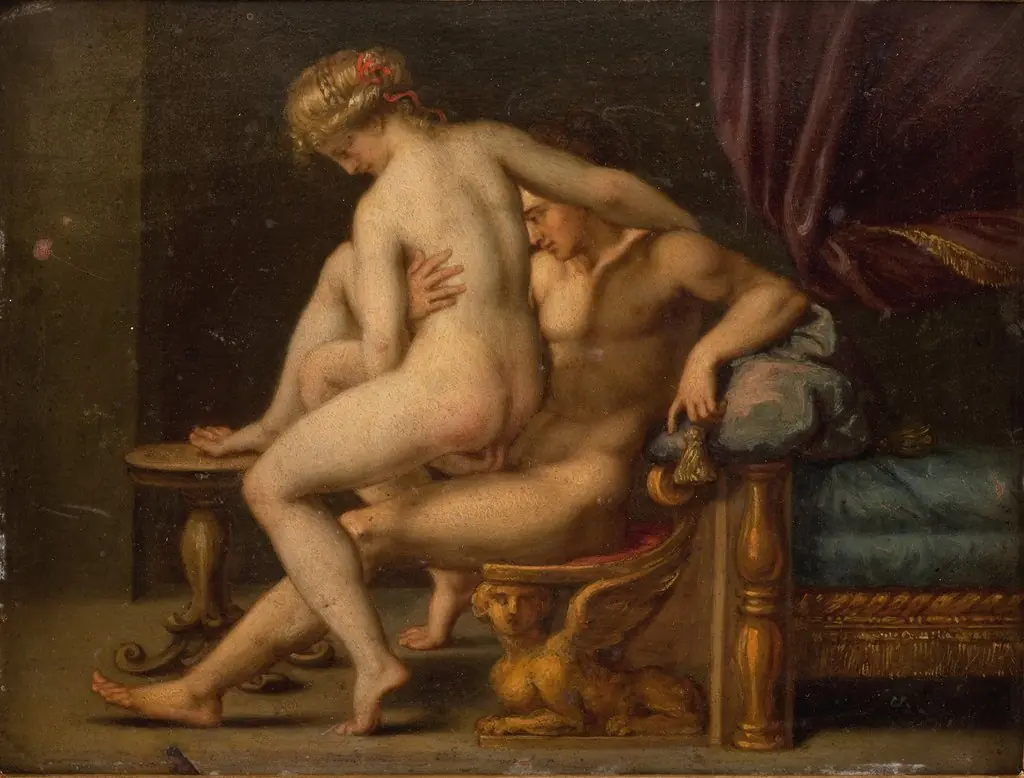
Lovers is an oil painting by the Dutch Golden Age artist Jacob van Loo. It dates from 1650 and is held in the collection of the Rijksmuseum.
About this work
Overview
Created around 1650 by Jacob van Loo, *Lovers* is an oil painting that exemplifies the Dutch Golden Age’s focus on intimate, narrative scenes. The work shows a man and a woman seated closely, their bodies illuminated against a dark backdrop, emphasizing the tender exchange between them. It is presently held in the collection of the Rijksmuseum in Amsterdam.
Subject & Meaning
The composition presents a private moment: the woman, draped only in a red cloth, rests an arm around the man, who leans forward with a subtle smile. Their hands meet near the face, suggesting a confidential dialogue or shared affection. The subdued setting and the focus on gesture invite viewers to contemplate themes of intimacy and emotional connection without explicit narrative cues.
Technique & Style
Van Loo employs a pronounced chiaroscuro, allowing the luminous skin tones to emerge from the surrounding darkness. The contrast of the red fabric and the blue wrap against the shadowed background creates a visual hierarchy that draws attention to the figures. The brushwork is smooth and refined, characteristic of the period’s attention to flesh rendering and subtle modeling of light.
History & Provenance
Jacob van Loo, active in Amsterdam before relocating to Paris in 1660, was known for his skill in rendering figures within conversational contexts, often drawn from mythological or biblical sources. *Lovers* entered the Rijksmuseum’s holdings as part of its Dutch Golden Age collection, reflecting the museum’s commitment to preserving works that illustrate the era’s domestic and genre painting traditions.
Own this work as a print
Artist & collection
Artist
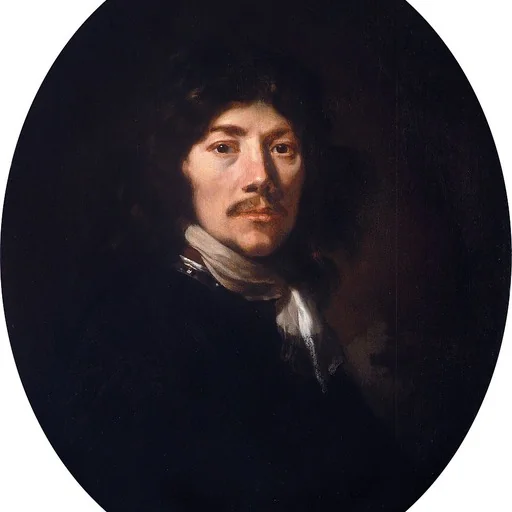
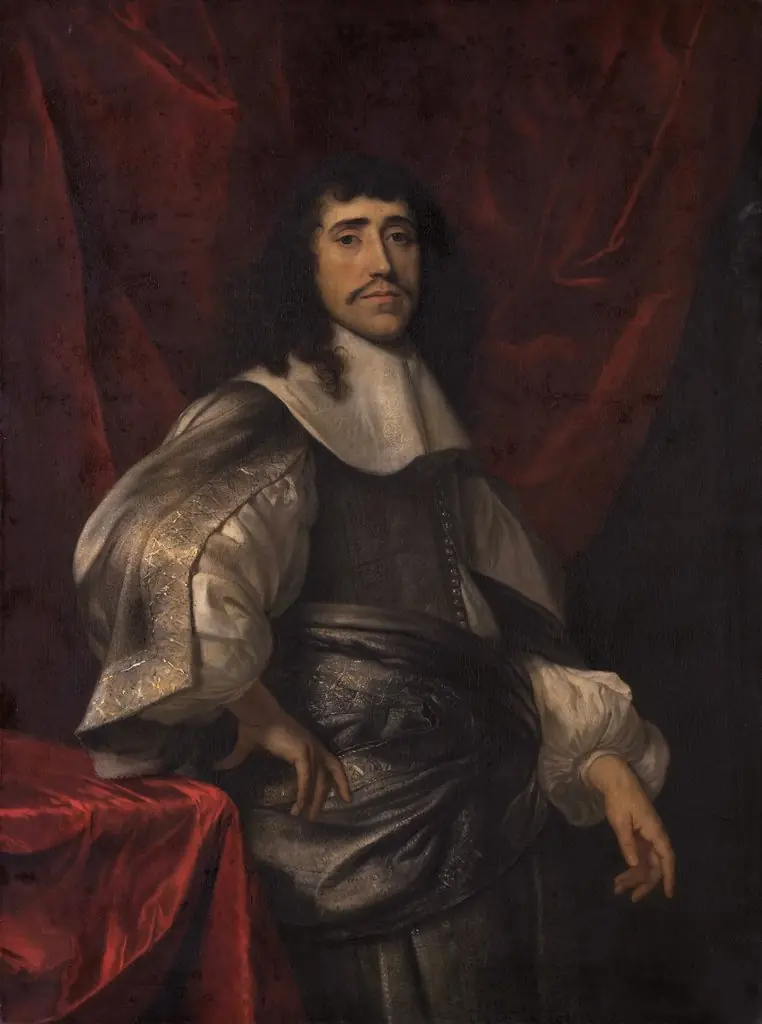
Jacob van Loo (1614 – 26 November 1670) was a painter of the Dutch Golden Age, chiefly active in Amsterdam and, after 1660, in Paris.

 Amorous Couple
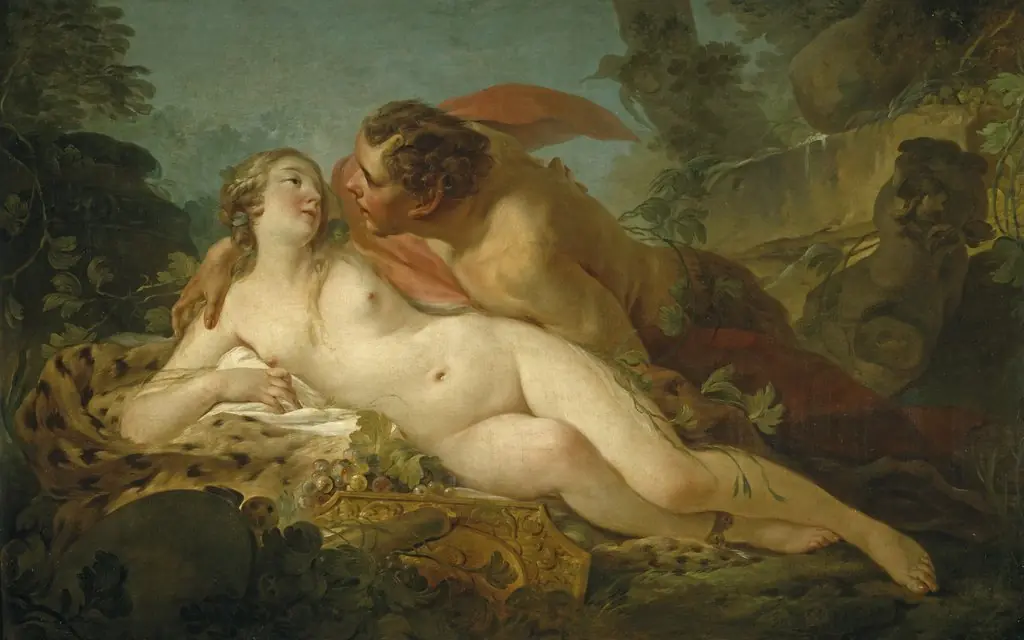 Jupiter and Antiope
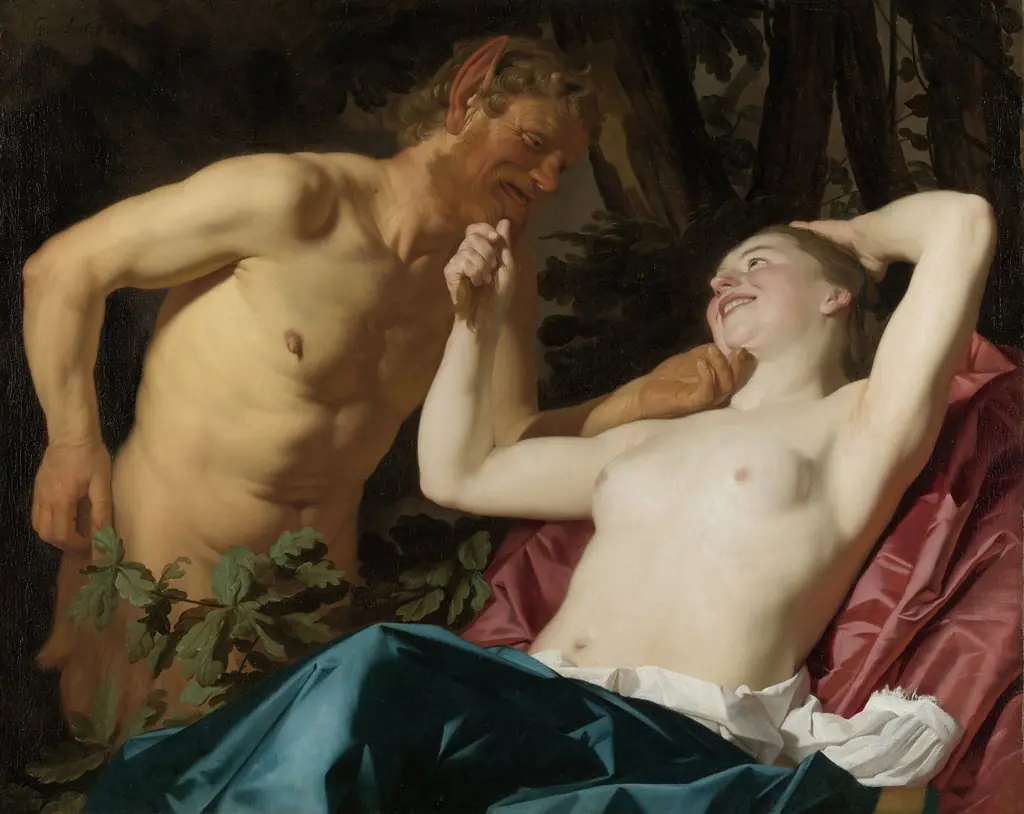 Satyr and Nymph
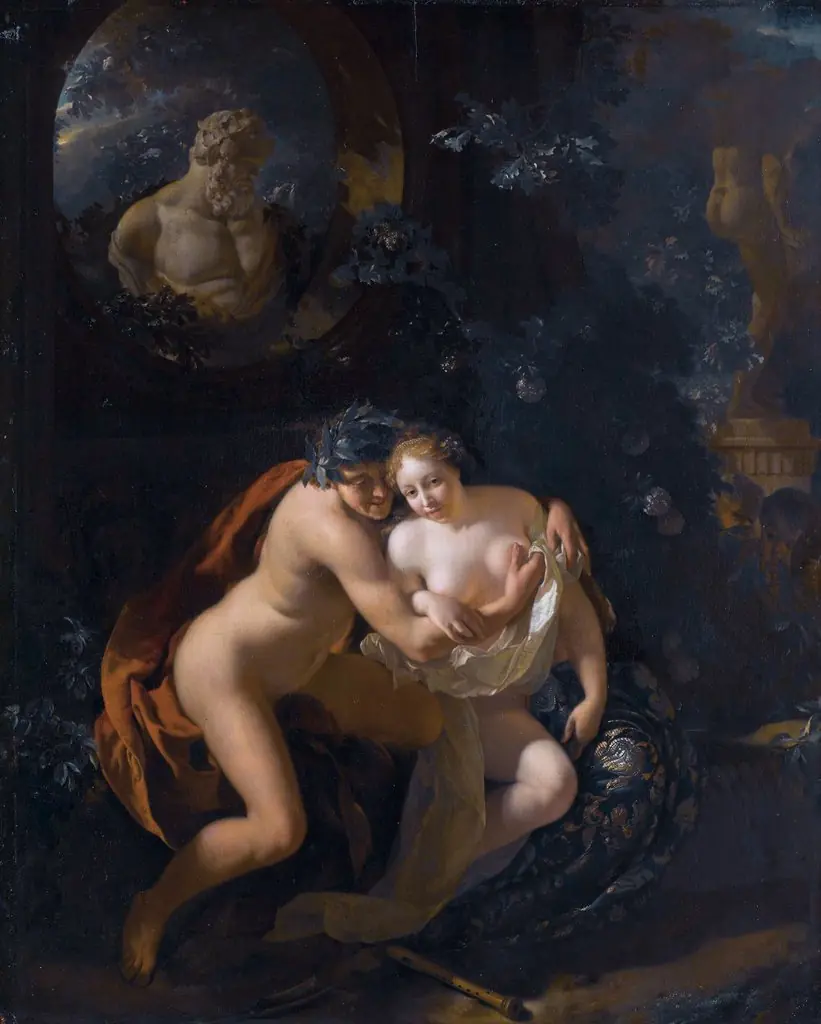 A Couple Making Love in a Park Spied on by Children
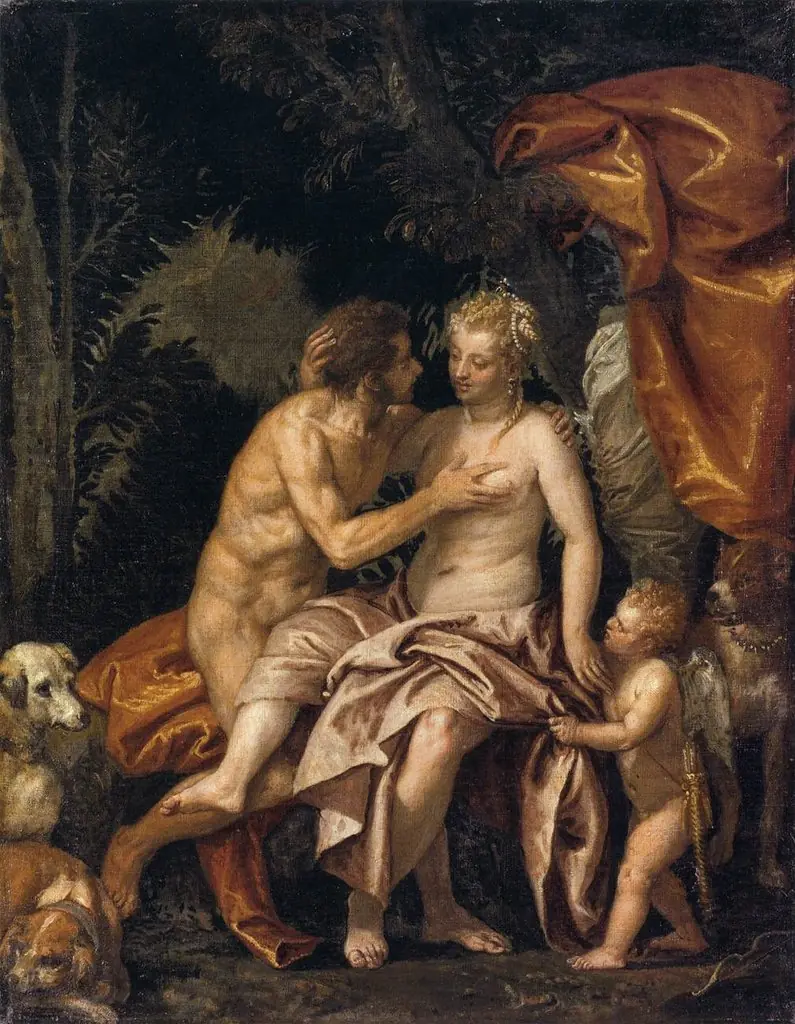 Venus and Adonis
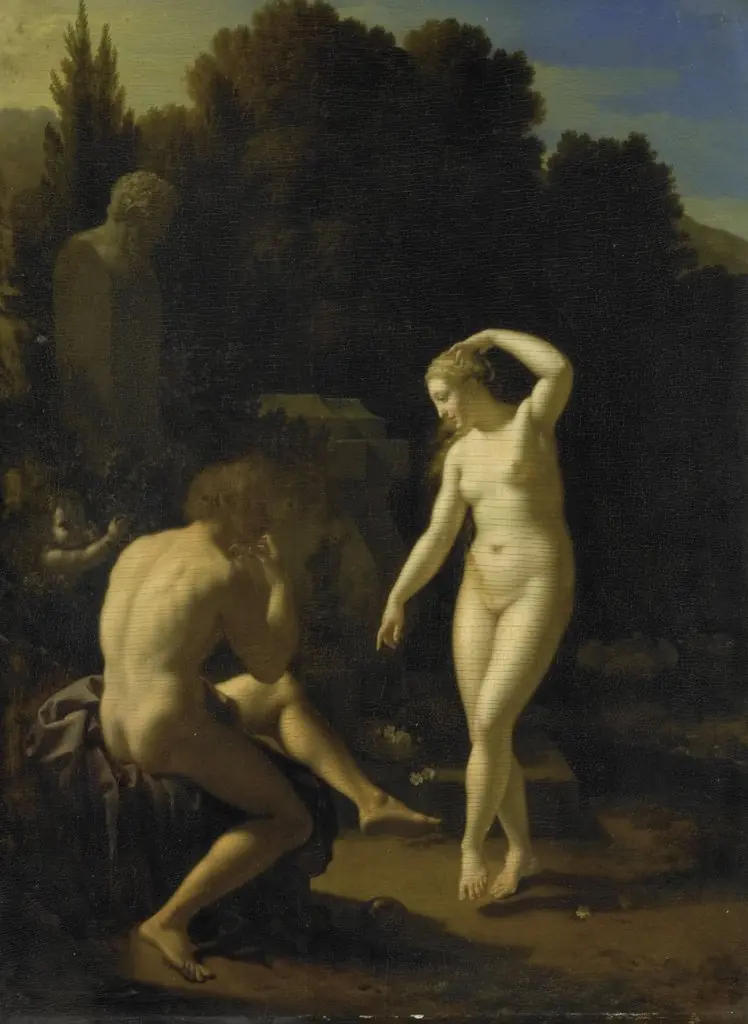 A Nymph Dancing to a Shepherd's Flute-Playing
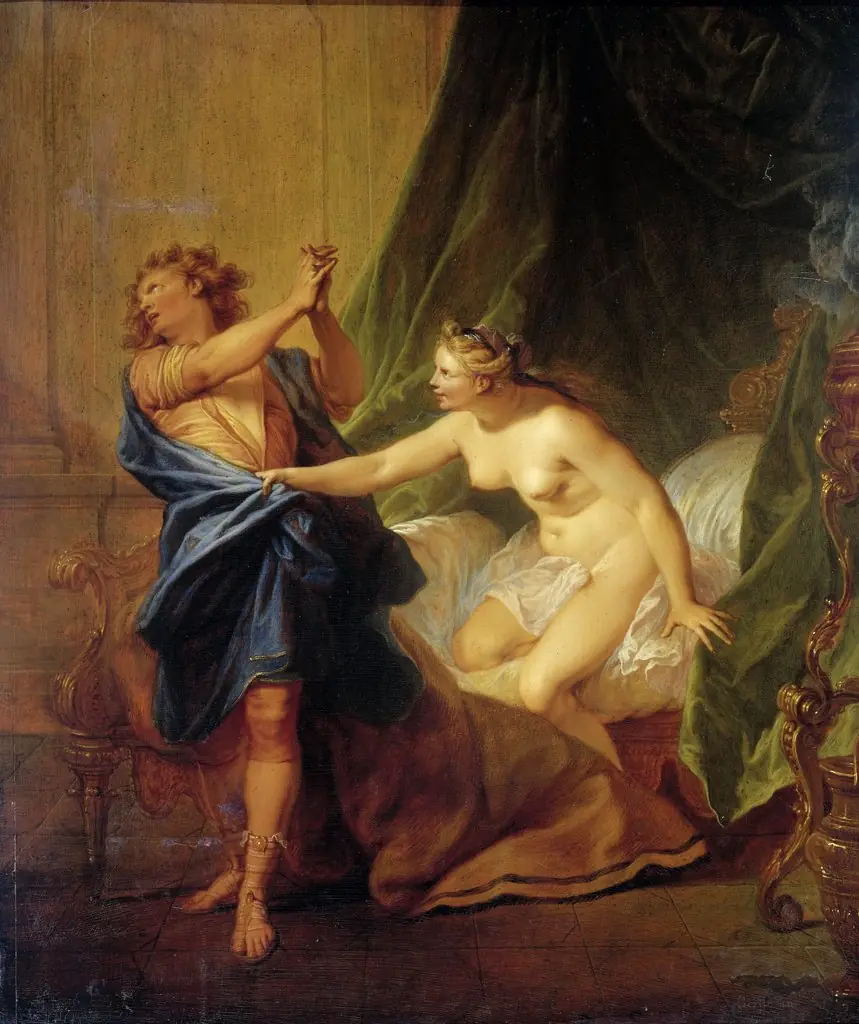 Joseph and Potiphar's Wife
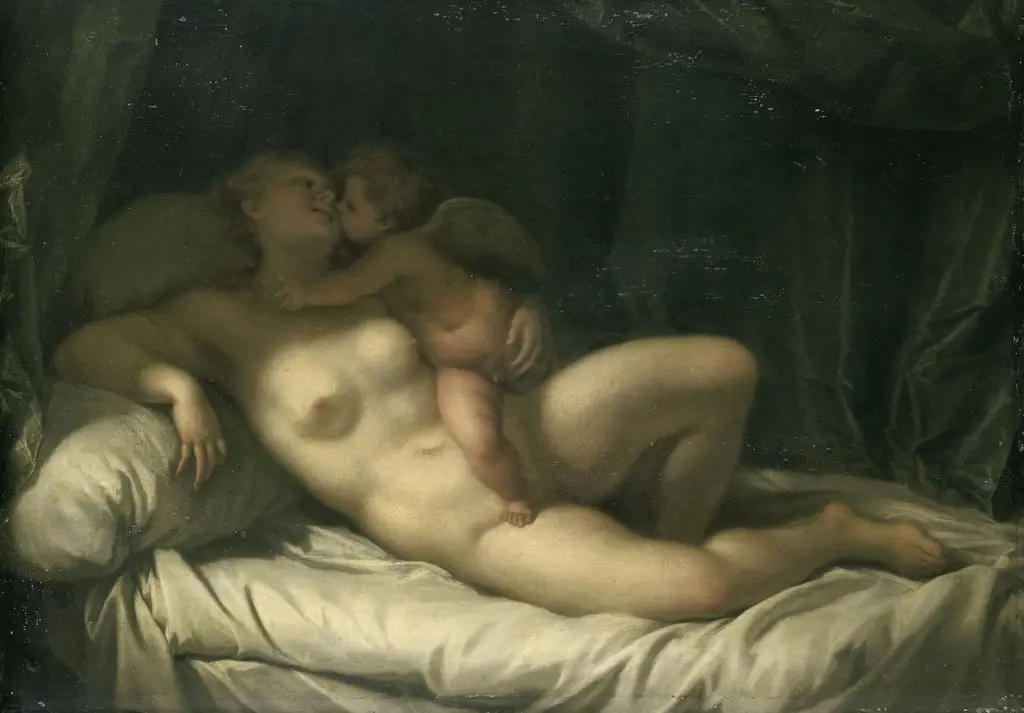 Cupid Kissing Venus (Venus Kissed by Amor)
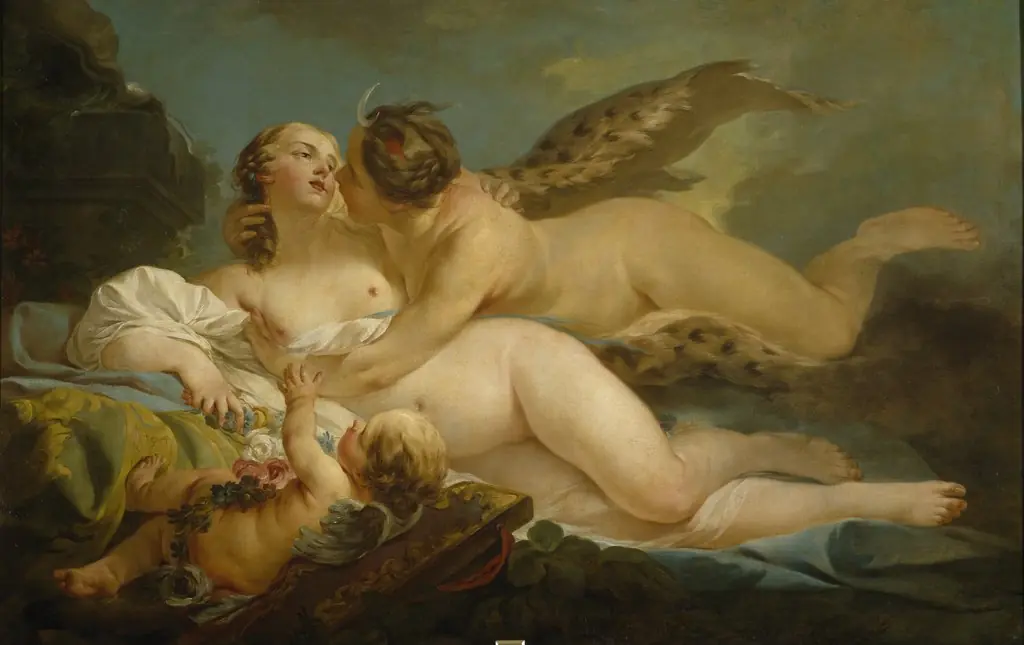 Diana and Callisto
 Amor Kissing Venus
 Nuditet med mand og kvinde
 The Fruit of Love