Artwork
The Pig Butcher
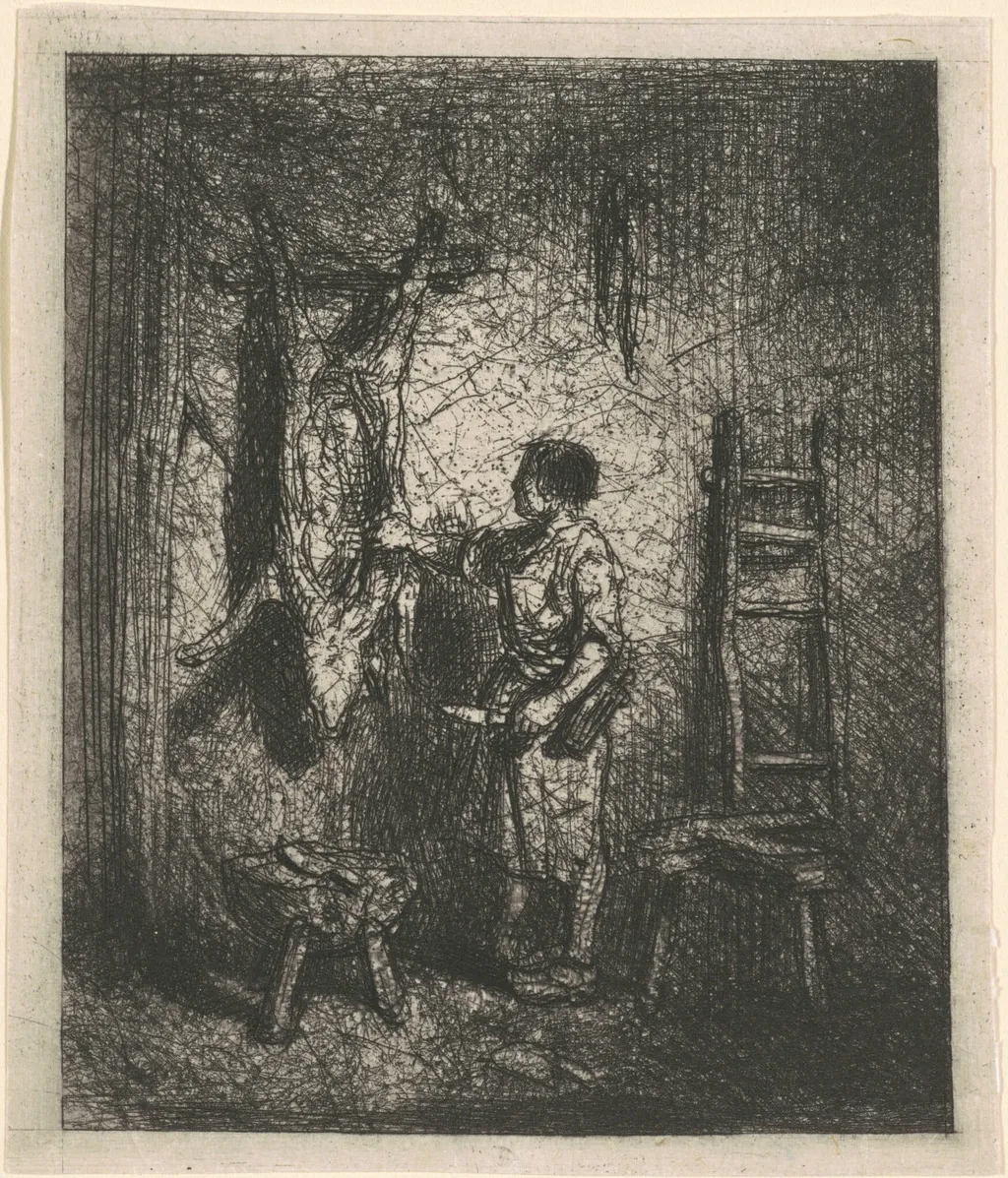
The Pig Butcher is an ink print by the Romanticist artist Charles Émile Jacque. It dates from 1844 and is held in the collection of the National Gallery of Art.
About this work
Overview
The Pig Butcher, executed in 1844 by Charles‑Émile Jacque, is a print created through etching and engraving on Chinese paper. The work presents a bustling interior where a butcher is engaged in the dissection of a pig, illuminated by a focused light that highlights the animal and the blade.
Subject & Meaning
The composition captures a moment of everyday labor, depicting the butcher’s workspace filled with tools, carcasses, and the visceral act of butchery. Rather than idealising the scene, the image conveys a straightforward, unembellished view of rural work life, aligning with the realist tendencies that emerged alongside Romanticism.
Technique & Style
Jacque employed a combination of etching and dry‑point engraving, allowing for fine line work and subtle tonal variations. The use of Chinese paper contributes a delicate texture that enhances the contrast between illuminated surfaces and deep shadows, emphasizing the tactile quality of the meat and implements.
History & Provenance
First produced in the mid‑nineteenth century, the print was part of a broader series of genre scenes that Jacque created to document rural occupations. It entered several European collections during the late 1800s, later appearing in museum holdings focused on printmaking and 19th‑century French art.
Context
During the 1840s, French artists increasingly turned to scenes of ordinary life, moving beyond the grand historical and mythological subjects favoured by earlier academies. Jacque’s focus on a butcher’s shop reflects this shift, offering a candid glimpse into the economic and social fabric of the period.
Artist & collection


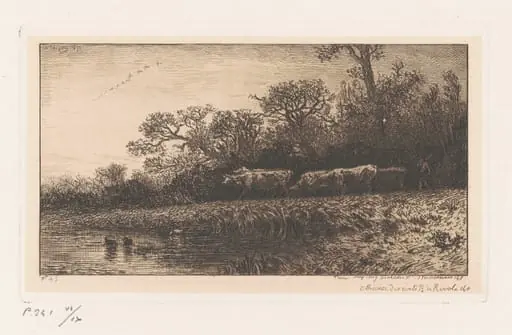
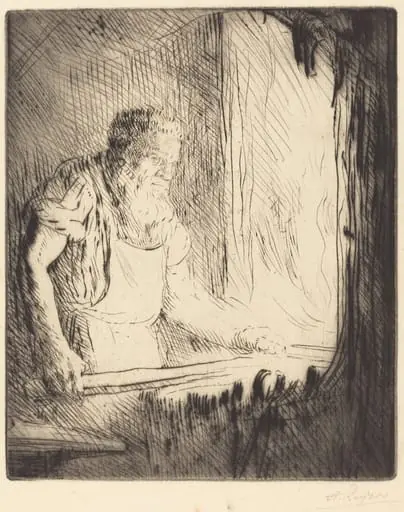 Blacksmith (Le forgeron)
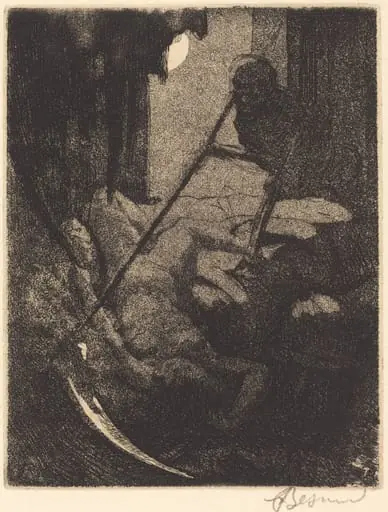 The Mystery (Le mystère)
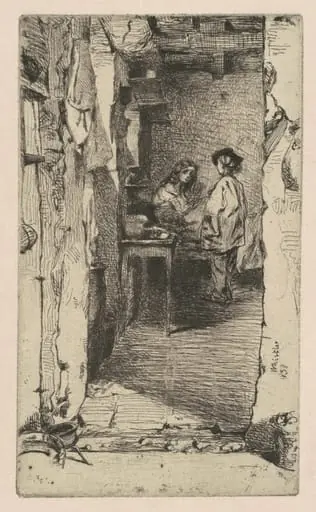 Rag Pickers, Quartier Mouffetard, Paris
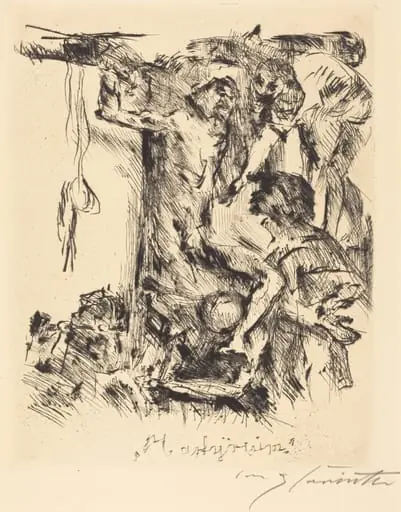 Martyrium (Martyrdom)
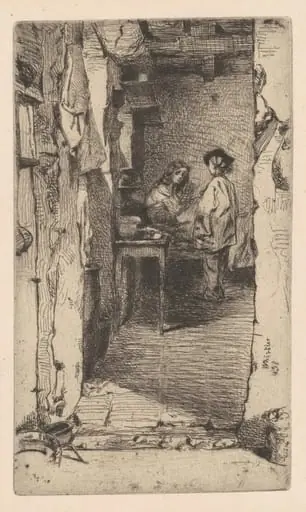 Rag Pickers, Quartier Mouffetard, Paris
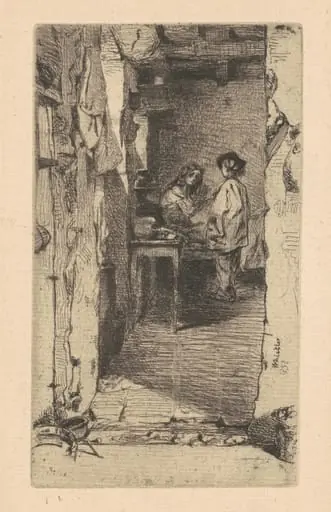 Rag Pickers, Quartier Mouffetard, Paris
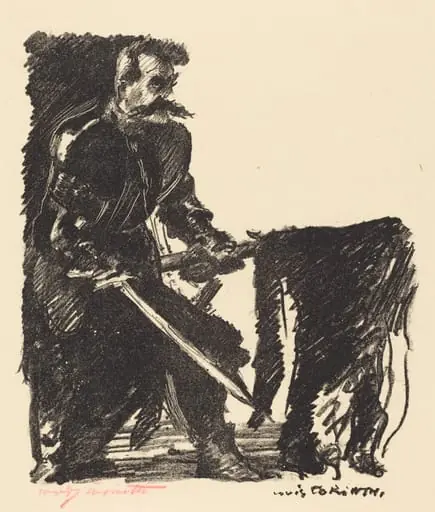 Bannerträger (Standard Bearer)
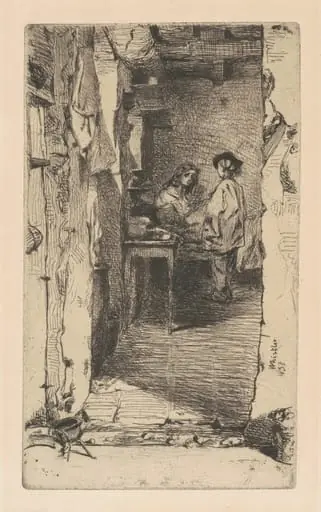 Rag Pickers, Quartier Mouffetard, Paris
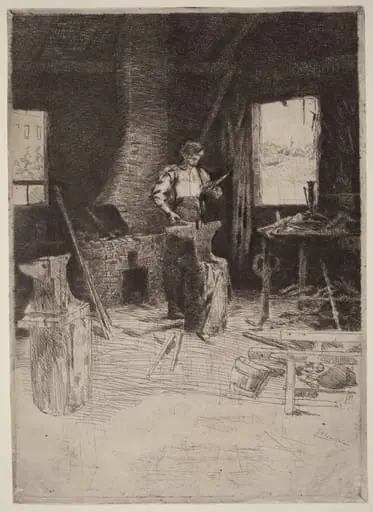 The Blacksmith's Shop
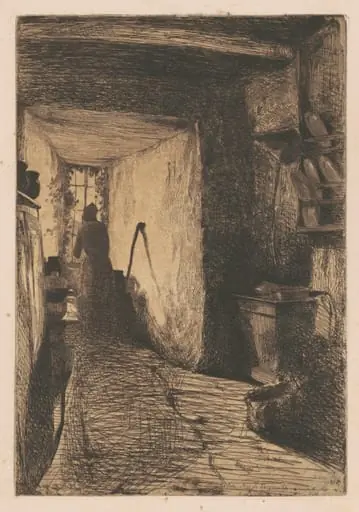 The Kitchen
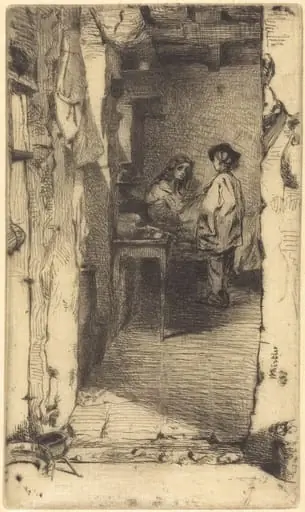 Rag Pickers, Quartier Mouffetard, Paris
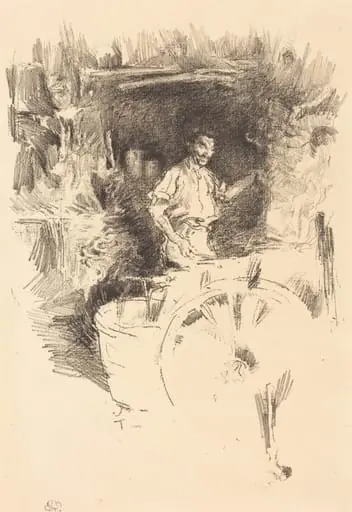 The Blacksmith