Artwork
The Temptation of Saint Anthony (second version)
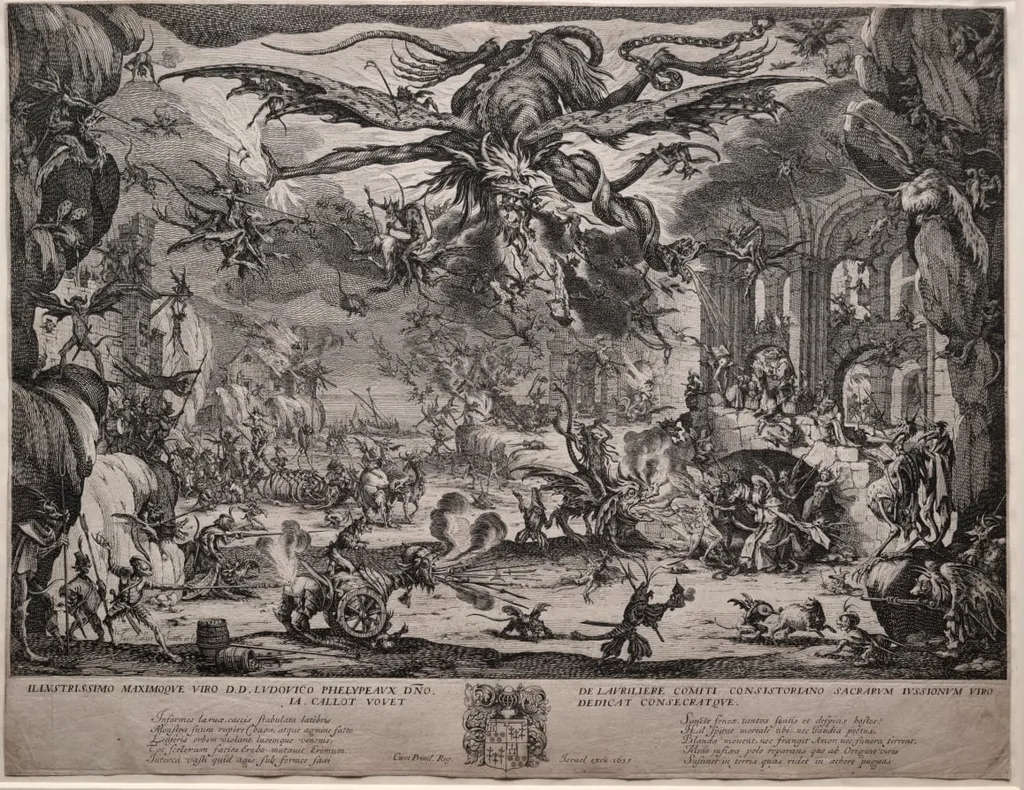
The Temptation of Saint Anthony (second version) is a print by the Baroque artist Jacques Callot. It dates from 1635 and is held in the collection of the Cleveland Museum of Art.
About this work
Overview
Unlike earlier depictions that emphasized solitude, Callot’s version amplifies the chaos of temptation through a crowded, swirling composition.
This print by Jacques Callot portrays Saint Anthony of Egypt during a moment of spiritual trial, surrounded by a dense assembly of grotesque figures and fantastical beasts. Unlike earlier depictions that emphasized solitude, Callot’s version amplifies the chaos of temptation through a crowded, swirling composition. The scene reflects a tradition of visualizing spiritual warfare, where the saint’s composure contrasts with the surrounding infernal spectacle.
Subject & Meaning
The print illustrates Saint Anthony’s resistance to demonic seductions, a theme drawn from early Christian hagiography. The surrounding creatures—part animal, part human, part machine—symbolize the mind’s vulnerability to vice and illusion. Rather than physical violence, the torment is psychological: the saint remains seated, unmoved, while chaos erupts around him, reinforcing the virtue of inner stillness amid external disorder.
Technique & Style
Callot employed fine-line etching to achieve intricate detail and dramatic contrast. His use of dense, overlapping lines creates texture and depth, guiding the viewer’s eye through the labyrinth of figures. While not strictly chiaroscuro, the work relies on tonal variation and sharp delineation to distinguish the saint’s calm center from the frenetic periphery, enhancing the narrative tension without relying on heavy shading.
History & Provenance
Created in the early 17th century, this print was part of a series on Saint Anthony that circulated widely across Europe. Callot’s version was not the first but became one of the most reproduced, influencing later artists through its imaginative taxonomy of demons. Its popularity stemmed from both technical mastery and the resonance of its theme during a period of religious upheaval and heightened interest in the supernatural.
Context
Callot’s imagery draws from medieval and Renaissance traditions that visualized hell as a populated realm of monstrous hybrids, often derived from bestiaries and moral allegories. The depiction of the witches’ sabbath, though not literal here, informed the chaotic energy of the scene. The print reflects broader cultural anxieties about sin, heresy, and the fragility of faith in an era marked by Reformation conflicts and witch trials.
Legacy
Callot’s composition became a reference point for later artists exploring themes of temptation and the grotesque, including Goya and Max Ernst. Its influence lies less in theological precision than in its inventive cataloging of deviant forms and its ability to translate spiritual struggle into visual complexity. The print helped cement the visual language of psychological torment in Western art.
Artist & collection
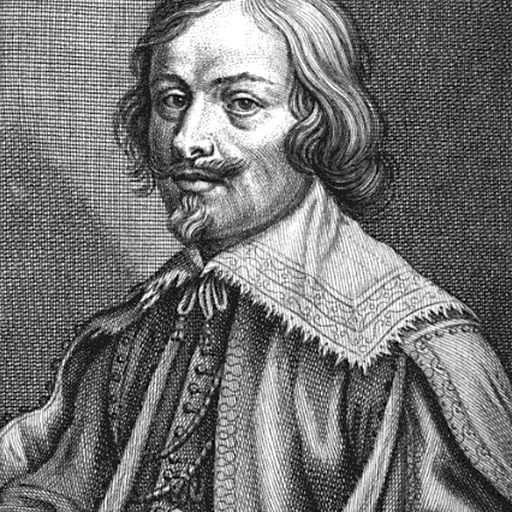
Artist
Jacques Callot was a baroque printmaker and draftsman from the Duchy of Lorraine.

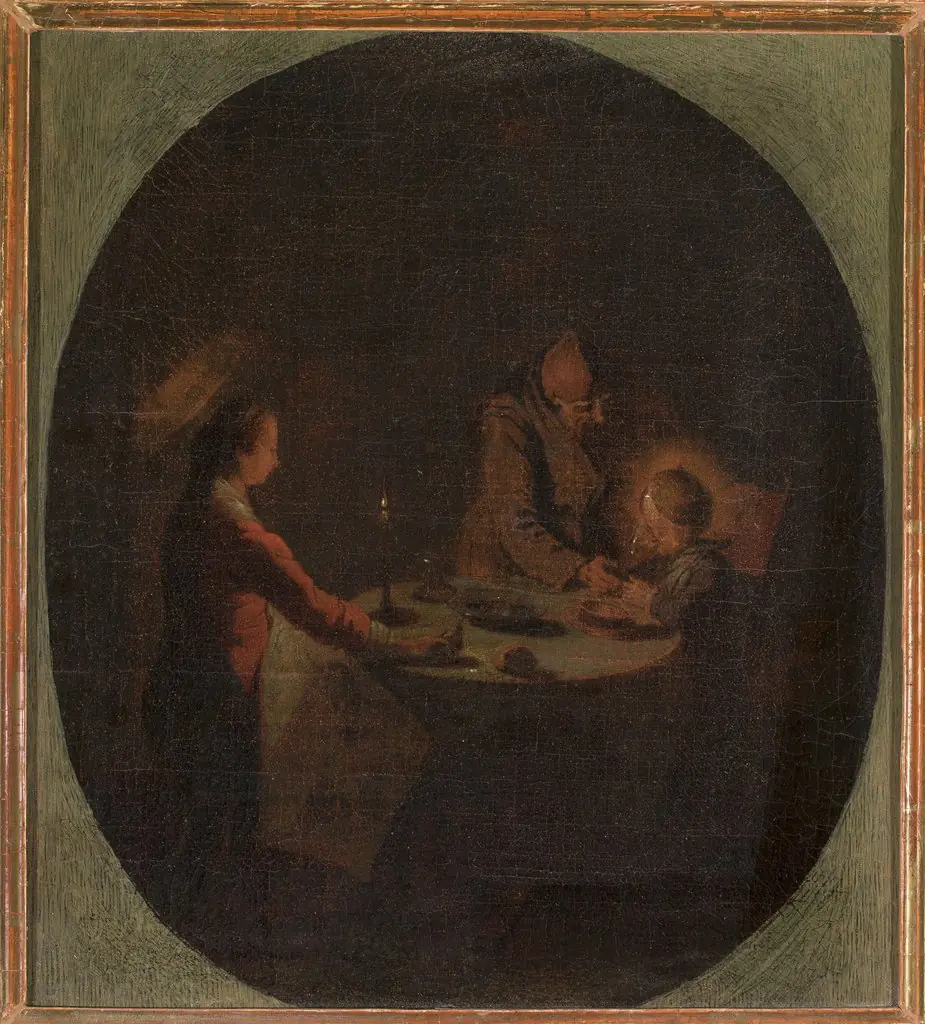 Holy Family at supper
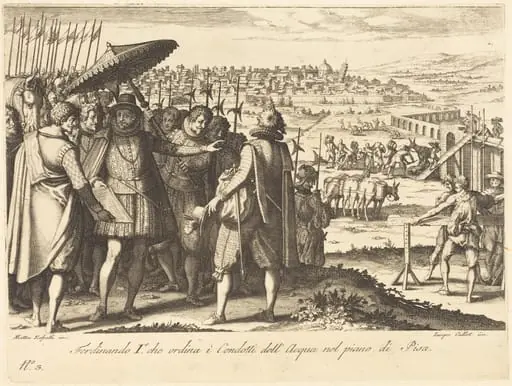 Restoration of the Aqueduct at Pisa
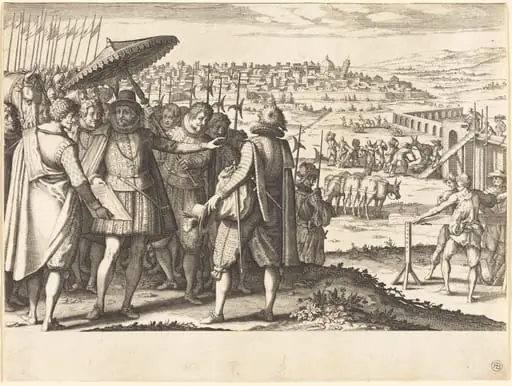 Restoration of the Aqueduct at Pisa
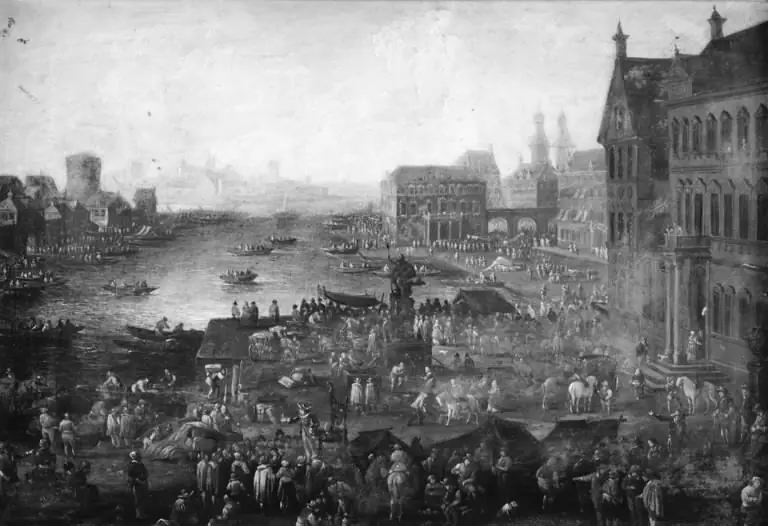 Square in Paris with Many Figures
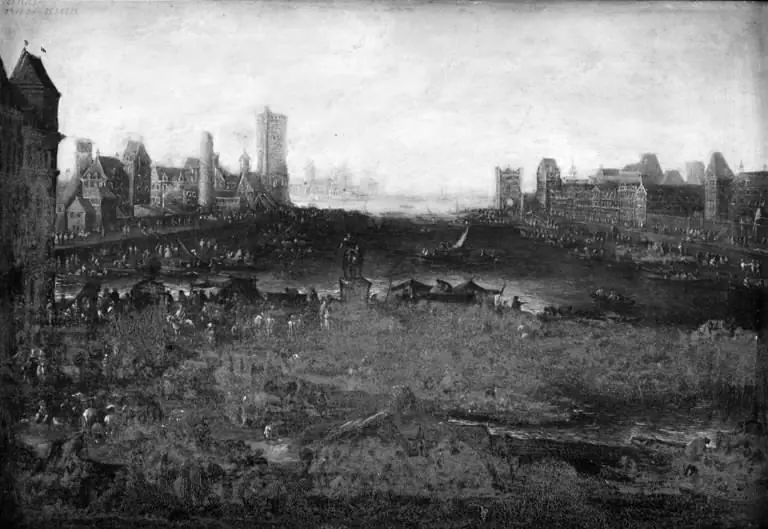 Square in Paris with Many Figures
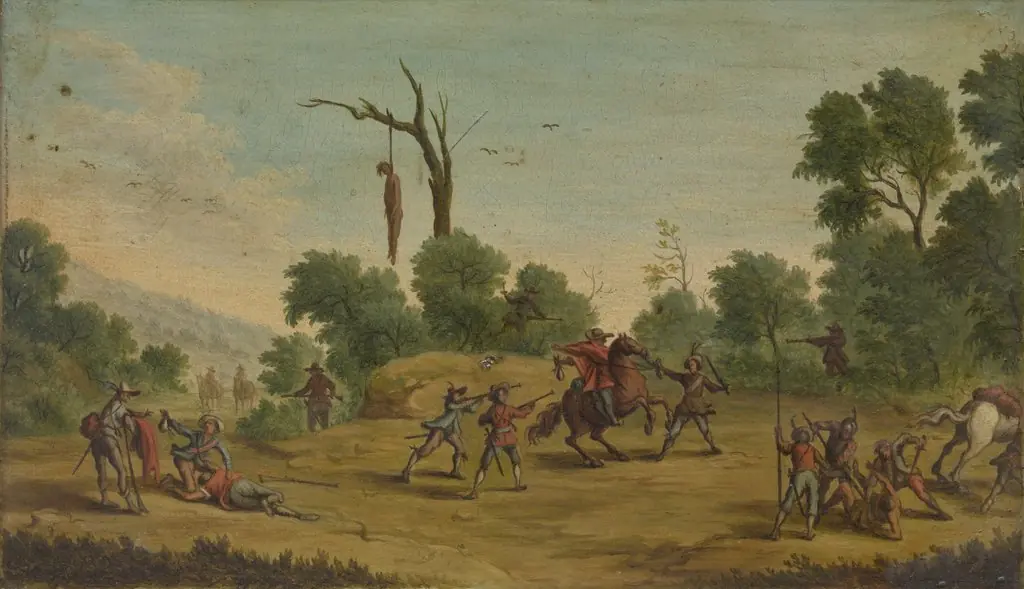 Horsemen Attacked by Robbers
 HOW WILL A COVERED PART BE CORRECTED?HOW WIKA A COVERED HEART DEED CORRECTED?
![Christ Walking on the Water [second plate], by Jacques Callot](https://artifactworldgallery.com/img/jacques-callot--christ-walking-on-the-water-second-plate--2069f3bfe4cb2126-w320.webp) Christ Walking on the Water [second plate]
Christ Walking on the Water [second plate]
![The Temptation of Saint Anthony [second version], by Jacques Callot](https://artifactworldgallery.com/img/jacques-callot--the-temptation-of-saint-anthony-second-version--9cf852748ad4d6b5-w320.webp) The Temptation of Saint Anthony [second version]
The Temptation of Saint Anthony [second version]![The Temptation of Saint Anthony [second version], by Jacques Callot](https://artifactworldgallery.com/img/jacques-callot--the-temptation-of-saint-anthony-second-version--2cec207315506114-w320.webp) The Temptation of Saint Anthony [second version]
The Temptation of Saint Anthony [second version]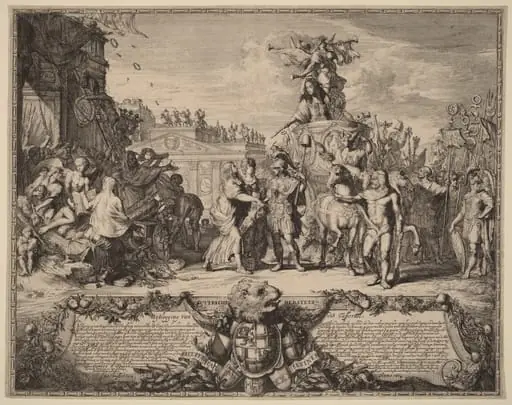 Uytrecht Herstelt (The Recapture of Utrecht, 1673)
 The Last Judgment
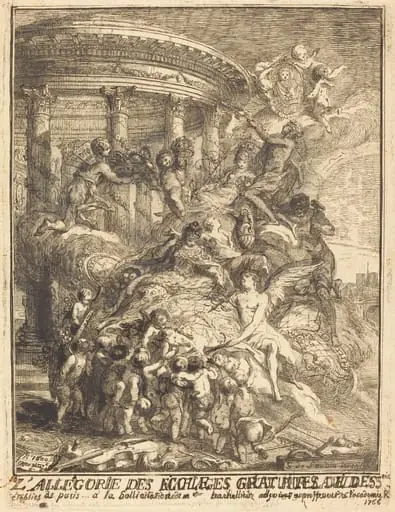 Allégorie des Ecoles gratuites du dessein (Allegory of the Free Drawing Schools)
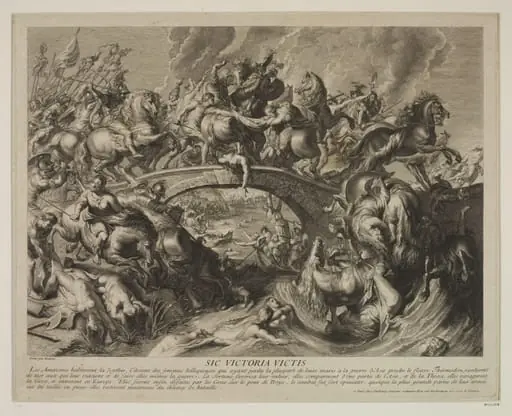 Battle of the Amazons
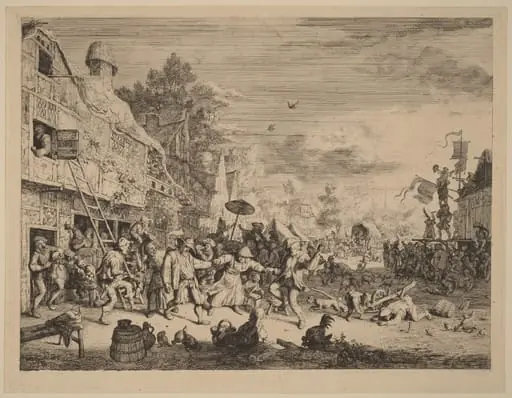 Village Festival
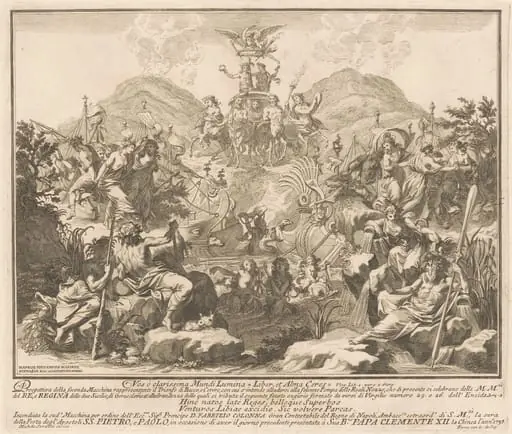 The Seconda Macchina for the Chinea of 1738: The Triumph of Bacchus and Ceres
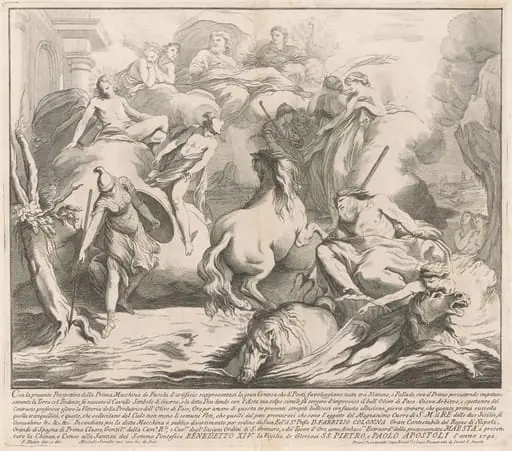 The Prima Macchina for the Chinea of 1742: The Contest of Neptune and Minerva
 Village Festival
 Tobias and the Angel Arriving at Raguel's House
 Village Fair