Artwork
Man fighting with wolves
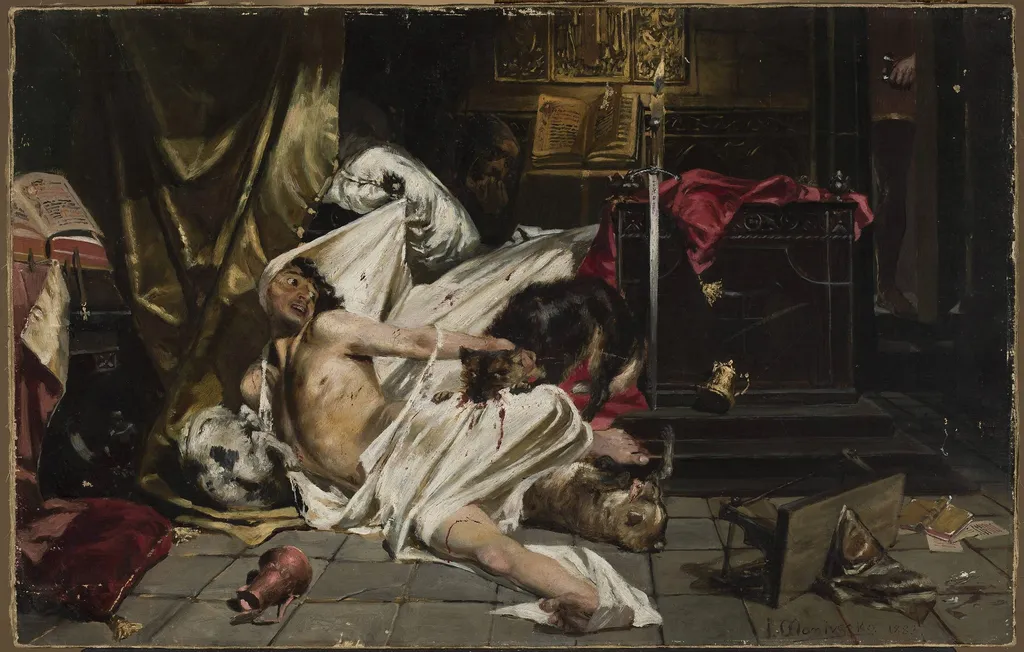
Man fighting with wolves is an oil painting by the Post-Impressionist artist Jan Czesław Moniuszko. It dates from 1892 and is held in the collection of the National Museum in Warsaw.
About this work
Overview
Painted in 1892 by Jan Czesław Moniuszko, this oil work portrays a solitary man engaged in violent combat with a pack of wolves. The scene is rendered with intense physicality and emotional urgency. The painting resides in the National Museum in Warsaw, where it remains one of the more dramatic examples of late 19th-century Polish figurative art.
Subject & Meaning
The central figure, clad in a simple white garment, is caught mid-struggle against multiple wolves, their jaws bared and bodies coiled in attack. The man’s posture suggests both resistance and vulnerability, evoking themes of human fragility against primal forces. No narrative context is provided, leaving the encounter open to interpretation as allegory or raw survival.
Technique & Style
Moniuszko employs strong chiaroscuro to model the figures against a shadowed, indeterminate background. The contrast between the illuminated man and the darkened space heightens the sense of isolation and danger. Brushwork is energetic, particularly in the rendering of fur and musculature, conveying motion and tension without excessive detail.
History & Provenance
Completed in 1892, the painting entered the collection of the National Museum in Warsaw shortly after its creation. Its provenance is well-documented within Polish institutional records, though little is known about its exhibition history prior to its acquisition. It has remained in the museum’s holdings without significant alteration or restoration.
Context
Created during a period of heightened national consciousness in partitioned Poland, the image may reflect broader cultural anxieties about endurance and resistance. While not overtly political, its depiction of solitary struggle resonated with contemporary literary and artistic currents that emphasized individual fortitude amid adversity.
Legacy
Though not widely reproduced or studied internationally, the painting holds a distinct place in Polish art history for its unflinching portrayal of physical conflict. It is occasionally included in exhibitions focusing on 19th-century narrative painting, where its raw emotional intensity continues to draw attention.
Artist & collection

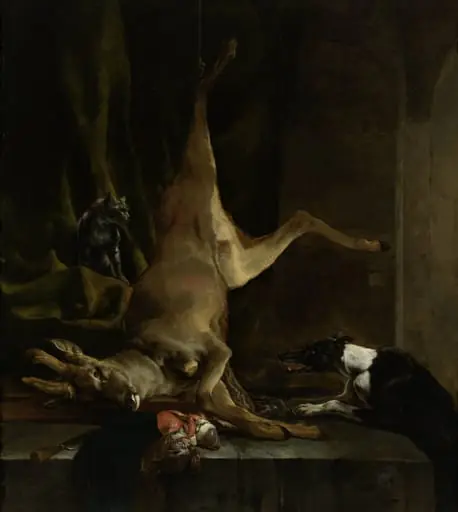 Untitled
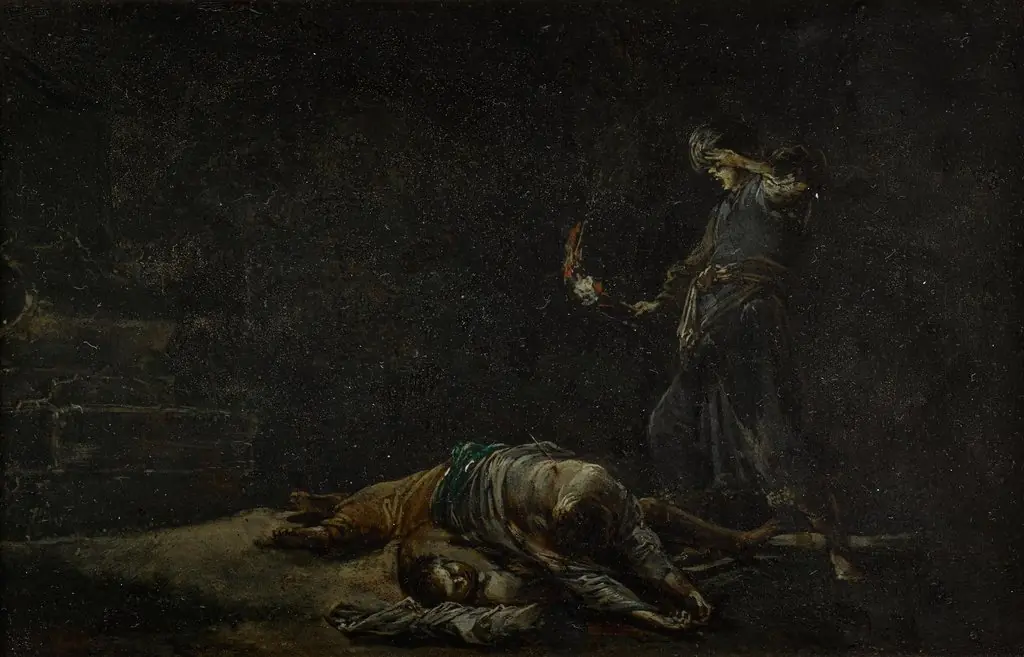 Die Auffindung von Pyramus und Thisbe
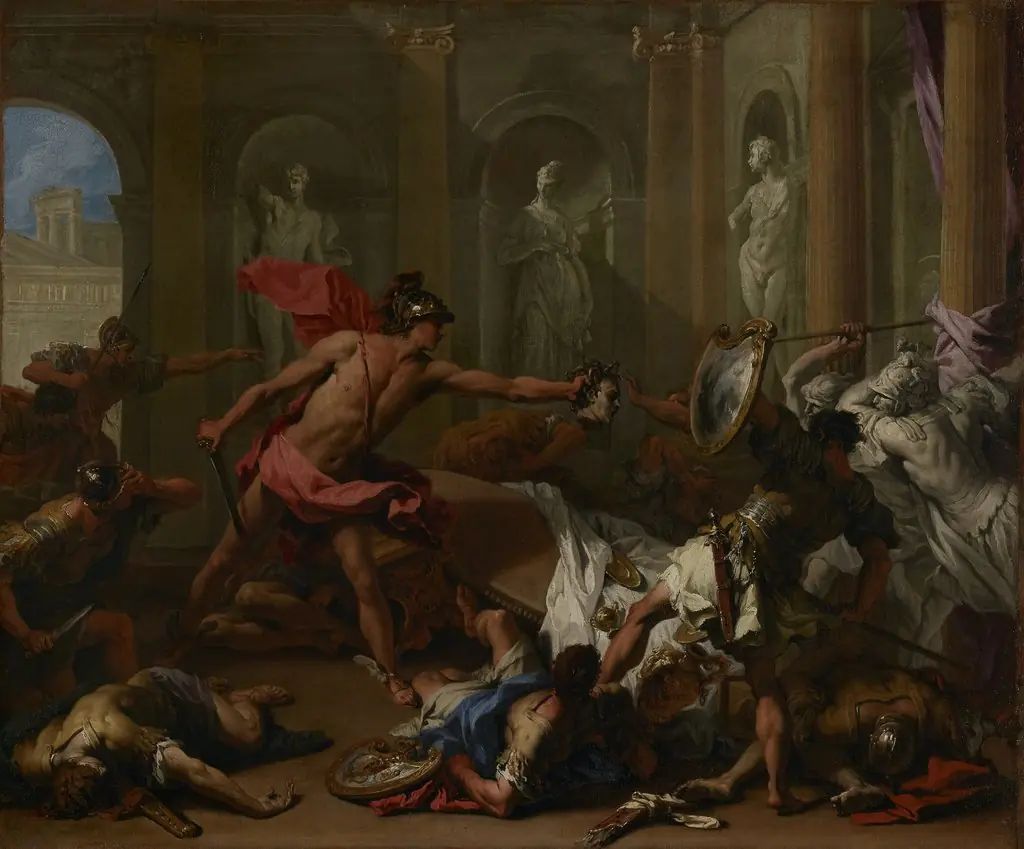 Perseus Confronting Phineus with the Head of Medusa
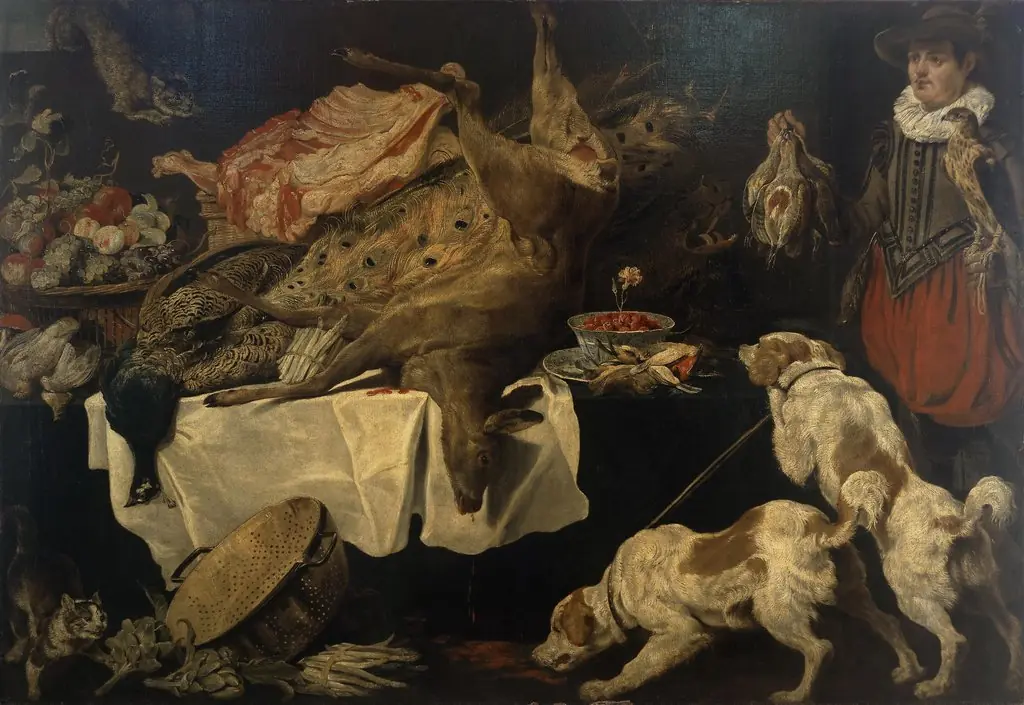 Hunter and Dogs by a Table with Dead Game and Fruit
 The Good Samaritan
 Perseo affronta Fineo con la testa di Medusa
 Tityus
 Gladiators Fighting
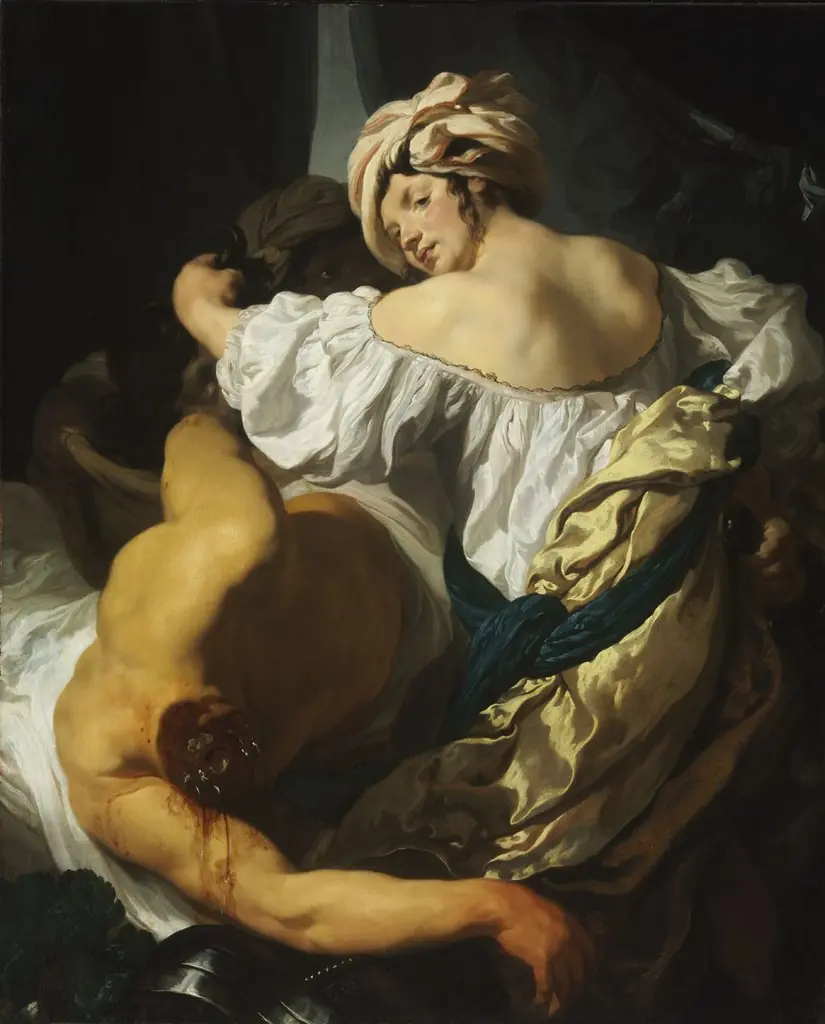 Judith in the Tent of Holofernes
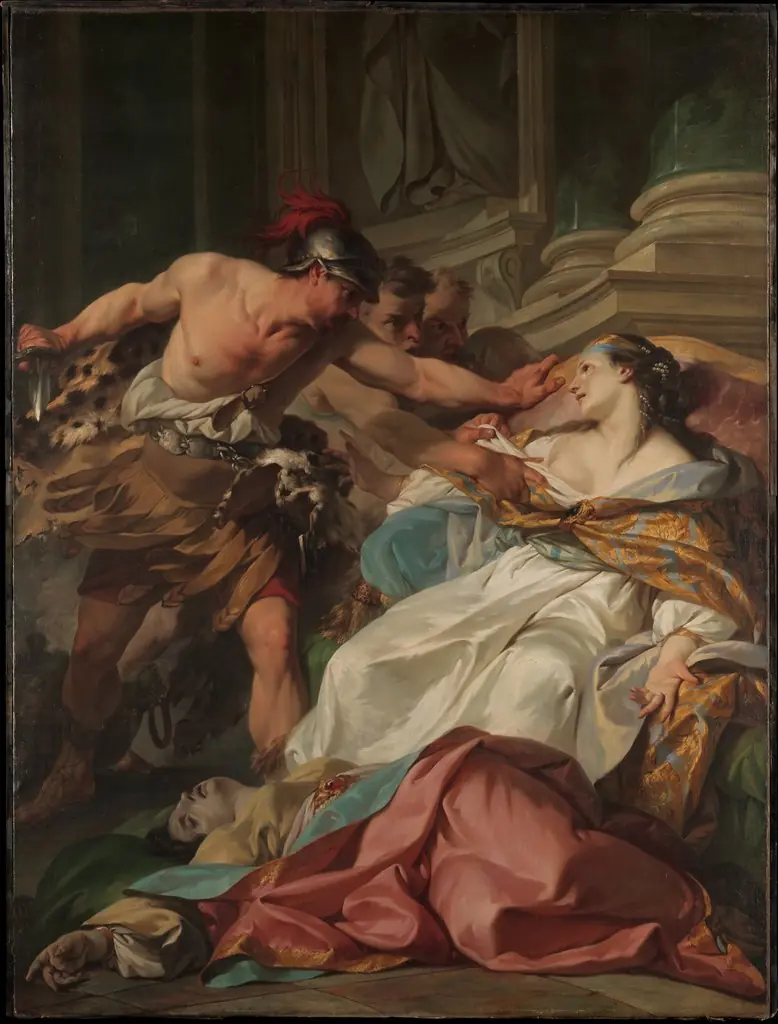 The Death of Harmonia
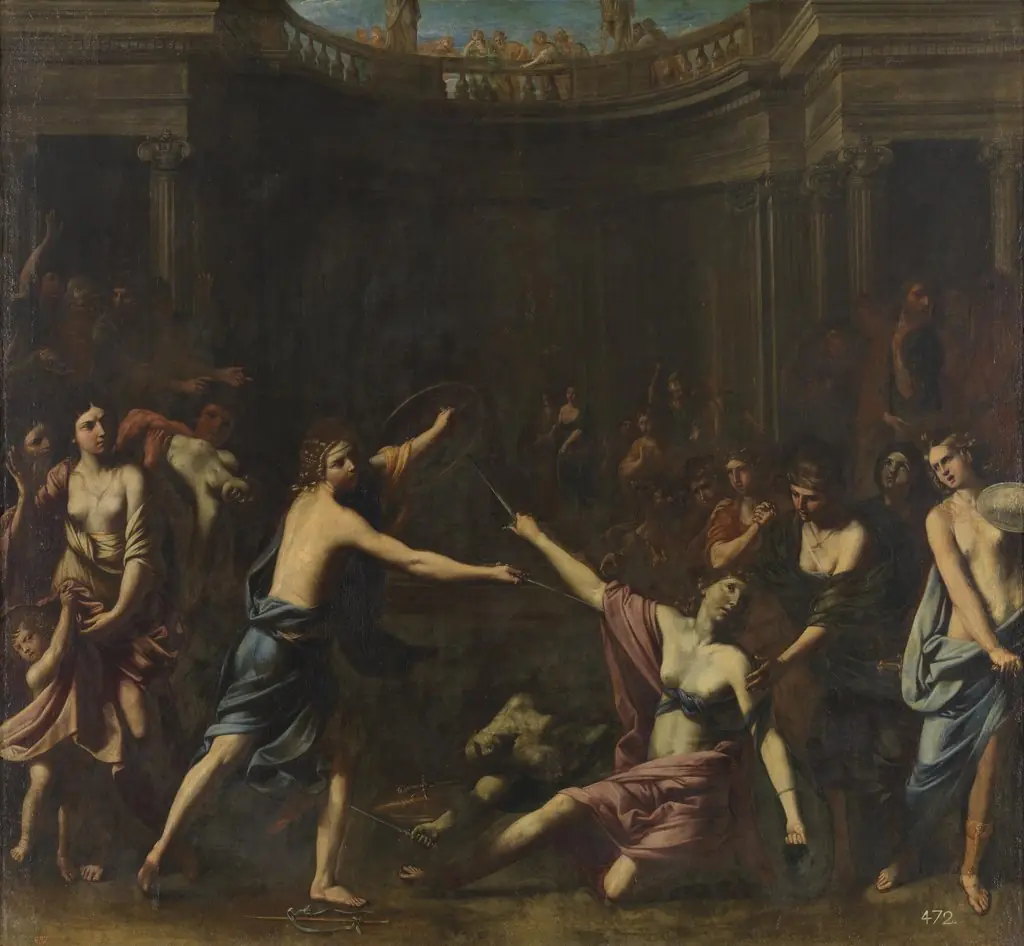 Women Gladiators