Artwork
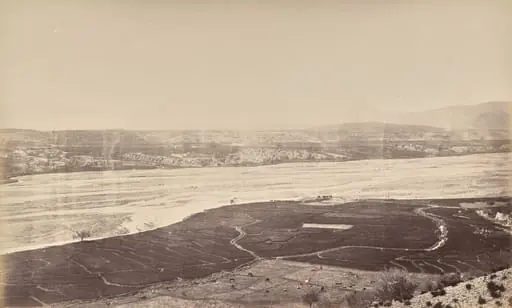
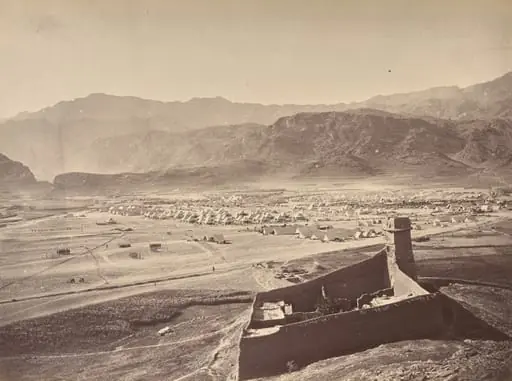
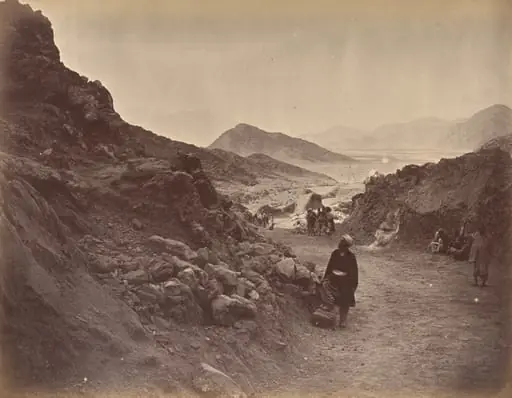
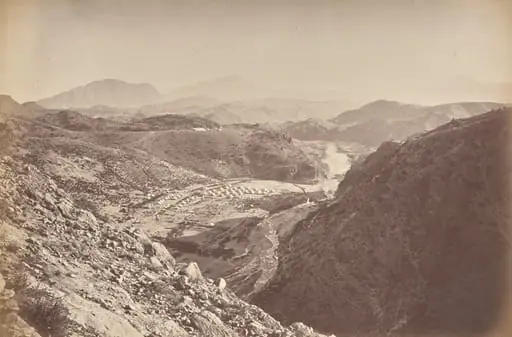
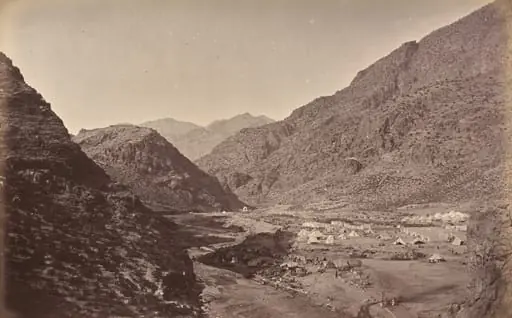
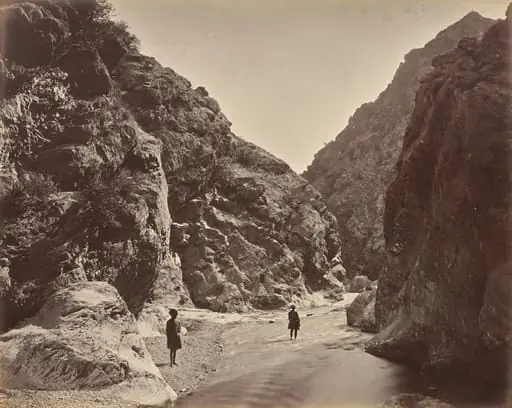
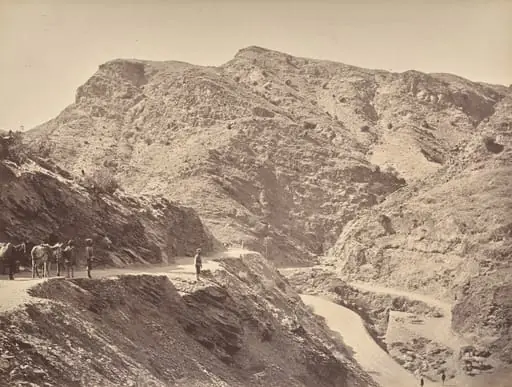
Pass Near Ali Musjid, Showing Tortang
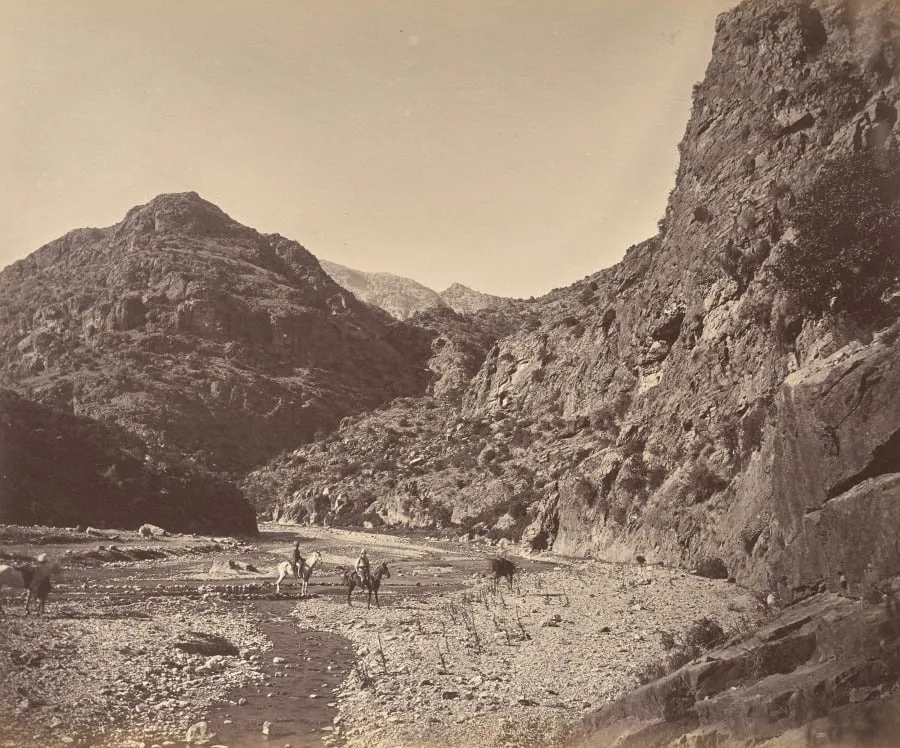
Pass Near Ali Musjid, Showing Tortang is a photography by the Impressionist artist John Burke. It dates from 1879 and is held in the collection of the Cleveland Museum of Art.
About this work
Early cameras couldn’t catch fast action, so photographers like Burke documented the places where battles happened instead.
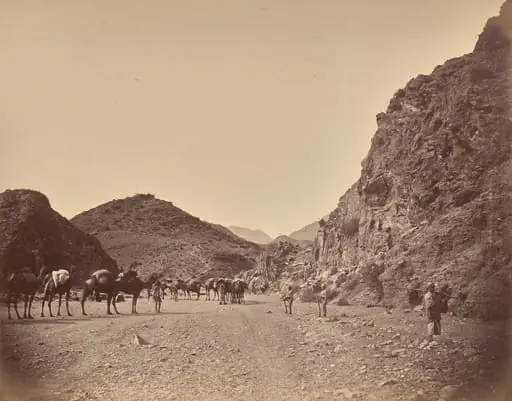
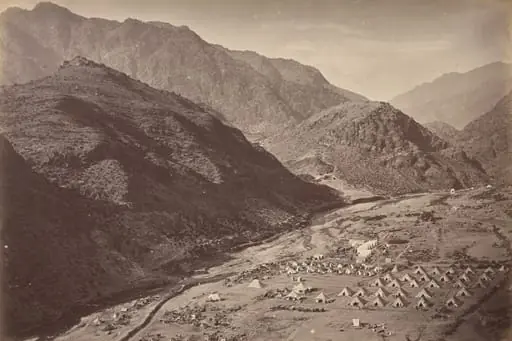
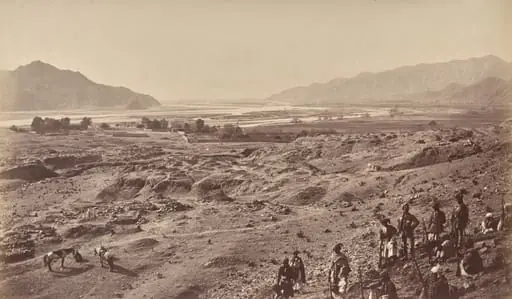
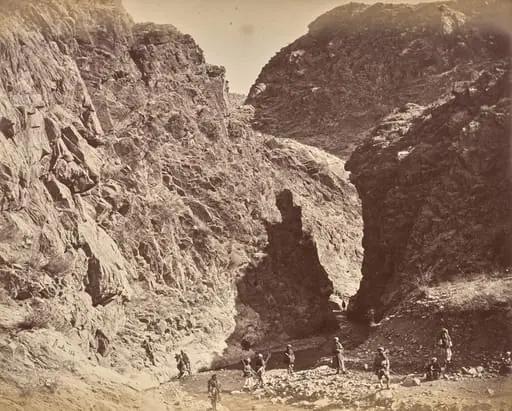
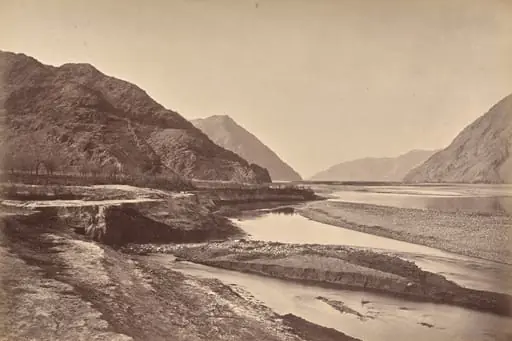
You see a dry, rocky valley with a winding road and a few soldiers standing near low stone walls.
This photo was taken during the Second Anglo-Afghan War, but it doesn’t show fighting. Early cameras couldn’t catch fast action, so photographers like Burke documented the places where battles happened instead. The quiet scene makes the war feel strangely still.
Look up more of John Burke (Irish, 1845–1915) to see how he shaped early war photography.
Overview
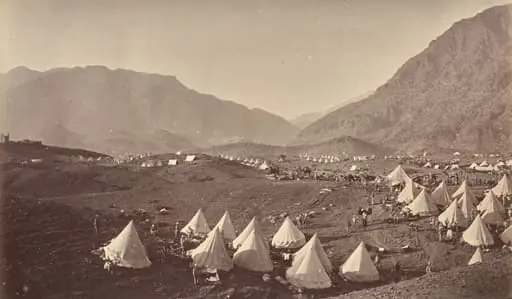
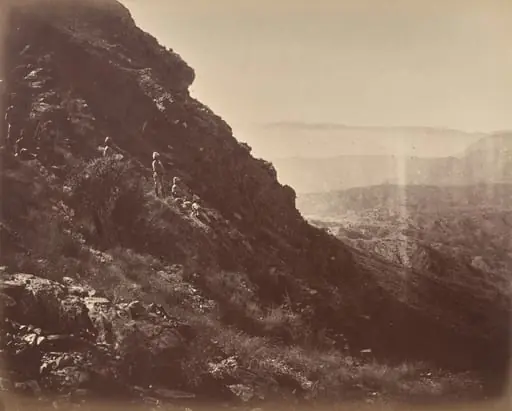
Pass Near Ali Musjid, Showing Tortang is a photograph taken by John Burke during the Second Anglo-Afghan War (1878-1880). The image captures a serene, rocky valley landscape with a winding road, low stone walls, and a few soldiers present.
Subject & Meaning
The photograph indirectly references a site of military significance during the conflict, characteristic of early war photography's focus on documenting locales rather than capturing battles in action due to technological limitations.
Technique & Style
Given the era's photographic technology, the image likely employs wet collodion process, common for the time, allowing for detailed, static compositions like this landscape, but incapable of recording dynamic action.
History & Provenance
John Burke, an Irish photographer (1845-1915), was a pioneer in documenting the Second Anglo-Afghan War, producing extensive photographs of the conflict's settings, infrastructure, and personnel.
Context
The quiet, non-confrontational nature of the image contrasts with the war's violence, reflecting the constraints and choices of early conflict photography in conveying the presence of war through absence of action.
Artist & collection