Artwork
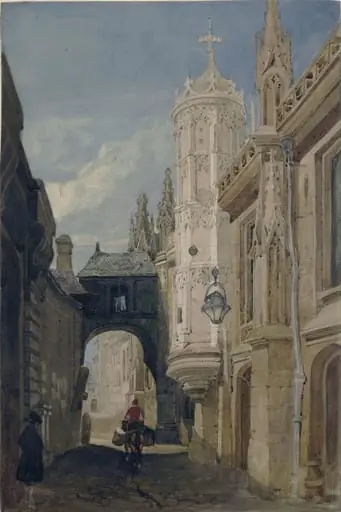
Entrance to Queen's College, Oxford
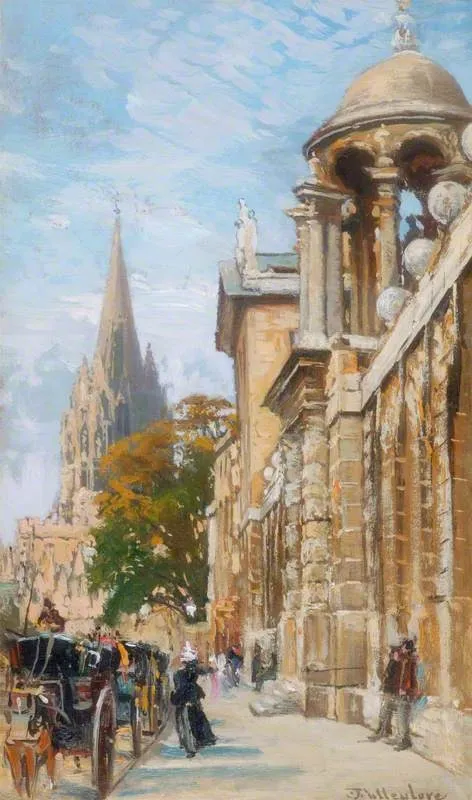
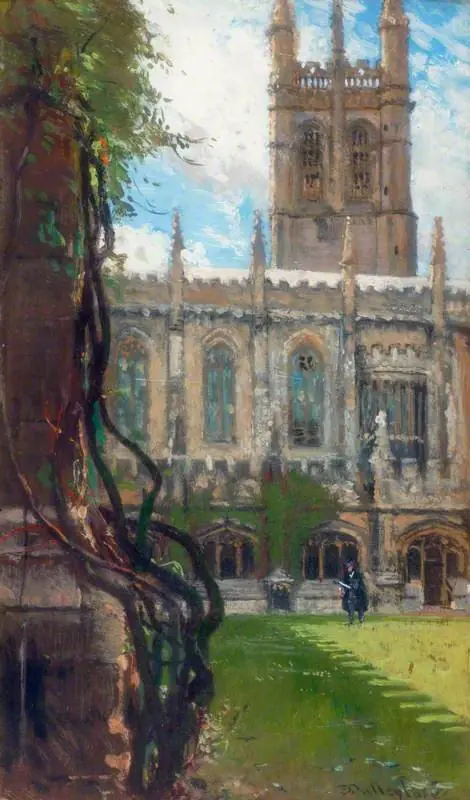
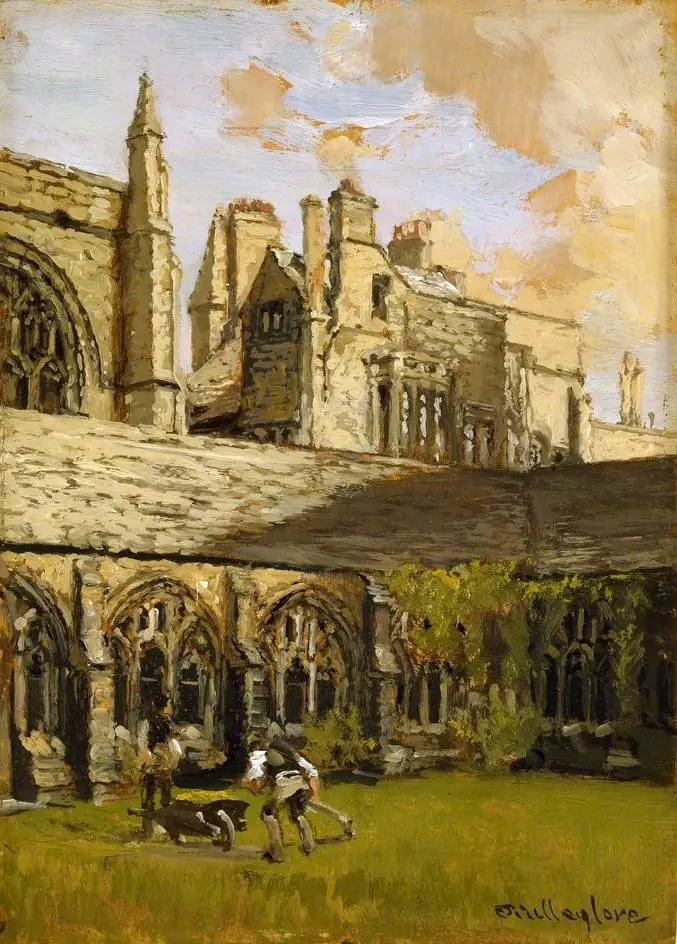
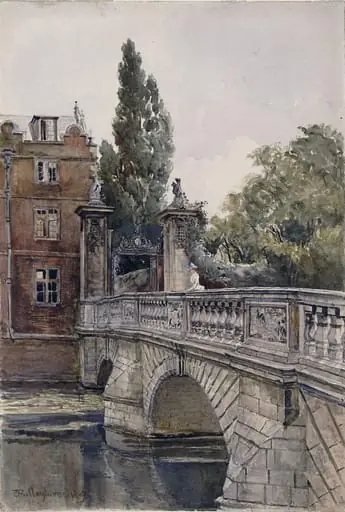
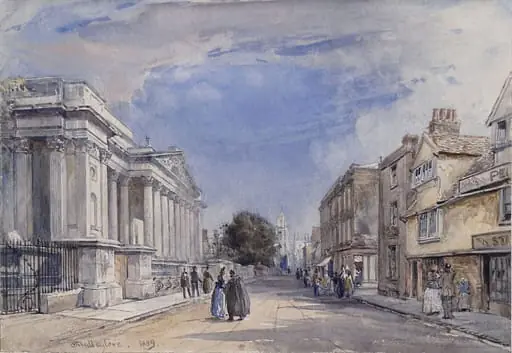
Entrance to Queen's College, Oxford is an oil painting by the Impressionist artist John Fulleylove. It dates from 1900 and is held in the collection of the Victoria and Albert Museum.
About this work
Overview
The painting resides in the Victoria and Albert Museum’s collection, acquired as part of its broader documentation of British life and design.
Painted in 1900 by John Fulleylove, this oil on canvas depicts the entrance to Queen's College, Oxford. The work captures a tranquil urban moment, framed by the college’s Gothic Revival architecture. Its quiet atmosphere and precise rendering of everyday life reflect late Victorian interest in architectural detail and pedestrian rhythm. The painting resides in the Victoria and Albert Museum’s collection, acquired as part of its broader documentation of British life and design.
Subject & Meaning
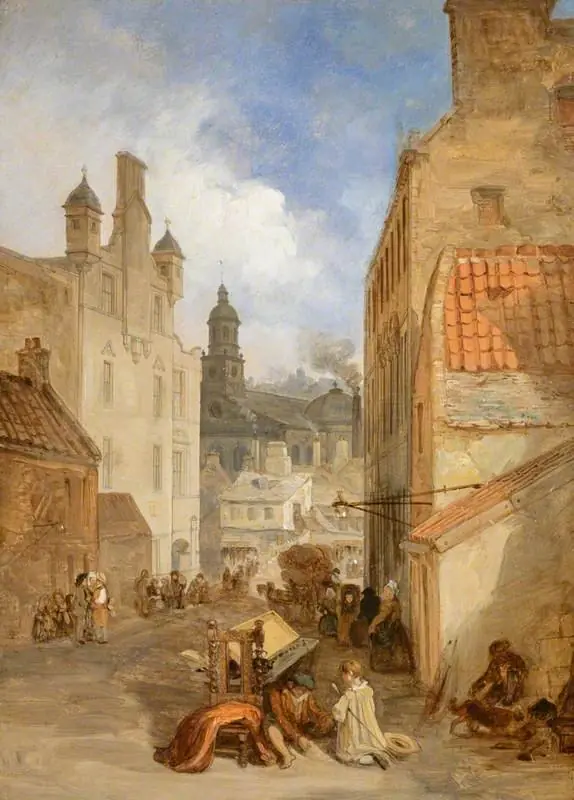
The scene presents a modest, unidealized view of Oxford’s academic quarter: a stone gateway, a passing horse-drawn carriage, and a few pedestrians. There is no grand ceremony or historical event—only the ordinary flow of daily life around a scholarly institution. The composition suggests continuity and quiet dignity, emphasizing the college’s integration into the city’s fabric rather than its isolation as a monument.
Technique & Style
Fulleylove employs a restrained palette of earth tones—ochres, browns, and soft beiges—to unify the stone surfaces and cobblestones. Chiaroscuro is used subtly to model architectural forms and suggest late afternoon light. The carriage’s wheels and harness are rendered with careful attention to texture and reflection, while the brushwork remains controlled, avoiding theatricality in favor of observational clarity.
History & Provenance
Created in 1900, the painting entered the Victoria and Albert Museum’s collection shortly after its completion. It was likely acquired as part of the museum’s initiative to document British artistic responses to architecture and urban life in the late 19th and early 20th centuries. No significant changes in ownership are recorded, and it has remained in public care since acquisition.
Context
Fulleylove worked during a period when British artists increasingly turned to topographical realism, influenced by the Arts and Crafts movement’s reverence for craftsmanship and place. His depiction of Oxford aligns with broader cultural efforts to preserve and record historic buildings amid industrial change. The painting reflects neither romantic nostalgia nor social critique, but a measured observation of enduring structures in everyday use.
Legacy
The painting contributes to a body of work documenting Oxford’s architectural heritage through the lens of ordinary experience. While not widely exhibited, it remains a representative example of early 20th-century British topographical painting. Its value lies in its quiet precision and its role as a visual record of a specific moment in the life of a historic institution.
Artist & collection