Artwork
El Sakhra Jerusalem
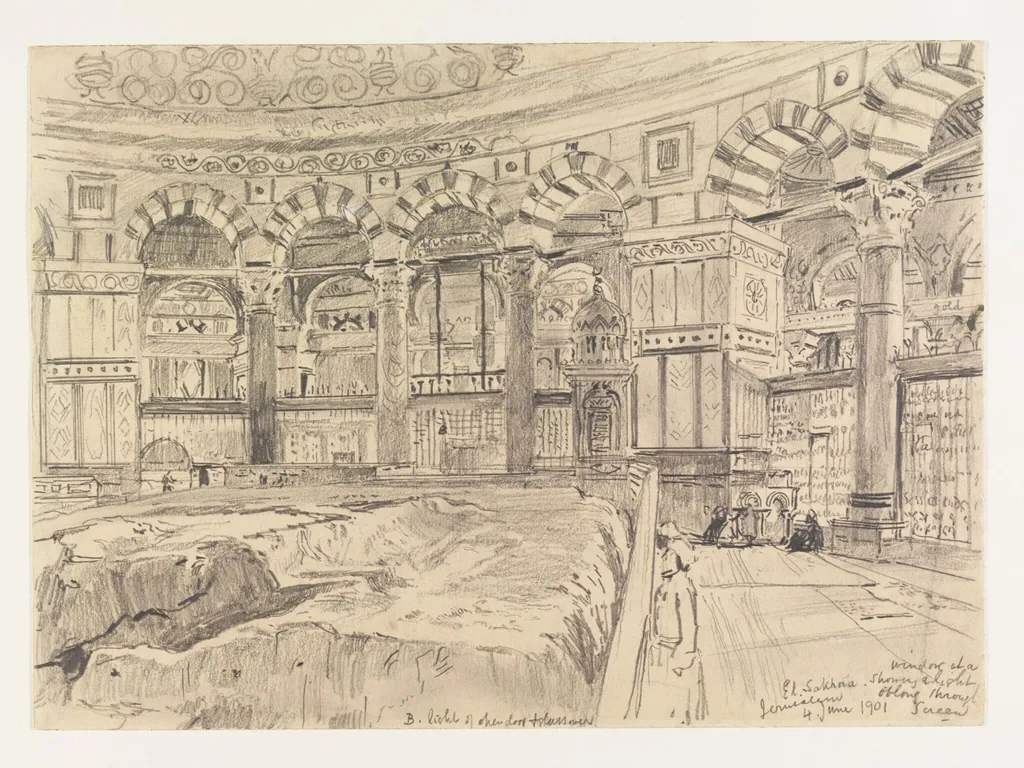
El Sakhra Jerusalem is a drawing by John Fulleylove. It dates from 1901 and is held in the collection of the Victoria and Albert Museum.
About this work
The artist used quick, sketchy lines to capture the architecture, leaving some areas unfinished.
This sketch shows the inside of a grand, empty room with tall columns and arched doorways. The walls are covered in detailed patterns, and the floor has a few scattered rocks. Light streams in from the top left, casting shadows across the space.
The artist used quick, sketchy lines to capture the architecture, leaving some areas unfinished. The notes in the corners suggest this was drawn on-site in 1901.
Next, check out cross-hatching to see how artists build texture with lines.
Overview
Created in 1901, this pencil drawing by John Fulleylove captures the interior of the Dome of the Rock in Jerusalem, focusing on the sacred Foundation Stone. It functioned as a preparatory study for a larger watercolor completed the following year. The work belongs to a body of sketches Fulleylove made during his travels in the Holy Land, later compiled for publication. Its spontaneous execution and on-site annotations reflect a direct engagement with the architecture.
Subject & Meaning
The drawing centers on El Sakhra, the Foundation Stone, a site of profound religious significance in Judaism, Islam, and Christianity. Framed by towering columns and intricate wall patterns, the stone occupies a quiet, unadorned space, emphasizing its solemnity. The absence of figures and the play of light suggest a meditative atmosphere, inviting contemplation rather than narrative. The sketch’s focus on structure and light underscores the architectural weight of the sacred site.
Technique & Style
Fulleylove employed loose, rapid pencil strokes to record the interior’s architectural details, favoring immediacy over finish. Cross-hatching defines the ornate tilework and shadowed recesses, while areas of the walls and floor remain deliberately sketchy. Light enters from the upper left, casting diagonal shadows that model the space with minimal shading. The drawing’s unfinished quality reveals the artist’s process, capturing the essence of the space without polished refinement.
History & Provenance
The drawing was made during Fulleylove’s 1901 trip to Jerusalem, part of research for his illustrated book *The Holy Land Painted by John Fulleylove*. It preceded the 1902 watercolor exhibition of the same subject. In 1967, it entered the collection of Rodney Searight, acquired from the dealer Schidlof. Its journey from on-site sketch to private collection reflects its role as both artistic documentation and a personal record of travel.
Context
Fulleylove’s work emerged during a period of heightened European interest in the Holy Land, fueled by travel literature and religious pilgrimage. His sketches were not topographical records but interpretive responses to sacred architecture. Unlike photographic documentation of the era, his drawings emphasized atmosphere and spatial experience, aligning with Victorian artistic traditions that valued personal observation over mechanical reproduction.
Legacy
This drawing survives as a quiet testament to Fulleylove’s method: direct, observational, and restrained. It contributes to a broader archive of 19th-century Western artists engaging with Eastern sacred sites, offering a counterpoint to more sensationalized depictions. Its preservation in private hands underscores its status as a working document rather than a public artifact, preserving the intimacy of the artist’s encounter with the site.
Artist & collection

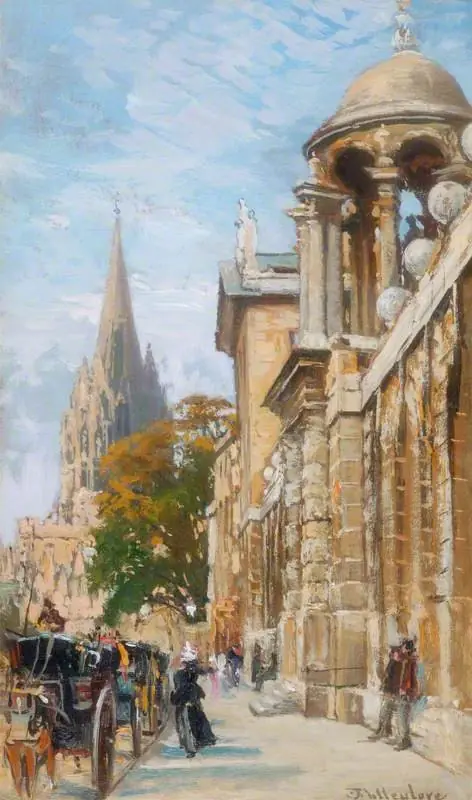 Entrance to Queen's College, Oxford
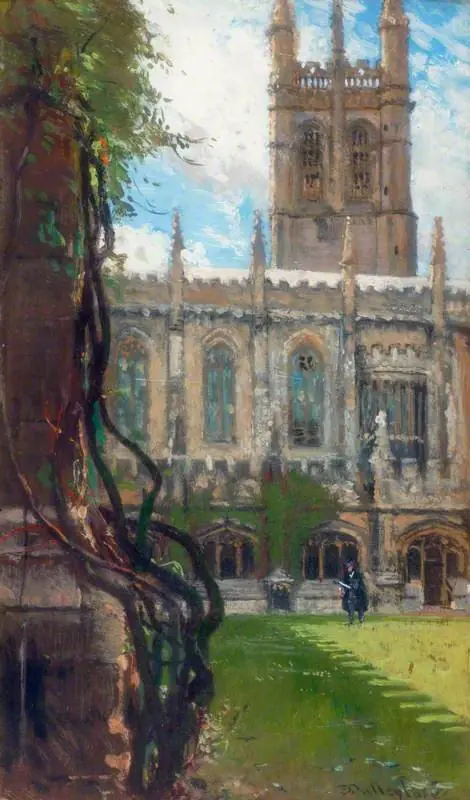 Magdalen College, Oxford, from the Cloisters
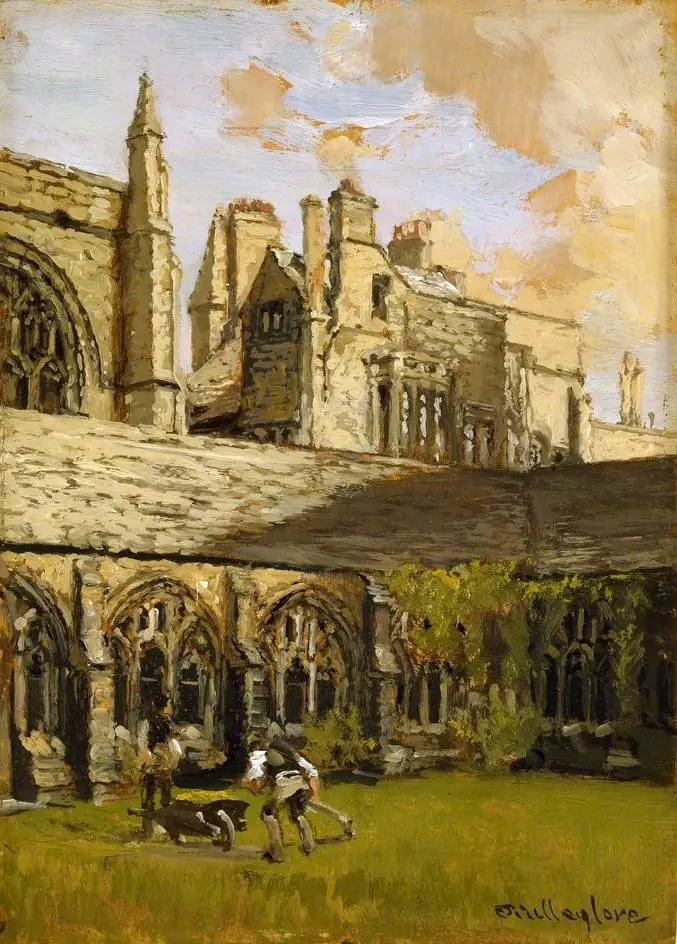 Cloisters at New College, Oxford
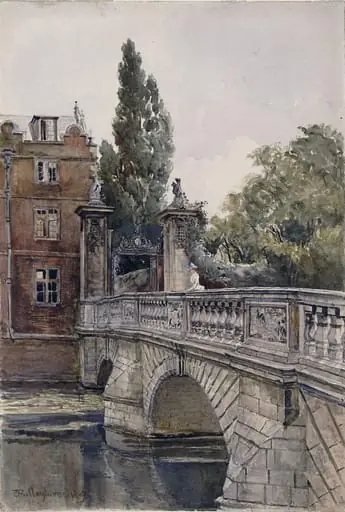 St John's Bridge, Cambridge
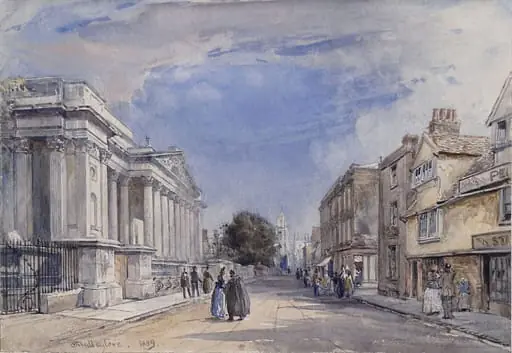 The Fitzwilliam Museum, Cambridge
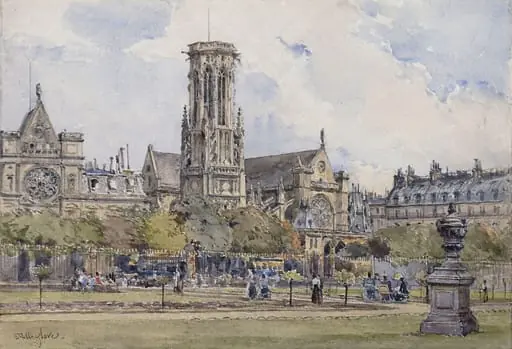 Watercolour, St Germain l'Auxerrois, Paris
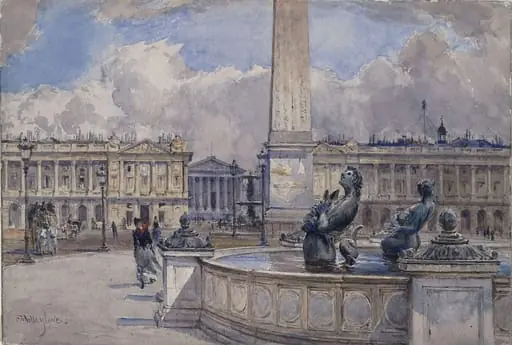 Place de la Concorde, looking towards the Madeleine
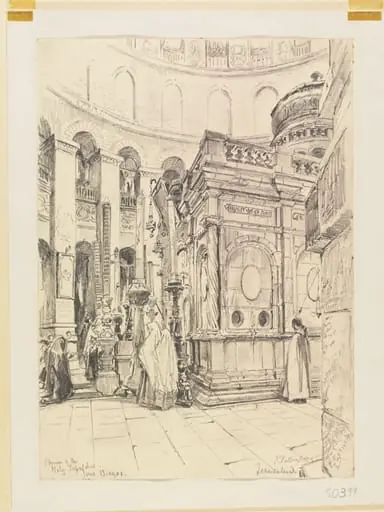 Shrine of the Holy Sepulchre, Jerusalem
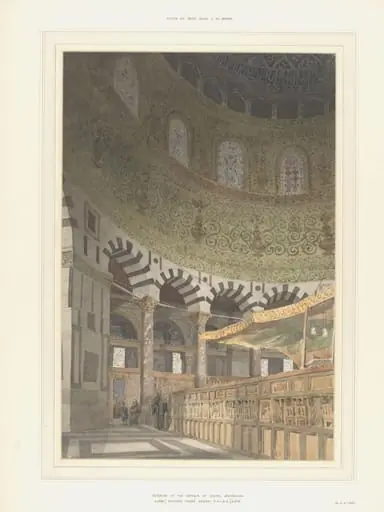 The Mosque of Omar
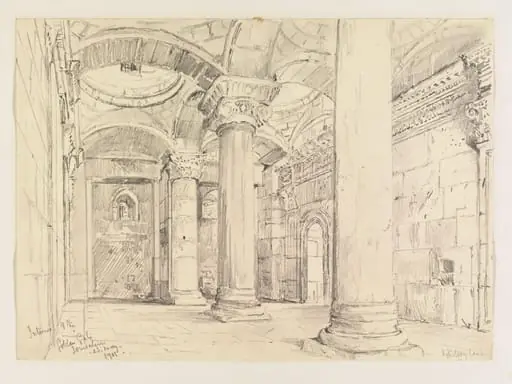 Interior of the Golden Gate Jerusalem
![Interior of the Mosque of Aya Sofya, Istanbul [Interior of Hagia Sophia, Constantinople], by John Frederick Lewis](https://artifactworldgallery.com/img/john-frederick-lewis--interior-of-the-mosque-of-aya-sofya-istanbul-interior-of-hag--f81f7cc6554fed68-w320.webp) Interior of the Mosque of Aya Sofya, Istanbul [Interior of Hagia Sophia, Constantinople]
Interior of the Mosque of Aya Sofya, Istanbul [Interior of Hagia Sophia, Constantinople]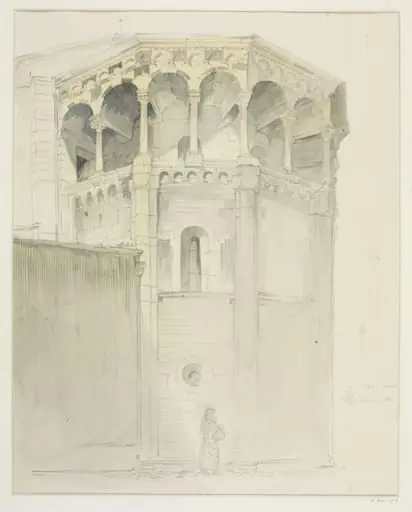 Architectural drawing
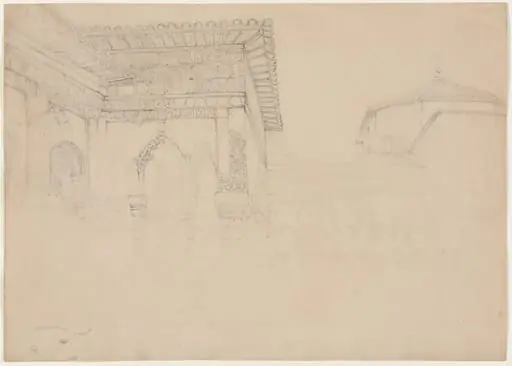 The Court of the Lions, Alhambra
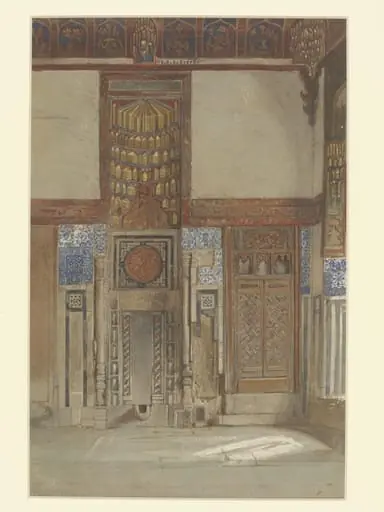 An Interior (the Eastern End) in the House of the Mufti Sheikh El Mahadi
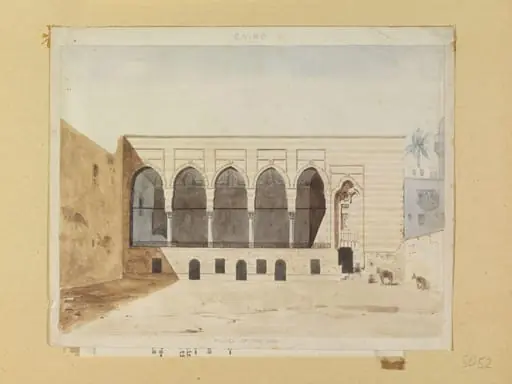 Cairo: Palace of the Cadi
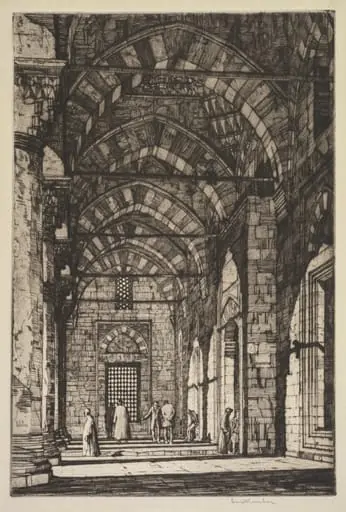 Mosque of Sultan Bayazid, Constantinople
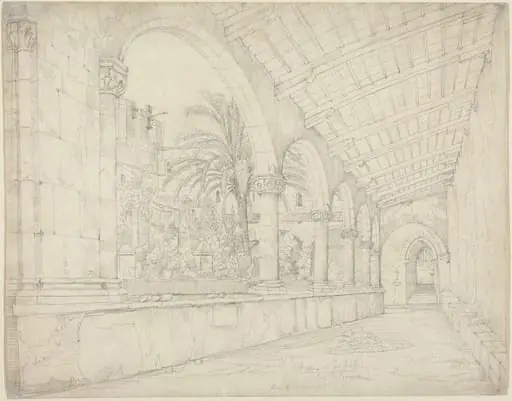 The Cloister of Santa Maria di Gesù at Palermo
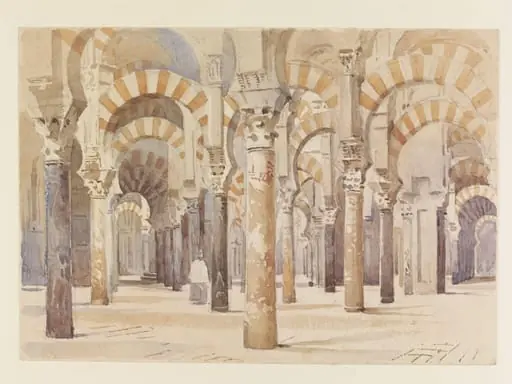 Interior of the Mosque-Cathedral, Cordoba
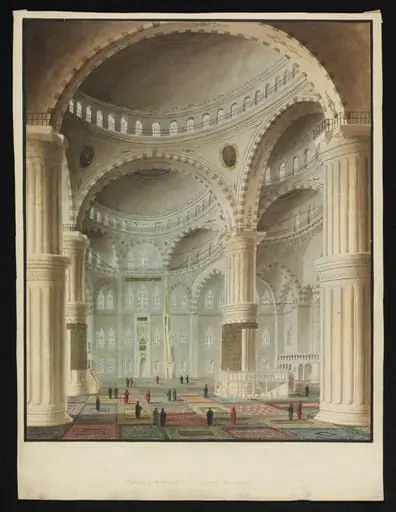 Interior of Sultan Achmet's Mosque. Stamboul'