Artwork
Madame Sisley on the banks of the Loing at Moret
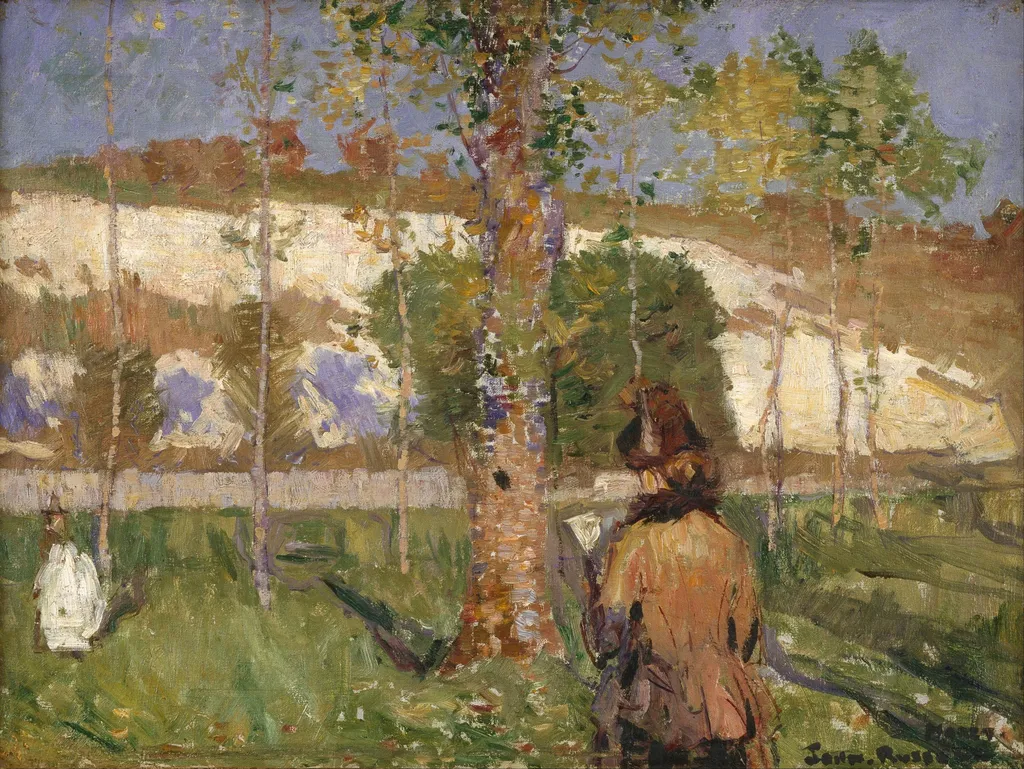
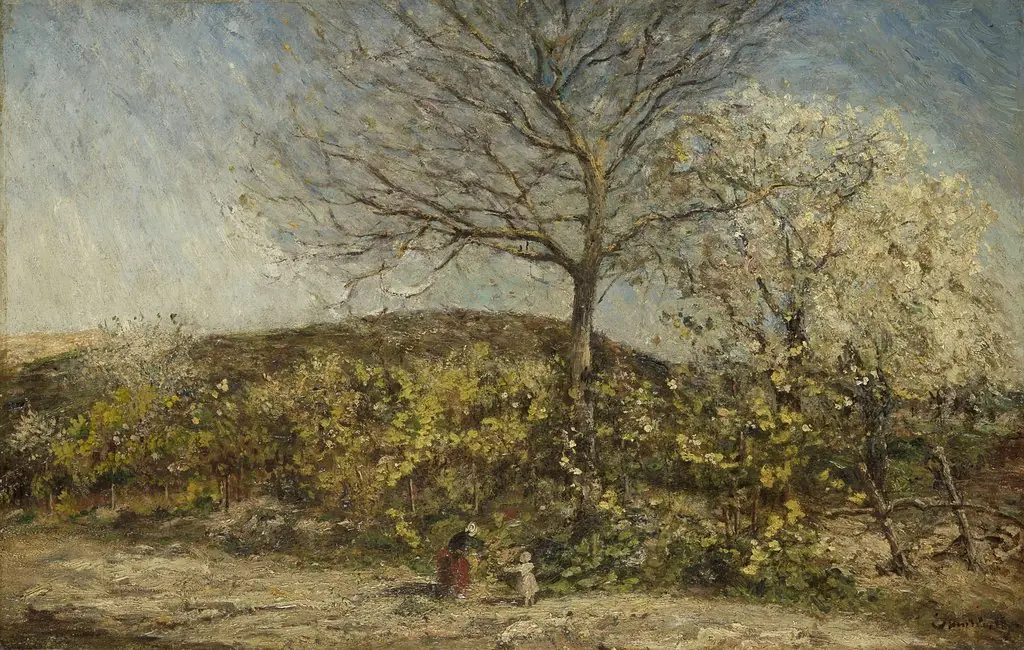
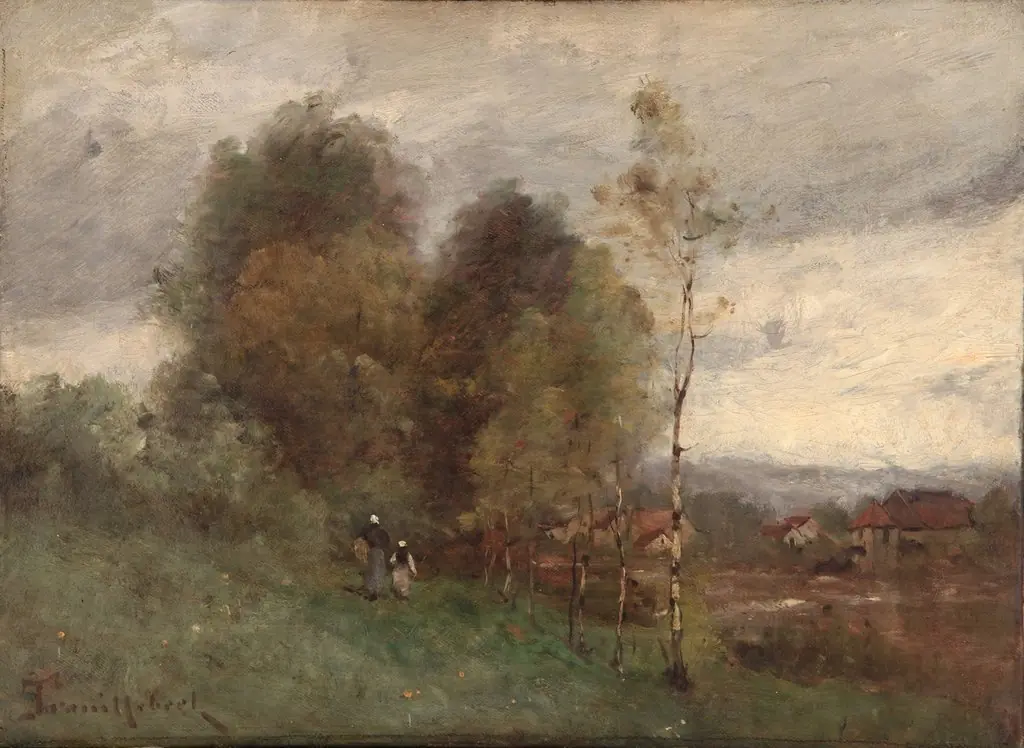
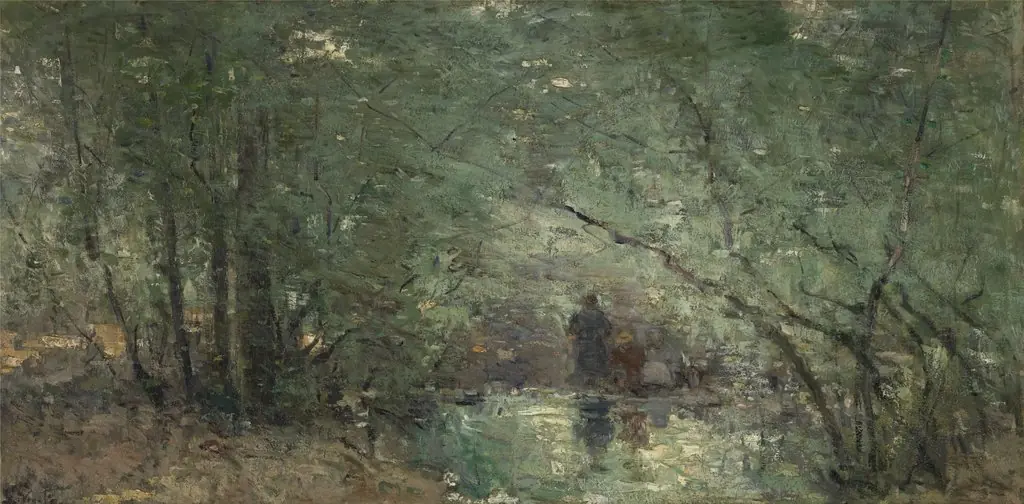
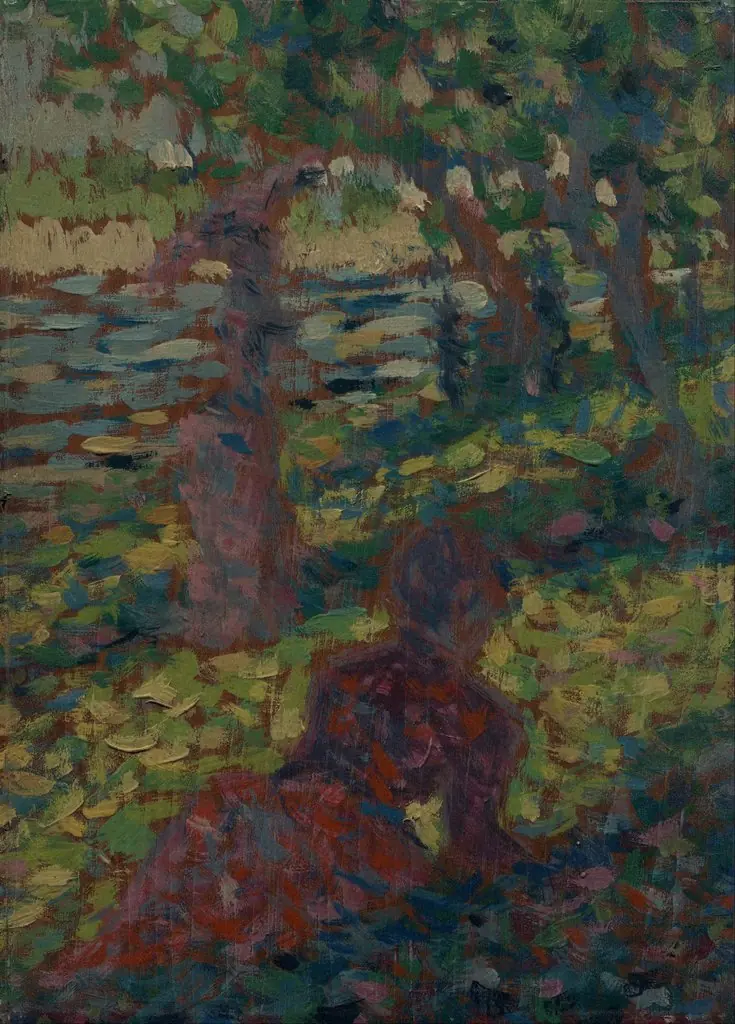
Madame Sisley on the banks of the Loing at Moret is an oil painting by the Impressionist artist John Peter Russell. It dates from 1894 and is held in the collection of the Art Gallery of New South Wales.
About this work
Overview
The work reflects his commitment to plein air painting and his sensitivity to natural light, capturing a quiet moment in the French countryside.
Painted in 1894 by Australian-born artist John Peter Russell, this oil on canvas depicts his wife, Marianna Russell, beside the Loing River near Moret-sur-Loing. Russell, who spent much of his career in France, was closely linked to the Impressionist circle, particularly through his time with Monet. The work reflects his commitment to plein air painting and his sensitivity to natural light, capturing a quiet moment in the French countryside.
Subject & Meaning
The figure of Marianna Russell stands alone on the riverbank, dressed in dark clothing that contrasts with the soft tones of the landscape. Her posture is still, her gaze directed outward, suggesting introspection rather than narrative. The absence of overt action shifts focus to atmosphere and presence, aligning the figure with the natural environment. The scene evokes solitude and quiet communion with place, typical of Russell’s intimate approach to portraiture within landscape.
Technique & Style
Russell employs loose, visible brushwork to render the river, trees, and distant buildings, characteristic of Impressionist practice. The palette is restrained—dominated by muted greens, browns, and blues—with subtle shifts in tone creating depth. Light is handled with sensitivity, casting soft shadows that define form without harsh contrast. The brushstrokes convey movement in the water and foliage, while the figure remains a stable, grounded element within the flowing composition.
History & Provenance
Created during Russell’s years in Moret-sur-Loing, where he lived alongside other artists drawn to the region’s light and scenery, the painting remained in his personal collection until his death. It was later acquired by the Art Gallery of New South Wales, where it has been held since the mid-20th century. Its journey from private domestic space to public institution reflects broader recognition of Russell’s role in the international Impressionist movement.
Context
Moret-sur-Loing was a favored retreat for artists in the late 19th century, offering tranquil riverscapes and changing light conditions ideal for Impressionist study. Russell’s presence there placed him among peers like Alfred Sisley, whose wife is sometimes mistakenly referenced in the title. The painting reflects a broader trend of artists seeking rural subjects away from urban centers, emphasizing personal observation over academic convention.
Legacy
Though less widely known than his contemporaries, Russell’s work contributes to the understanding of Impressionism beyond France’s major cities. This painting exemplifies his ability to merge portraiture with landscape, using subtle color and light to convey mood. Its inclusion in a major Australian collection underscores the transnational nature of artistic exchange in the late 19th century and the enduring value of quiet, observational art.
Own this work as a print
Artist & collection
Artist
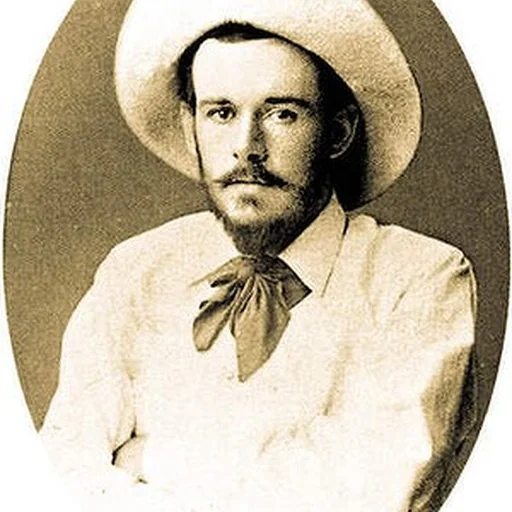
John Peter Russell (16 June 1858 – 30 April 1930) was an Australian impressionist painter.