Artwork
The Virgin Dolorosa
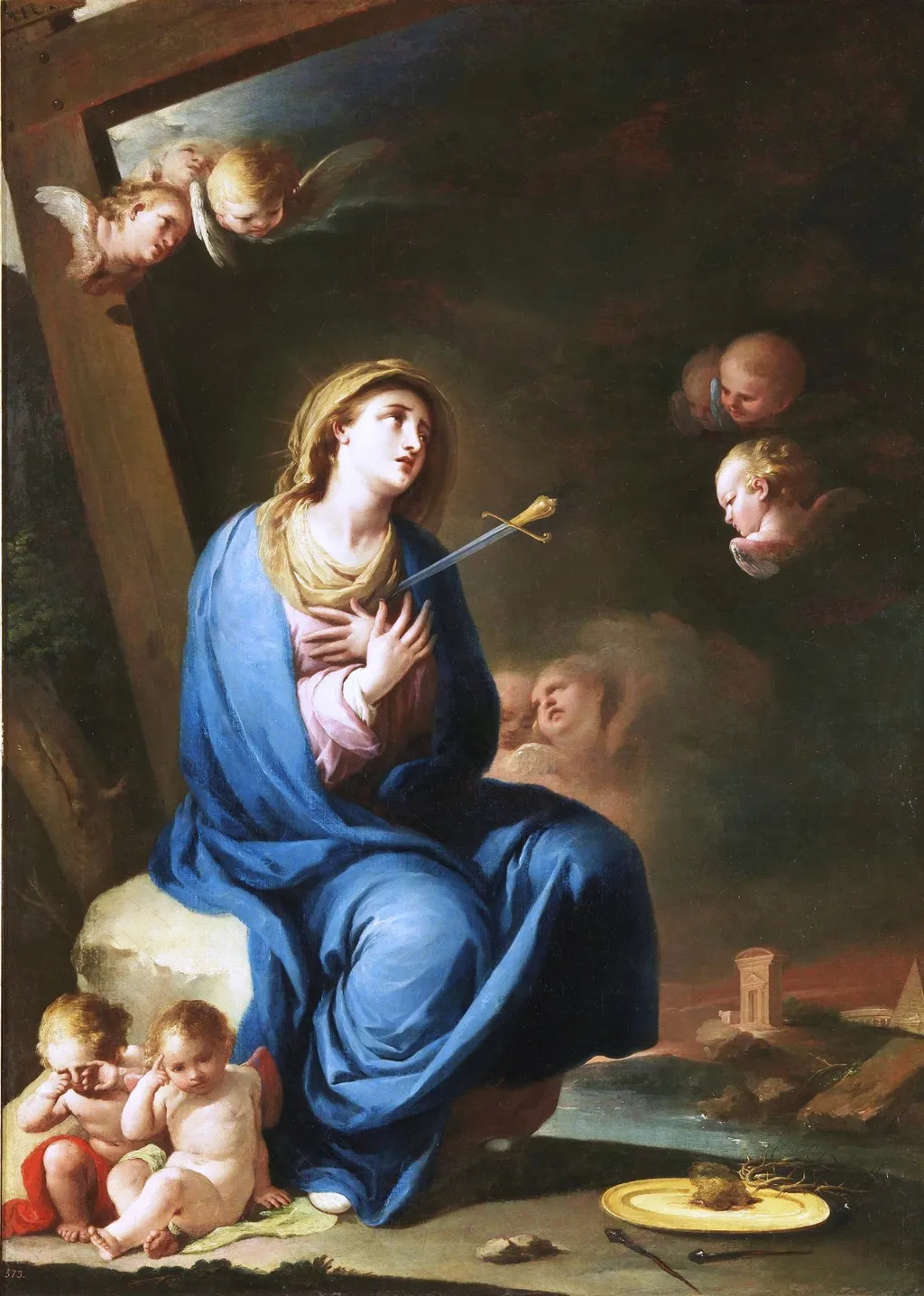
The Virgin Dolorosa is an oil painting by the Rococo painting artist José Camarón y Bonanat. It dates from 1793 and is held in the collection of the Museo del Prado.
About this work
Overview
Painted in 1793 by José Camarón y Bonanat, *The Virgin Dolorosa* is an oil-on-canvas work depicting the Virgin Mary in a moment of quiet grief.
Painted in 1793 by José Camarón y Bonanat, *The Virgin Dolorosa* is an oil-on-canvas work depicting the Virgin Mary in a moment of quiet grief. Camarón, trained as a draftsman and engraver, applied his technical precision to this devotional image. The painting resides in the Museo del Prado in Madrid, where it reflects late 18th-century Spanish religious art, blending emotional restraint with refined composition.
Subject & Meaning
The Virgin is portrayed as the Sorrowful Mother, kneeling before a spear—the instrument of Christ’s crucifixion—symbolizing her spiritual anguish. Three cherubs surround her, their presence underscoring divine compassion. A sleeping figure in the background and a distant temple evoke the abandonment and desolation surrounding Christ’s death. The scene invites contemplation of maternal suffering within the Christian narrative of redemption.
Technique & Style
Camarón employs chiaroscuro to isolate the Virgin’s face and hands in a soft glow, contrasting with the deep shadows enveloping the rest of the composition. This dramatic lighting draws focus to her emotional state. The Rococo influence appears in the delicate rendering of the cherubs and flowing drapery, though the overall tone remains solemn, tempering the style’s typical frivolity with religious gravity.
History & Provenance
José Camarón y Bonanat, born in Segorbe in 1731 and active in Valencia until his death in 1803, produced this work during his mature period. While little is documented about the painting’s early ownership, it entered the Prado’s collection in the 19th century, likely through ecclesiastical or royal acquisitions. Its preservation reflects its recognition as a significant example of Spanish devotional painting from the late Enlightenment era.
Context
In late 18th-century Spain, religious imagery remained central to artistic production, even as Enlightenment ideals gained ground. The Virgin Dolorosa was a widely venerated subject, particularly in regions with strong Marian devotion. Camarón’s treatment aligns with regional traditions that emphasized emotional piety, offering a visual anchor for private meditation amid broader cultural shifts toward secularism.
Legacy
Though not widely exhibited outside Spain, *The Virgin Dolorosa* endures as a representative work of Camarón’s oeuvre and of Spanish religious painting at the turn of the 19th century. Its restrained emotion and controlled use of light distinguish it from more theatrical Baroque interpretations. The painting contributes to scholarly understanding of how devotional themes evolved in a period of transition between tradition and modernity.
Artist & collection
Artist
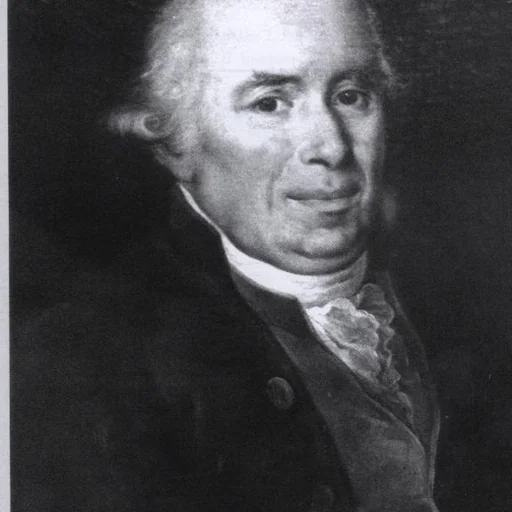
José Camarón Bonanat, or Bononat (18 May 1731, Segorbe - 14 July 1803, Valencia) was a Spanish draftsman, painter and engraver. Most early sources give his maternal family name as Boronat.

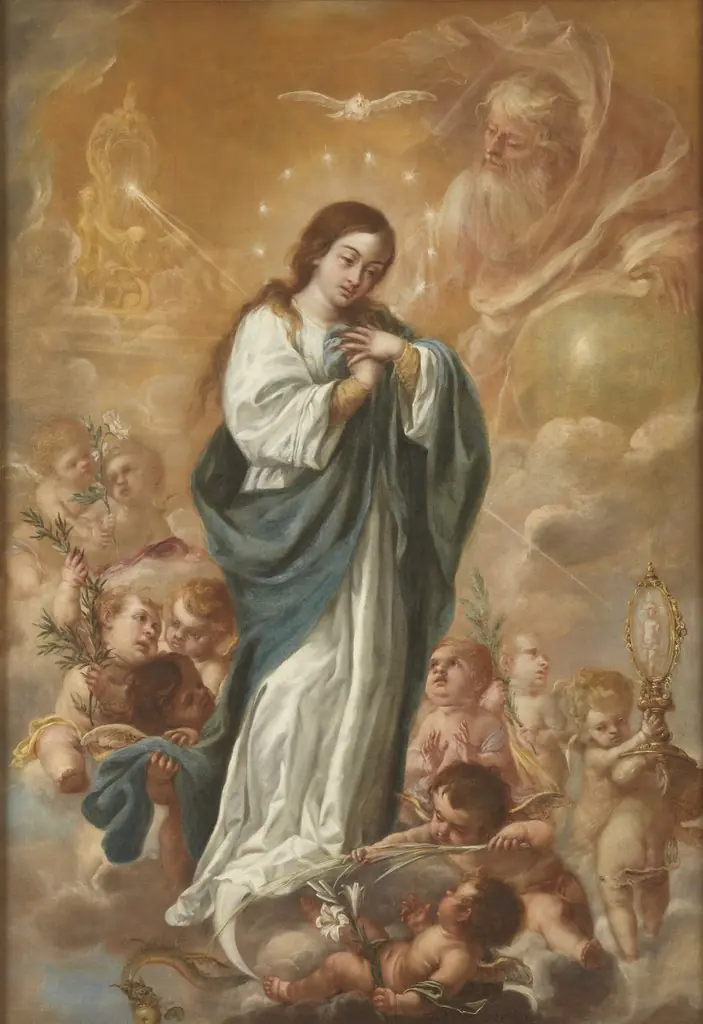 Immaculate Conception
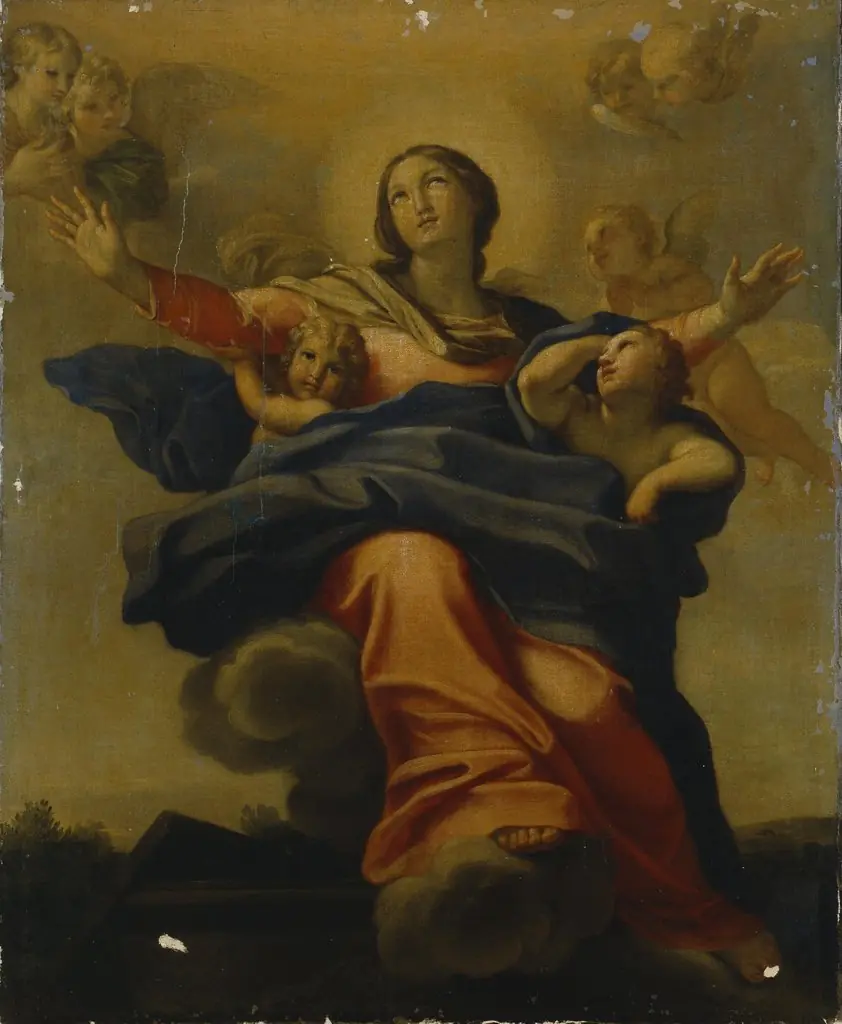 Assumption of the Virgin Mary
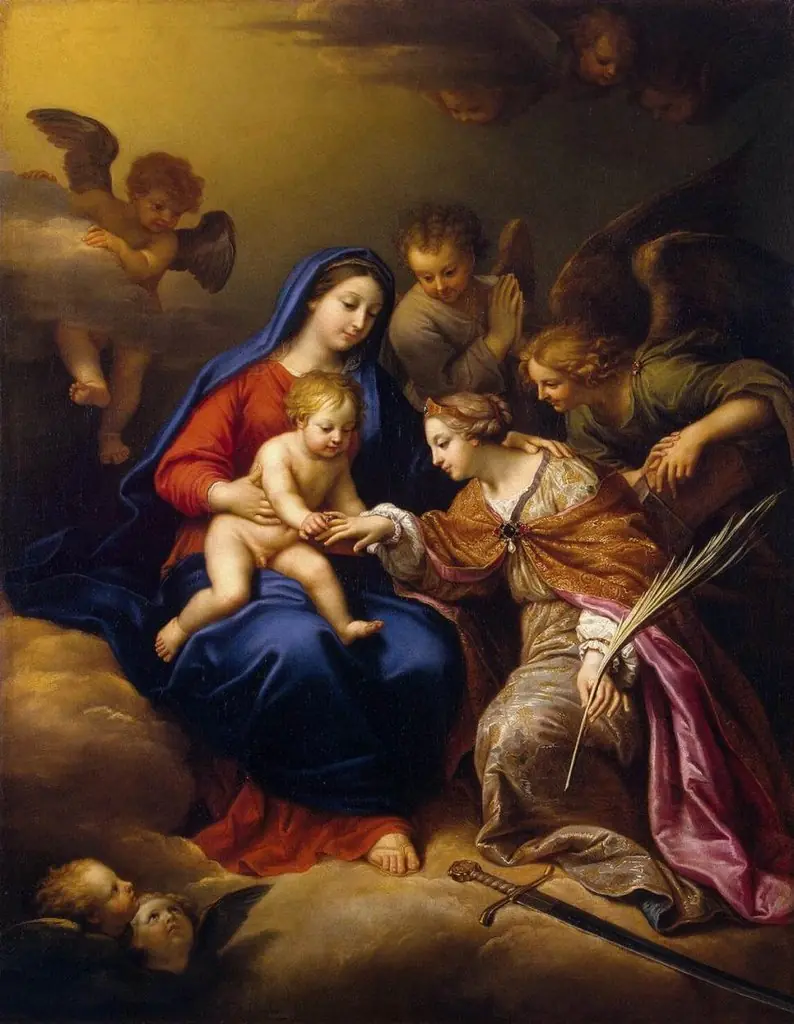 Le Mariage mystique de sainte Catherine (Mystic Marriage of St Catherine)
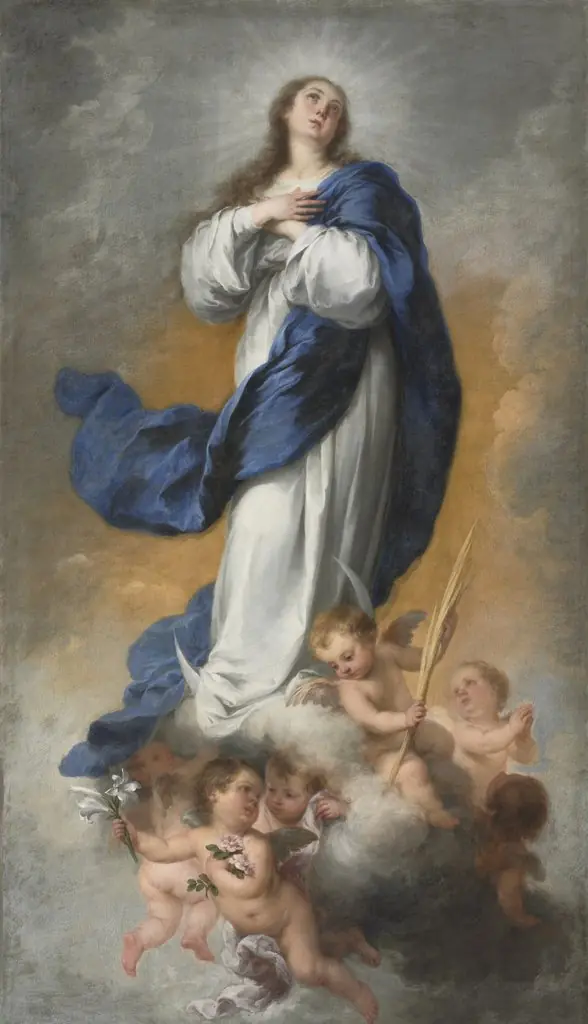 The Immaculate Conception
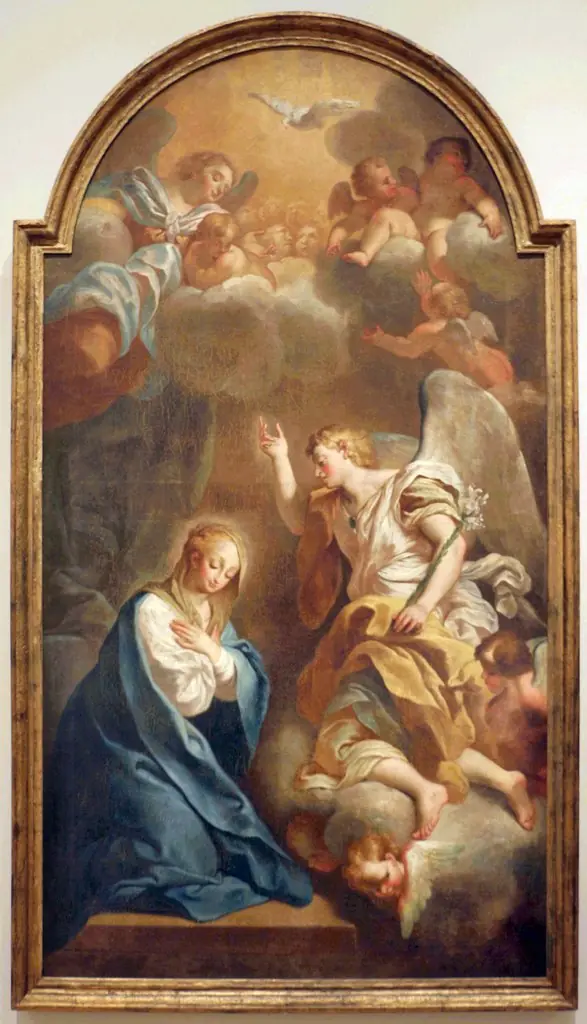 Annunciation
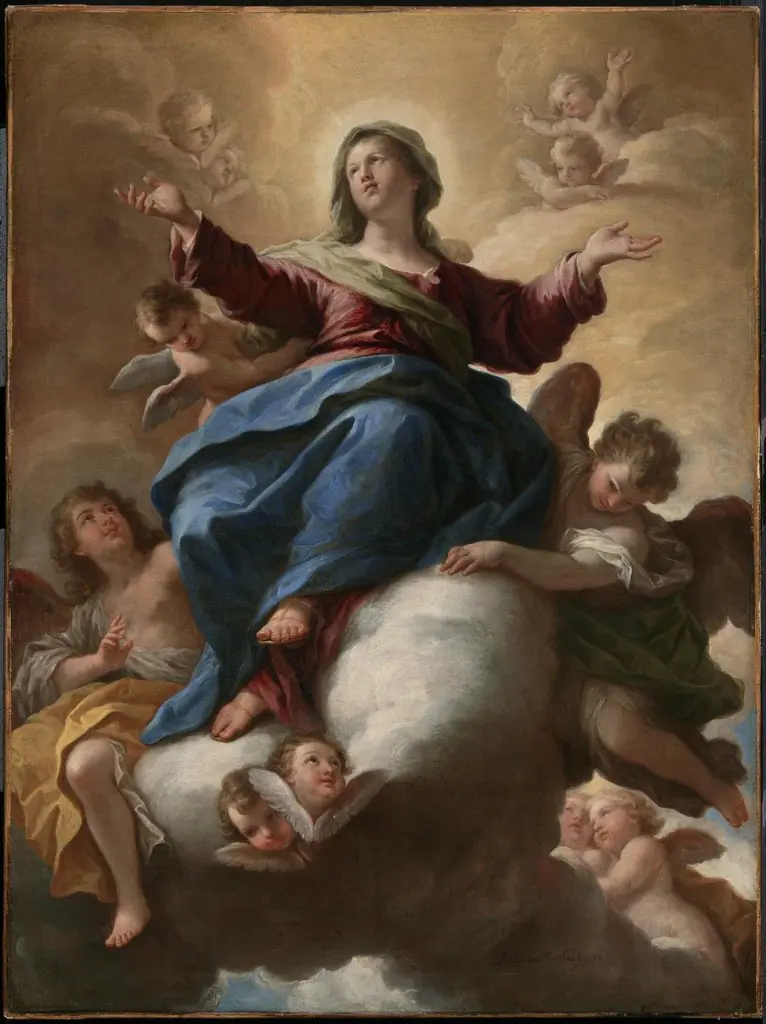 Assumption of the Virgin
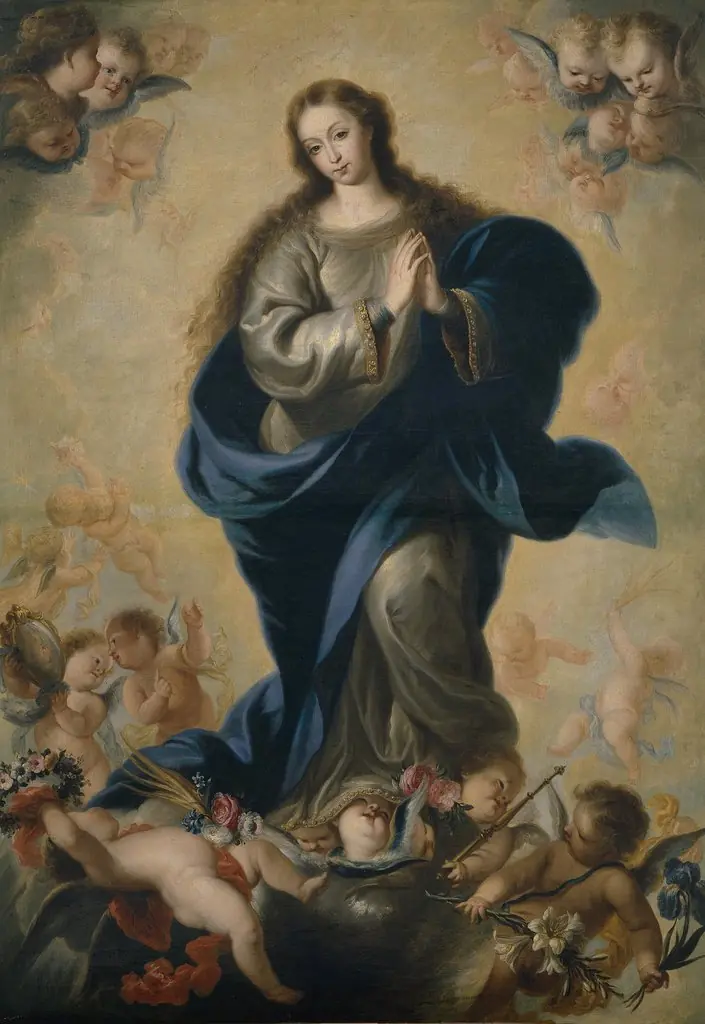 The Immaculate Conception
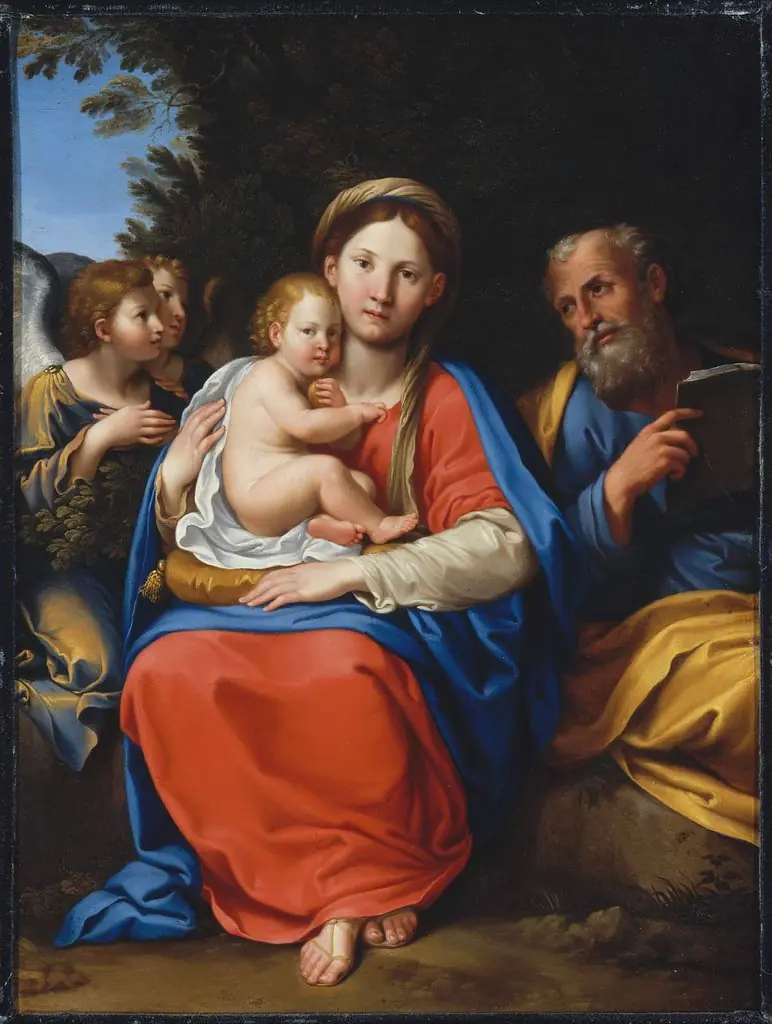 Holy Family with Angels
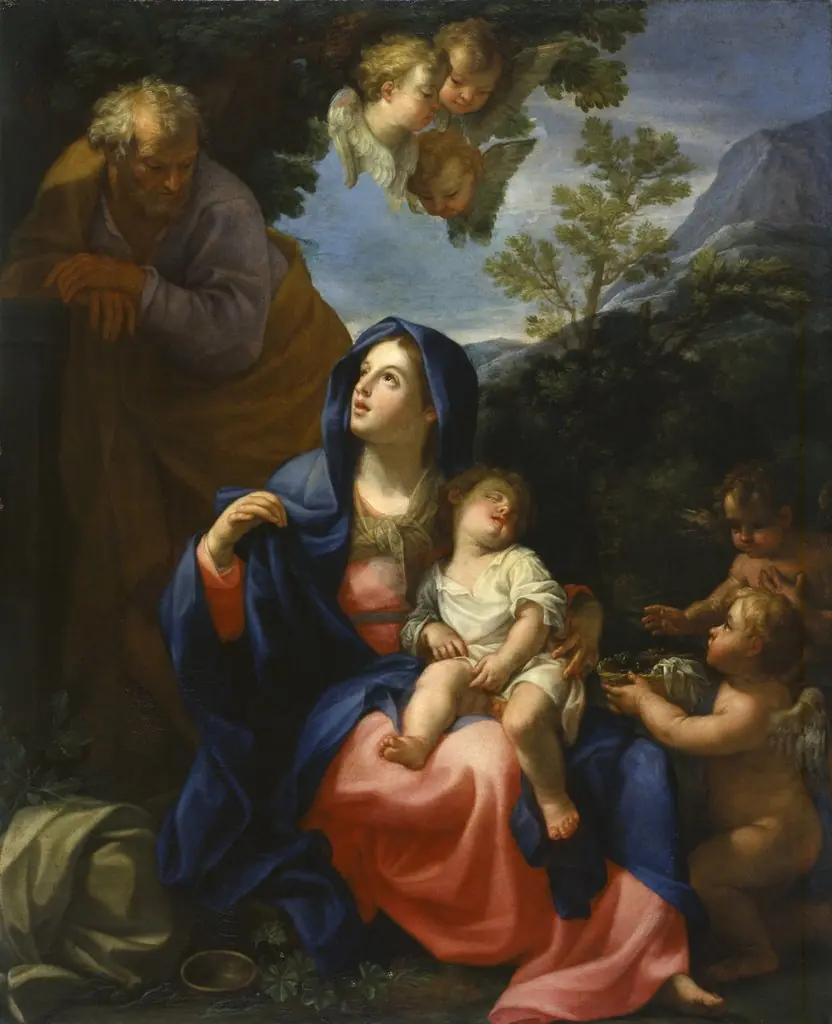 The Rest on The Flight into Egypt
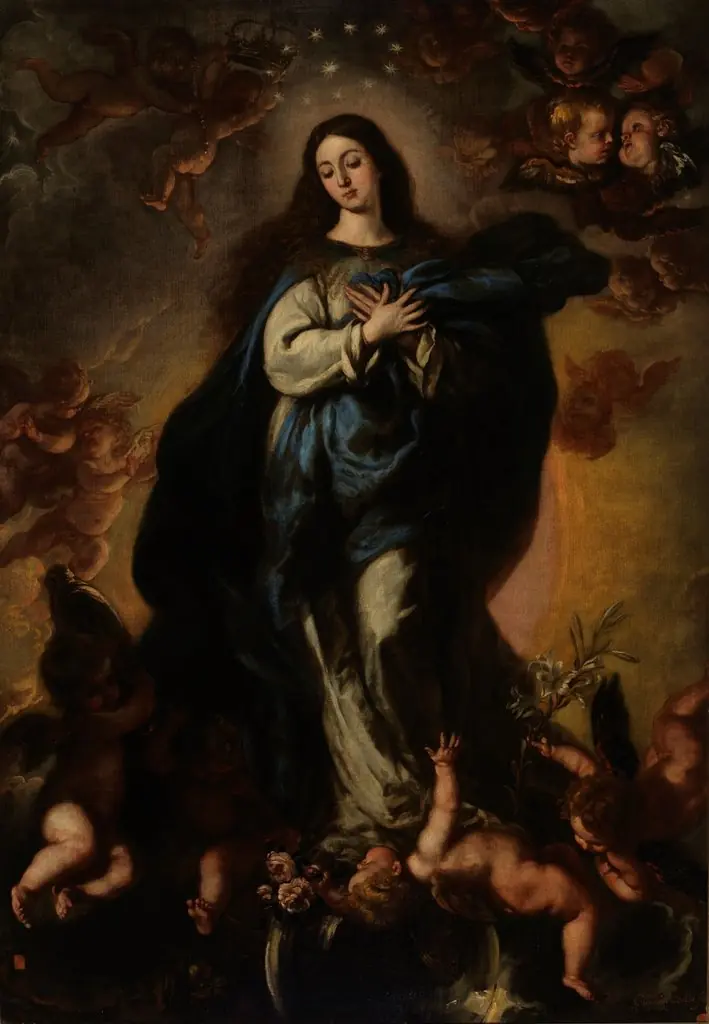 The Immaculate Conception
 L'Immaculée Conception
 The Immaculate Conception