Artwork
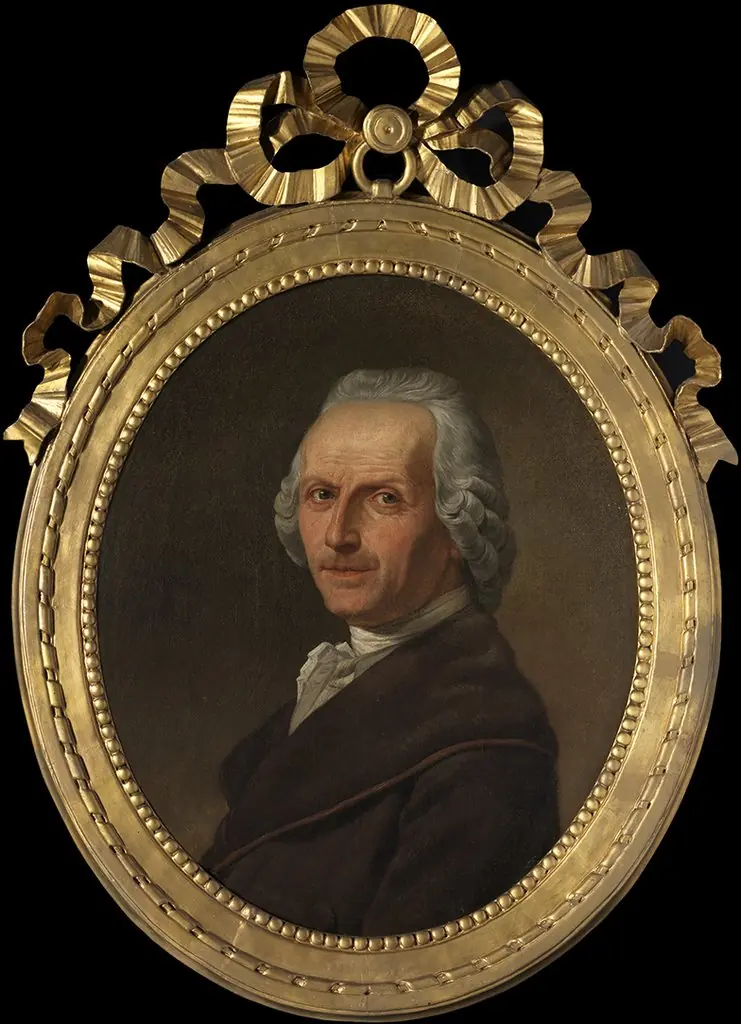
Comte Clément de Ris, sénateur de l'Empire (1750-1827)
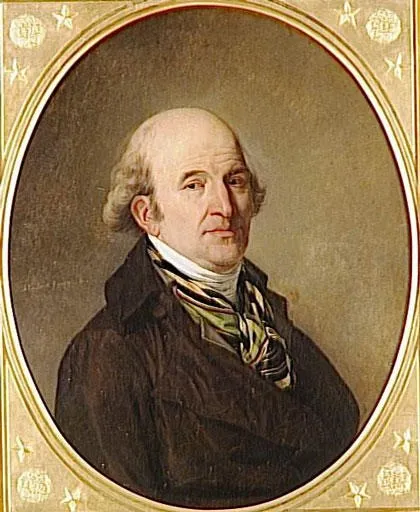
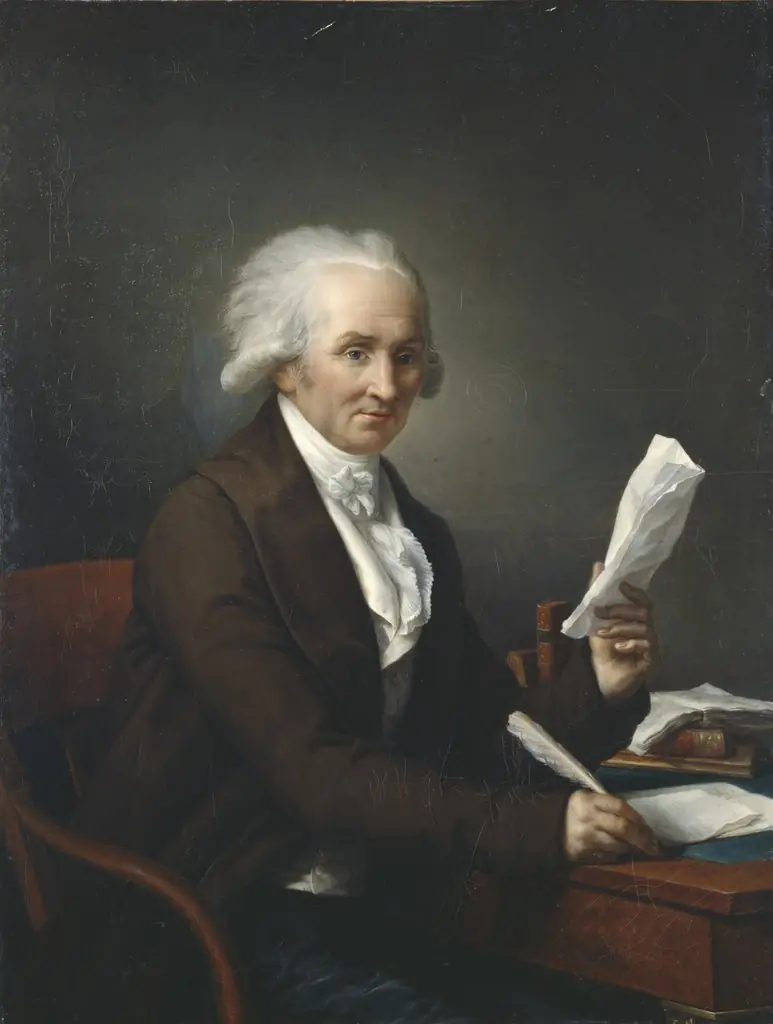
Comte Clément de Ris, sénateur de l'Empire (1750-1827) is an oil painting by the French Romanticist artist Joseph-Benoît Suvée. It dates from 1798 and is held in the collection of the Palace of Versailles. Joseph‑Benoît Suvée’s 1798 oil portrait presents Dominique Clément de Ris, a French senator of the Napoleonic era, in a half‑length format.
About this work
Overview
Joseph‑Benoît Suvée’s 1798 oil portrait presents Dominique Clément de Ris, a French senator of the Napoleonic era, in a half‑length format. The sitter is rendered against a muted, neutral backdrop, allowing the focus to remain on his face and attire. The composition balances a restrained palette with careful modeling, typical of late‑eighteenth‑century French portraiture.
Subject & Meaning
Dominique Clément de Ris (1750‑1827) is depicted in the attire of a senior official, his gaze directed straight at the viewer, suggesting confidence and public duty. The serious expression, softened by a slight warmth in his eyes, conveys both the gravitas of his senatorial role and a personal, approachable demeanor, reflecting the evolving expectations of political portraiture during the Empire.
Technique & Style
Suvée employs a subtle chiaroscuro, using delicate gradations of light and shadow to model the facial features and the folds of the dark jacket and patterned scarf. The brushwork remains smooth, avoiding overt texture, which enhances the sense of three‑dimensionality while maintaining the polished finish associated with French neoclassical training, yet hints at the emerging Romantic interest in individual character.
History & Provenance
The portrait was executed in 1798, shortly after the establishment of the Consulate, and entered the royal collection that later became part of the Palace of Versailles holdings. Its presence in the Versailles museum links the work to the broader narrative of state portraiture that documented the officials of the Napoleonic regime and their subsequent integration into French heritage collections.
Context
Created at a time when French art was transitioning from strict neoclassicism toward Romantic sensibilities, the painting reflects contemporary shifts in how political figures were represented. While retaining the compositional clarity of neoclassical portraiture, Suvée introduces a more intimate psychological presence, aligning with the period’s growing emphasis on personal expression within official imagery.
Artist & collection
Artist
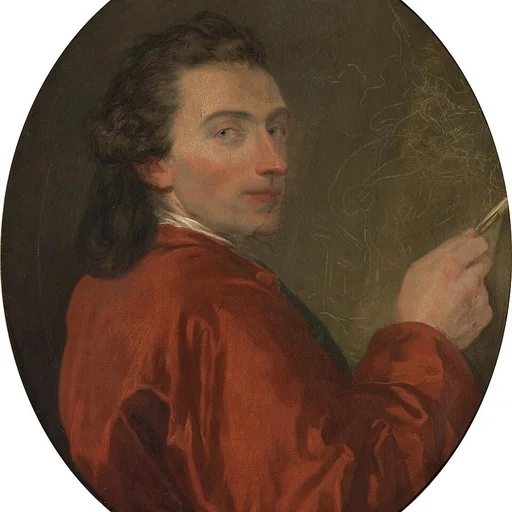
Joseph-Benoît Suvée (3 January 1743 – 9 February 1807) was a Flemish painter strongly influenced by French neo-classicism.

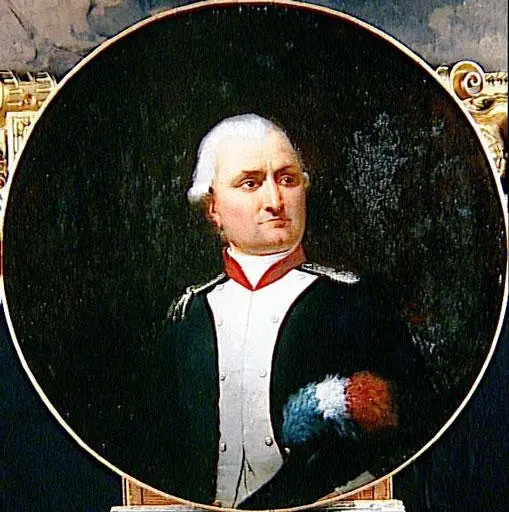 Nicolas Beaurepaire, lieutenant-colonel au 1er bataillon de Maine-et-Loire en 1792 (1740-1792)
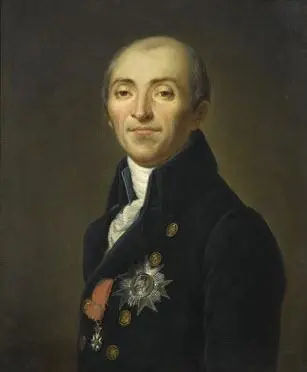 Bernard-Germain-Etienne de la Ville-sur-Illon , comte de Lacépède (1756-1815)
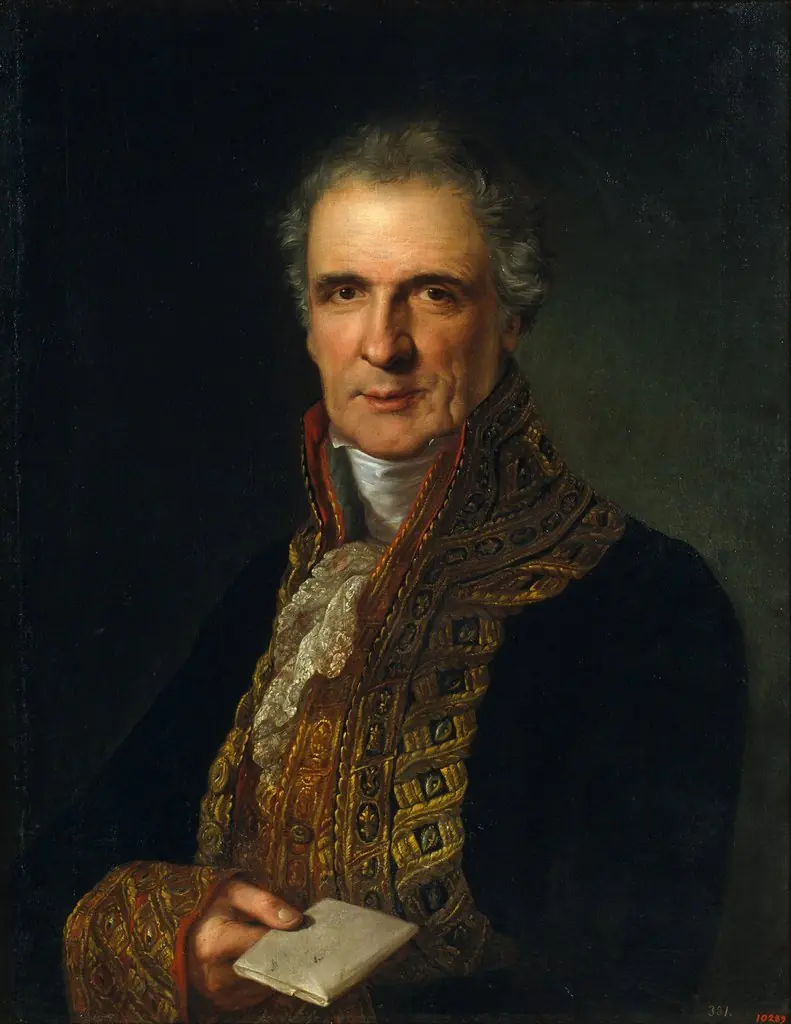 Portrait of José María Díez de Aznar
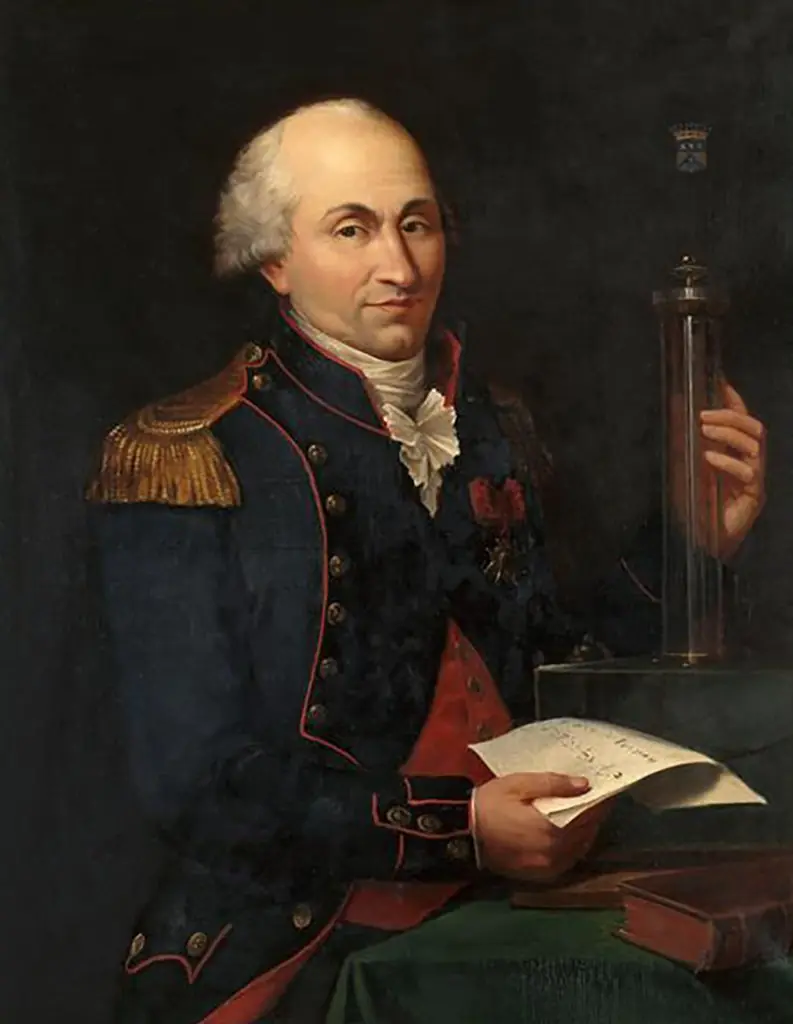 Portrait of Charles Augustin de Coulomb (1736-1806)
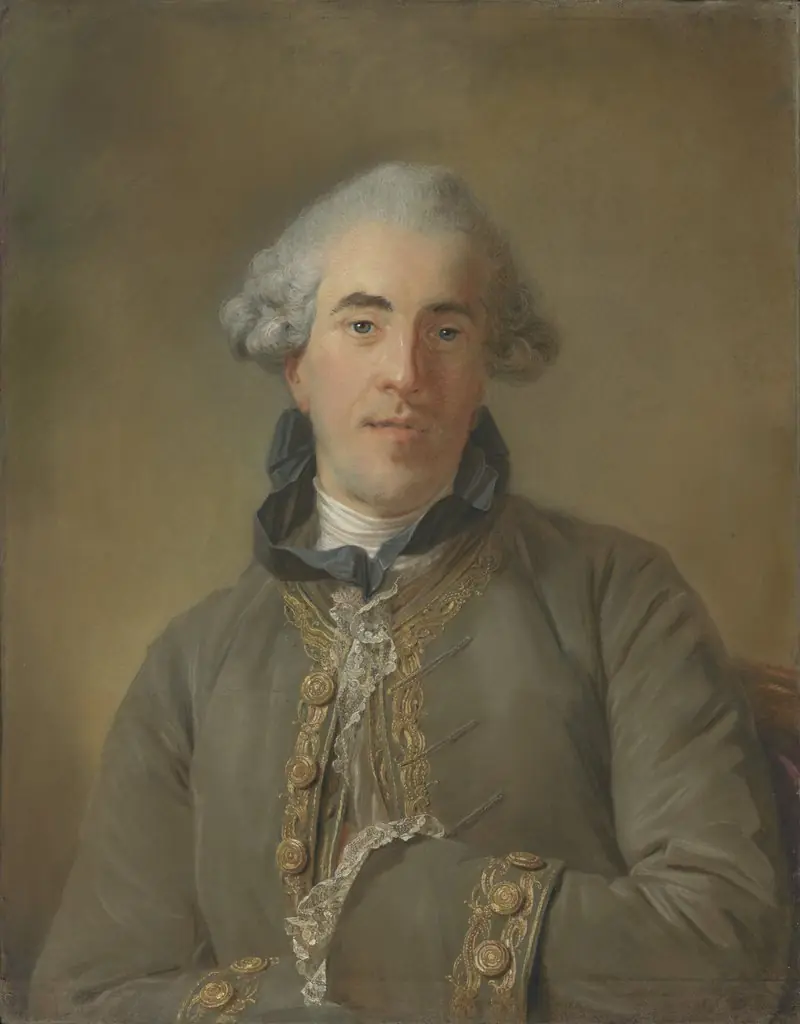 Portrait of Théophile Van Robais
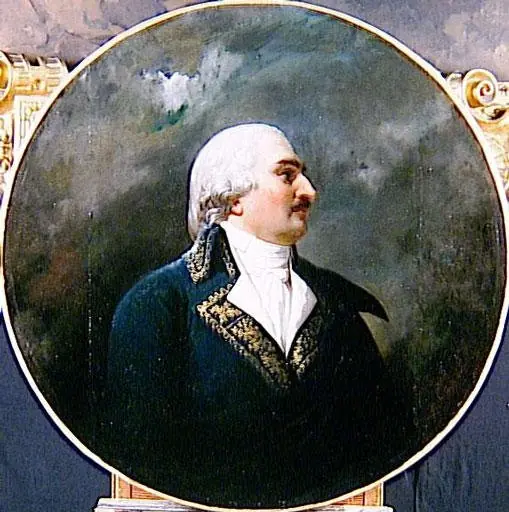 Général Auguste-Marie-Henri Picot, comte de Dampierre (1756-1793)
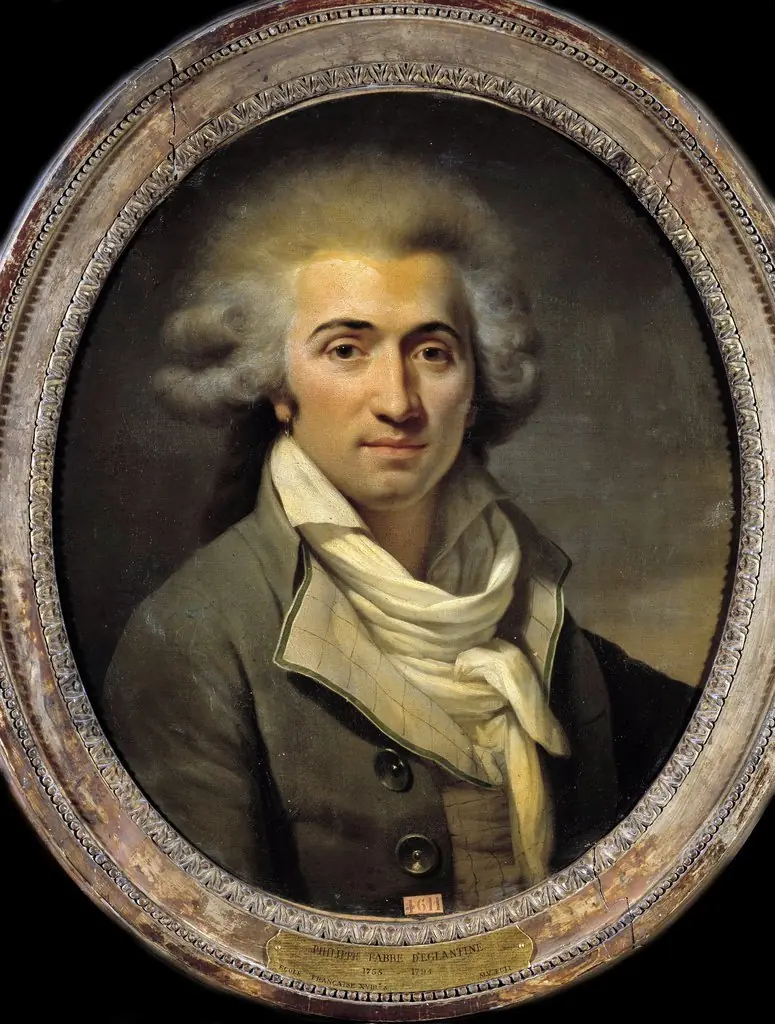 Philippe François Nazaire Fabre named 'Eglantine' (1750-1794)
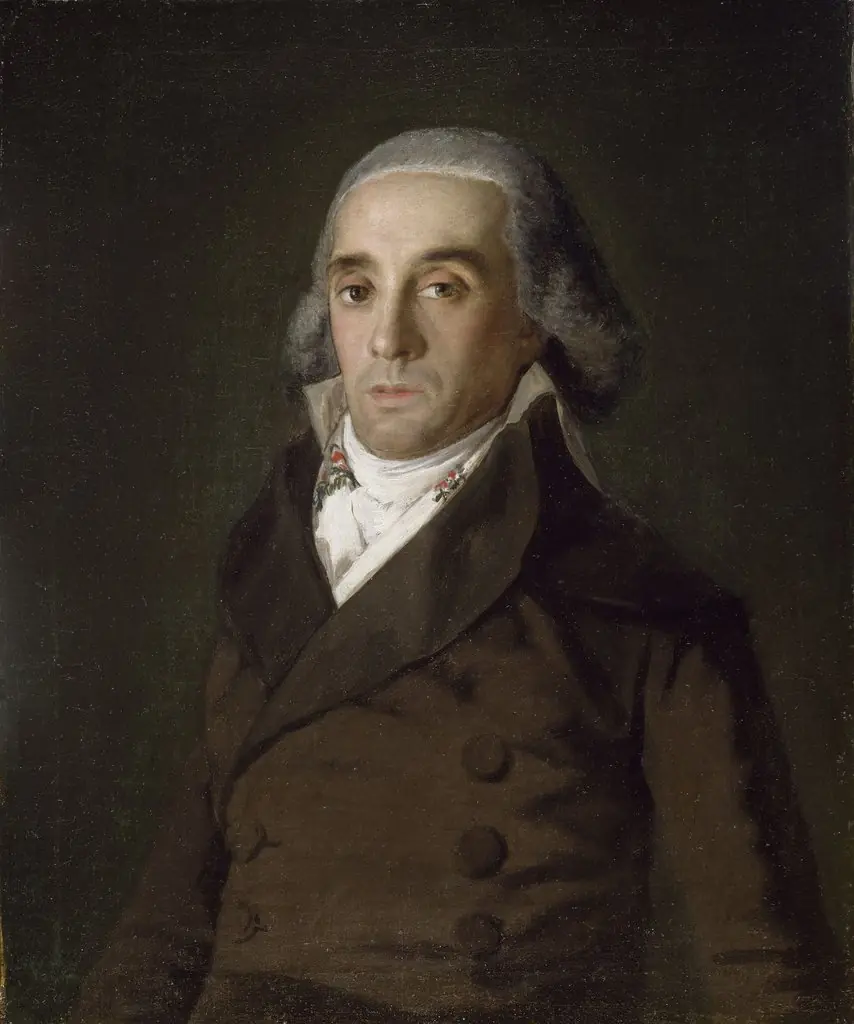 The Count of the Tagus
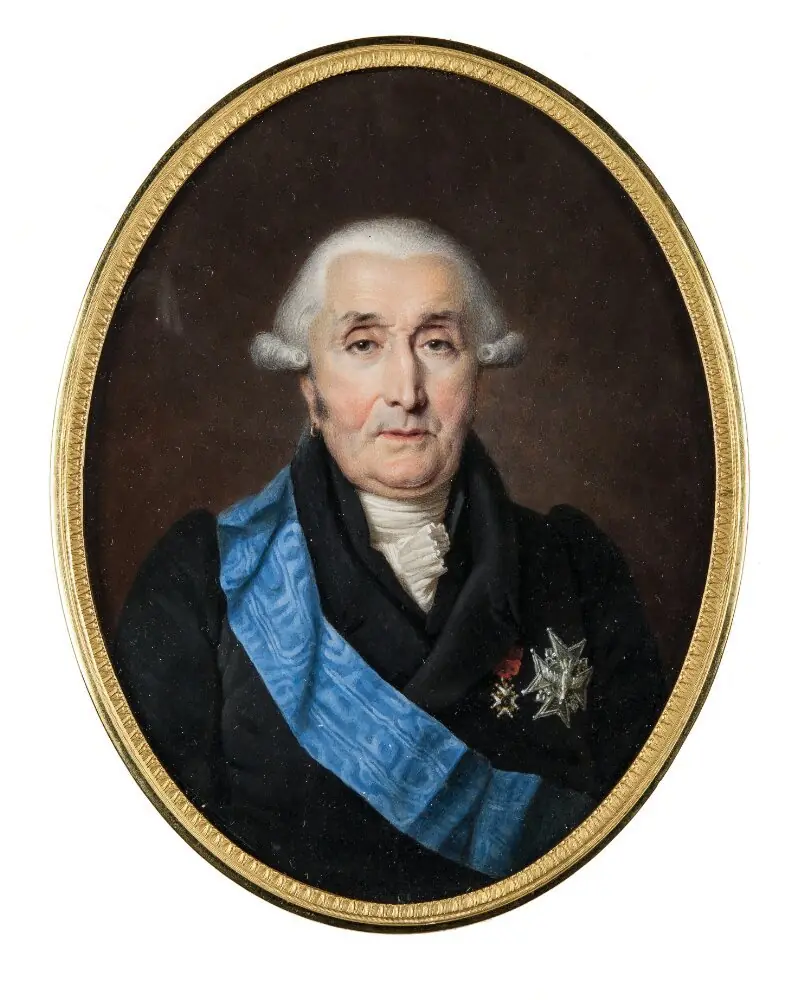 Louis Henri Joseph, Count of Bourbon, Prince of Condé
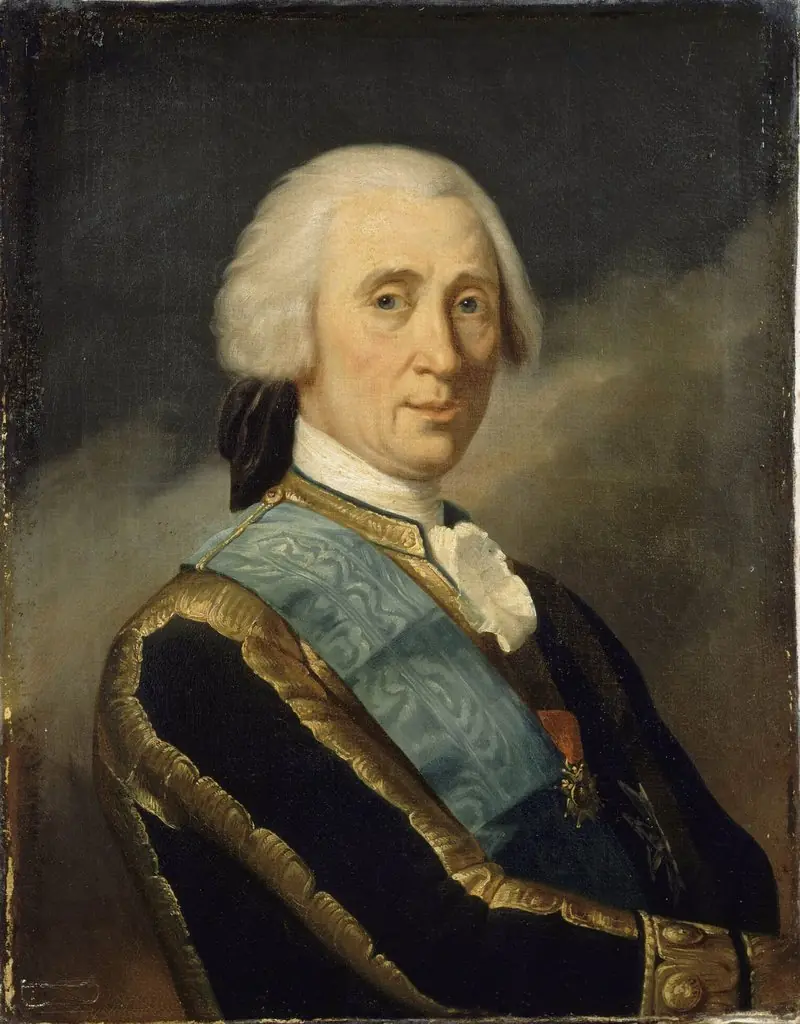 Emmanuel de Croy-Solre, Duke of Croy, Marshal of France (1718-1784)
 Gentleman in his Study
 Charles-Antoine d'Artenay