Artwork
Passing of Saint John of God
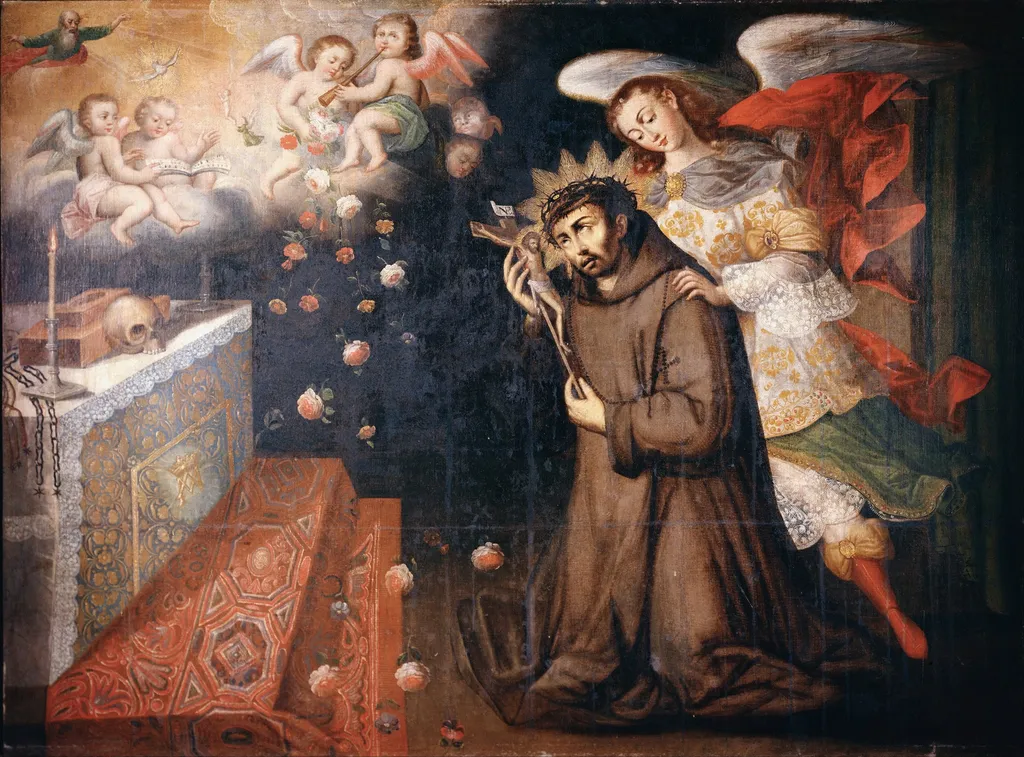
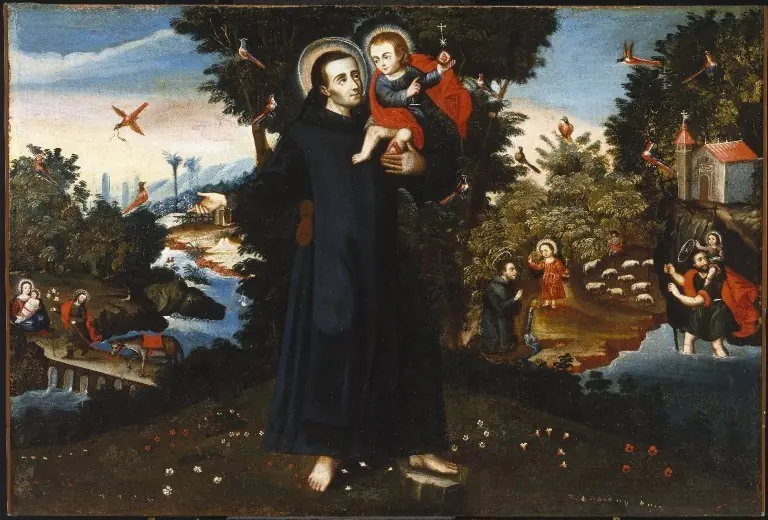
Passing of Saint John of God is an oil painting by the Early Baroque Italian artist Juan Zapaca Inga. It dates from 1693 and is held in the collection of the Lima Art Museum.
About this work
Overview
Its composition follows Baroque conventions of sacred narrative, emphasizing spiritual transcendence through controlled lighting and symbolic elements.
Painted in 1693 by Juan Zapaca Inga, this oil on canvas work portrays the death of Saint John of God, a 16th-century Spanish religious figure known for founding hospitals. The painting is part of the permanent collection at the Lima Art Museum, where it remains one of the few documented works by the artist. Its composition follows Baroque conventions of sacred narrative, emphasizing spiritual transcendence through controlled lighting and symbolic elements.
Subject & Meaning
The central figure, Saint John of God, kneels in prayer, clutching a cross as he nears death. Surrounding him, angels and cherubs suggest divine presence, reinforcing the sanctity of his passing. A skull and extinguished candle on a nearby table evoke memento mori, reminding viewers of life’s transience and the soul’s eternal journey. The simplicity of his brown robe contrasts with the celestial figures, underscoring his humility and devotion.
Technique & Style
Zapaca Inga employs chiaroscuro to model the saint’s form, creating volume and focus against a deep, shadowed background. The red rug in the foreground adds texture and spatial grounding, while the soft glow around the saint’s head enhances his spiritual aura. The angels are rendered with delicate brushwork, their forms blending into the darkness, reinforcing the contrast between earthly and divine realms. The style reflects Spanish Baroque influences adapted to Peruvian colonial aesthetics.
History & Provenance
Commissioned likely for a religious institution in Lima, the painting remained in ecclesiastical hands until entering the Lima Art Museum’s collection. Its survival through centuries of political and social change in colonial Peru is notable, given the fragility of such works. Documentation from the late 17th century confirms its attribution to Zapaca Inga, a lesser-known artist active in the Viceroyalty of Peru during the height of Counter-Reformation devotional art.
Context
Created during a period when the Catholic Church in Spanish America promoted saints’ lives as models of piety, this painting served both devotional and didactic purposes. Saint John of God, canonized in 1690, was especially venerated for his care of the sick and poor—values aligned with the Church’s efforts to reinforce moral conduct among colonists and indigenous communities. The imagery reflects broader trends in Counter-Reformation art, emphasizing emotional engagement and divine intervention.
Legacy
Though Zapaca Inga’s oeuvre is limited, this work stands as a representative example of colonial Peruvian religious painting. It illustrates how European iconographic traditions were localized through material choices and compositional emphasis. The painting continues to inform scholarly study of Andean Baroque art, offering insight into how spiritual narratives were visually constructed in a multicultural colonial context.
Own this work as a print
Artist & collection
Artist
Juan Zapaca Inga painted religious scenes in the late 1600s, working in oil paint.

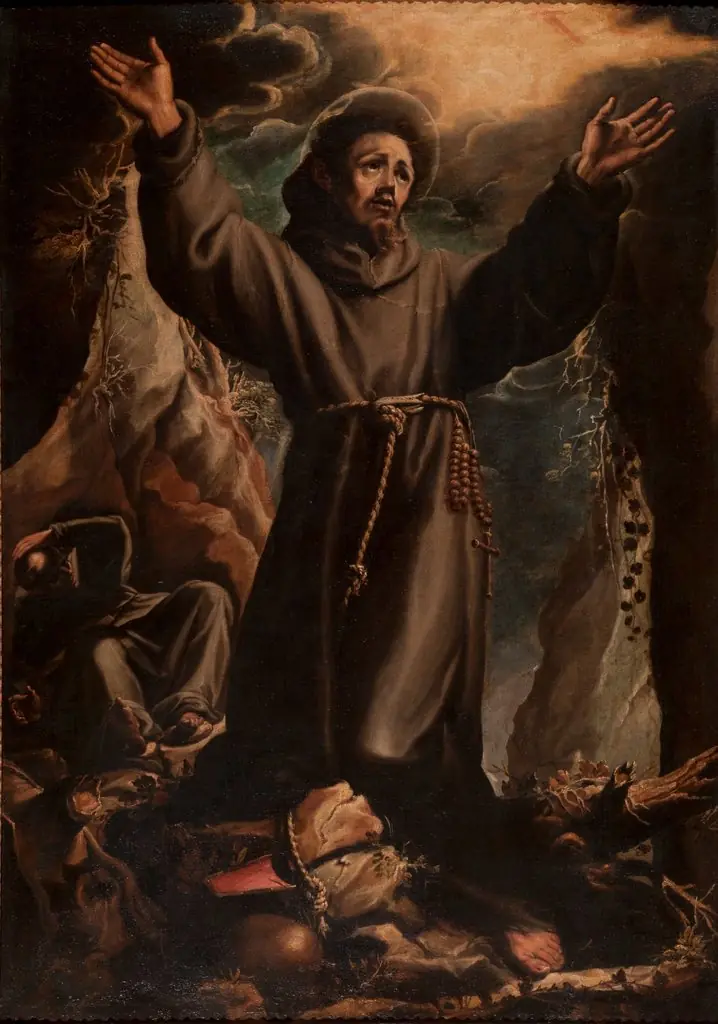 San Francisco recibiendo los estigmas
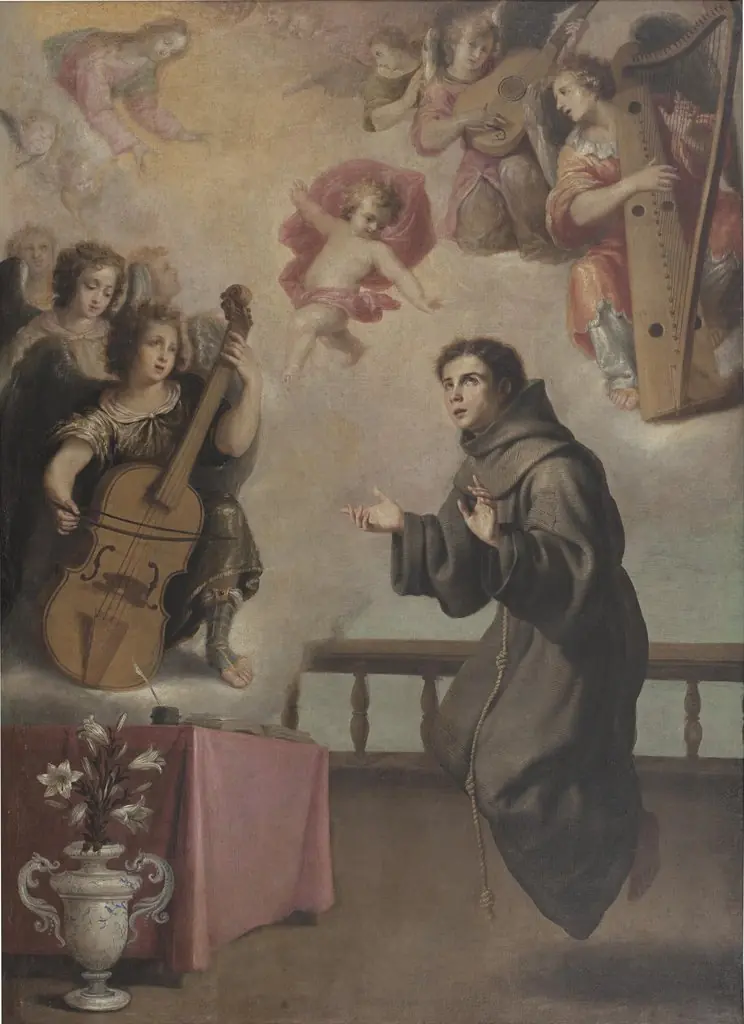 Saint Anthony of Padua
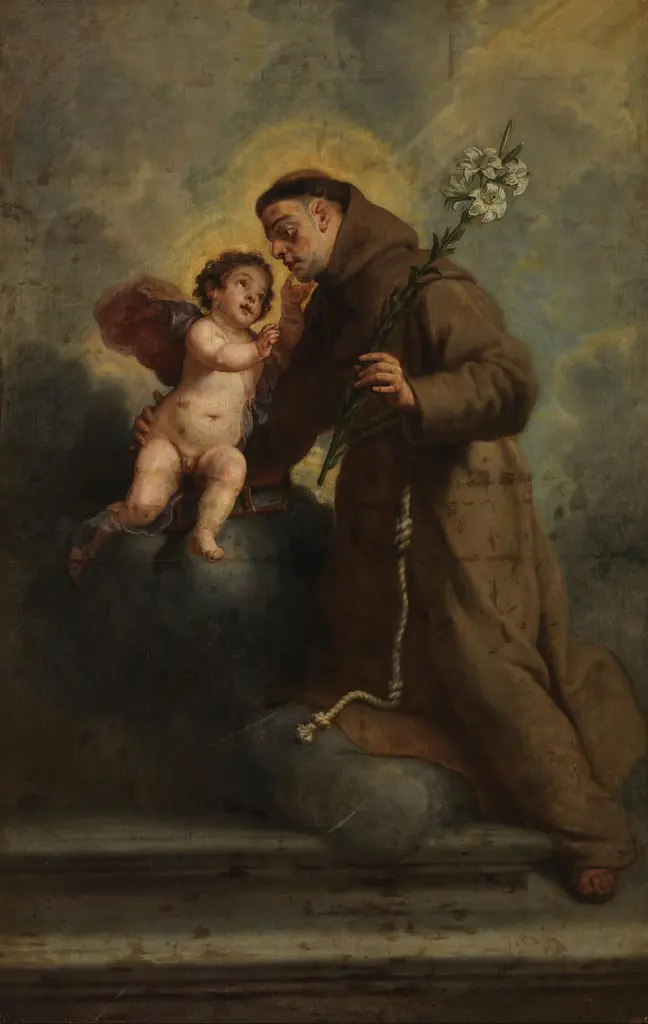 Saint Anthony of Padua with the Infant Christ
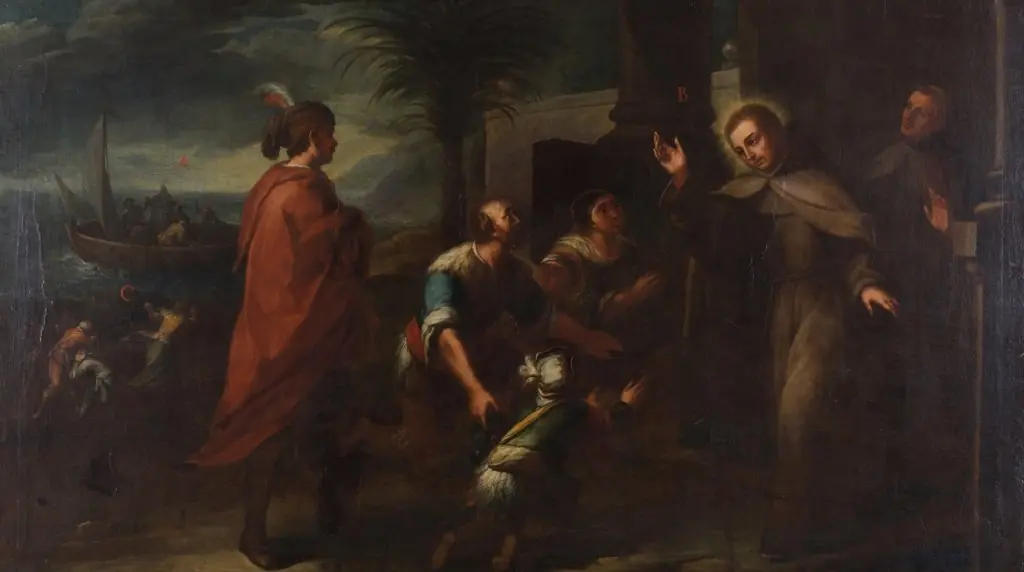 San Diego de Alcalá en las islas Canarias
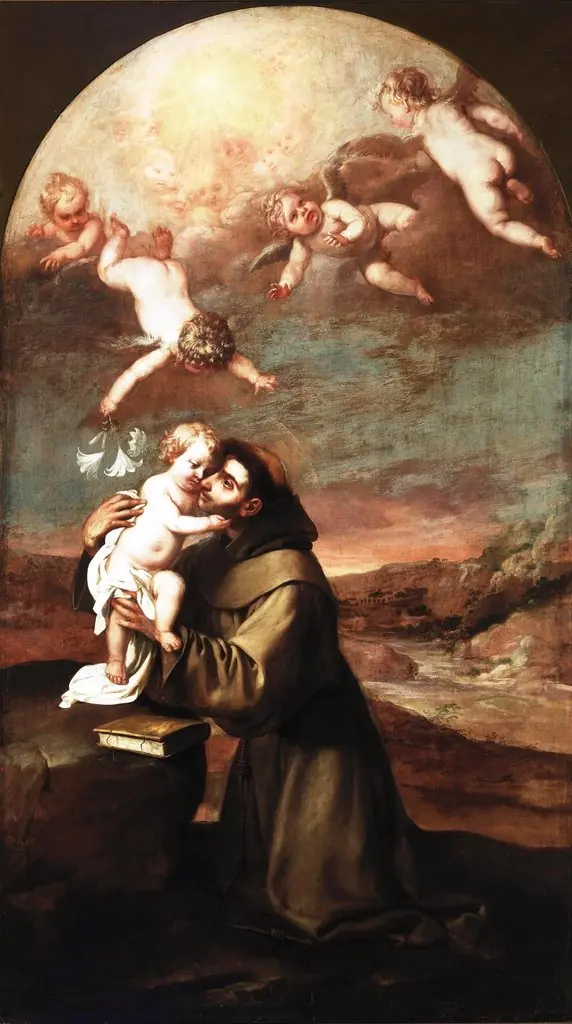 Saint Anthony of Padua
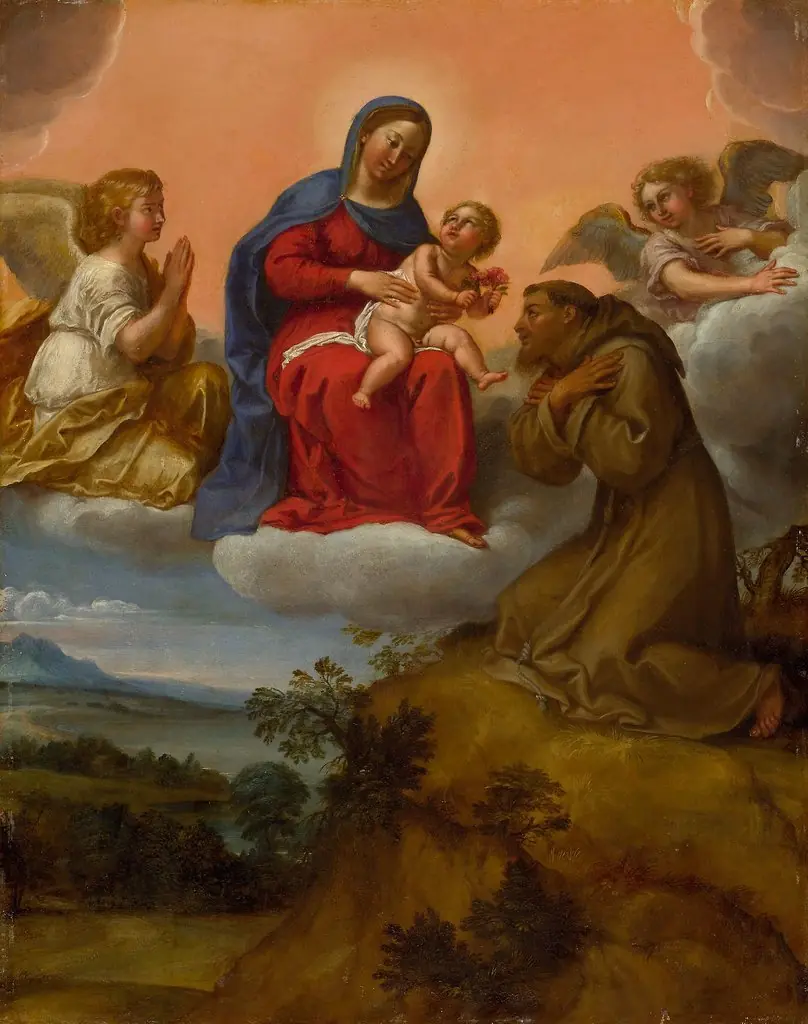 Virgin and Child Adored by Saint Francis
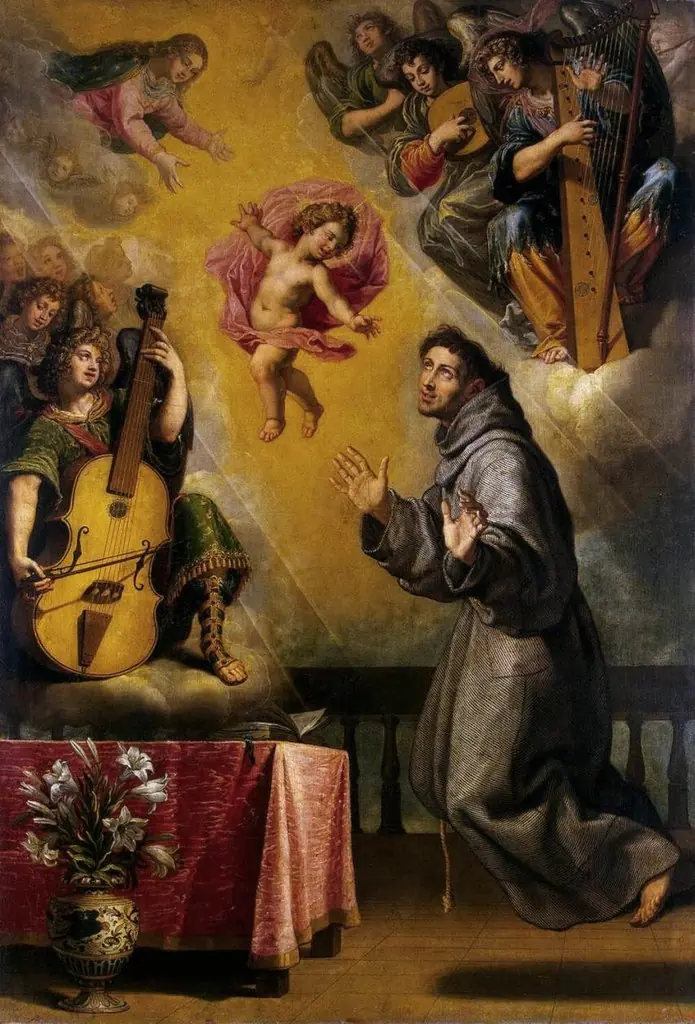 Vision of St Antony of Padua
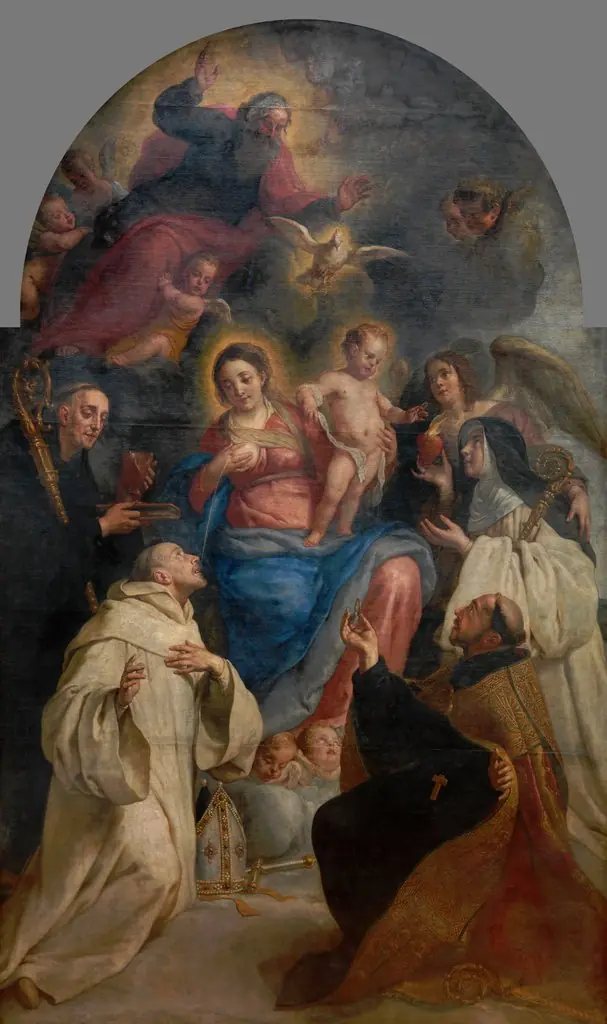 Lactatio of Saint Bernard of Clairvaux
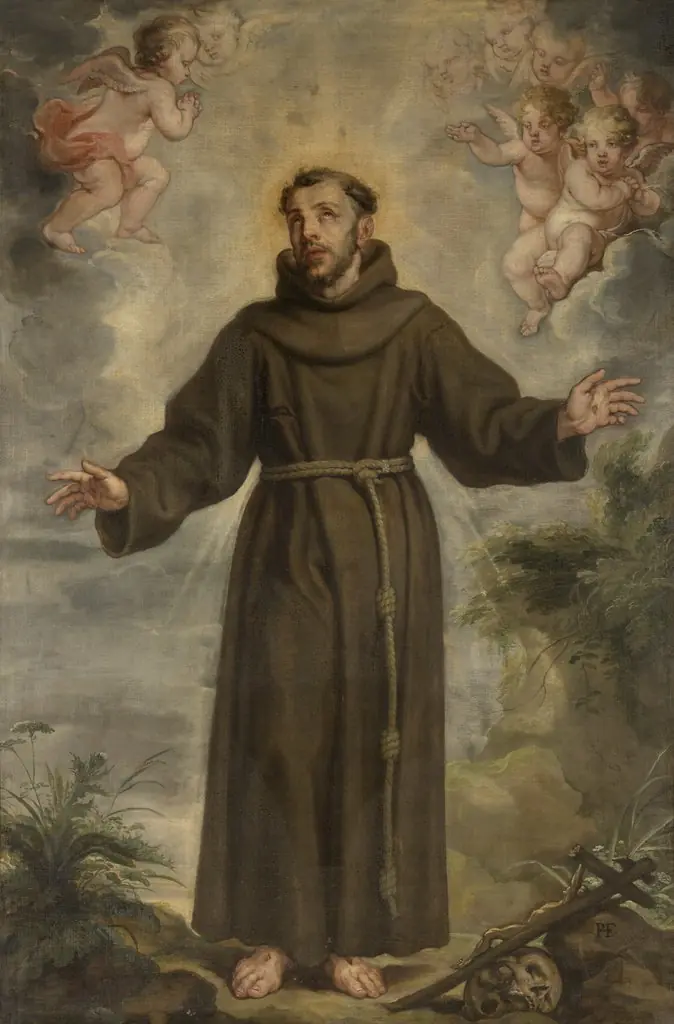 Saint Francis of Assisi
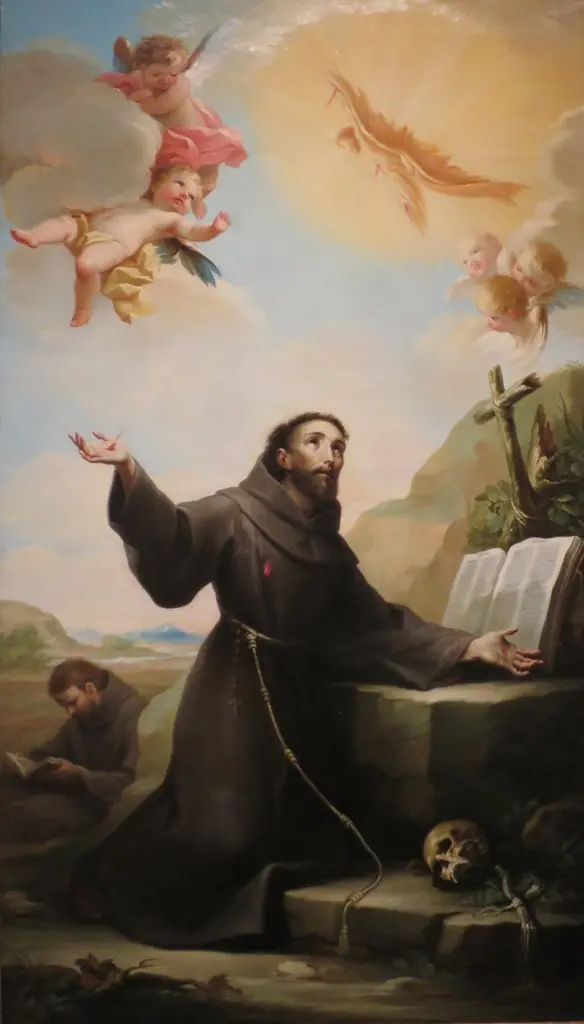 Saint Francis of Assisi Receiving the Stigmata
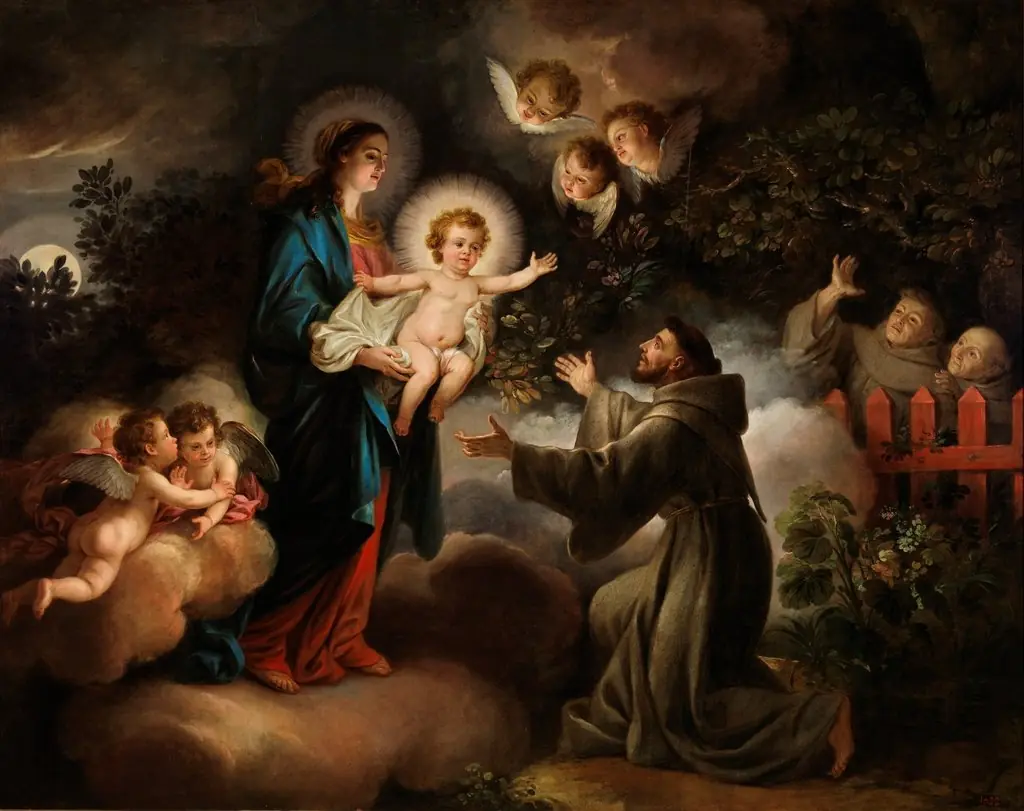 La Aparición de la Virgen a San Francisco
 St. John of God