Artwork
Virgil
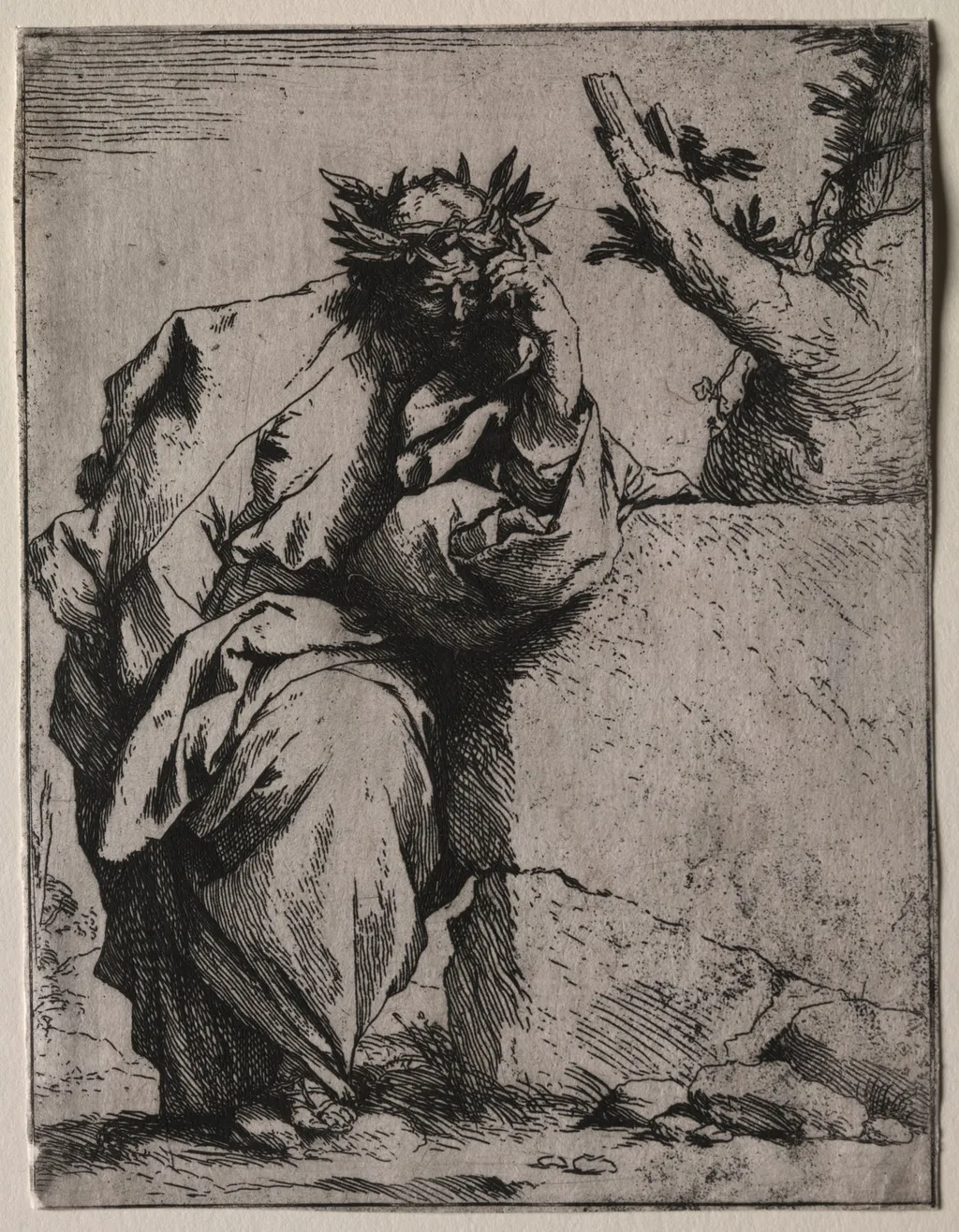
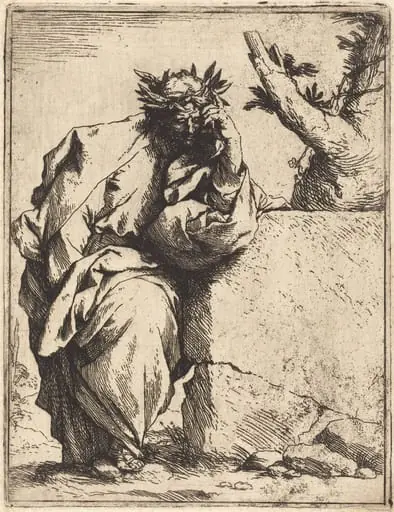
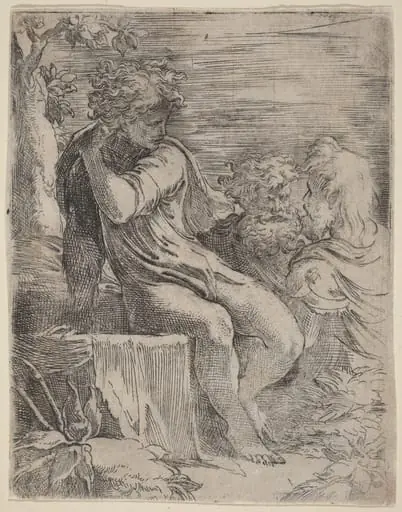
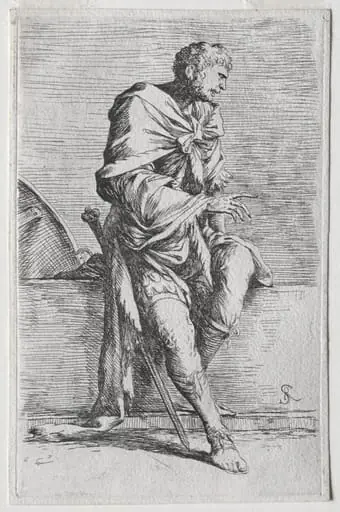
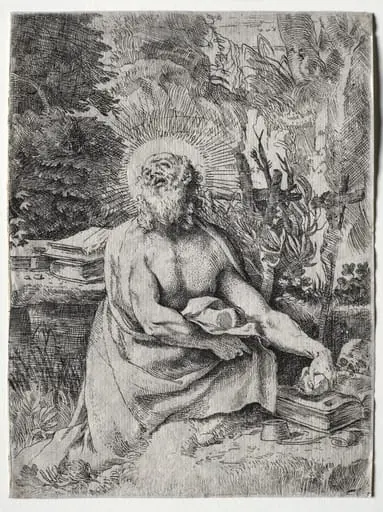
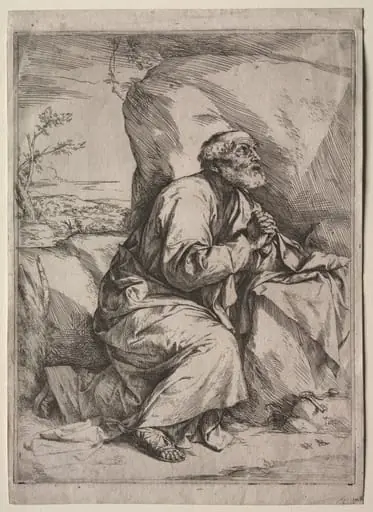
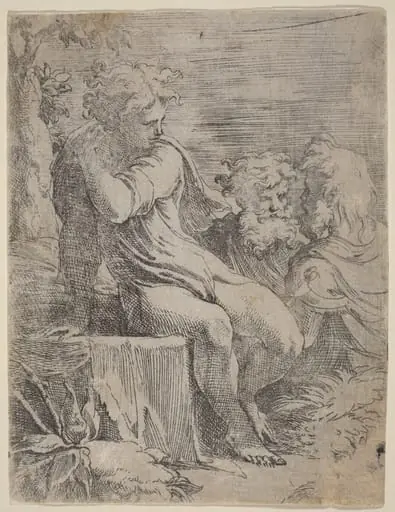
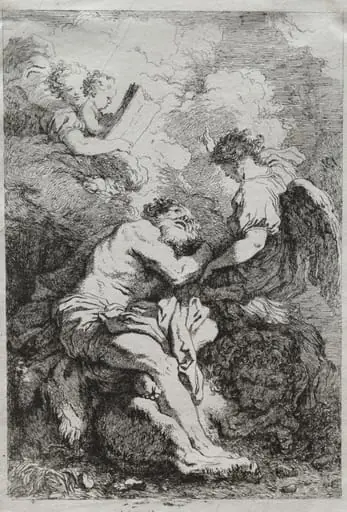
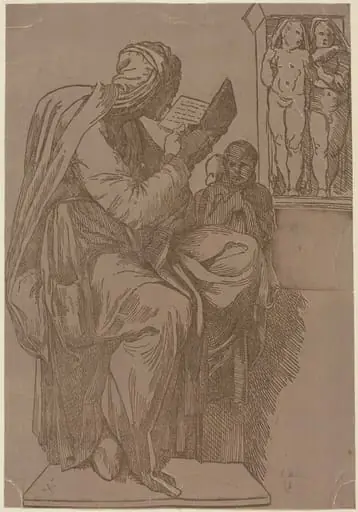
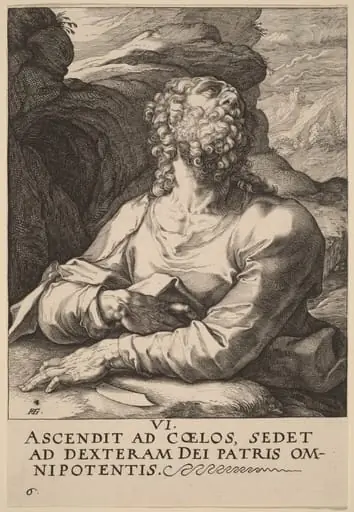
Virgil is a print by the Baroque artist Jusepe de Ribera. It dates from 1620 and is held in the collection of the Cleveland Museum of Art.
About this work
Overview
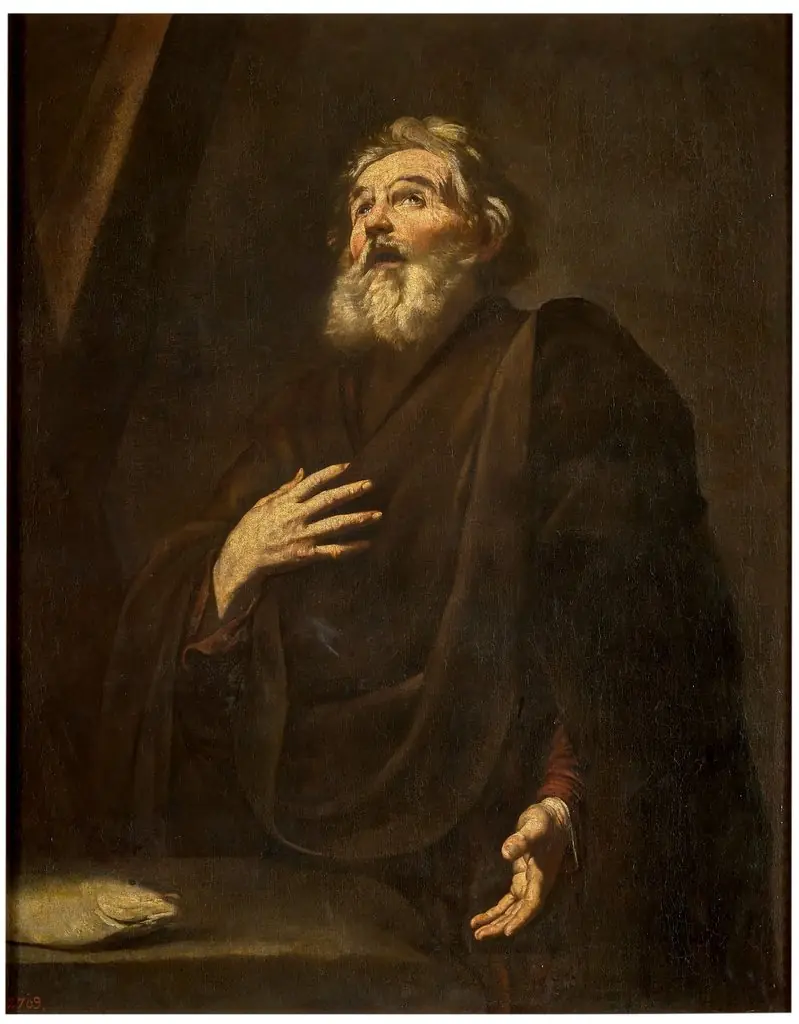
Created around 1620 by Jusepe de Ribera, this print portrays the Roman poet Virgil in a contemplative pose. Ribera, a Spanish artist who worked primarily in Naples, was known for his intense naturalism and mastery of graphic media. The work is part of The Cleveland Museum of Art’s collection and exemplifies his interest in classical themes rendered through a distinctly Baroque sensibility.
Subject & Meaning
The figure represents Virgil, the revered author of the Aeneid, depicted not as a grand hero but as a quiet, introspective scholar.
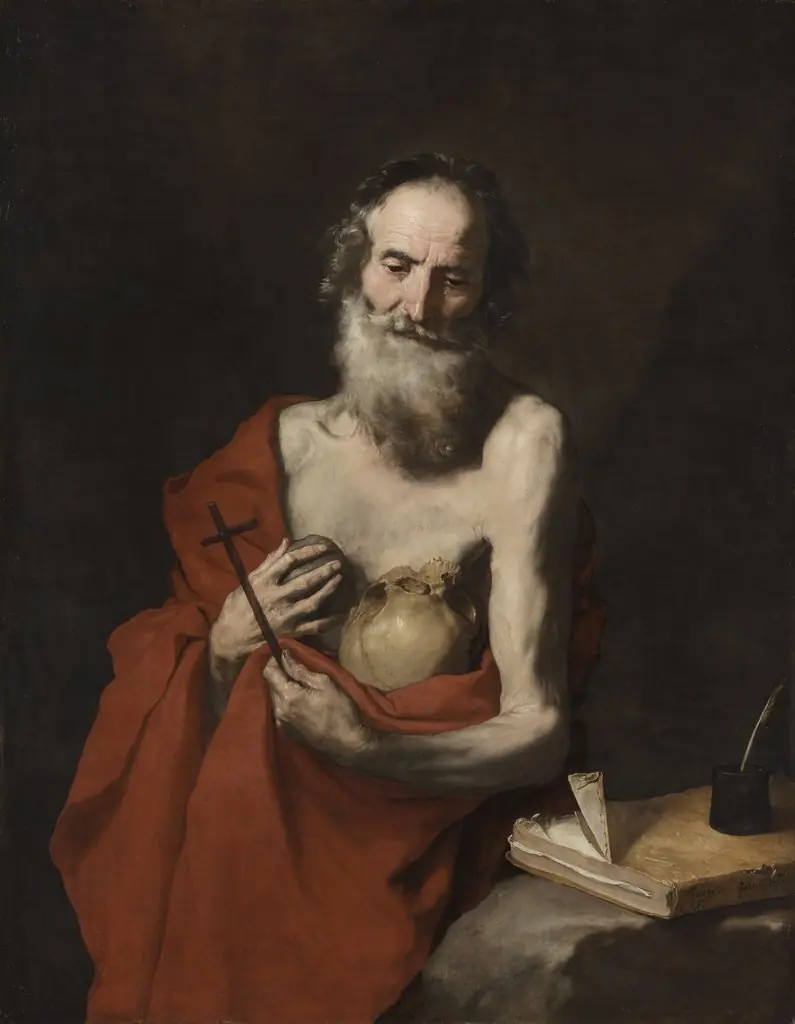
The figure represents Virgil, the revered author of the Aeneid, depicted not as a grand hero but as a quiet, introspective scholar. Wearing a leafy crown and seated beneath a tree, he embodies the union of poetic wisdom and natural solitude. The half-hidden face and restrained gesture suggest inner reflection rather than public acclaim, aligning with humanist ideals of the time that valued contemplation over spectacle.
Technique & Style
Ribera employed deep chiaroscuro to model the figure against a stark, textured background. The contrast between the illuminated face and hands and the shadowed surroundings draws focus to the subject’s expression and posture. Rough, angular lines in the background suggest rocky terrain, enhancing the sense of isolation. The loose, expressive strokes convey immediacy, characteristic of preparatory drawings translated into print.
History & Provenance
The print was produced during Ribera’s mature period in Naples, where he was deeply engaged with both local patrons and classical literature. While the exact circumstances of its creation remain undocumented, its survival in the Cleveland Museum of Art’s collection reflects its enduring value as an example of early 17th-century Spanish-Italian graphic art. It entered the museum’s holdings through established acquisition channels in the 20th century.
Context
In early 17th-century Naples, artists frequently turned to classical antiquity to lend intellectual weight to their work. Ribera’s depiction of Virgil aligns with a broader trend among Baroque creators who sought to merge religious, mythological, and literary subjects with emotional realism. This print reflects the cultural prestige of Virgil in European intellectual circles and Ribera’s role in adapting such themes for a tactile, visually grounded aesthetic.
Legacy
Though less celebrated than Ribera’s paintings, this print contributes to understanding his versatility across media and his commitment to psychological depth. It influenced later artists interested in the interplay of light and literary symbolism. As a rare surviving example of his graphic work, it remains a key reference for studying how Baroque artists translated classical ideals into intimate, tactile forms.
Artist & collection
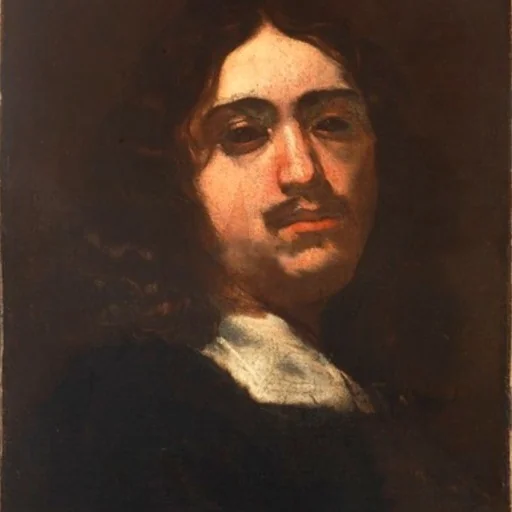
Artist
Jusepe de Ribera (Valencian: ; baptised 17 February 1591 – 3 November 1652) was a Spanish painter and printmaker.