Artwork
Royal Couple Mourning for their Dead Daughter
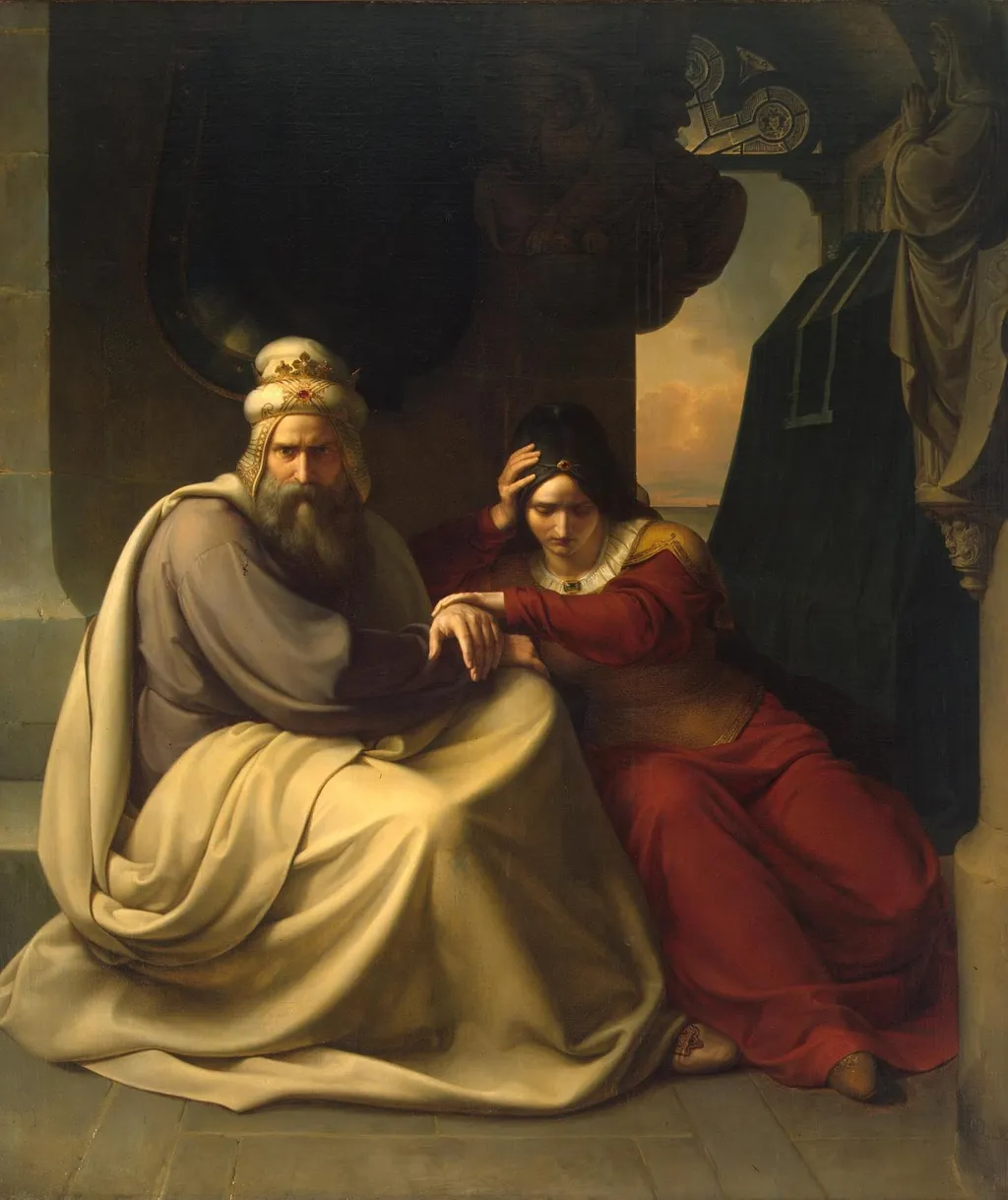
Royal Couple Mourning for their Dead Daughter is an oil painting by the German Romanticist artist Karl Friedrich Lessing. It dates from 1830 and is held in the collection of the Hermitage Museum.
About this work
Overview
Painted in 1830 by German artist Karl Friedrich Lessing, this oil on canvas work depicts a royal pair in deep grief over the loss of their child.
Painted in 1830 by German artist Karl Friedrich Lessing, this oil on canvas work depicts a royal pair in deep grief over the loss of their child. Inspired by Ludwig Uhland’s poem Das Schloß am Meere, the scene captures a moment of private sorrow within a public setting. The painting is a defining example of the Düsseldorf School’s romantic-elegiac style, emphasizing emotional gravity over narrative action. It currently resides in the State Hermitage Museum in Saint Petersburg.
Subject & Meaning
The painting illustrates a king and queen seated on stone steps, consumed by mourning after the death of their daughter. Their regal attire contrasts with their vulnerability, underscoring the universality of grief. The presence of a distant statue suggests a mythic or allegorical dimension, perhaps symbolizing fate or memory. The composition avoids theatricality, focusing instead on quiet, inward sorrow, aligning with Romantic ideals of emotional authenticity.
Technique & Style
Lessing employs chiaroscuro to model the figures with soft, directional light, drawing attention to their faces and clasped hands. The dark, muted tones of the background amplify the emotional weight, while the rich textures of their garments—velvet, silk, and metal—hint at their status without glorifying it. Brushwork is controlled yet expressive, blending realism with a lyrical stillness characteristic of the Düsseldorf School’s poetic approach to history painting.
History & Provenance
Completed in 1830, the painting was acquired by the Russian imperial collection in the mid-19th century and has remained in the Hermitage since. Its journey from Germany to Russia reflects broader cultural exchanges among European courts during the Romantic era. Unlike many contemporary works, it was not widely exhibited abroad, preserving its status as a quiet treasure within the Russian imperial holdings.
Context
Created during a period when German artists sought to reconcile national identity with emotional depth, the painting draws from literary Romanticism, particularly Uhland’s melancholic verse. It emerged alongside a broader trend in Northern European art that favored introspective, morally resonant scenes over grand historical spectacles. The Düsseldorf School, where Lessing taught, became a center for this sensitive, narrative-driven approach to painting.
Legacy
Though less known today than some Romantic works, the painting remains a key reference in studies of 19th-century German art and the Düsseldorf School’s emotional aesthetic. Its restrained expression of grief influenced later artists exploring private loss in public contexts. It endures not as a spectacle, but as a quiet testament to the power of understated mourning in visual culture.
Own this work as a print
Artist & collection
Artist
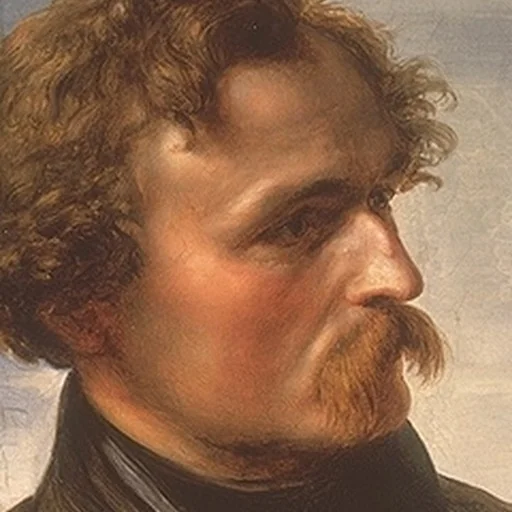
Karl Friedrich Lessing, also known by Carl Friedrich Lessing (15 February 1808 – 4 January 1880), was a German historical and landscape painter, grandnephew of Gotthold Ephraim Lessing and one of the main exponents of the Düsseldorf school…

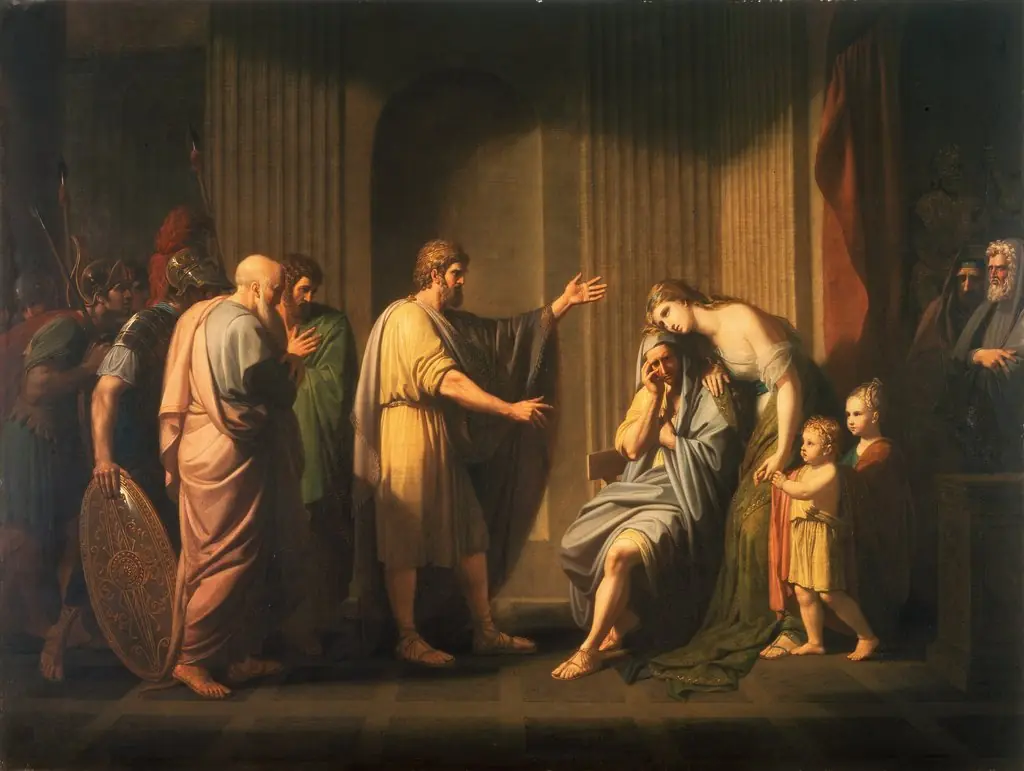 Cleombrotus Ordered into Banishment by Leonidas II, King of Sparta
 Hecuba and Polyxena
 "Seigneur! Voyez ces yeux" (Cleopatra Discovered by Rodogune to Have Poisoned the Nuptial Cup)
 The Death of Saint Louis
 Study for Belshazzar's Feast
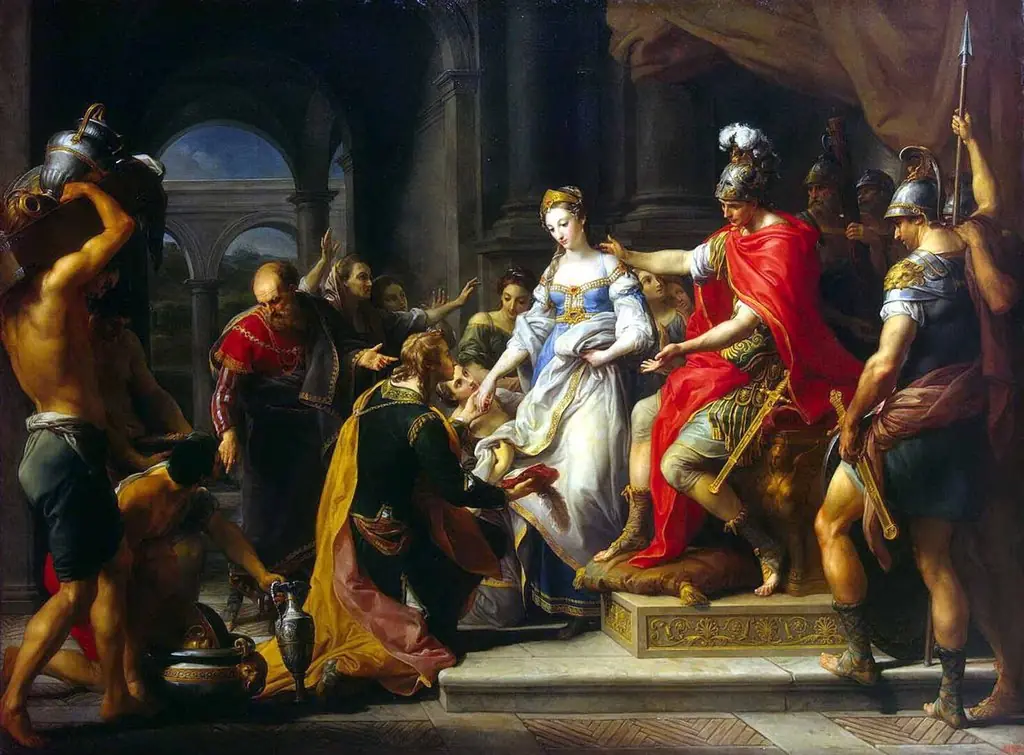 Continence of Scipio
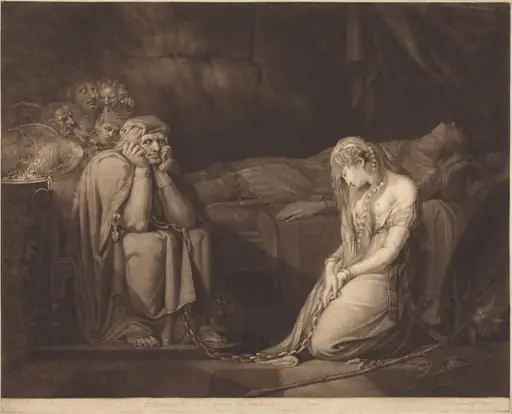 Belisane and Parcival under the Enchantment of Urma
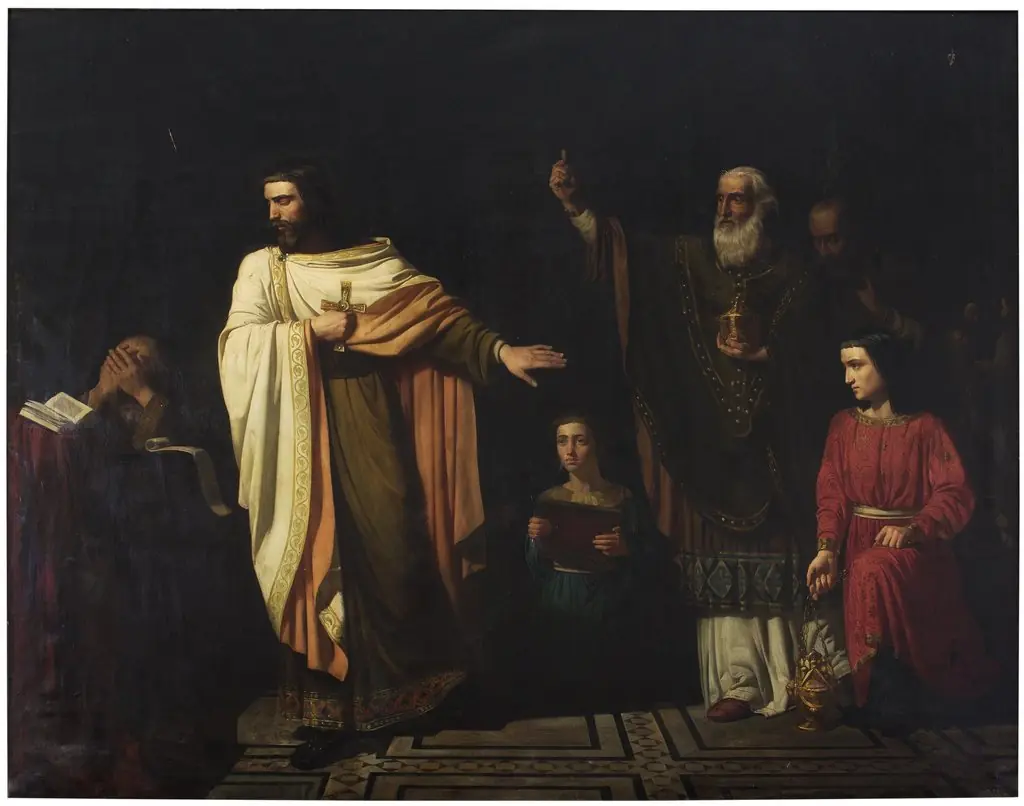 San Hermenegildo en la prisión
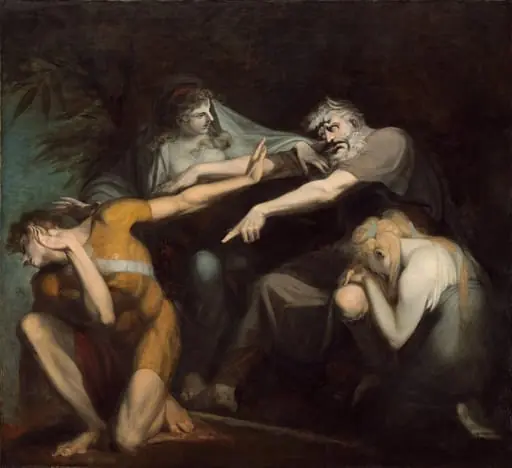 Oedipus Cursing His Son Polynices
 Moïse enfant présenté à Pharaon
 Oedipus at Colonus
 Cassandra in the Temple of Minerva