Artwork
The defense of Vienna against the Turks in 1683
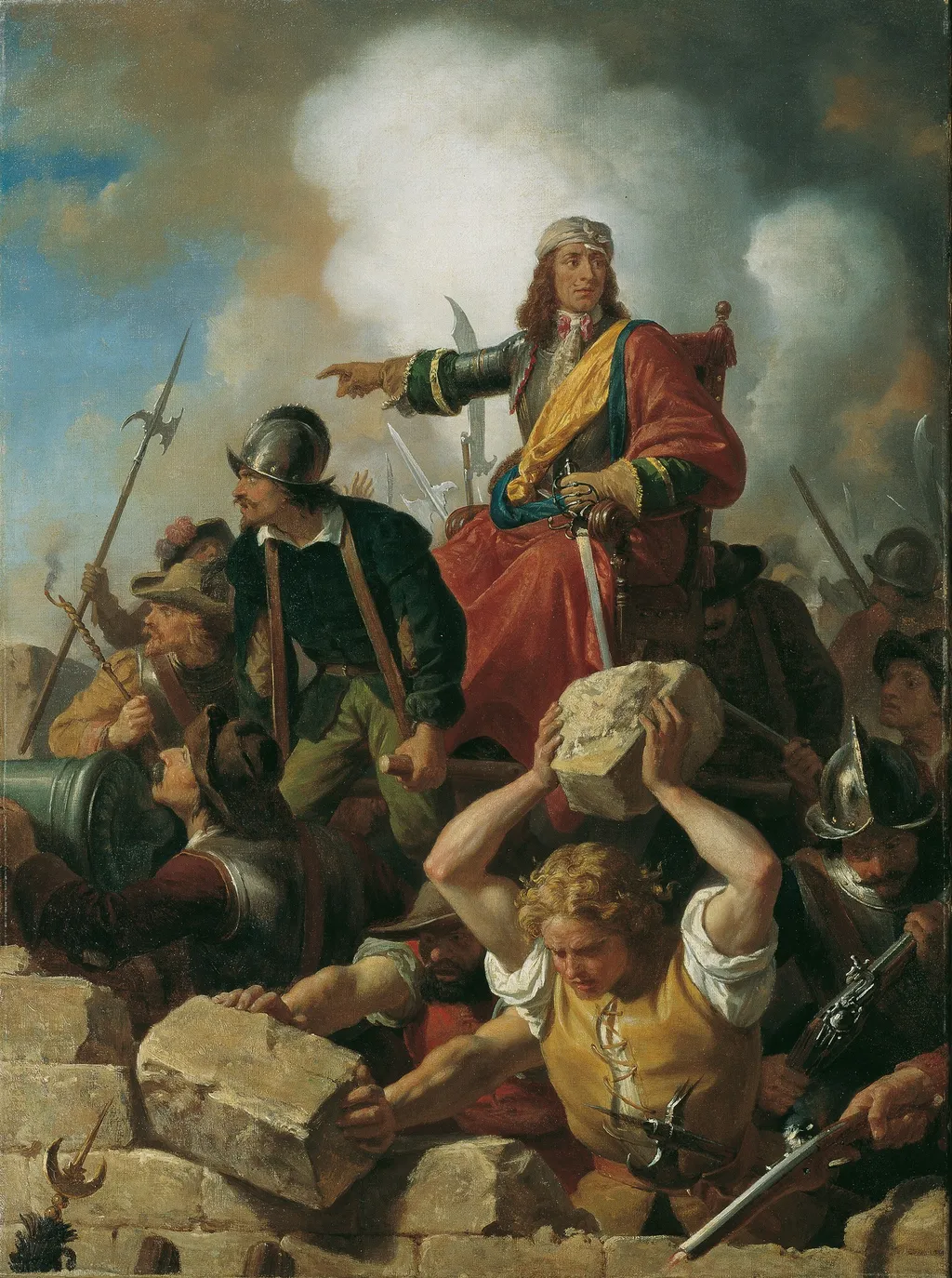
The defense of Vienna against the Turks in 1683 is an oil painting by Karl von Blaas. It dates from 1865 and is held in the collection of the Kunsthistorisches Museum.
About this work
Overview
Completed in 1865, this oil canvas by Austrian artist Karl von Blaas portrays the 1683 siege of Vienna. The work is part of the permanent collection of Vienna’s Kunsthistorisches Museum and presents a densely populated battlefield where soldiers, debris and smoke converge in a dramatic tableau.
Subject & Meaning
The composition centers on a figure clad in a red robe with a yellow sash, standing atop shattered stone and gesturing leftward while brandishing a sword. Around him, men wield spears and swords, a man in a yellow vest hoists a large stone, and a turbaned rider adds a multicultural element, together emphasizing the chaos and collective effort of the city's defense.
Technique & Style
Blaas employs a vigorous brushwork that captures the swirling smoke and clouded sky, while the contrast of bright reds and yellows against muted earth tones heightens the sense of movement. The layered application of oil creates depth in the rubble and figures, allowing the viewer to discern individual gestures within the crowded scene.
History & Provenance
After its creation, the painting entered the holdings of the Kunsthistorisches Museum, where it has remained on display. Its acquisition reflects the 19th‑century Austrian interest in commemorating pivotal moments of national resilience, linking the work to the museum’s broader collection of historic military art.
Context
The 1683 siege marked a turning point in the Ottoman–Habsburg wars, ending with the relief of Vienna by allied forces. Blaas’s 19th‑century rendition aligns with contemporary Romantic historicism, which sought to dramatize national triumphs through vivid, emotionally charged imagery.
Own this work as a print
Artist & collection
Artist
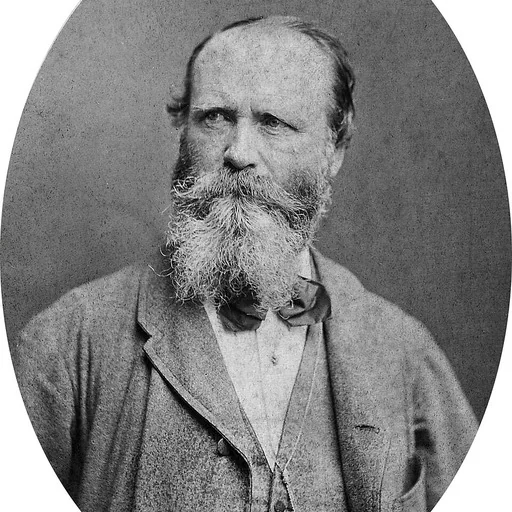
Karl von Blaas (28 April 1815 – 19 March 1894) was an Austrian painter known for his portraits and religious compositions executed on canvas as well as in the form of frescoes.

 Magnus Stenbock Surrenders the Fortress of Tønningen to Frederik IV in 1714
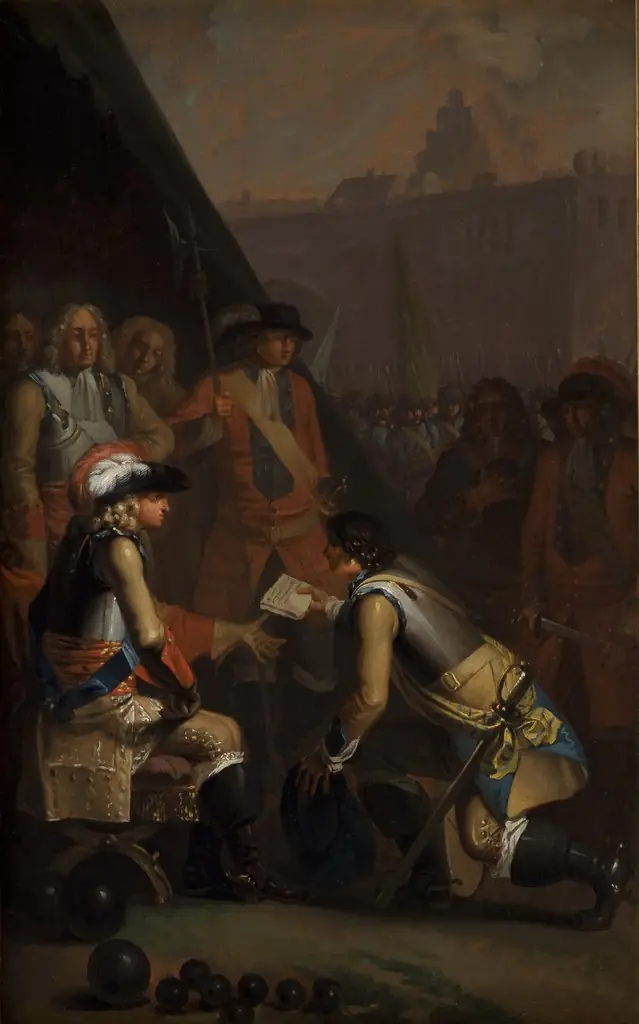 Magnus Stenbock Surrenders the Fortress of Tønningen to Frederik IV in 1714
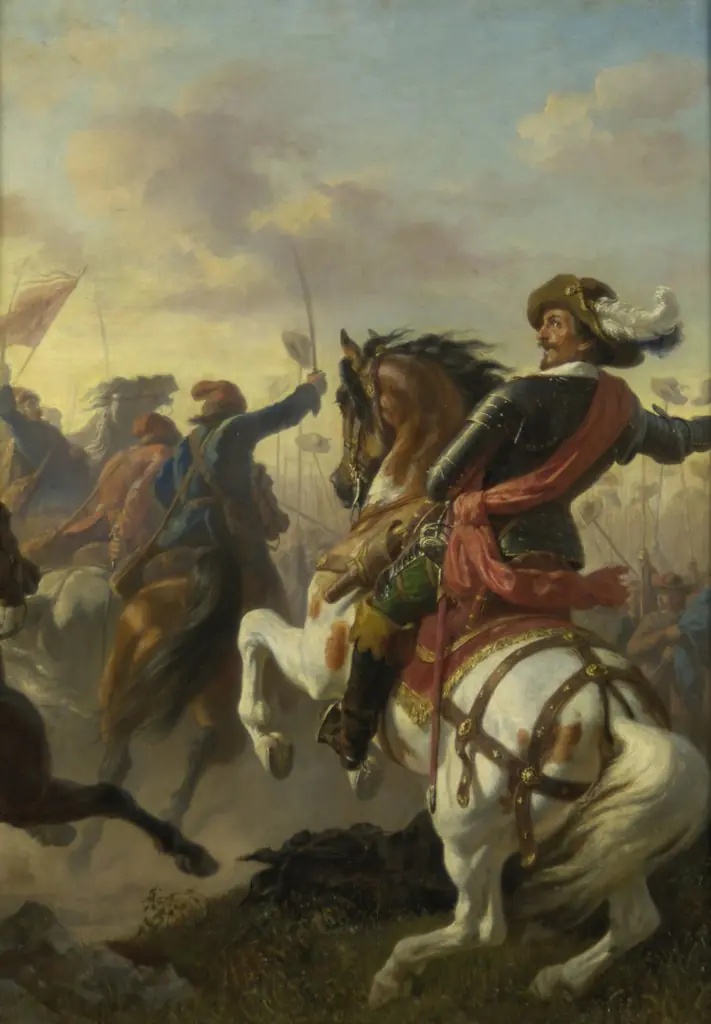 Boucquoi's victory at Zablat (Budweis) 1619
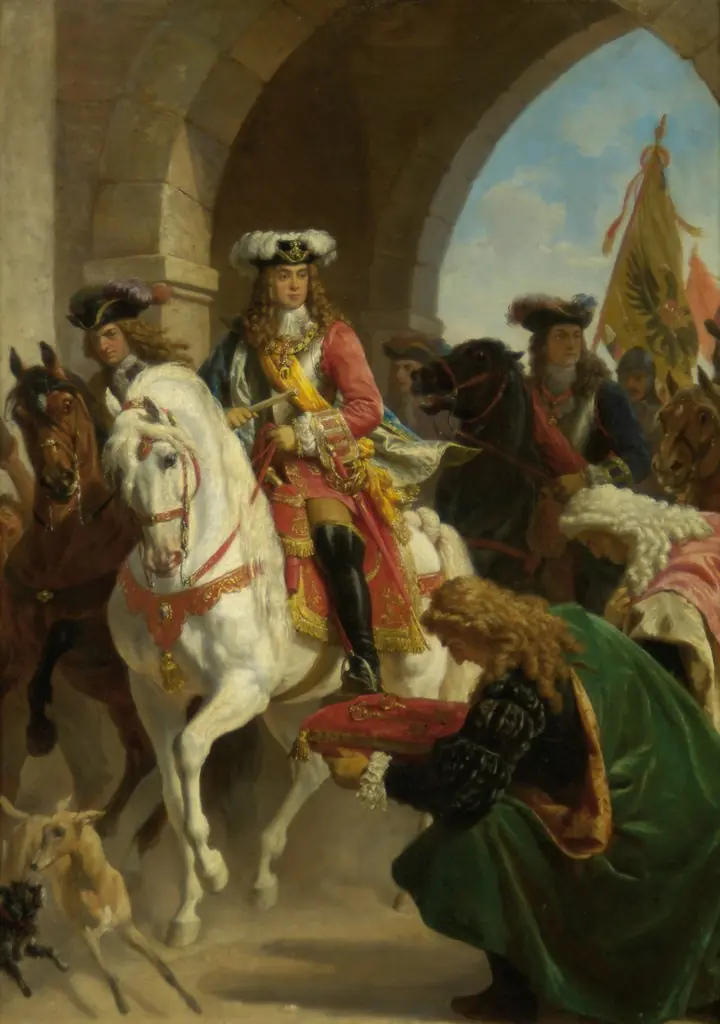 Entry of Charles III. in Madrid 1710
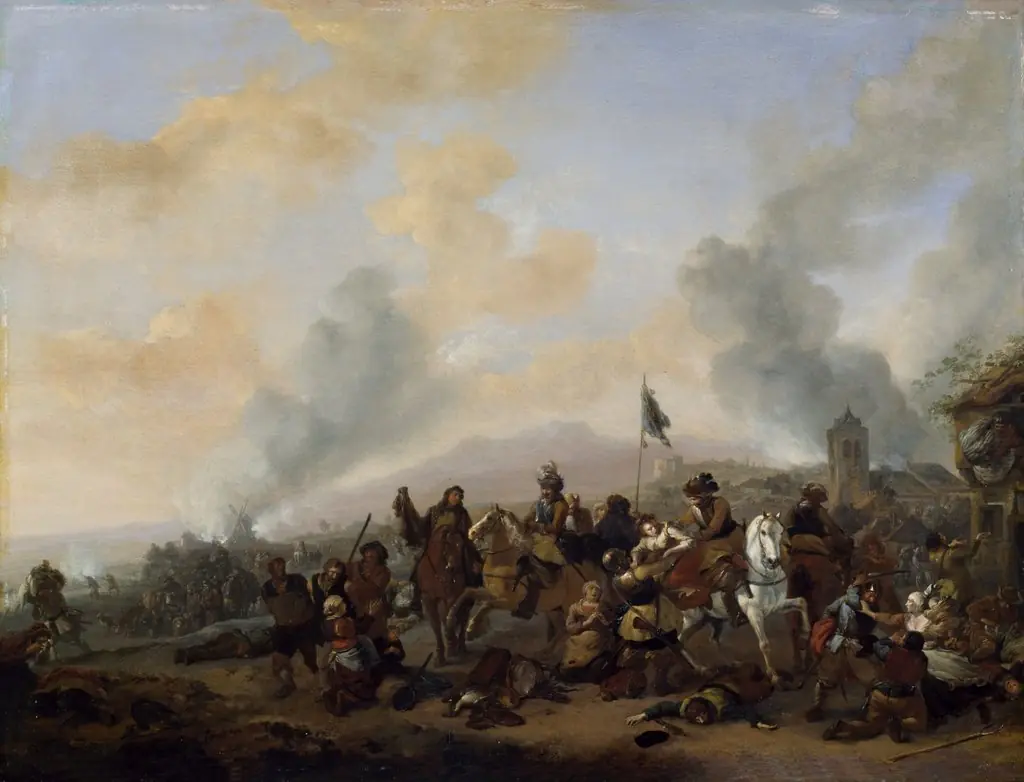 Soldiers Plundering a Village
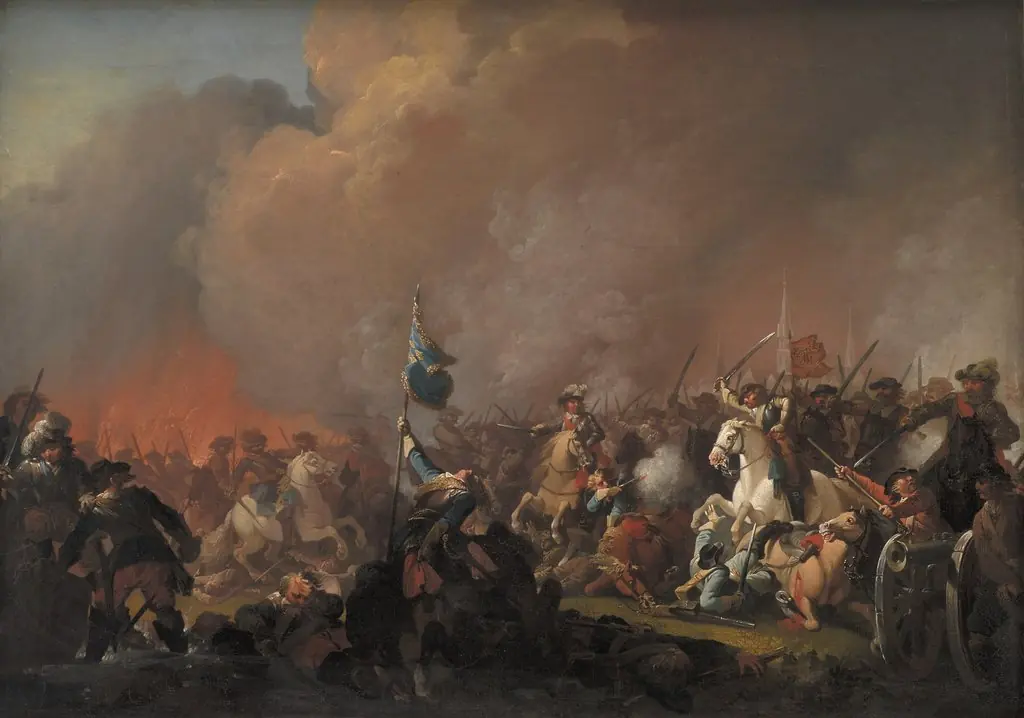 Udfaldet på Amager 1658 under Svenskekrigen 1657-60
 Battle Scene
 Capture of King Francis I at the Battle of Pavia
 Prince Maurits at the Battle of Nieuwpoort, 2 July 1600
 The Battle of Turin 1706
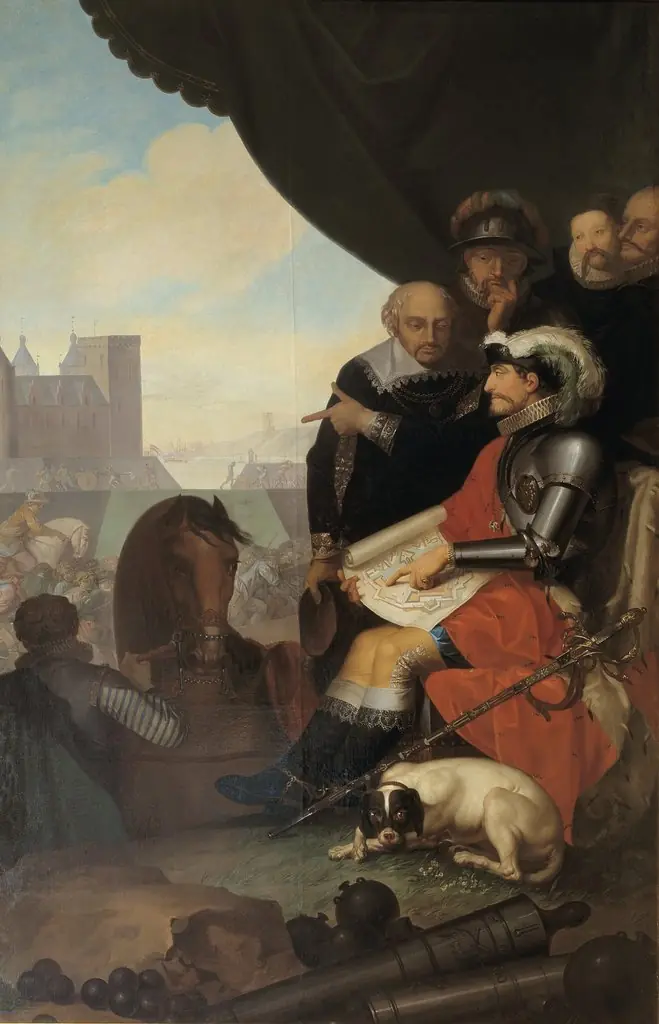 Frederik II Builds Kronborg Castle at Elsinore
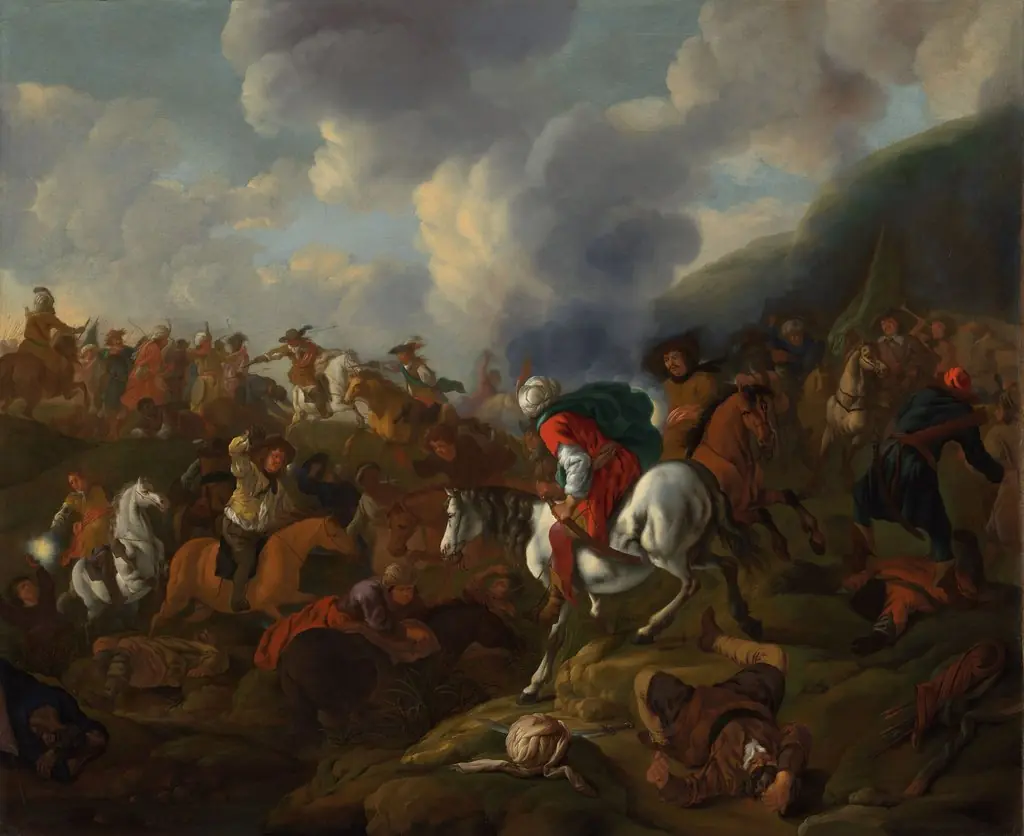 A Cavalry Encounter between Turkish Troops and the Troops of the Austrian Emperor