Artwork
Untitled
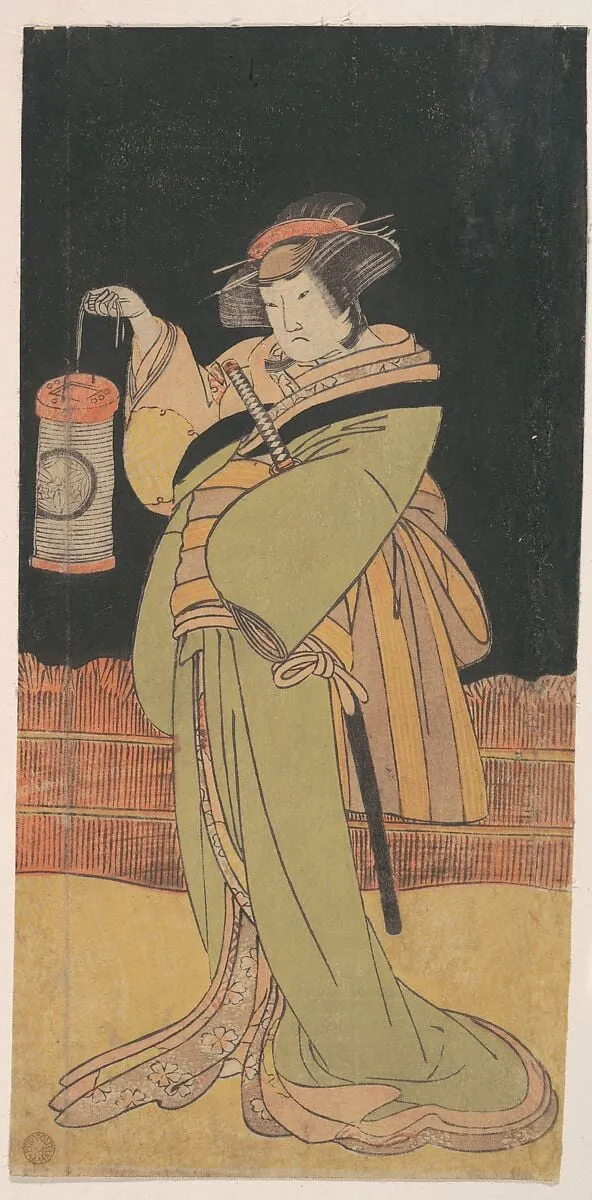
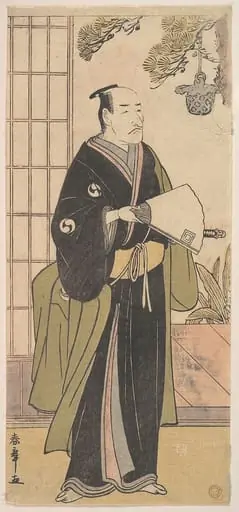
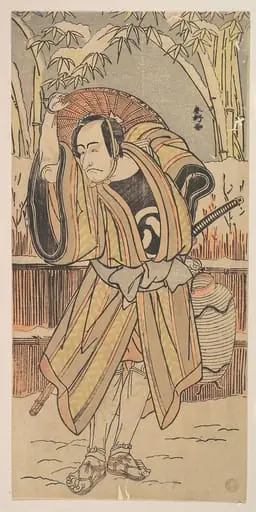
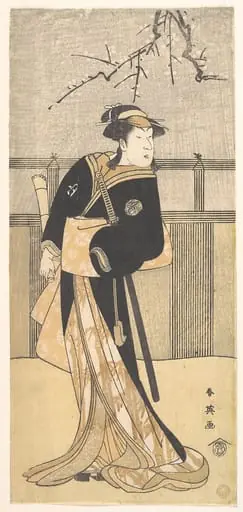
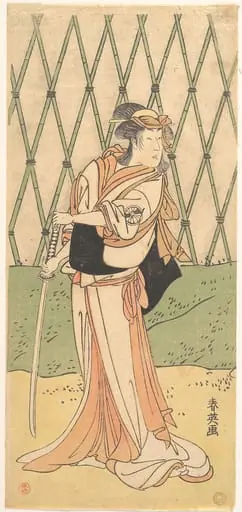
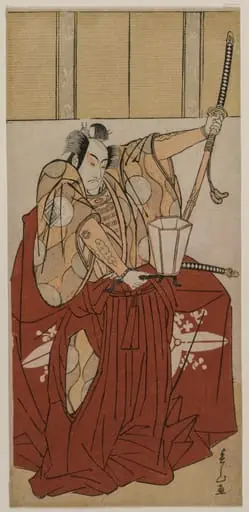
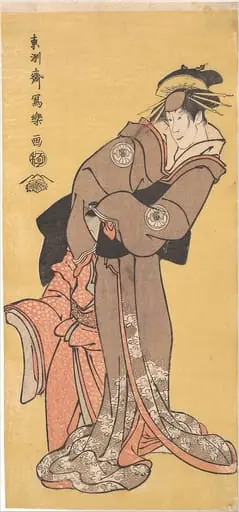
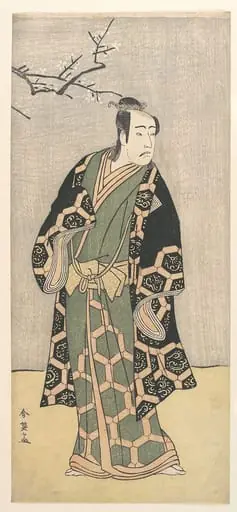
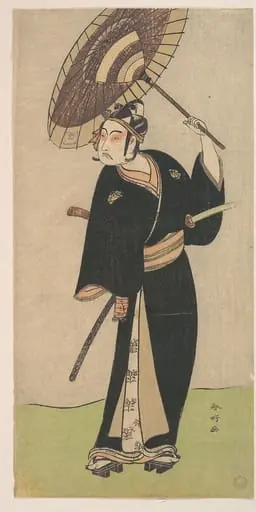
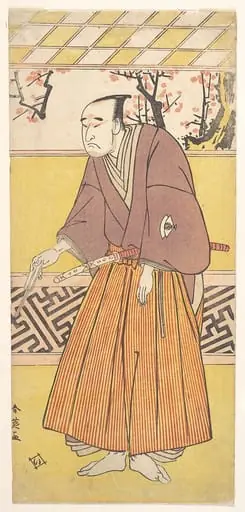
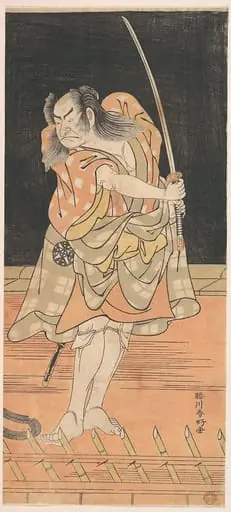
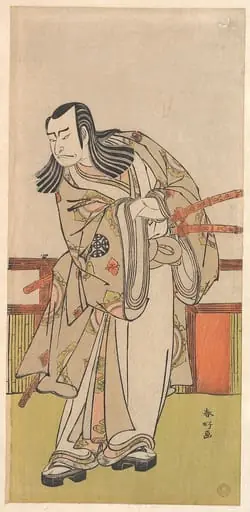
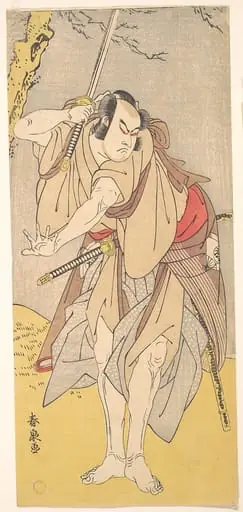
Untitled is an ink print by the Romanticist artist Katsukawa Shunshō. It dates from 1779 and is held in the collection of the Metropolitan Museum of Art.
About this work
Overview
Executed in the nishiki-e style, it employs ink and color on paper, reflecting the refined commercial printing practices of late 18th-century Edo.
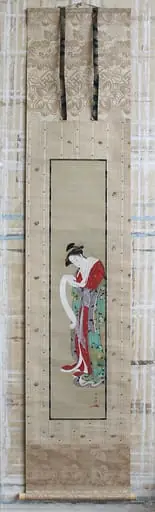
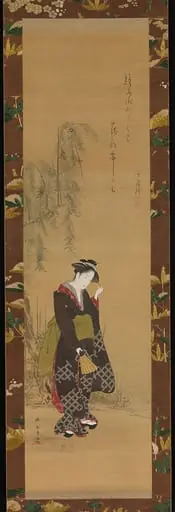
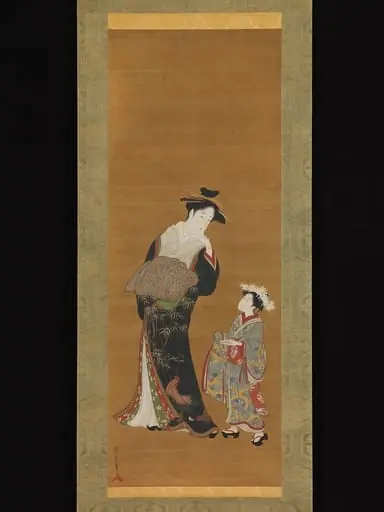
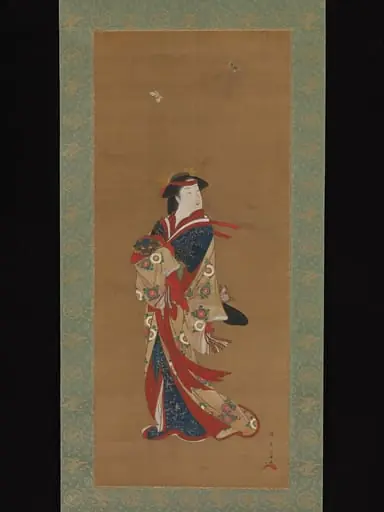
This woodblock print, dated around 1779, is attributed to Katsukawa Shunshō and is part of The Metropolitan Museum of Art’s collection. Executed in the nishiki-e style, it employs ink and color on paper, reflecting the refined commercial printing practices of late 18th-century Edo. The composition centers on a solitary female figure, rendered with subtle tonal gradations and minimal background detail, characteristic of Shunshō’s approach to portraiture.
Subject & Meaning
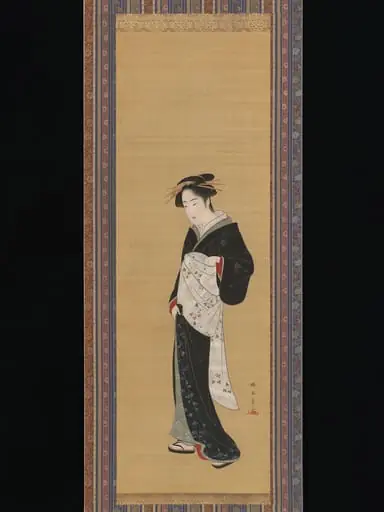
The figure is a woman dressed in an elongated robe, adorned with a red headpiece, standing in an interior space. She holds a small lantern, a recurring motif associated with theatrical performers or night-time rituals in Japanese visual culture. Her poised stance—hand on hip, gaze directed outward—suggests a moment of quiet contemplation or transition, possibly evoking a stage persona or a figure from popular narrative traditions of the time.
Technique & Style
The print was made using the nishiki-e method, involving multiple carved woodblocks for color layers. Shunshō employs fine lines and controlled cross-hatching to model form and suggest texture, particularly in the folds of the robe and the lantern’s surface. The dark, unmodeled background isolates the figure, emphasizing her presence. Color is restrained, with the red headpiece serving as the sole vivid accent against muted tones.
History & Provenance
Created during Shunshō’s mature period, this work emerged from a flourishing print culture in Edo that catered to urban audiences. Though unsigned, stylistic analysis links it to his workshop. It entered The Metropolitan Museum of Art’s collection through documented acquisitions of Japanese prints in the early 20th century, likely sourced from private collections or dealers specializing in ukiyo-e.
Context
In the late 1770s, Shunshō was known for portraits of kabuki actors and elegant women, often commissioned for commercial distribution. This print aligns with a broader trend of intimate, single-figure compositions that moved away from narrative scenes toward psychological nuance. The lantern, while practical, carried symbolic weight in theater and literature, hinting at themes of visibility, secrecy, or transition.
Legacy
Though less widely recognized than later ukiyo-e masters, Shunshō’s work laid foundational techniques for portrait printing. His use of restrained color and psychological presence influenced successors in the Katsukawa school and beyond. This print exemplifies the quiet sophistication of Edo-period printmaking, where everyday objects and gestures carried layered cultural resonance without overt drama.
Artist & collection
Artist
Katsukawa Shunshō spent his life in Edo (now Tokyo), where the city’s teahouses and theaters buzzed with energy.