Artwork
Untitled
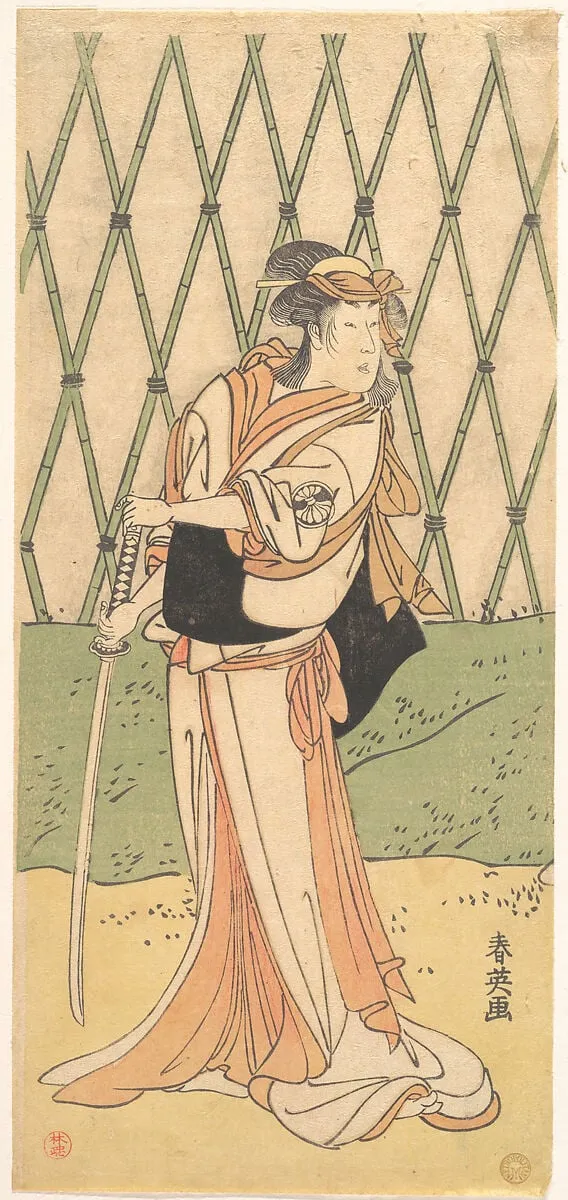
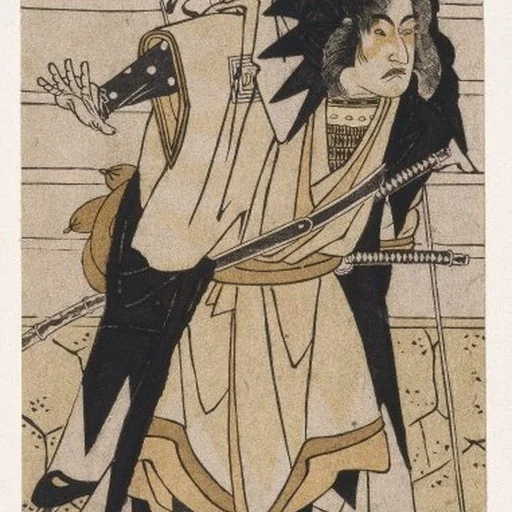
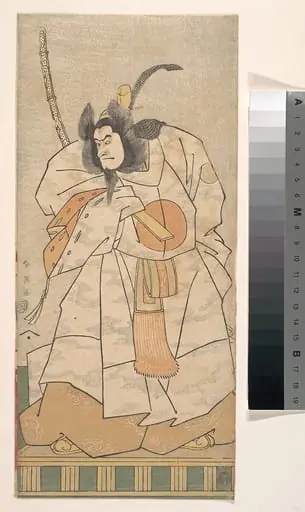
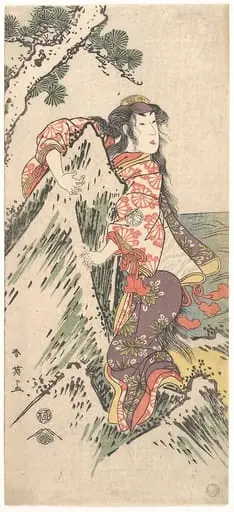
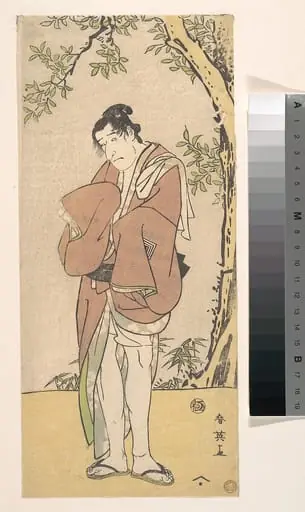
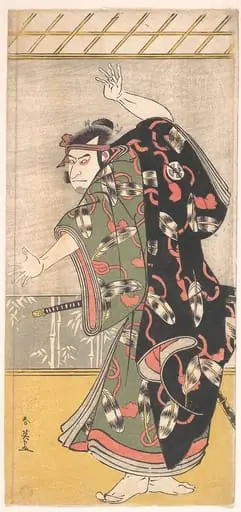
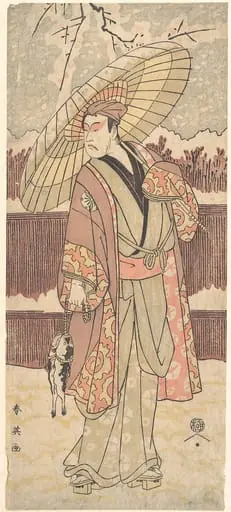
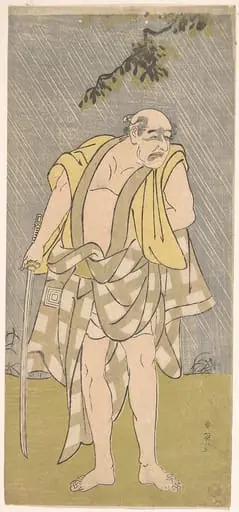
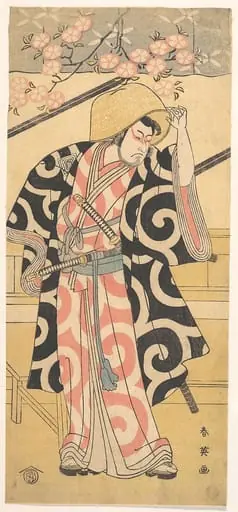
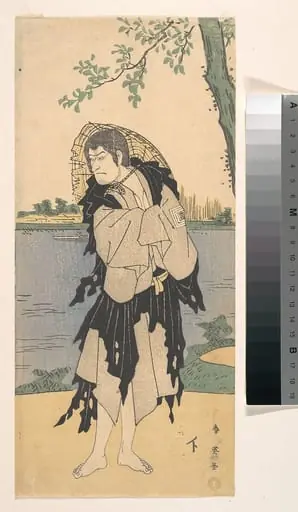
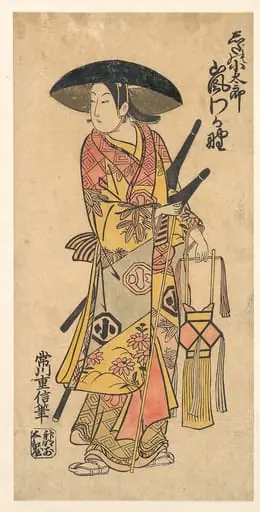
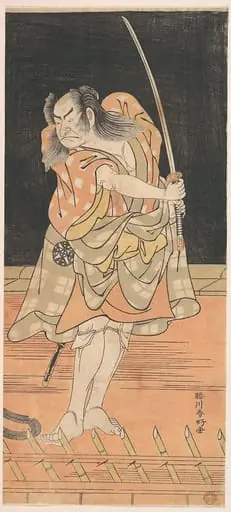
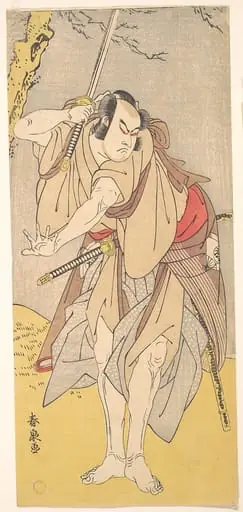
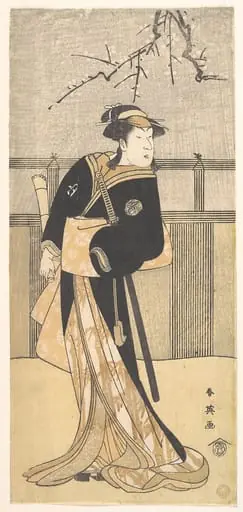
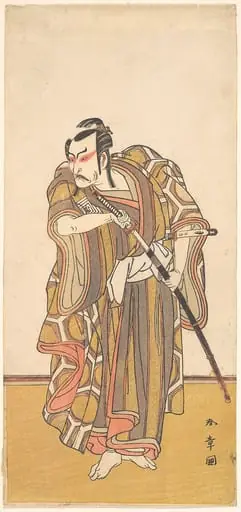
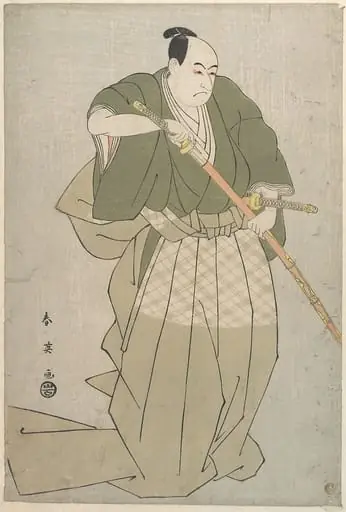
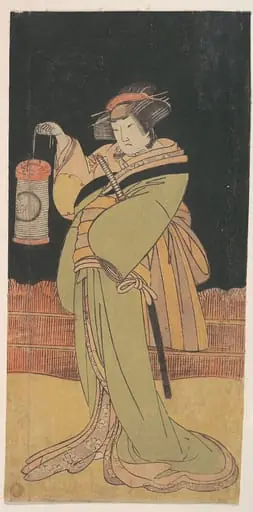
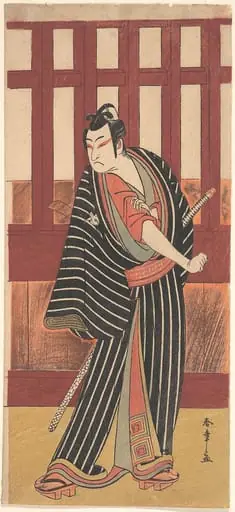
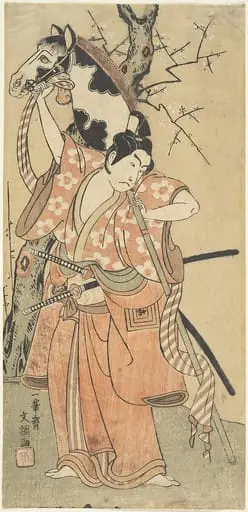
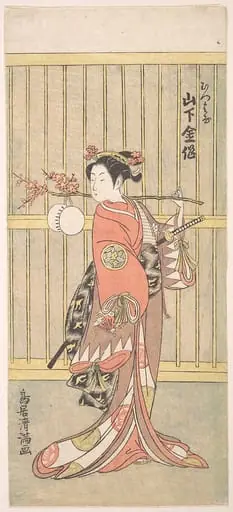
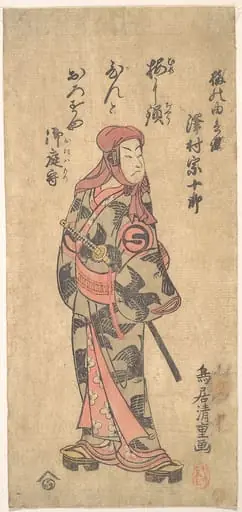
Untitled is an ink print by the Romanticist artist Katsukawa Shun'ei 勝川春英. It dates from 1788 and is held in the collection of the Metropolitan Museum of Art. This woodblock print, dated around 1788, is one panel from a triptych by Katsukawa Shun'ei.
About this work
Overview
This woodblock print, dated around 1788, is one panel from a triptych by Katsukawa Shun'ei. Executed in ink and color on paper, it belongs to the ukiyo-e tradition of Edo-period Japan. The work is currently held in the collection of The Metropolitan Museum of Art. Its restrained tonality and composed composition reflect the aesthetic sensibilities of late 18th-century Japanese printmaking.
Subject & Meaning
Her gaze, directed beyond the frame, implies awareness of an unseen presence or impending action, evoking tension without narrative clarity.
The figure is a woman dressed in a formal kimono, holding a sword with quiet composure. Her headband and elevated hairstyle suggest a身份 tied to warrior or elite status, though her identity remains unspecified. Her gaze, directed beyond the frame, implies awareness of an unseen presence or impending action, evoking tension without narrative clarity. The absence of overt symbolism invites contemplation rather than storytelling.
Technique & Style
The print employs fine linework and subtle color gradations typical of ukiyo-e craftsmanship. Bamboo stalks, bound with dark bands, form a structured background against a pale wall, creating rhythmic verticality. The palette is muted, emphasizing tonal harmony over vibrancy. The figure’s posture and the spatial arrangement convey stillness, aligning with the restrained elegance characteristic of Shun'ei’s portraiture.
History & Provenance
The print was produced during the Kansei era, a period of cultural regulation in Edo Japan. As part of a triptych, it was likely intended for private or elite circulation rather than mass distribution. It entered The Metropolitan Museum of Art’s collection through documented acquisition, though its early ownership history remains undocumented beyond its creation in the late 1780s.
Context
Katsukawa Shun'ei worked within a lineage of artists who specialized in bijin-ga and actor prints, yet this piece diverges by focusing on a solitary, armed woman—a less common subject. While contemporaries often depicted courtesans or kabuki actors, this image suggests a quiet subversion of gendered norms, possibly reflecting broader literary or theatrical themes of the time that idealized female resolve.
Legacy
Though not widely reproduced or celebrated in its time, the print contributes to a nuanced understanding of Edo-period visual culture beyond popular genres. Its quiet intensity and ambiguity have drawn scholarly attention in later decades, particularly in studies examining gender representation and the limits of narrative in ukiyo-e. It remains a quiet example of artistic experimentation within a rigid formal tradition.
Artist & collection