Artwork
Clara Maria, Duchess of Brunswick, Wife of August II
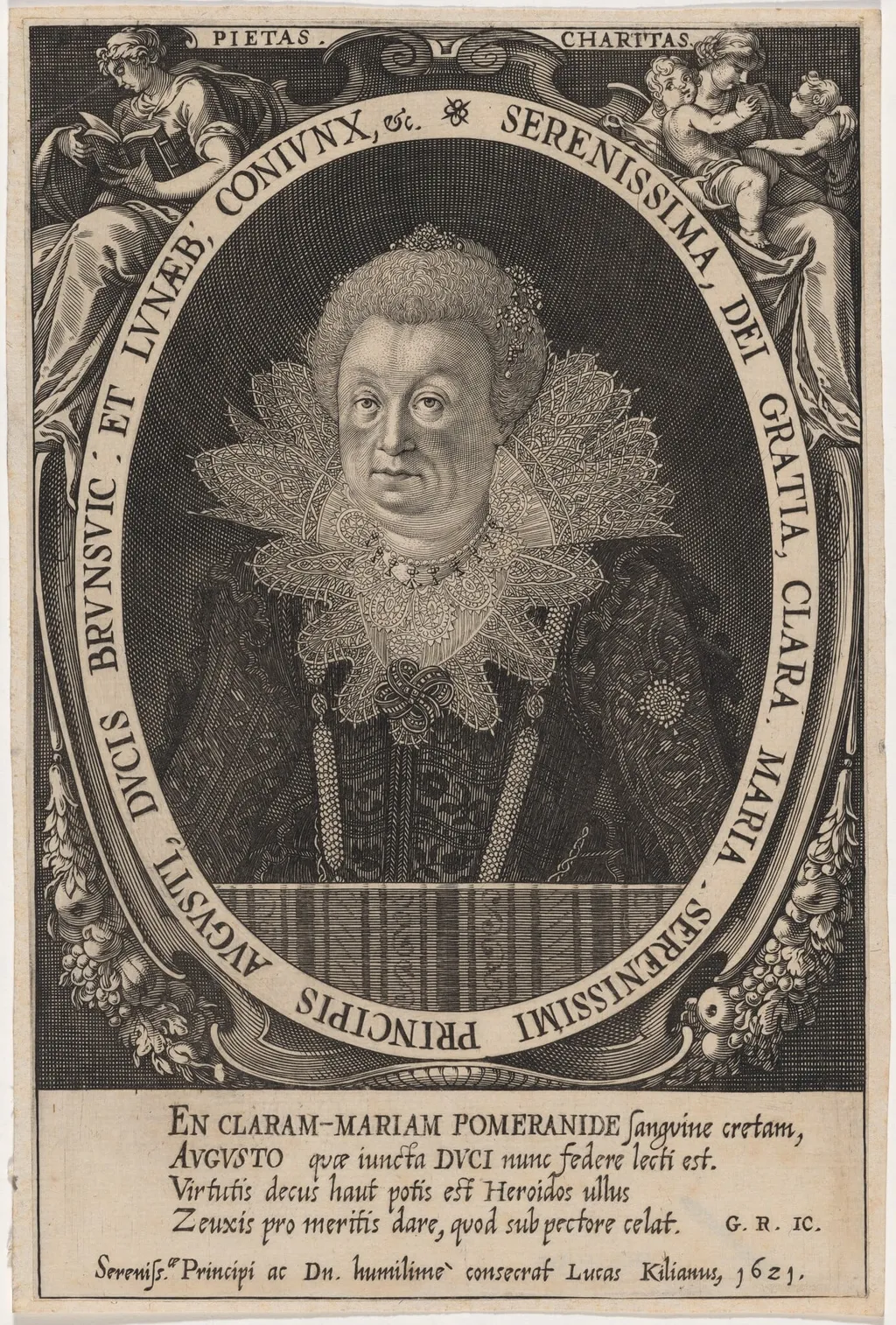
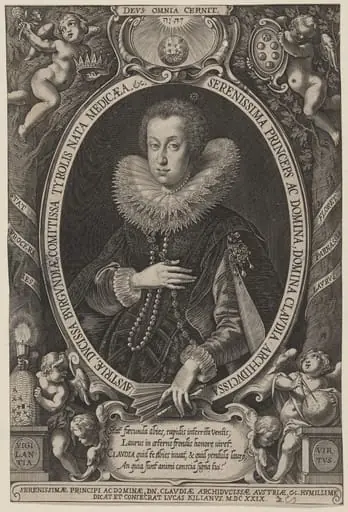
Clara Maria, Duchess of Brunswick, Wife of August II is an ink print by the Baroque artist Lucas Kilian. It dates from 1621 and is held in the collection of the National Gallery of Art.
About this work
Overview
Lucas Kilian created this 1621 engraving of Clara Maria, Duchess of Brunswick, as part of a series of portrait prints produced in early 17th-century Augsburg.
Lucas Kilian created this 1621 engraving of Clara Maria, Duchess of Brunswick, as part of a series of portrait prints produced in early 17th-century Augsburg. Executed in black ink on paper, the work reflects the precision and detail characteristic of Kilian’s technique, developed under the influence of the Custos workshop. The image is not a painting but a printed impression made from a metal plate carved with fine lines, a method widely used for disseminating likenesses of nobility.
Subject & Meaning
Clara Maria, born in 1579, is portrayed with solemn dignity, reflecting her status as the wife of August II, Elector of Saxony. Her composed expression and formal attire convey moral gravitas. Surrounding the portrait in Latin inscriptions are virtues attributed to her—wisdom, kindness, and restraint—common in dynastic portraiture to reinforce ideals of noble womanhood and familial legitimacy during a period of political consolidation in the Holy Roman Empire.
Technique & Style
Kilian employed fine-line engraving on copper to render texture and form with remarkable clarity. The lace ruff, pearl necklace, and coiffed curls are rendered through delicate cross-hatching and stippling, while the dark oval border frames the figure with restrained elegance. The Latin text encircling the portrait is meticulously etched, integrating verbal praise into the visual composition, a hallmark of scholarly portraiture in German print culture of the era.
History & Provenance
The engraving was produced in Augsburg, a center of printmaking excellence, during Kilian’s active years in the Custos workshop. It likely circulated among aristocratic circles as a commemorative image, possibly commissioned to mark Clara Maria’s role in the Saxon court. No specific early ownership records are documented, but similar works by Kilian appear in institutional collections, suggesting widespread distribution among educated elites.
Context
In the early 1600s, portrait engravings served as tools of political and familial representation, especially for women whose public roles were often defined through marriage and virtue. Clara Maria’s image aligns with broader trends in German printmaking that emphasized moral character over individual personality. The use of Latin inscriptions and classical framing reflects humanist ideals still influential in Protestant courts despite religious upheavals.
Legacy
Kilian’s portrait of Clara Maria exemplifies the transition from painted dynastic imagery to reproducible printed forms, expanding access to noble likenesses. While not widely known today, such engravings formed part of a visual language that shaped perceptions of aristocratic identity in early modern Europe. His technical precision and integration of text influenced later generations of German printmakers and portrait designers.
Artist & collection
Artist
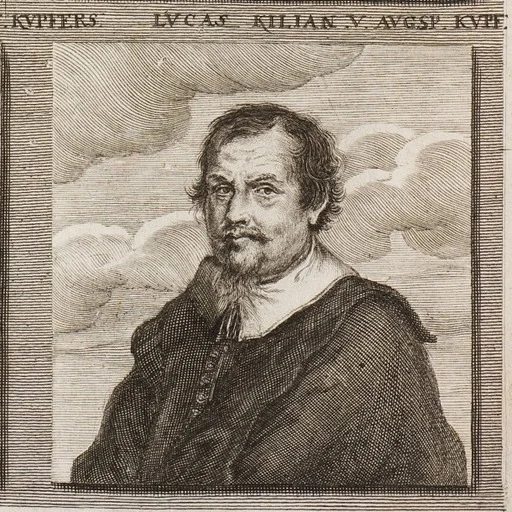
Lucas Kilian (Lucas Kilianus Augustanus; 1579–1637) was a German engraver and etcher from the Kilian family of engravers in Augsburg.

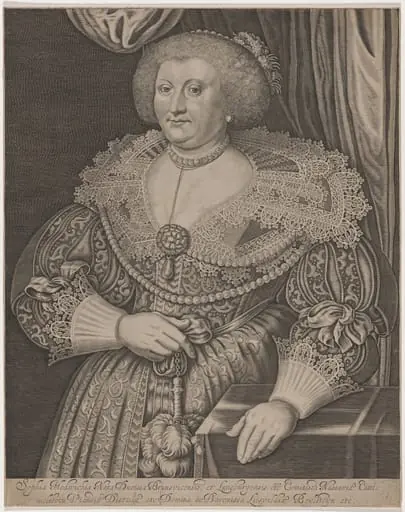 Sophia Hedwig, Duchess of Brunswick
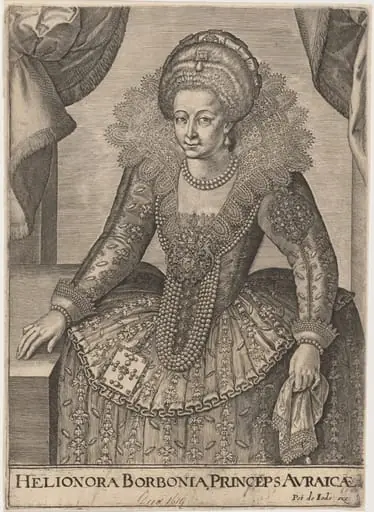 Eleanora, Princess of Orange
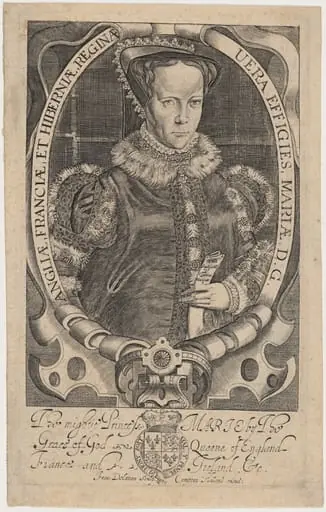 Mariae, D.G. Angliae, Franciae et Hiberniam Reginae (Mary I)
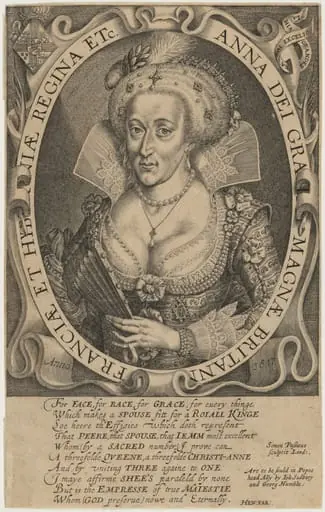 Anne of Denmark
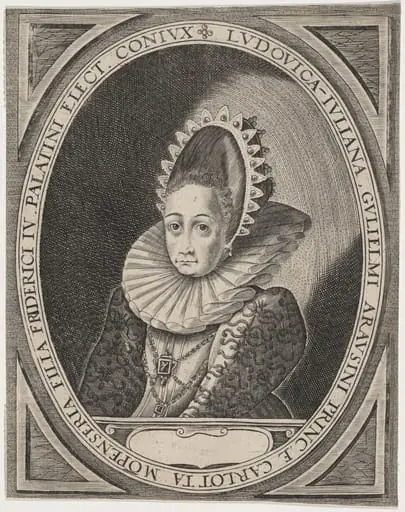 Louise Juliana, Wife of Frederick IV
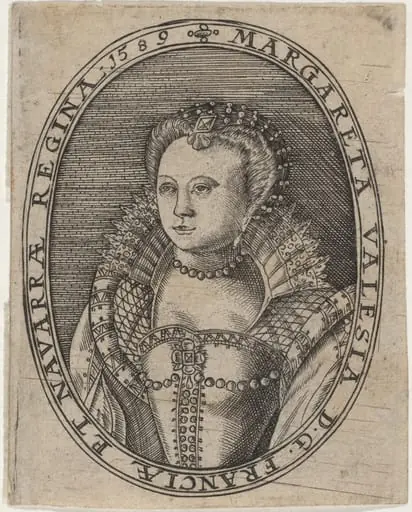 Marguerite de Valois, Wife of Henry of Navarre
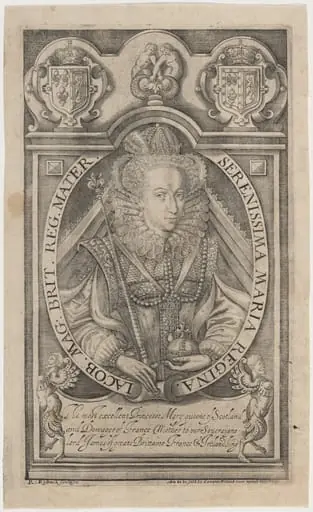 Mary, Queen of Scots
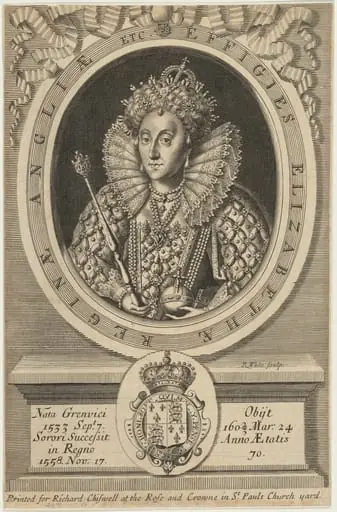 Queen Elizabeth
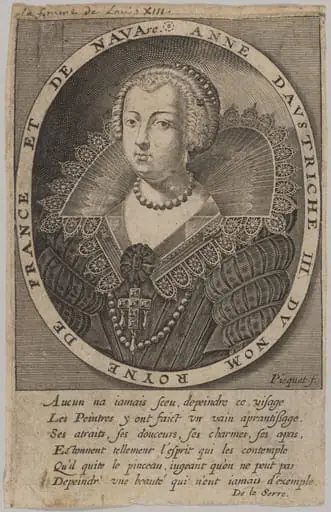 Anne of Austria, Wife of Louis XIII
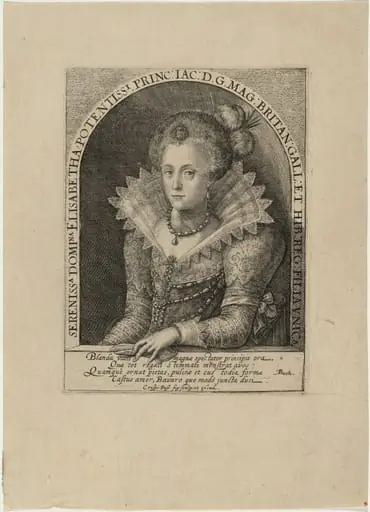 Elizabeth, Princess, Wife of the Elector Palatine Frederick V, King of Bohemia