Artwork
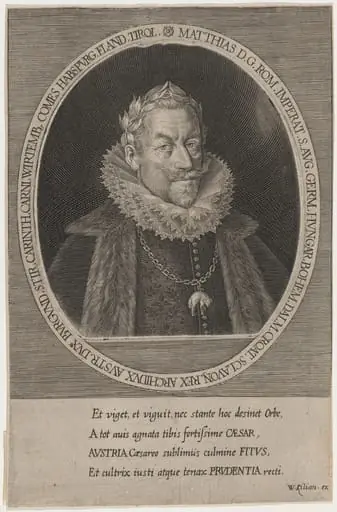
Matthias, Roman Emperor
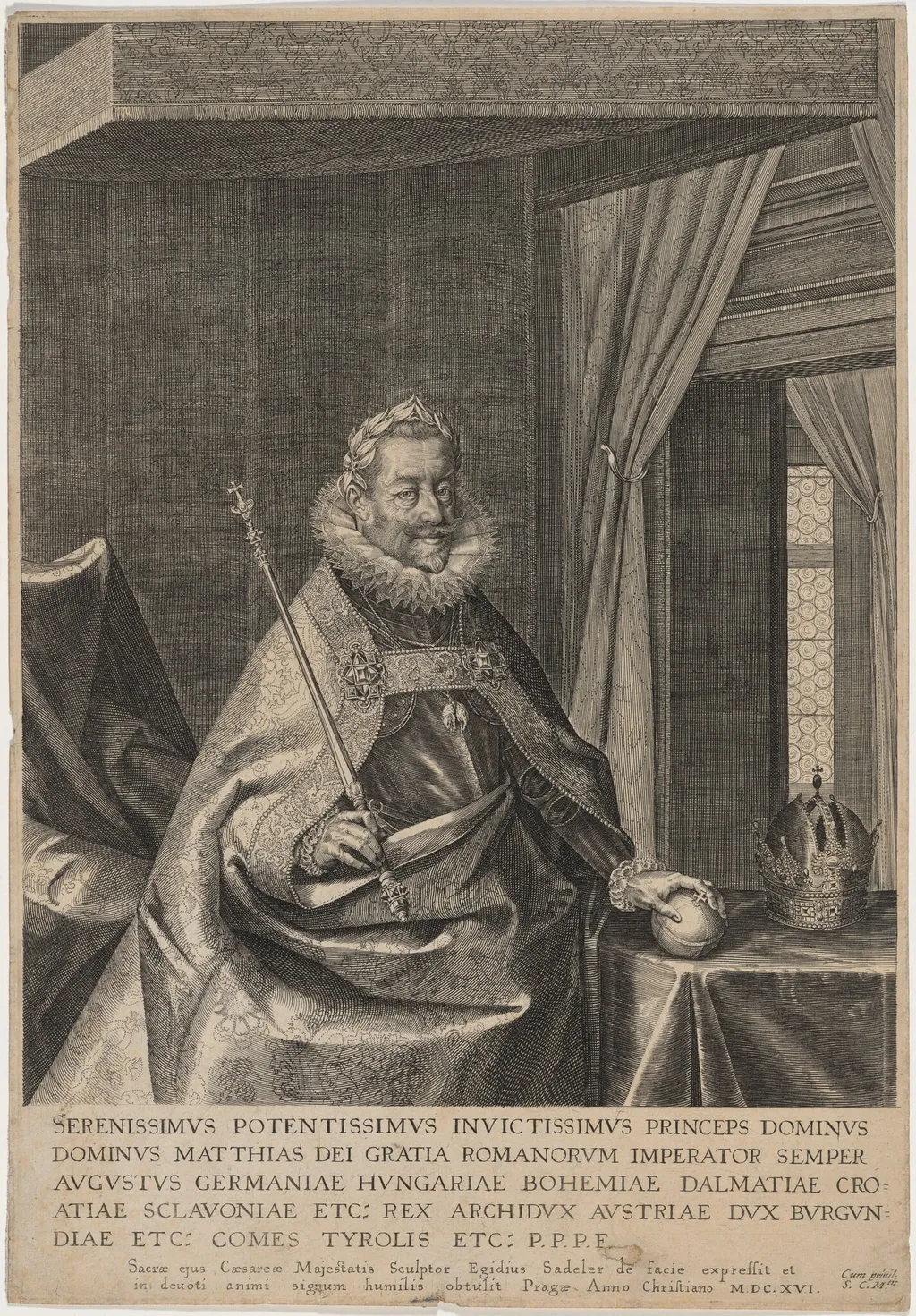
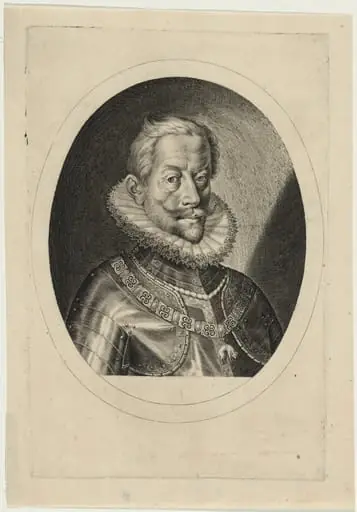
Matthias, Roman Emperor is an ink print by the Renaissance artist Aegidius Sadeler II. It dates from 1600 and is held in the collection of the National Gallery of Art.
About this work
Overview
Sadeler, a Flemish artist active in Prague under Rudolf II, specialized in reproductive prints that captured the likenesses of European nobility.
Created in 1600 by Aegidius Sadeler II, this engraving portrays Matthias, who would become Holy Roman Emperor in 1612. Sadeler, a Flemish artist active in Prague under Rudolf II, specialized in reproductive prints that captured the likenesses of European nobility. The work is a precise, monochromatic rendering intended for wide dissemination among elite audiences, reflecting the court’s interest in controlled image-making.
Subject & Meaning
Matthias is depicted in full regalia—crowned, robed in ornate fabric, and holding a scepter—emphasizing his imperial authority before his formal ascension. His direct gaze and composed posture convey solemn dignity, aligning with the conventions of dynastic portraiture. The dark background and drawn curtains focus attention on his presence, reinforcing the idea of rulership as both personal and institutional.
Technique & Style
Sadeler employed fine cross-hatching and delicate line work to render texture in the emperor’s garments and the play of light across his face. The engraving’s precision reflects the Northern Renaissance tradition of meticulous detail, where tonal gradations are achieved through controlled ink lines rather than shading. The composition avoids ornamentation, prioritizing clarity and psychological presence.
History & Provenance
The print was produced during Matthias’s tenure as governor of the Habsburg hereditary lands, before his elevation to emperor. Sadeler, working in the imperial court at Prague, likely made this image for diplomatic or ceremonial use. Copies circulated among nobility and collectors, serving as both political statement and artistic artifact within the Habsburg network of visual propaganda.
Context
In early 17th-century Europe, engraved portraits were vital tools for projecting power across distances where physical presence was impossible. Sadeler’s work fits within a broader practice of court artists translating painted likenesses into reproducible forms. This print reflects the Habsburgs’ investment in image control during a period of religious and political instability.
Legacy
Sadeler’s engraving of Matthias exemplifies the role of reproductive printmaking in shaping early modern political identity. While not widely known today, such works were instrumental in standardizing the visual language of monarchy. His technical refinement influenced later generations of engravers in Central Europe, embedding courtly portraiture into the print culture of the era.
Artist & collection
Artist
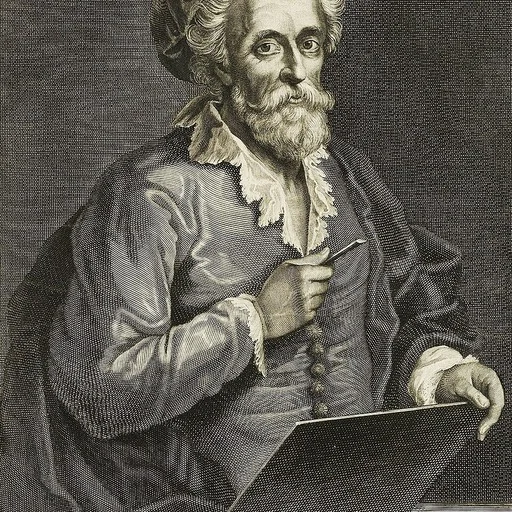
Aegidius Sadeler or Aegidius Sadeler II (1570–1629) was a Flemish engraver who was principally active at the Prague court of Rudolf II, Holy Roman Emperor and his successors.

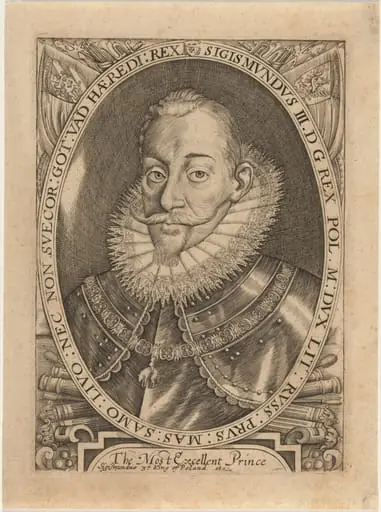 Sigismund III, King of Poland and Sweden
 Emmanuel Philibert, Duke of Savoy, Prince of Piedmont
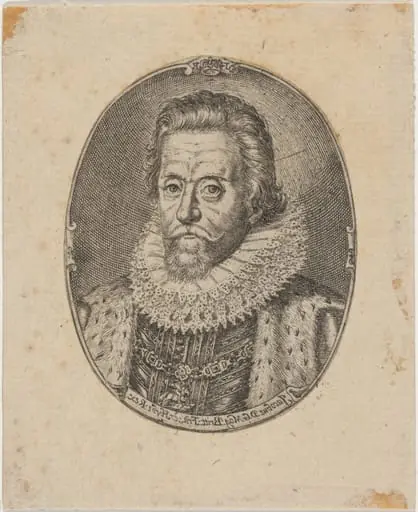 James I, King of England
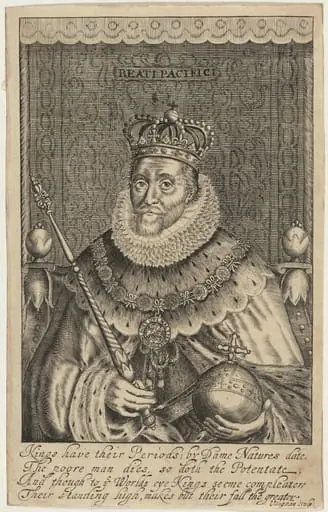 James I
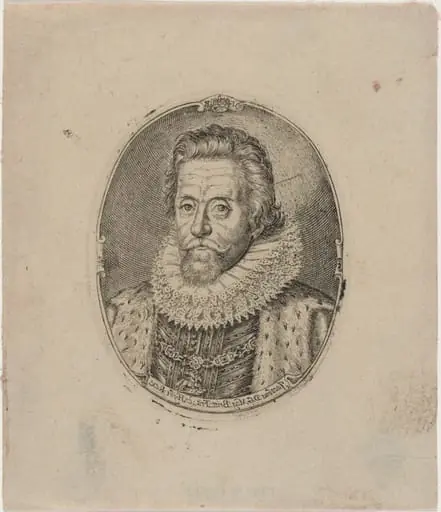 James I, King of England
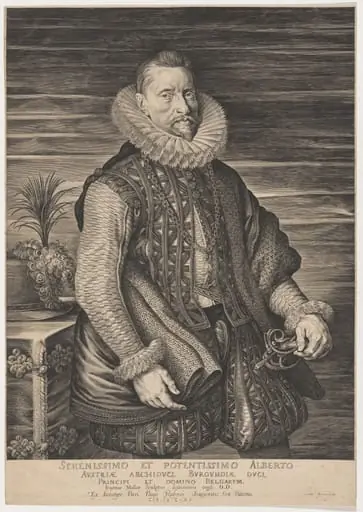 Albert, Archduke of Austria
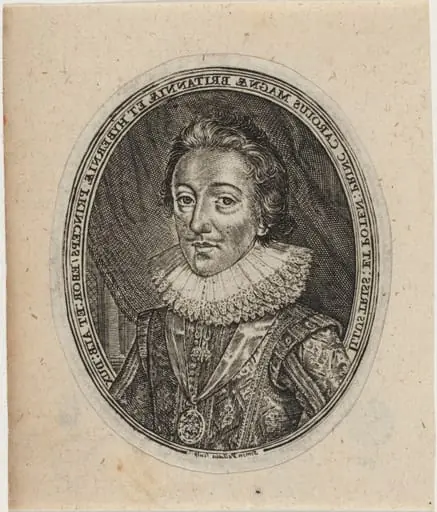 Charles I, King of England
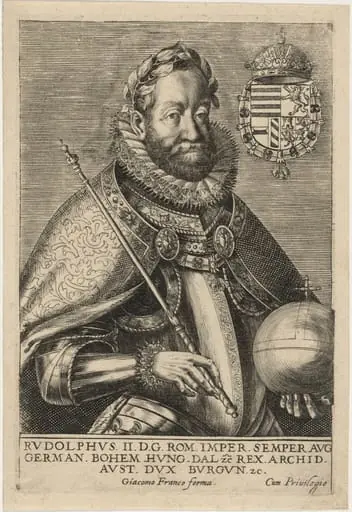 Rudolph II, Roman Emperor
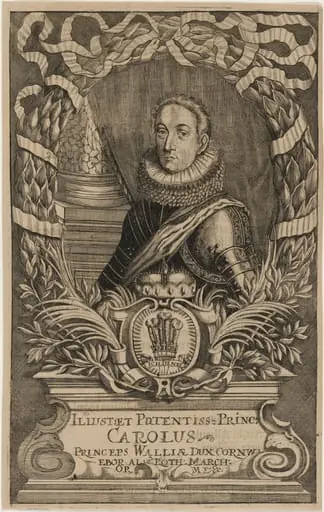 Charles I as Prince of Wales
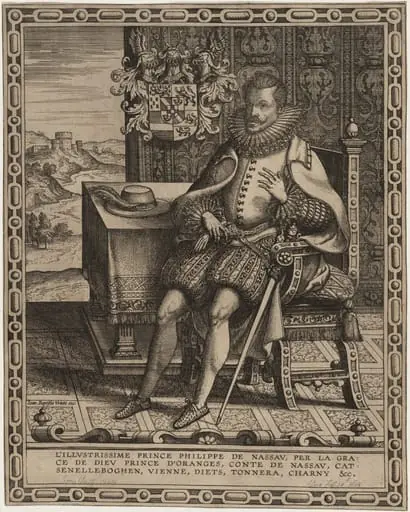 Philip William, Prince of Nassau
 Emperor Matthias
 Ferdinand II, Roman Emperor