Artwork
Albrecht Wenzel Euscbius von Wallenstein
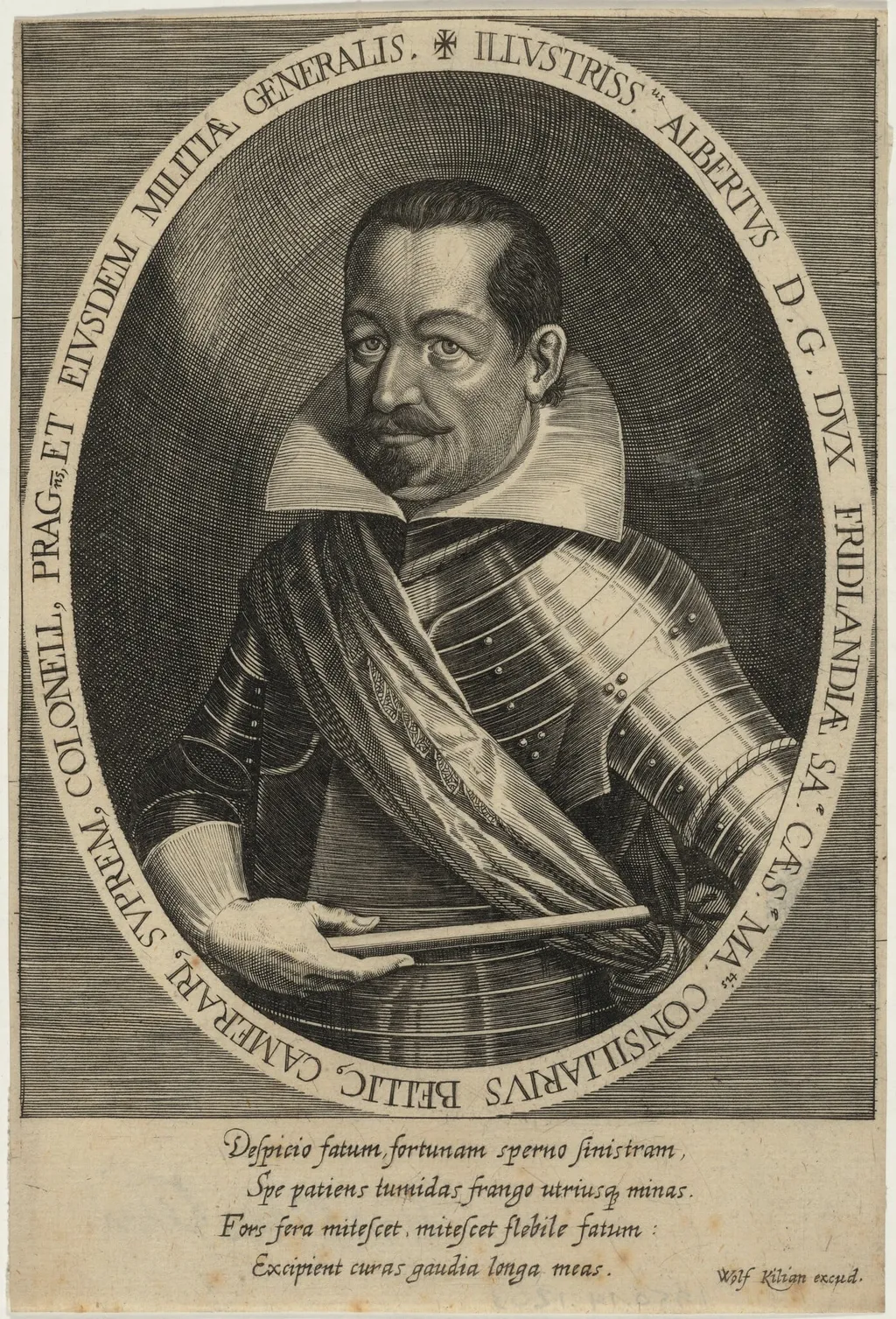
Albrecht Wenzel Euscbius von Wallenstein is an ink print by the Baroque artist Wolfgang Philipp Kilian. It dates from 1693 and is held in the collection of the National Gallery of Art.
About this work
Overview
Wolfgang Philipp Kilian’s 1693 engraving presents a solitary figure clad in armor, framed within a circular border that is encircled by inscriptional text. The composition balances the martial attire with a composed facial expression, offering a concise yet formal representation typical of late‑17th‑century portrait prints.
Subject & Meaning
The sitter, depicted in full plate armor with a high collar and a sword at his side, conveys the ideals of nobility and martial virtue. His serious gaze, softened by a faint smile, suggests a contemplative demeanor, hinting at personal dignity rather than overt bravado.
Technique & Style
Kilian employs a dense cross‑hatching technique, layering fine lines to render texture in metal, fabric, and skin. This meticulous approach creates subtle tonal variations that give the portrait a three‑dimensional quality, aligning it with the dramatic yet controlled aesthetic of Baroque engraving.
History & Provenance
Created in 1693, the print bears the signature of Wolfgang Philipp Kilian, a prominent German engraver of the period. While the identity of the armored figure remains uncertain, the work has circulated among collections of early modern prints, reflecting Kilian’s reputation for portraiture.
Context
The engraving exemplifies the Baroque fascination with detailed realism and theatrical presentation in portraiture. Its formal composition, elaborate armor, and ornamental frame echo contemporary trends in courtly imagery, where prints served both as personal commemorations and as disseminated symbols of status.
Artist & collection

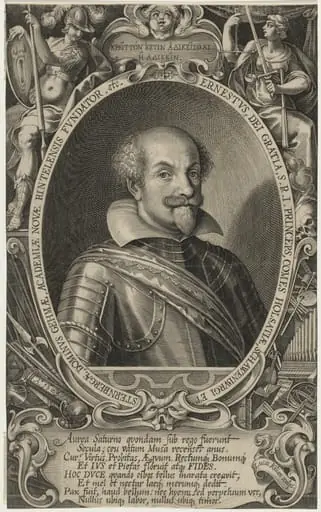 Ernest of Holstein, Schawenburg and Sternberg, Prince of Holy Roman Empire
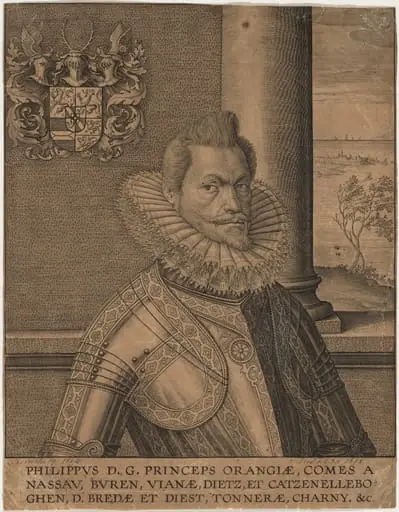 Philip William, Prince of Orange
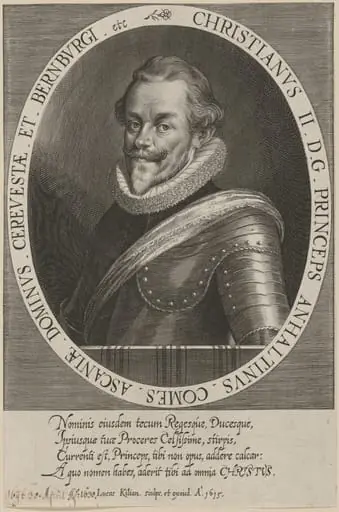 Christian II
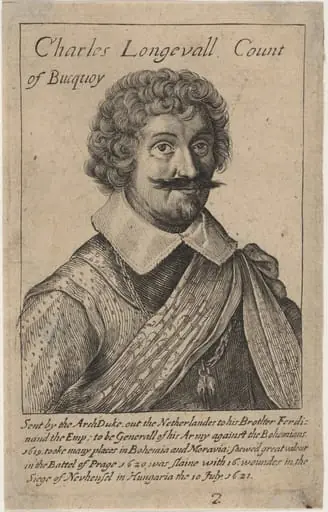 Charles, Count of Bucquoy
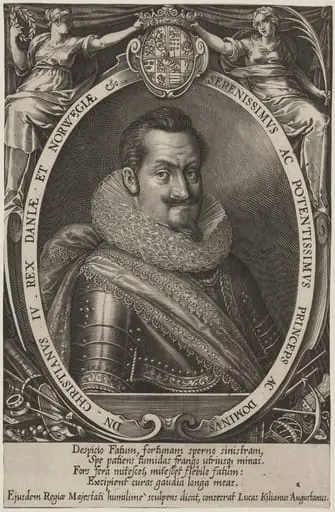 Christian IV of Denmark
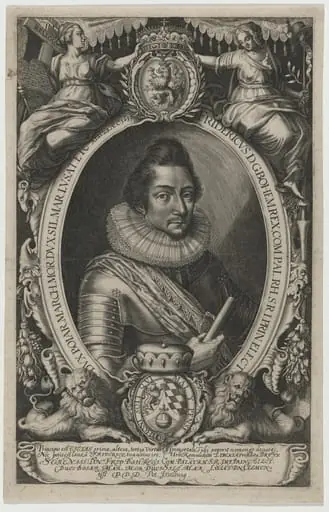 Frederick V, King of Bohemia
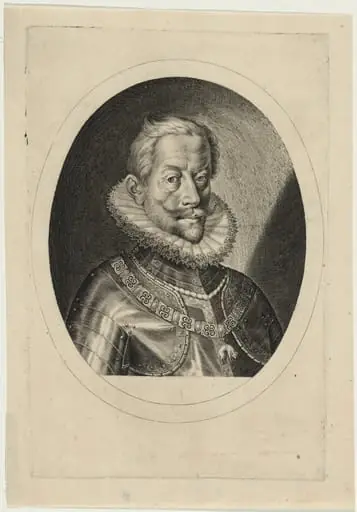 Emmanuel Philibert, Duke of Savoy, Prince of Piedmont
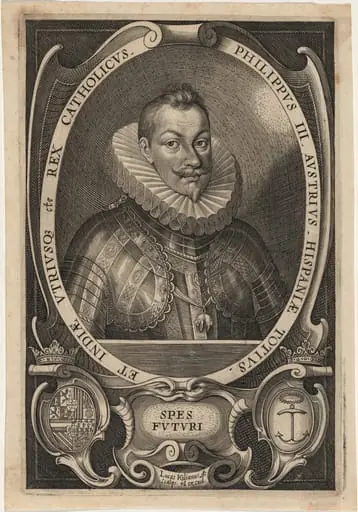 Philip III, King of Spain
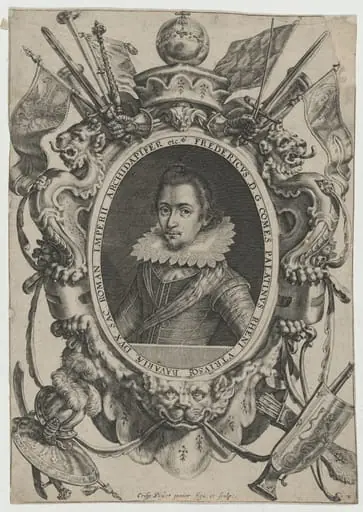 Frederick V, Elector Palatine, King of Bohemia
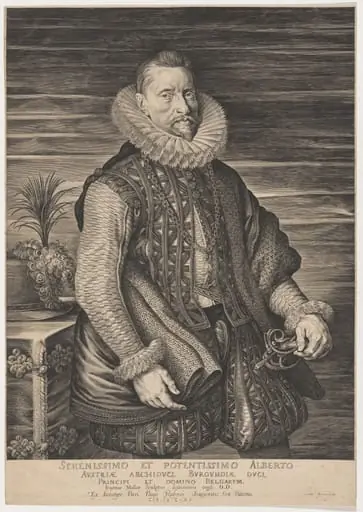 Albert, Archduke of Austria
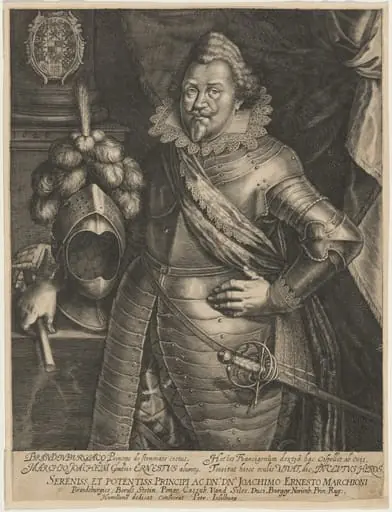 Joachim Ernest, Elector of Brandenburg