Artwork
William, Duke of Saxony
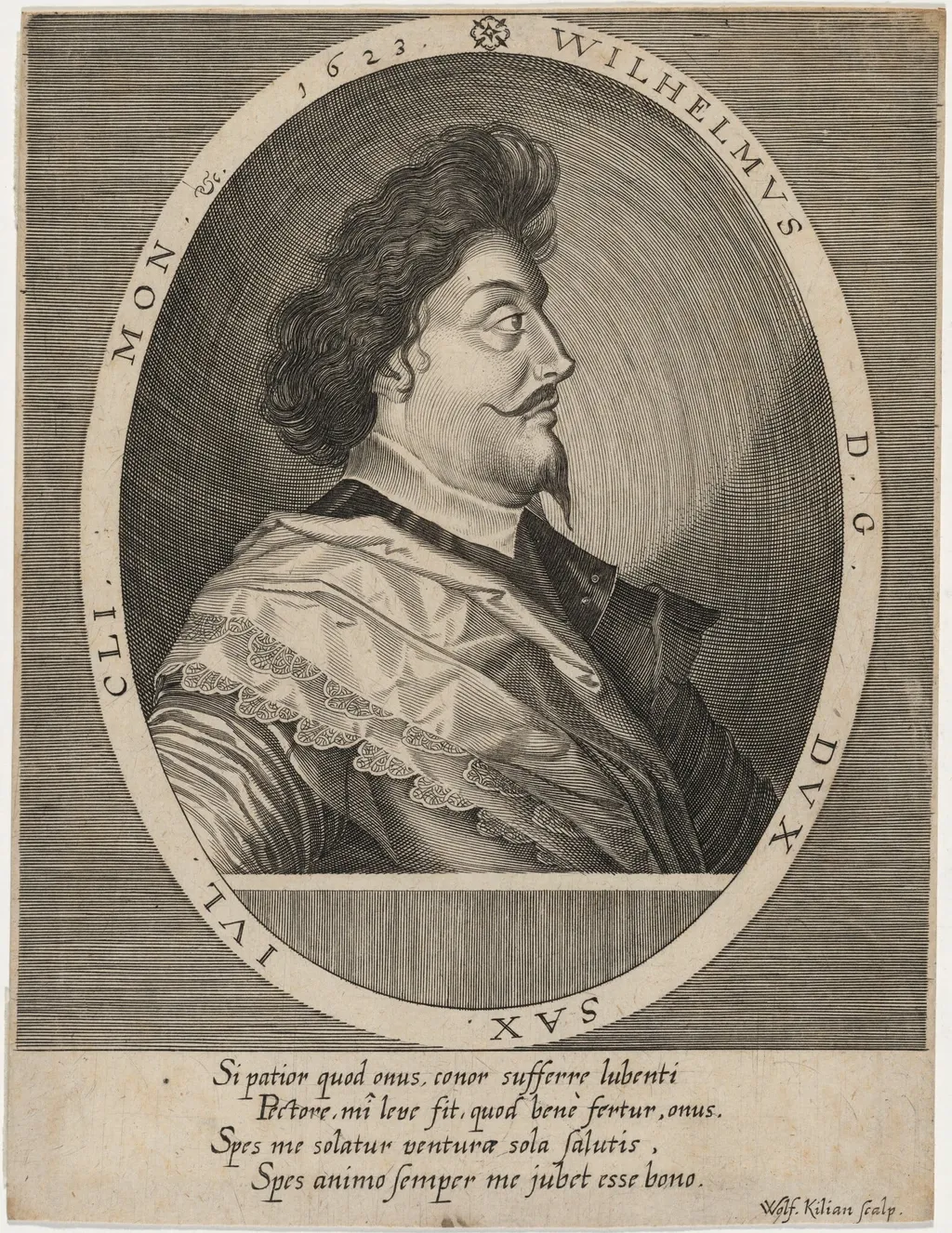
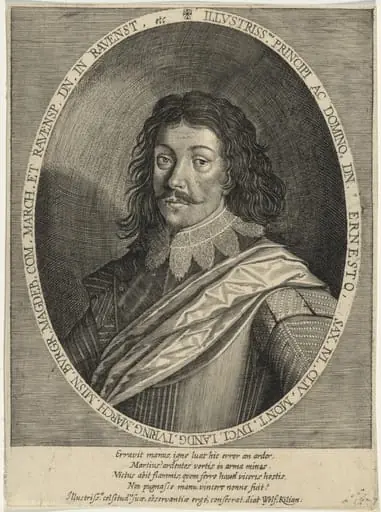
William, Duke of Saxony is an ink print by the Baroque artist Wolfgang Kilian. It dates from 1623 and is held in the collection of the National Gallery of Art.
About this work
The words around the edges are in Latin, but the key detail is the artist’s signature at the bottom: *Wolfgang Kilian sculpsit*.
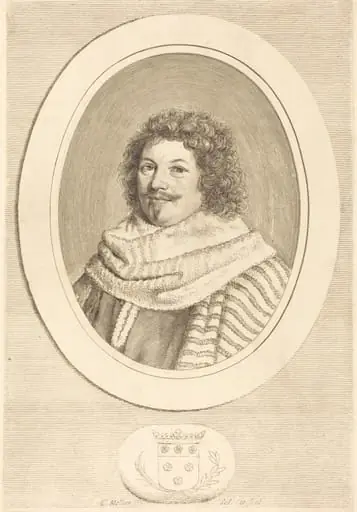
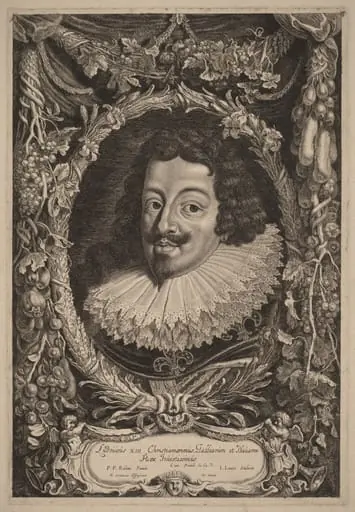
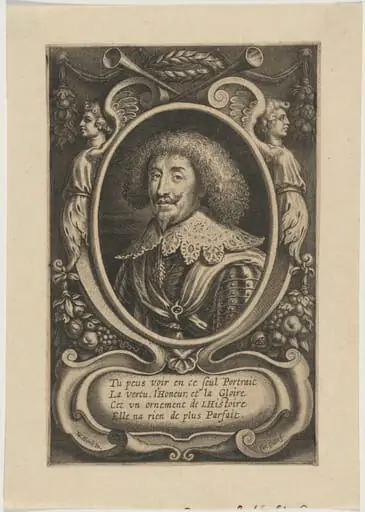
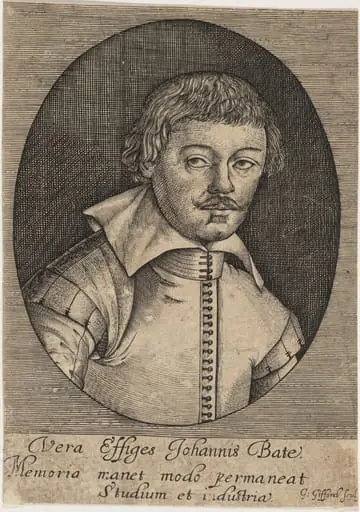
This is a black-and-white portrait of a man with curly hair and a mustache. He’s wearing a fancy collar with lace trim and a dark coat. The background is plain, but his face is detailed—you can see the texture of his hair and the shadow on his cheek.
The name "Wilhelmus" is written at the top, and the date "1623" is stamped in the corner. The words around the edges are in Latin, but the key detail is the artist’s signature at the bottom: *Wolfgang Kilian sculpsit*.
This is an engraving, which means the artist etched the image into metal first.
Overview
William, Duke of Saxony is a print portrait created through the engraving process.
Subject & Meaning
The portrait depicts a man, identified as William, Duke of Saxony, with distinctive curly hair and a mustache, dressed in formal attire with a lace-trimmed collar. The Latin inscriptions provide context, with the name 'Wilhelmus' prominently displayed.
Technique & Style
The engraving, signed by Wolfgang Kilian, features detailed textures and shading, particularly in the subject's face and hair, against a plain background. The technique involved etching the image into metal before printing.
History & Provenance
The work is dated 1623, as indicated by the date stamped in the corner, and bears the artist's signature, 'Wolfgang Kilian sculpsit', confirming its creation by Kilian in that year.
Artist & collection