Artwork
Sir Anthony Shirley
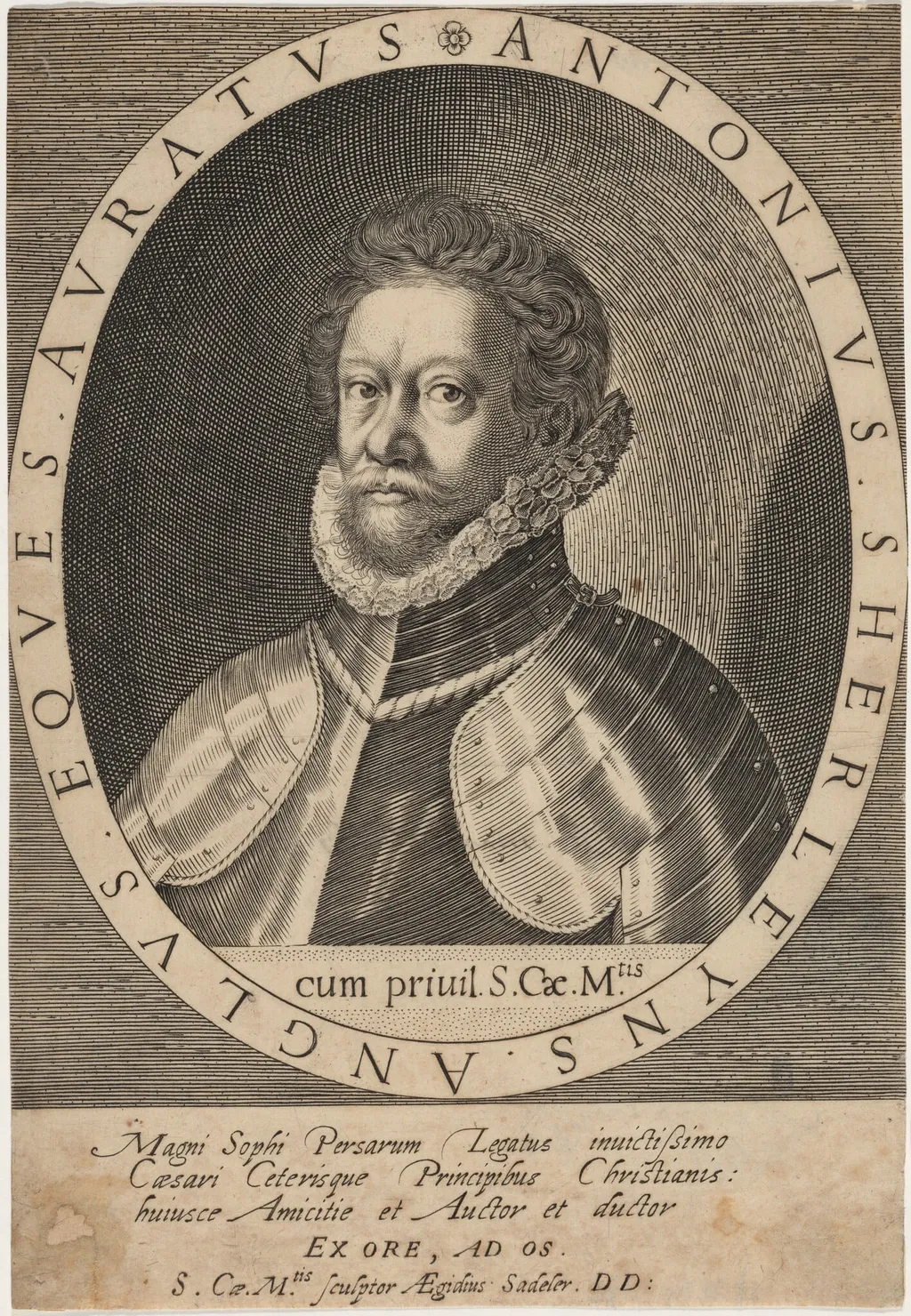
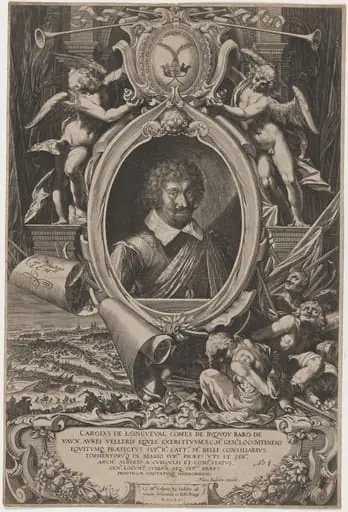
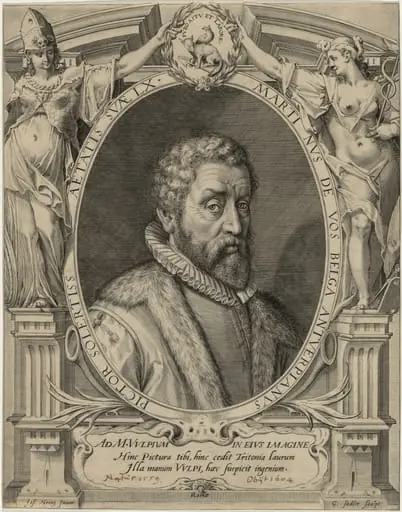
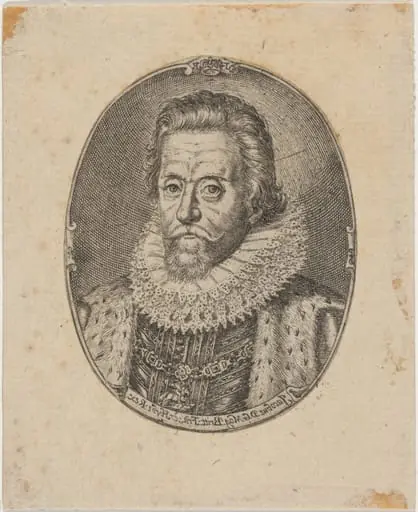
Sir Anthony Shirley is an ink print by the Renaissance artist Aegidius Sadeler II. It dates from 1600 and is held in the collection of the National Gallery of Art.
About this work
Overview
Executed in black ink on paper, the portrait follows the conventions of courtly portraiture in early 17th-century Central Europe.
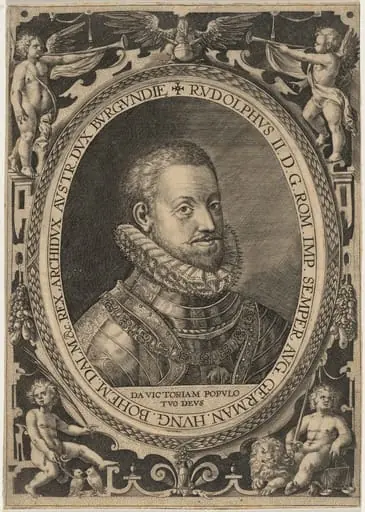
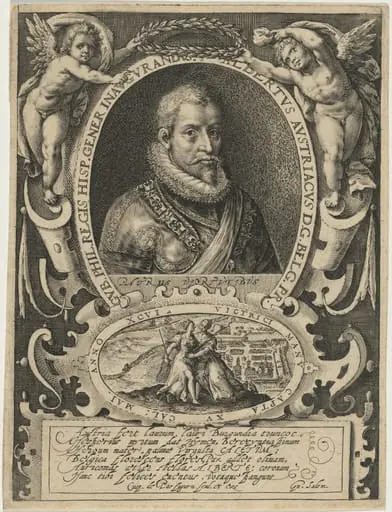
This 1600 engraving by Aegidius Sadeler II portrays the English traveler Sir Anthony Shirley. Executed in black ink on paper, the portrait follows the conventions of courtly portraiture in early 17th-century Central Europe. Sadeler, a Flemish artist working in Prague under Emperor Rudolf II, employed the precise technique of engraving to capture a likeness with controlled linework and tonal gradation, typical of the period's demand for detailed, reproducible images of notable figures.
Subject & Meaning
Sir Anthony Shirley, an English adventurer and diplomat, was known for his travels to Persia and his involvement in European political networks. The portrait presents him with a stern, direct gaze and formal attire, emphasizing his status and gravitas. The Latin inscriptions framing the oval likely identify him by name and title, reinforcing his identity as a figure of international significance. The plain background focuses attention on his persona, aligning with the era’s preference for dignified, unadorned representation.
Technique & Style
Sadeler used fine, incised lines to model Shirley’s facial features, creating subtle shifts in light and shadow that convey volume and texture. The ruff collar and curly hair are rendered with meticulous cross-hatching, while the oval border incorporates engraved text as a decorative and informative element. The monochrome palette and controlled precision reflect the engraver’s mastery of metalplate printing, a technique valued for its clarity and capacity for mass reproduction among educated elites.
History & Provenance
Created in Prague during Sadeler’s tenure at the Habsburg court, the print was likely produced for circulation among patrons interested in foreign dignitaries and explorers. As part of a broader trend in Central European print culture, such portraits served both as records and as symbols of cultural connection. The work’s survival suggests it was preserved in private or institutional collections, possibly linked to scholarly or diplomatic circles familiar with Shirley’s activities.
Context
In the late 16th and early 17th centuries, engraving became a primary medium for disseminating images of explorers, nobles, and scholars across Europe. Prague, under Rudolf II, emerged as a hub for such activity, attracting artists who catered to a courtly interest in natural philosophy, geography, and foreign cultures. Shirley’s portrait fits within this context, reflecting the era’s fascination with global exploration and the visual documentation of its participants.
Legacy
Sadeler’s engraving of Shirley contributes to a broader archive of early modern portraiture that helped shape public perception of travelers and diplomats. While not widely known today, such prints were instrumental in constructing the visual identity of figures who bridged European and non-European worlds. The work remains a testament to the role of printmaking in the circulation of knowledge and the construction of individual reputation during the Renaissance.
Artist & collection
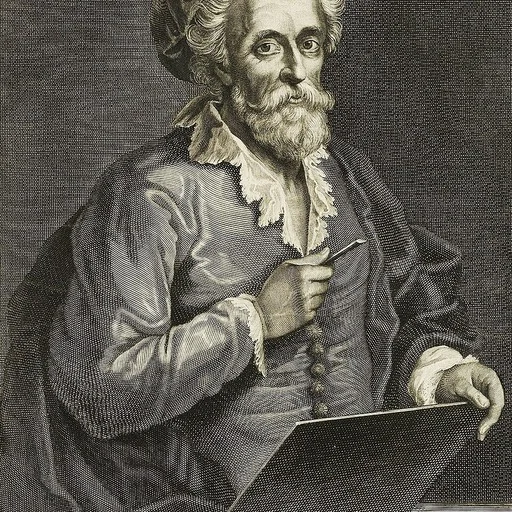
Artist
Aegidius Sadeler or Aegidius Sadeler II (1570–1629) was a Flemish engraver who was principally active at the Prague court of Rudolf II, Holy Roman Emperor and his successors.