Artwork
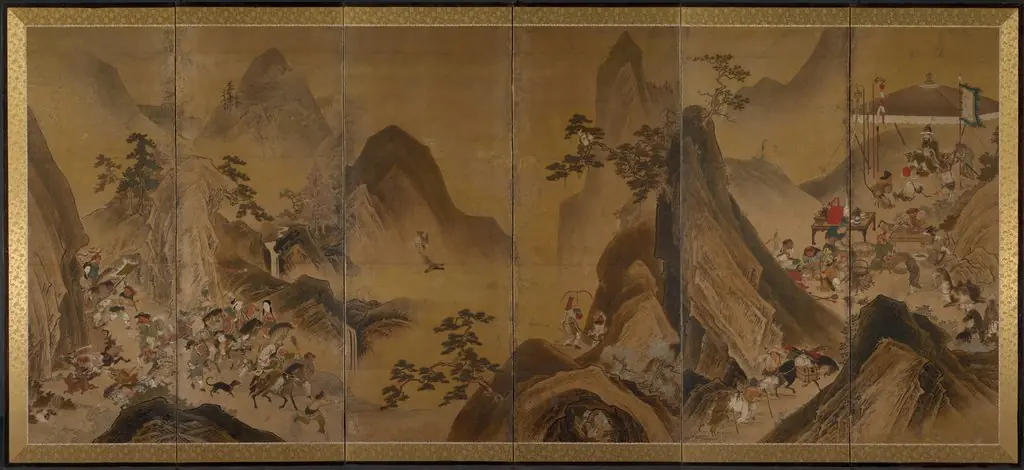
Winter Scene from the Romance of the Three Kingdoms
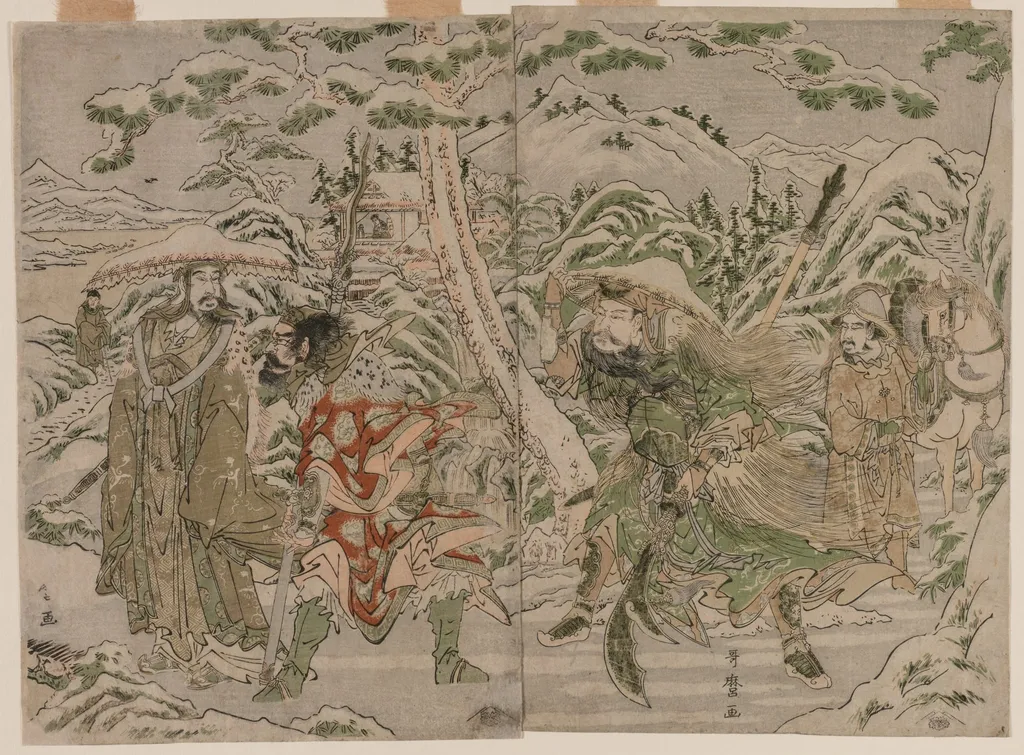
Winter Scene from the Romance of the Three Kingdoms is a print by the Romanticist artist Kitagawa Utamaro. It dates from 1790 and is held in the collection of the Cleveland Museum of Art.
About this work
Overview
Created around 1790, this woodblock print by Kitagawa Utamaro illustrates a moment from the classical Chinese novel Romance of the Three Kingdoms. It belongs to a series depicting scenes from the text, rendered in the ukiyo-e tradition. The print is part of the collection at The Cleveland Museum of Art, where it is preserved as an example of late 18th-century Japanese narrative printmaking.
Subject & Meaning
The snow-laden forest and distant structure suggest isolation and the harshness of war, reinforcing the narrative’s themes of loyalty and conflict.
The scene captures a confrontation between two warriors in a wintry landscape, likely drawn from the novel’s battles among rival generals. The figures, distinguished by their colored garments and weapons, embody the tension and honor of the text’s martial episodes. The snow-laden forest and distant structure suggest isolation and the harshness of war, reinforcing the narrative’s themes of loyalty and conflict.
Technique & Style
Utamaro employed bold, flat areas of color—crimson, green, and earth tones—to contrast with the pale snow, enhancing visual drama. Brushwork is energetic and suggestive, with loose lines defining foliage and figures, evoking movement rather than precise detail. The composition balances dynamic action with quiet atmospheric depth, typical of ukiyo-e’s ability to convey narrative through stylized form.
History & Provenance
The print was produced during the height of Utamaro’s career, when demand for illustrated literary scenes was strong in Edo. It was likely part of a multi-print series distributed as affordable entertainment. The Cleveland Museum of Art acquired it in the 20th century, where it has been studied as a key example of Japanese narrative printmaking and Utamaro’s versatility beyond portraiture.
Context
In late 18th-century Japan, illustrated editions of Chinese classics like the Romance of the Three Kingdoms were popular among urban audiences. Artists like Utamaro adapted these stories into visual form, blending Chinese literary themes with Japanese aesthetic conventions. This print reflects the cross-cultural exchange and the growing market for illustrated storytelling in Edo-period Japan.
Legacy
Utamaro’s treatment of this scene contributed to the broader recognition of ukiyo-e as a medium capable of complex narrative expression. While best known for portraits, his literary prints demonstrated his range and helped sustain interest in classical tales through visual art. This work remains a reference point for scholars studying the intersection of literature and print culture in Edo Japan.
Artist & collection


 Untitled
 Untitled
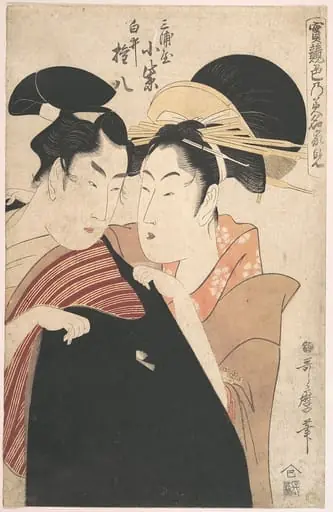 実競色乃美名家見 三浦屋小紫 白井権八|The Lovers Miura-ya Komurasaki and Shirai Gonpachi.
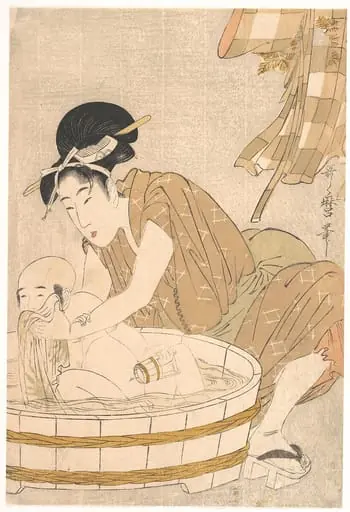 行水|Bathtime (Gyōzui)
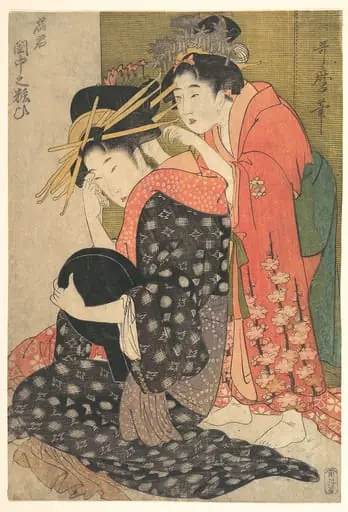 名君 閨中の粧ひ|The Oiran Yoso-oi Seated at Her Toilet
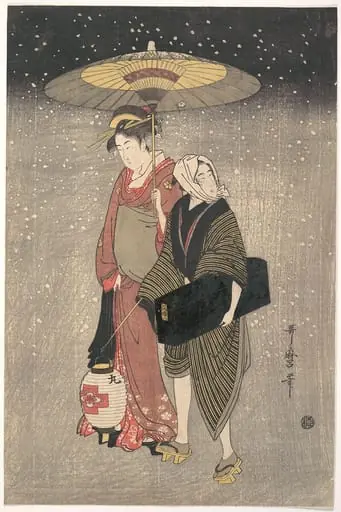 Untitled
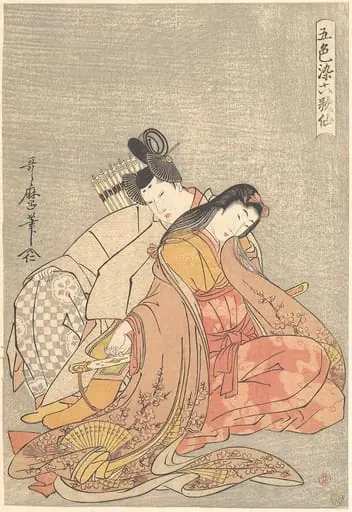 『五色染六歌仙』 在原業平と小野小町|“The Poet Ariwara no Narihira (825–880) and Ono no Komachi,” from the series Five Colors of Love for the Six Poetic Immortals (Goshiki-zome rokkasen)
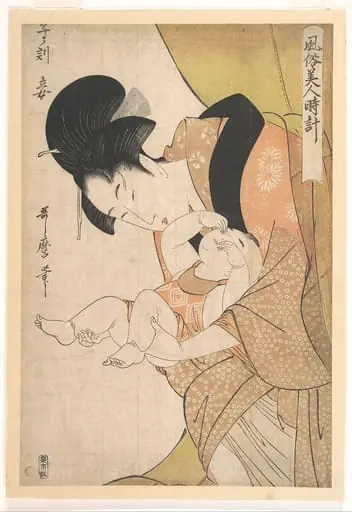 風俗美人時計 子ノ刻 妾|Midnight: Mother and Sleepy Child
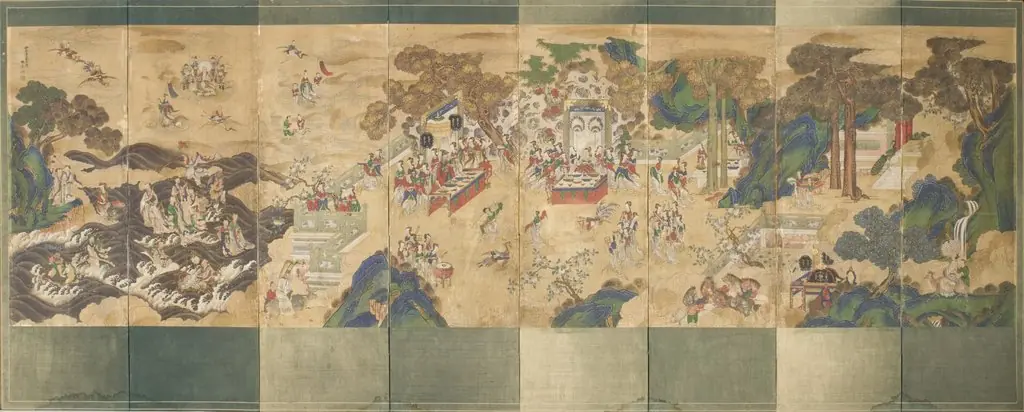 The Banquet of Seowangmo (Xiwangmu), Queen Mother of the West
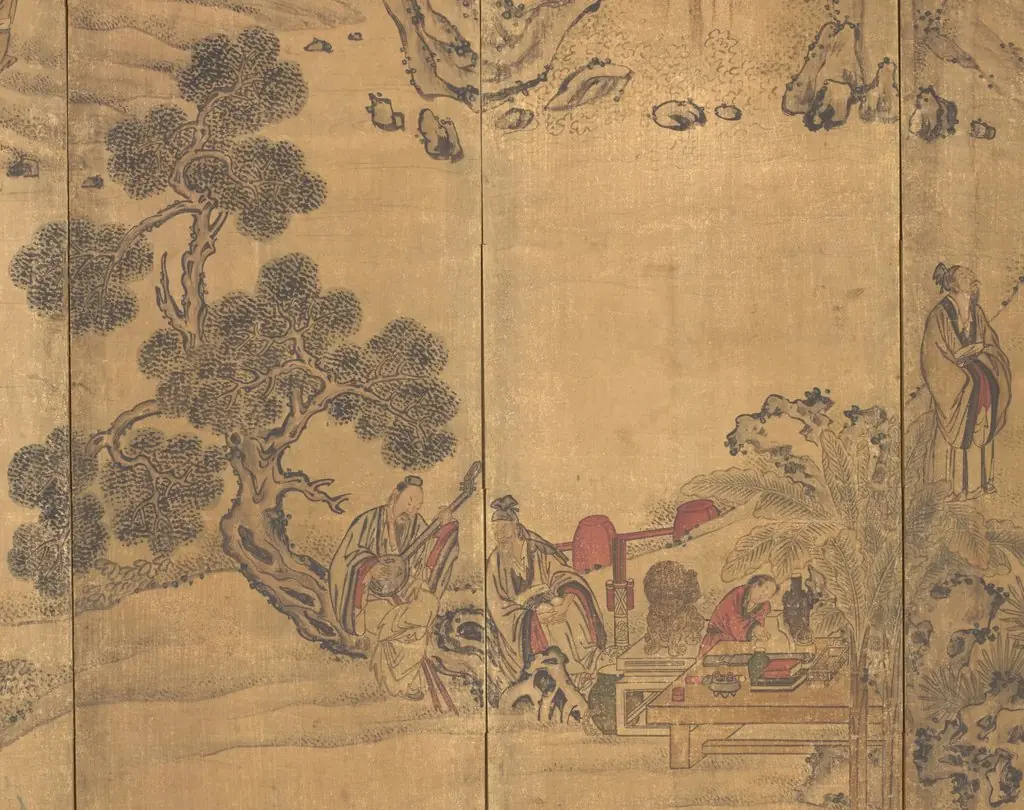 Elegant Gathering in the Western Garden
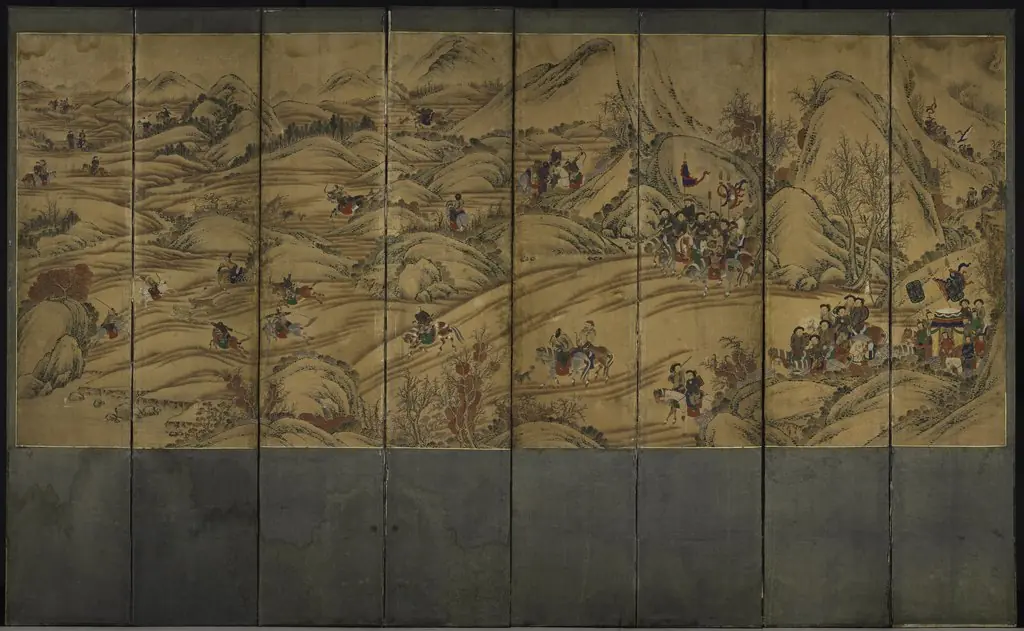 Hunting Scene
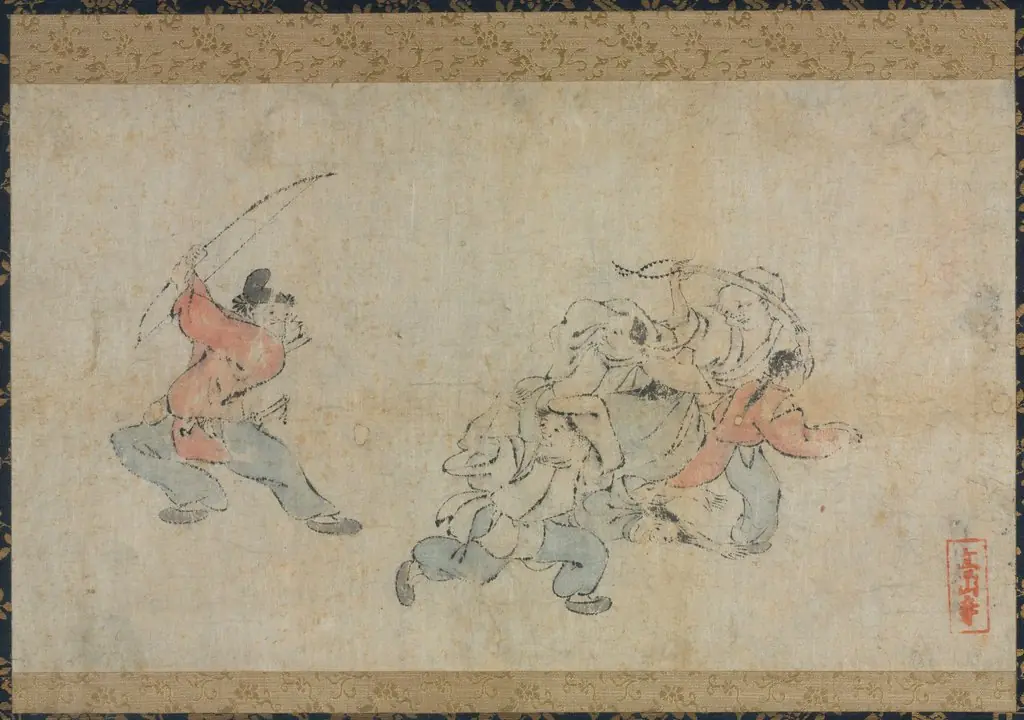 Toba-e (Comic Picture)
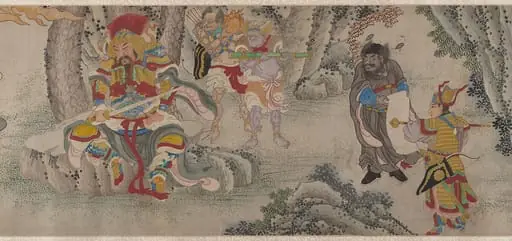 明 鄭重 搜山圖 卷|Searching the Mountains for Demons
 Toba-e (Comic Picture)
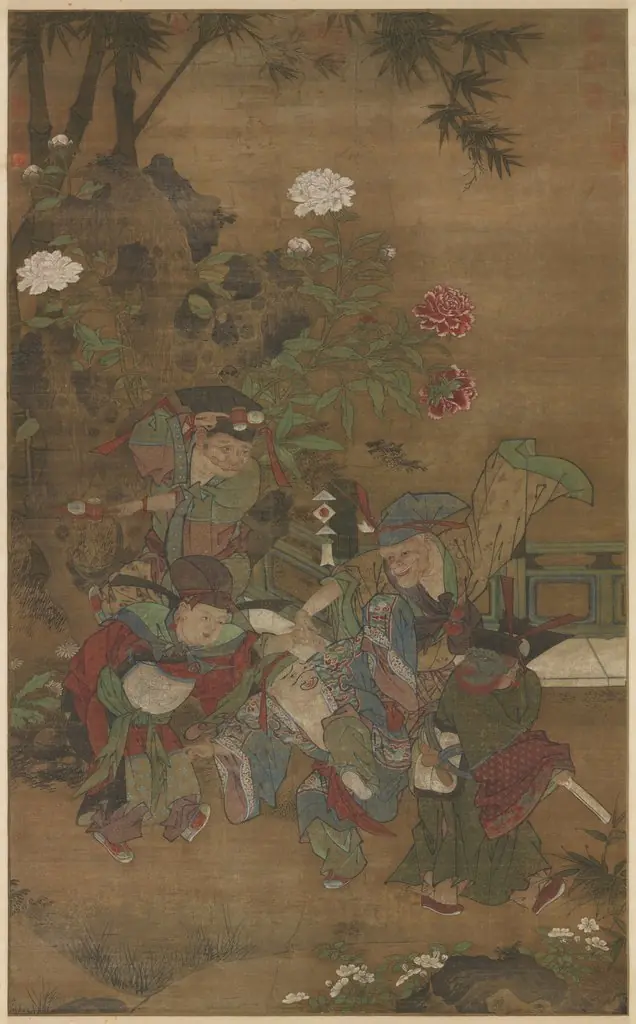 宋蘇漢臣畫五瑞圖 軸
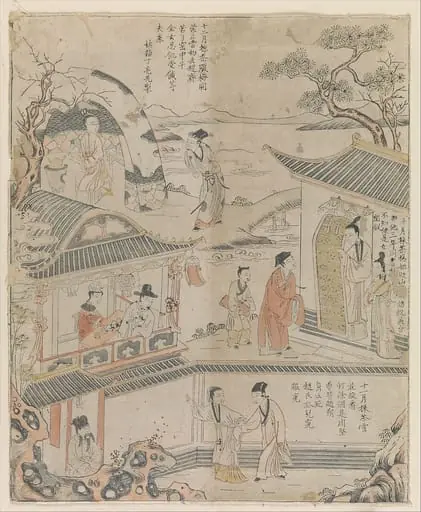 Untitled
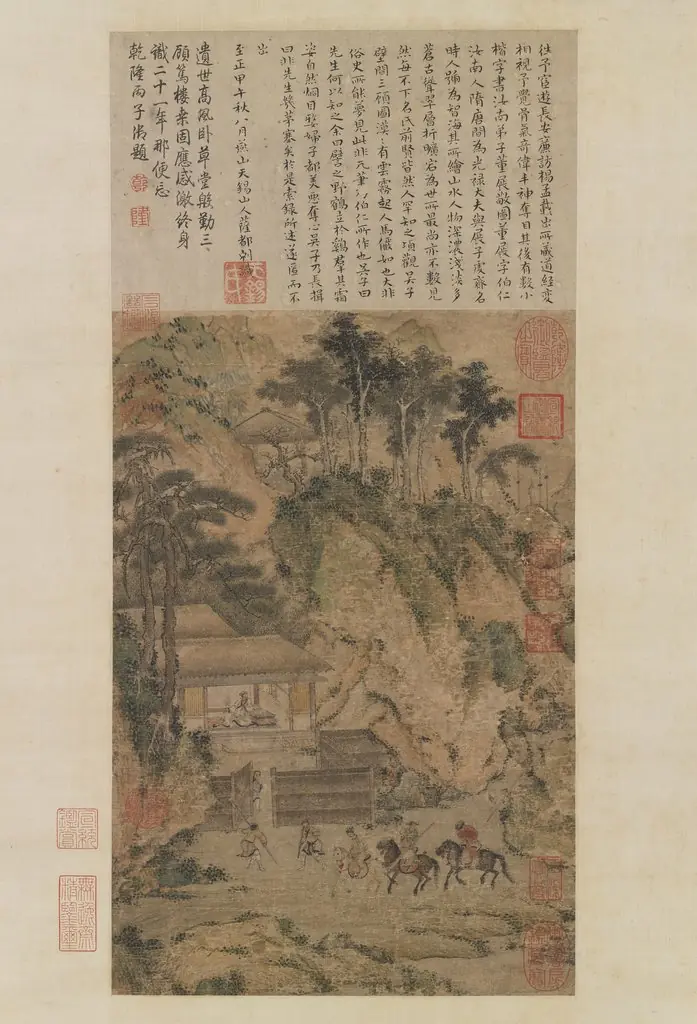 Three Visits to a Thatched Cottage
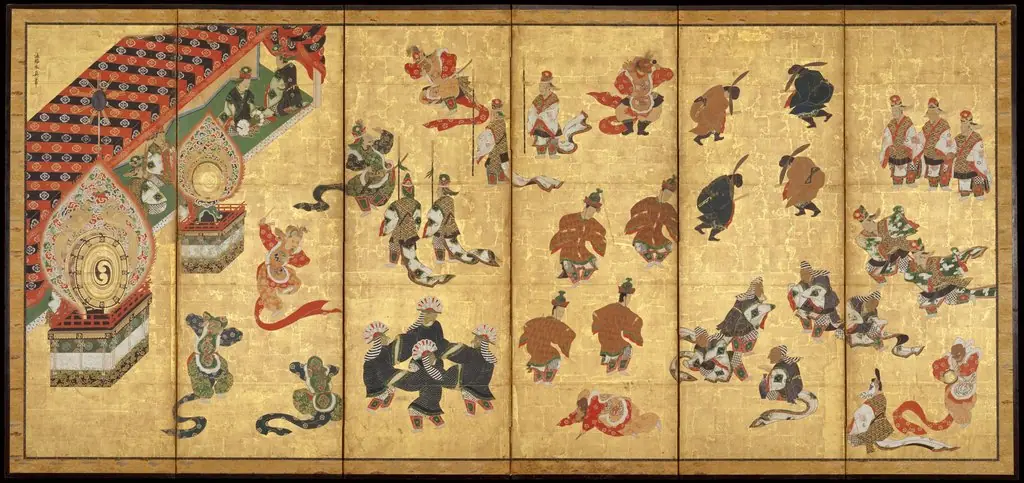 Bugaku Dancers
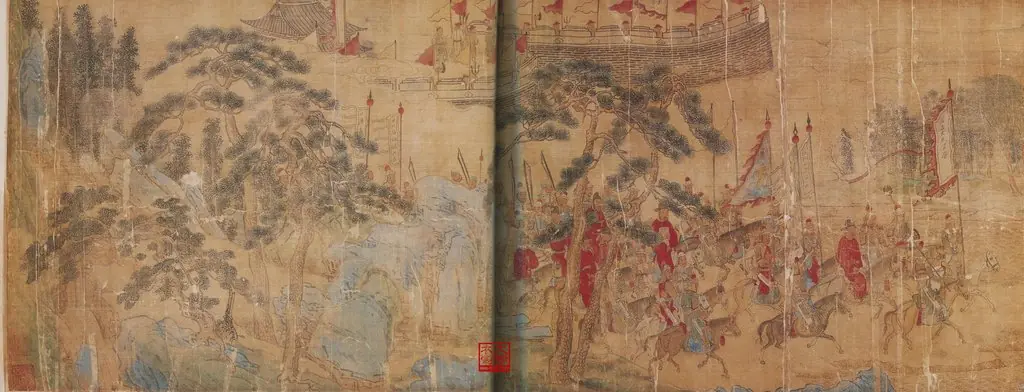 Resisting Japanese Pirates
 Tartars Hunting in a Mountain Landscape