Artwork
『画本虫撰』 「馬追虫」「むかて」|Katydid (Umaoi-mushi); Centipede, (Mukade), from the Picture Book of Crawling Creatures (Ehon mushi erami)
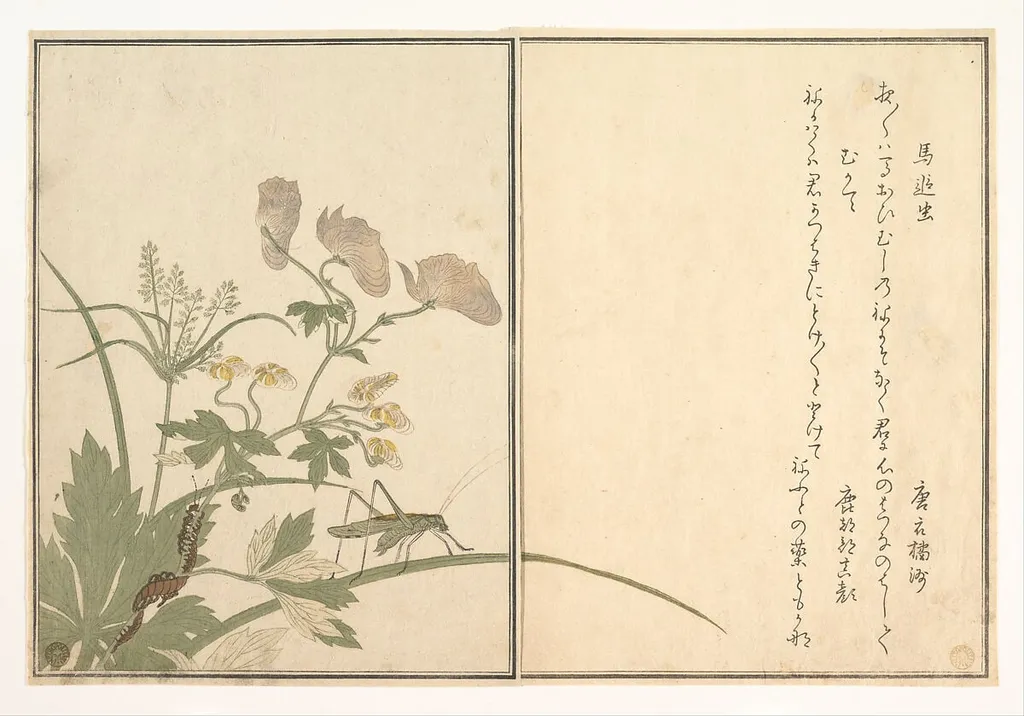
『画本虫撰』 「馬追虫」「むかて」|Katydid (Umaoi-mushi); Centipede, (Mukade), from the Picture Book of Crawling Creatures (Ehon mushi erami) is an ink print by the Romanticist artist Kitagawa Utamaro. It dates from 1788 and is held in the collection of the Metropolitan Museum of Art. This page comes from the 1788 illustrated book Ehon mushi erami, a collection of woodblock-printed images of insects and small creatures.
About this work
Overview
This page comes from the 1788 illustrated book Ehon mushi erami, a collection of woodblock-printed images of insects and small creatures.
This page comes from the 1788 illustrated book Ehon mushi erami, a collection of woodblock-printed images of insects and small creatures. Created by Kitagawa Utamaro, it features two specimens: the katydid (umaoi-mushi) and the centipede (mukade). Printed in ink and color on paper, the work exemplifies the Edo-period tradition of naturalistic yet stylized depictions of the natural world, intended for both education and aesthetic appreciation.
Subject & Meaning
The katydid and centipede are rendered with careful attention to anatomical detail, reflecting an interest in the diversity of small life forms. In Edo-period Japan, such illustrations often served to cultivate awareness of nature’s intricacies, blending scientific curiosity with poetic sensibility. The pairing of these creatures—one delicate, the other armored—suggests a contrast in form and temperament, inviting contemplation of their roles in the natural order.
Technique & Style
Utamaro employed fine woodblock carving to achieve crisp outlines and subtle gradations of color. The katydid’s body is rendered in layered greens, harmonizing with the foliage, while the centipede’s dark brown form stands in contrast. Yellow flowers provide focal points, and the composition balances realism with decorative patterning. The use of flat planes and bold contours reflects the ukiyo-e tradition, adapted here to natural history illustration rather than human subjects.
History & Provenance
Ehon mushi erami was published in 1788 during a period of growing public interest in natural specimens. Though originally produced as a printed book, individual pages were later separated and collected as standalone prints. The Metropolitan Museum of Art holds one such page, acquired as part of its broader collection of Japanese prints, preserving the work’s original context while allowing individual study.
Context
In late 18th-century Japan, illustrated books on flora and fauna flourished alongside urban literacy and commercial publishing. Utamaro’s insect images were part of a broader trend that included encyclopedic works on birds, fish, and plants. These books catered to educated urbanites seeking refined knowledge of nature, distinct from Western scientific illustration but equally meticulous in observation.
Legacy
Utamaro’s Ehon mushi erami contributed to the elevation of natural subjects in Japanese printmaking, influencing later artists who depicted insects and plants with similar precision. While not widely known outside Japan during his lifetime, these works are now recognized for their quiet elegance and role in bridging art and natural history, offering a uniquely Japanese approach to observing the small and often overlooked.
Artist & collection


 Untitled
 Untitled
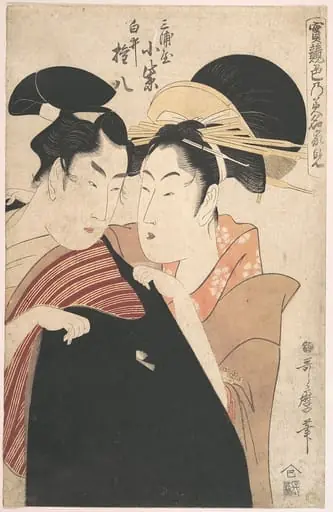 実競色乃美名家見 三浦屋小紫 白井権八|The Lovers Miura-ya Komurasaki and Shirai Gonpachi.
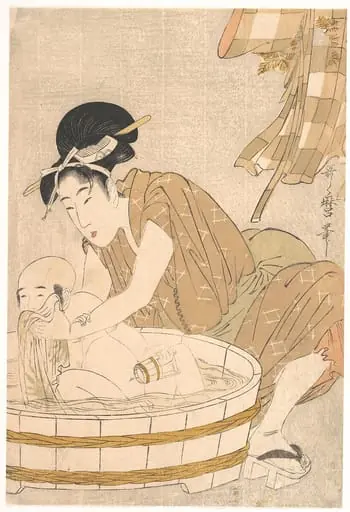 行水|Bathtime (Gyōzui)
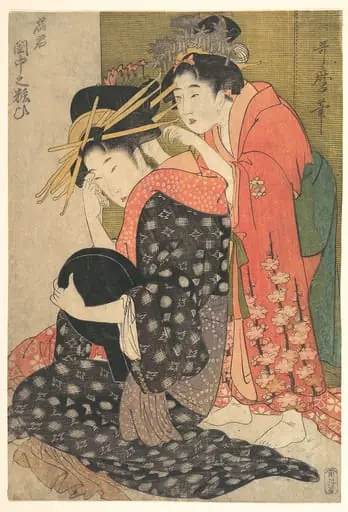 名君 閨中の粧ひ|The Oiran Yoso-oi Seated at Her Toilet
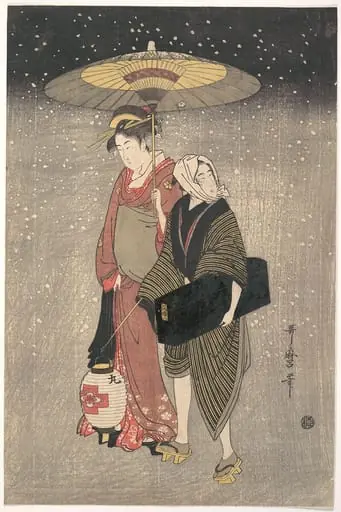 Untitled
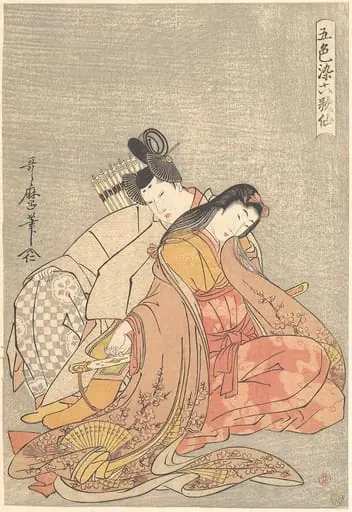 『五色染六歌仙』 在原業平と小野小町|“The Poet Ariwara no Narihira (825–880) and Ono no Komachi,” from the series Five Colors of Love for the Six Poetic Immortals (Goshiki-zome rokkasen)
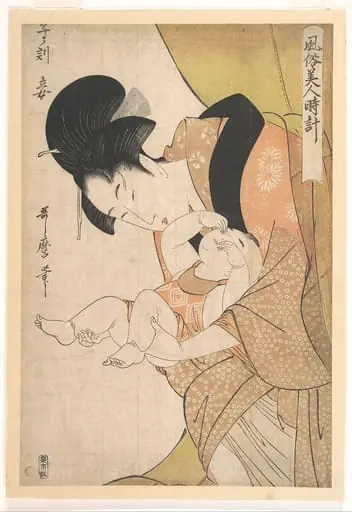 風俗美人時計 子ノ刻 妾|Midnight: Mother and Sleepy Child
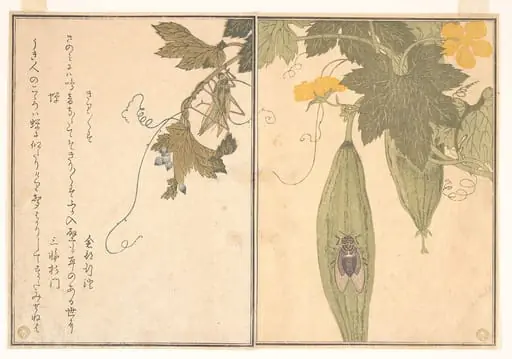 『画本虫撰』「きりきりす」「蝉」|Grasshopper (Kirigirisu); Cicada (Semi), from the Picture Book of Crawling Creatures (Ehon mushi erami)
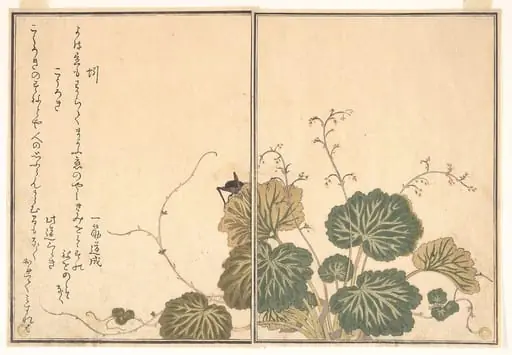 『画本虫撰』「蚓」「こうろき」|Earthworm (Mimizu); Cricket (Kōrogi), from the Picture Book of Crawling Creatures (Ehon mushi erami)
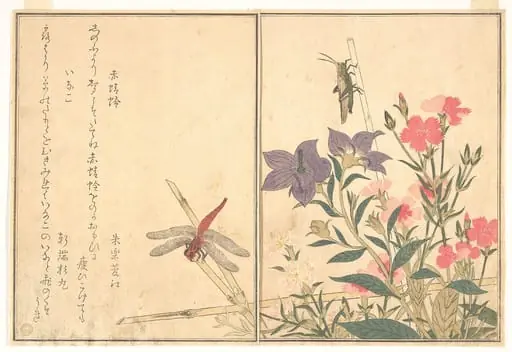 『画本虫撰』「赤蜻蛉」「いなこ」|Red Dragonfly (Akatonbo); Locust (Inago), from the Picture Book of Crawling Creatures (Ehon mushi erami)
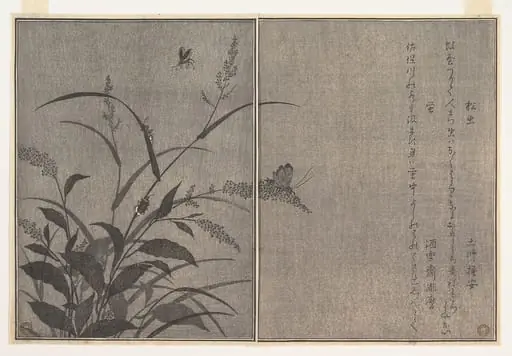 『画本虫撰』 「松虫」「虫蛍」|Tree cricket (Matsumushi); Firefly (Hotaru), from the Picture Book of Crawling Creatures (Ehon mushi erami)
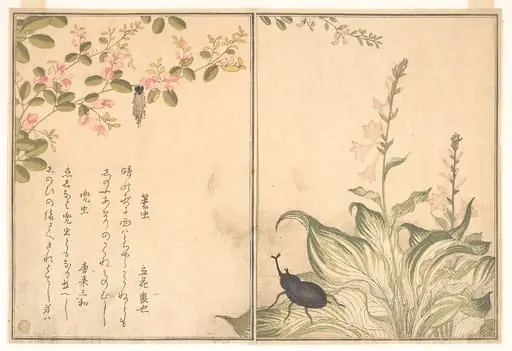 『画本虫撰』「蓑虫」「兜虫」|Bagworm (Minomushi); Horned Scarab Beetle (Kabutomushi), from the Picture Book of Crawling Creatures (Ehon mushi erami)
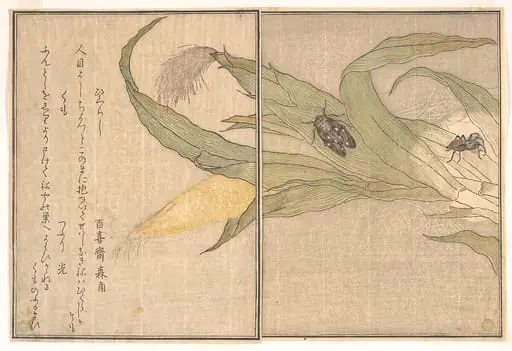 『画本虫撰』 「ひくらし」「くも」|Evening Cicada, Higurashi; Spider, Kumo, from the Picture Book of Crawling Creatures (Ehon mushi erami)
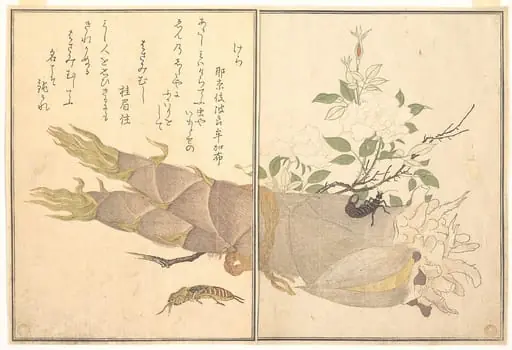 『画本虫撰』 「けら」「はさみむし」|Mole Cricket (Kera); Earwig, (Hasami-mushi), from the Picture Book of Crawling Creatures (Ehon mushi erami)
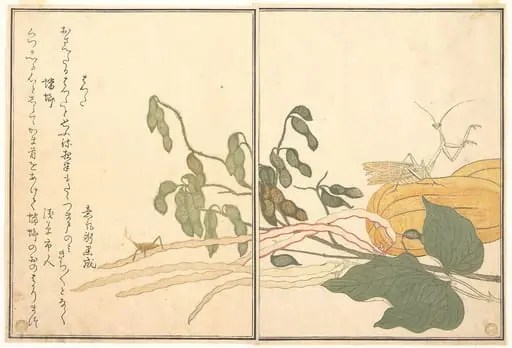 画本虫撰 バッタと蟷螂|Cone-headed Grasshopper or Locust, (batta); Praying Mantis (Tōrō or Kamakiri), from the Picture Book of Crawling Creatures (Ehon mushi erami)
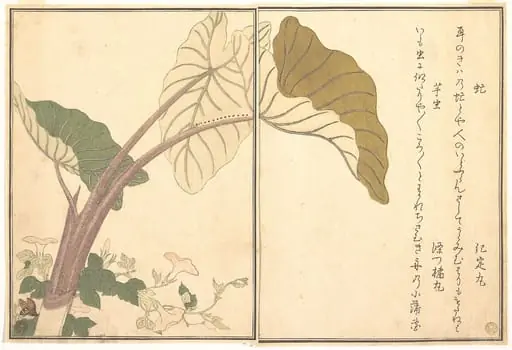 『画本虫撰』 「虻」「芋虫」|Horsefly (abu); Green Caterpillar, imomushi, from the Picture Book of Crawling Creatures (Ehon mushi erami)
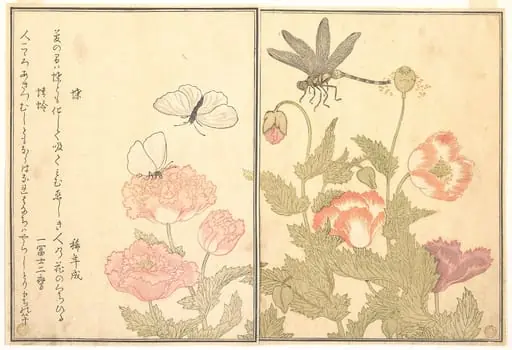 『画本虫撰』 「蝶」「蜻蛉」|Butterfly (Chō); Dragonfly (Kagerō or Tonbo), from the Picture Book of Crawling Creatures (Ehon mushi erami)
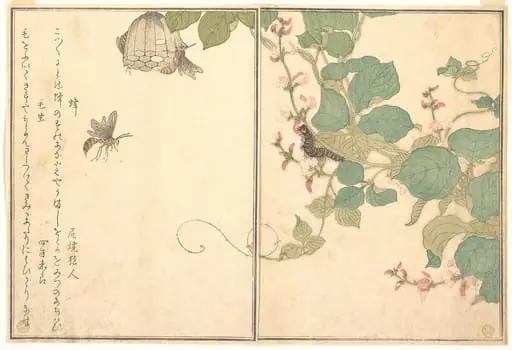 『画本虫撰』 「蜂」「毛虫」|Paper Wasp (Hachi); Hairy Caterpillar (Kemushi), from the Picture Book of Crawling Creatures (Ehon mushi erami)
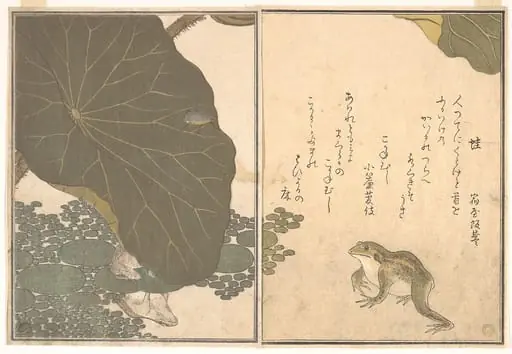 『画本虫撰』「蛙」「こかねむし」|Frog (Kaeru); Gold Beetle (Kogane mushi), from the Picture Book of Crawling Creatures (Ehon mushi erami)