Artwork
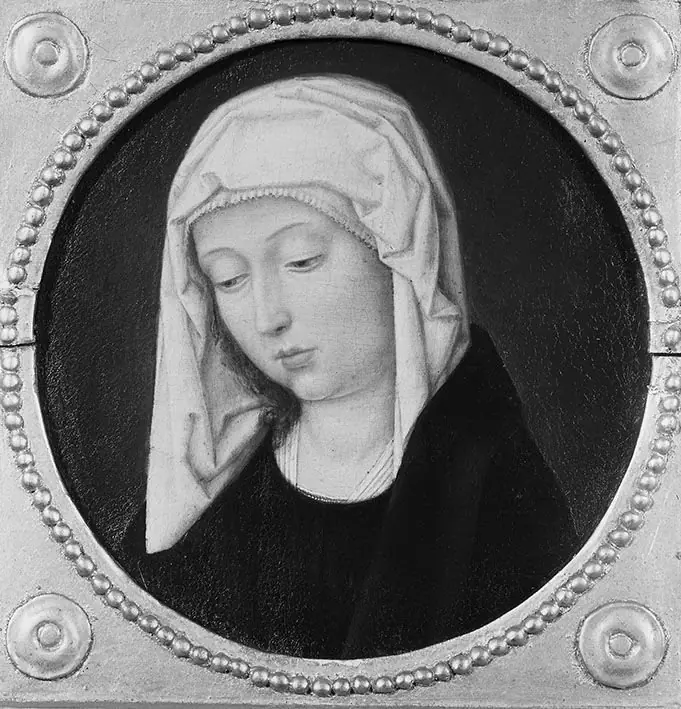
Our Lady of the Seven Sorrows (grisaille)
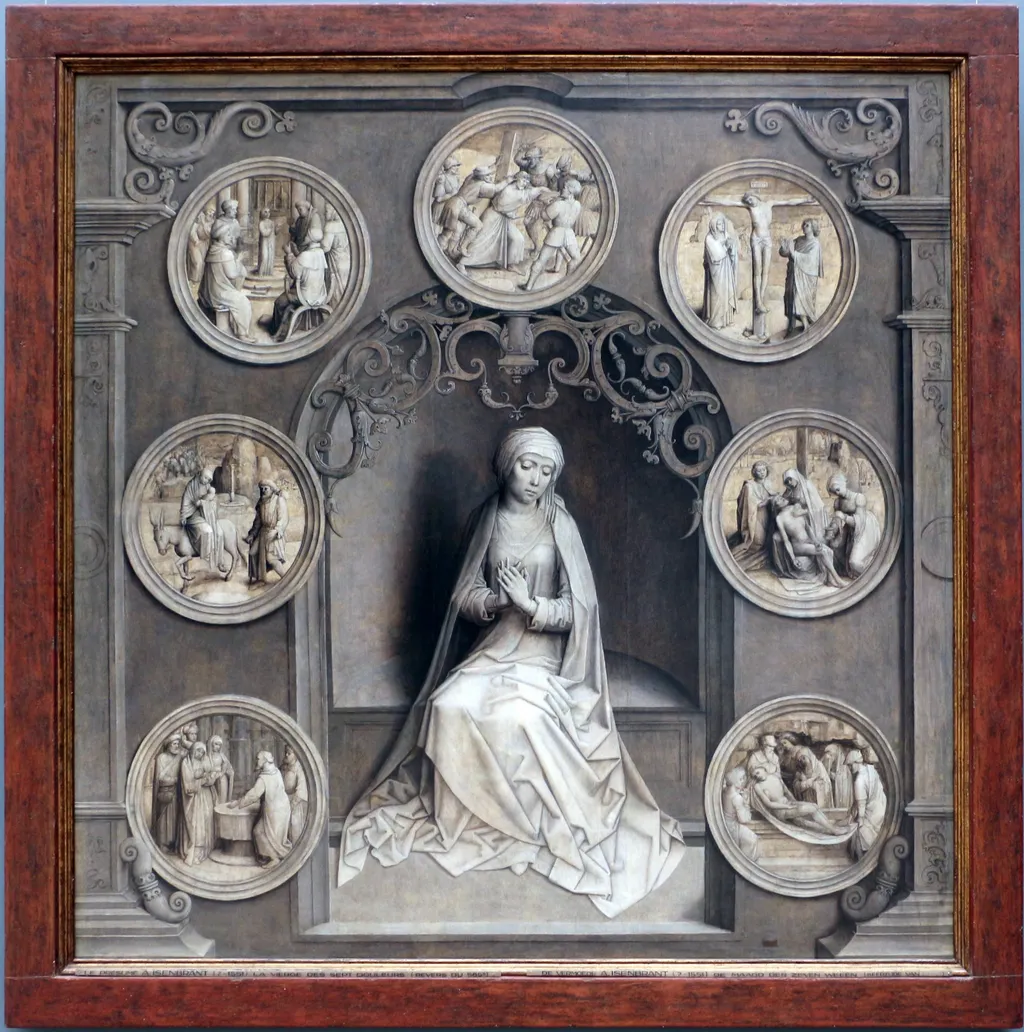
Our Lady of the Seven Sorrows (grisaille) is an oil painting by the Northern Renaissance artist Adriaen Isenbrandt. It dates from 1521 and is held in the collection of the Royal Museums of Fine Arts of Belgium.
About this work
Overview
Adriaen Isenbrandt’s *Our Lady of the Seven Sorrows* (1521) is an oil painting executed in grisaille, a monochrome technique that imitates sculpture.
Adriaen Isenbrandt’s *Our Lady of the Seven Sorrows* (1521) is an oil painting executed in grisaille, a monochrome technique that imitates sculpture. The composition centers on a kneeling Virgin, her hands clasped in prayer, surrounded by seven small circular panels that each depict a distinct sorrowful episode from her life. The work measures roughly a modest size and is part of the Royal Museums of Fine Arts of Belgium’s collection.
Subject & Meaning
The painting presents the Virgin Mary in a devotional pose, embodying the medieval devotion to the Seven Sorrows—events such as the Prophecy of Simeon and the Crucifixion that caused her profound grief. By arranging these moments in a circular sequence around the central figure, Isenbrandt creates a visual meditation, inviting contemplation of each sorrow within a unified spiritual framework.
Technique & Style
Isenbrandt employed grisaille, applying oil pigments in a range of gray tones to achieve a sculptural effect. The limited palette emphasizes form and chiaroscuro, rendering the figures with a subdued three‑dimensionality. His approach reflects a conservative continuation of Early Netherlandish modeling, even as contemporary Flemish artists were beginning to explore richer color and perspective.
History & Provenance
Created in Bruges during a period of artistic transition, the work remained within the region’s artistic circles before entering the Royal Museums of Fine Arts of Belgium. Documentation traces its acquisition to the museum’s early 20th‑century collection efforts, where it has been displayed as a representative example of Isenbrandt’s workshop output.
Context
Isenbrandt worked at the crossroads of the Early Netherlandish tradition and the emerging Northern Renaissance, a time when Brugian workshops were responding to both local devotional demands and broader stylistic shifts. The painting’s focus on a Marian theme aligns with the dominant religious commissions of the era, while its restrained execution mirrors the artist’s preference for established visual conventions.
Artist & collection
Artist
Adriaen Isenbrandt or Adriaen Ysenbrandt (between 1480 and 1490 – July 1551) was a painter in Bruges, in the final years of Early Netherlandish painting, and the first of the Dutch and Flemish Renaissance painting of the Northern…

Museum
Royal Museums of Fine Arts of Belgium
Continue through works from the same source collection.
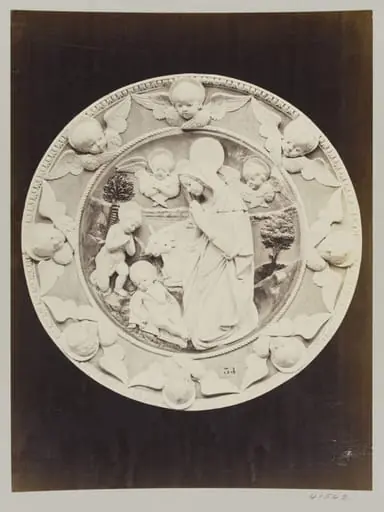 Circular bas-relief depicting the Nativity in enamelled earthenware
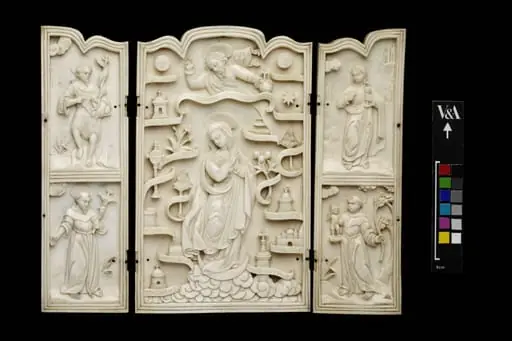 The Virgin of the Immaculate Conception (Tota Pulchra); with St John the Baptist, St Francis of Assisi, St John the Evangelist and St Anthony of Padua
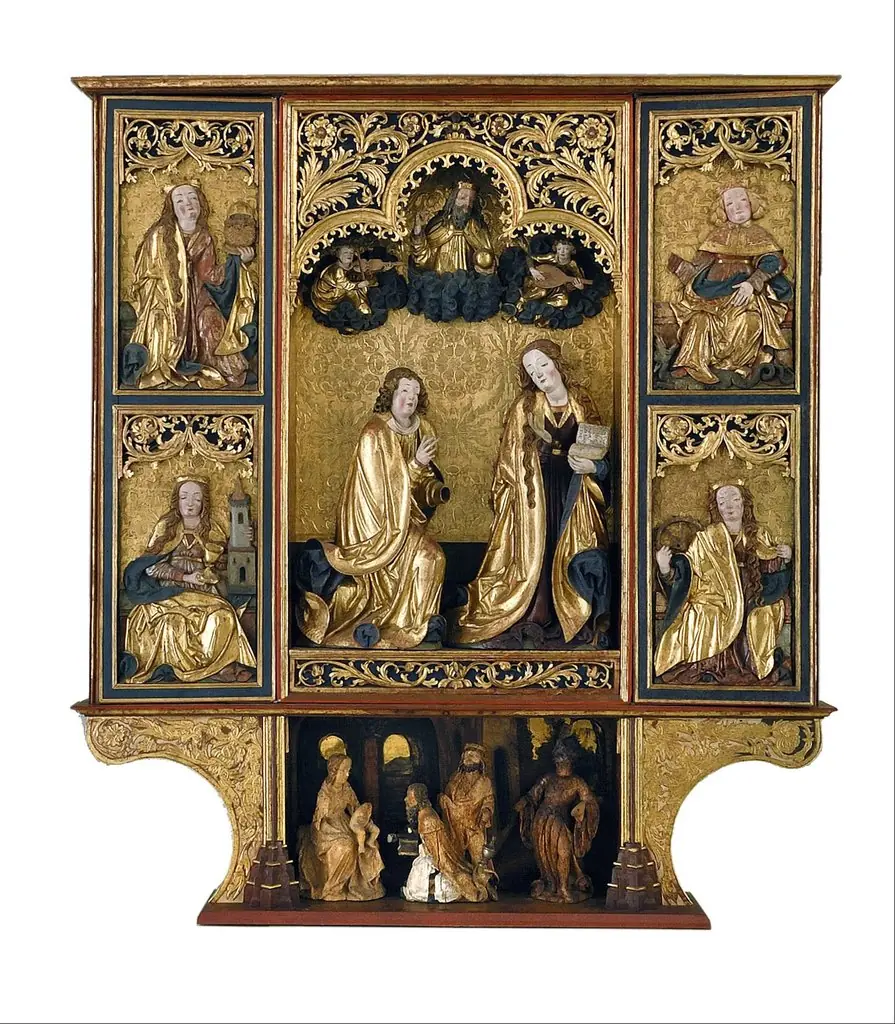 Altarpiece of the Annunciation from Kisszeben
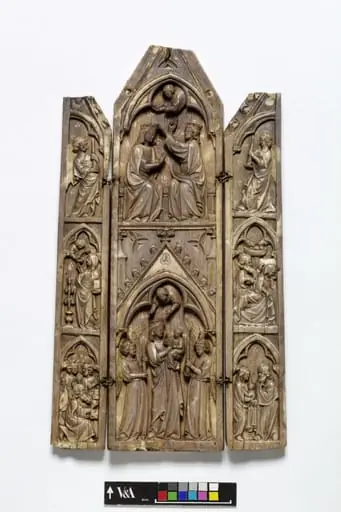 Virgin and Child, the Coronation of the Virgin and scenes from the Nativity
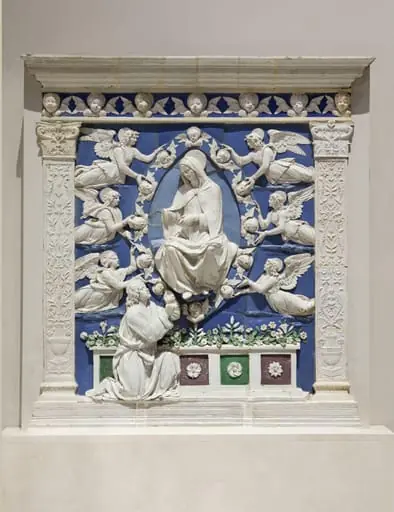 The Assumption of the Virgin
 Untitled
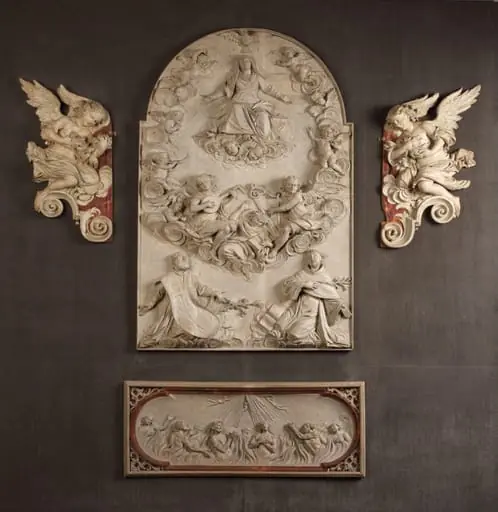 The Assumption of the Virgin with saints and angels
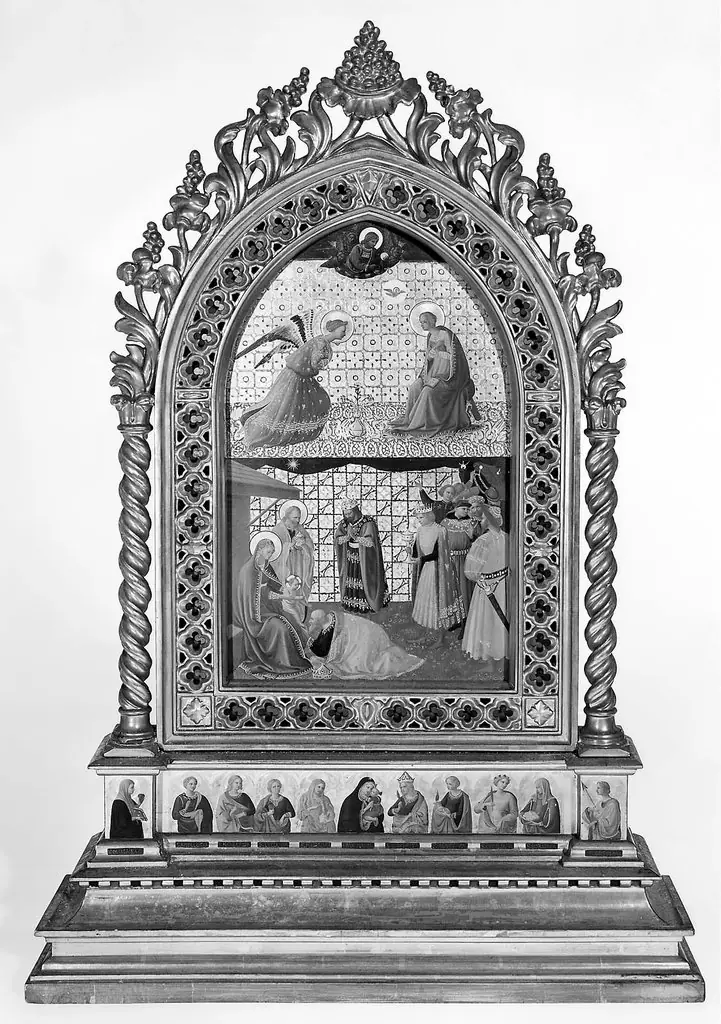 The Adoration of the Kings and the Annunciation
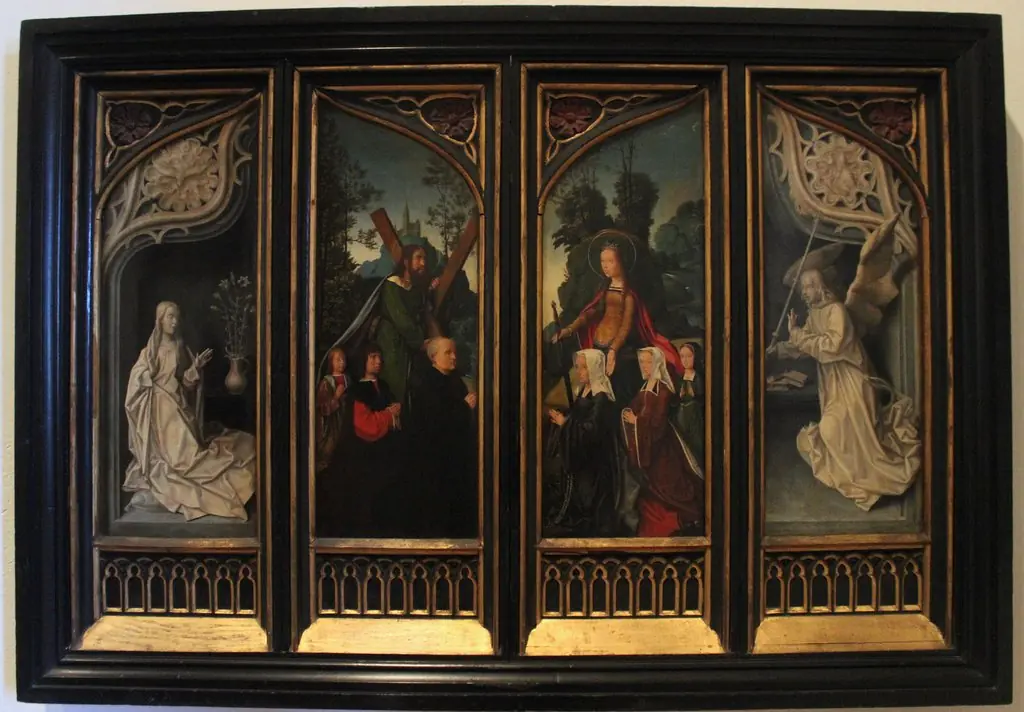 The Annunciate Virgin, Saint Andrew with a Donor and His Sons, Saint Catherine of Alexandria with a Donor and Her Daughters, and the Annunciate Angel
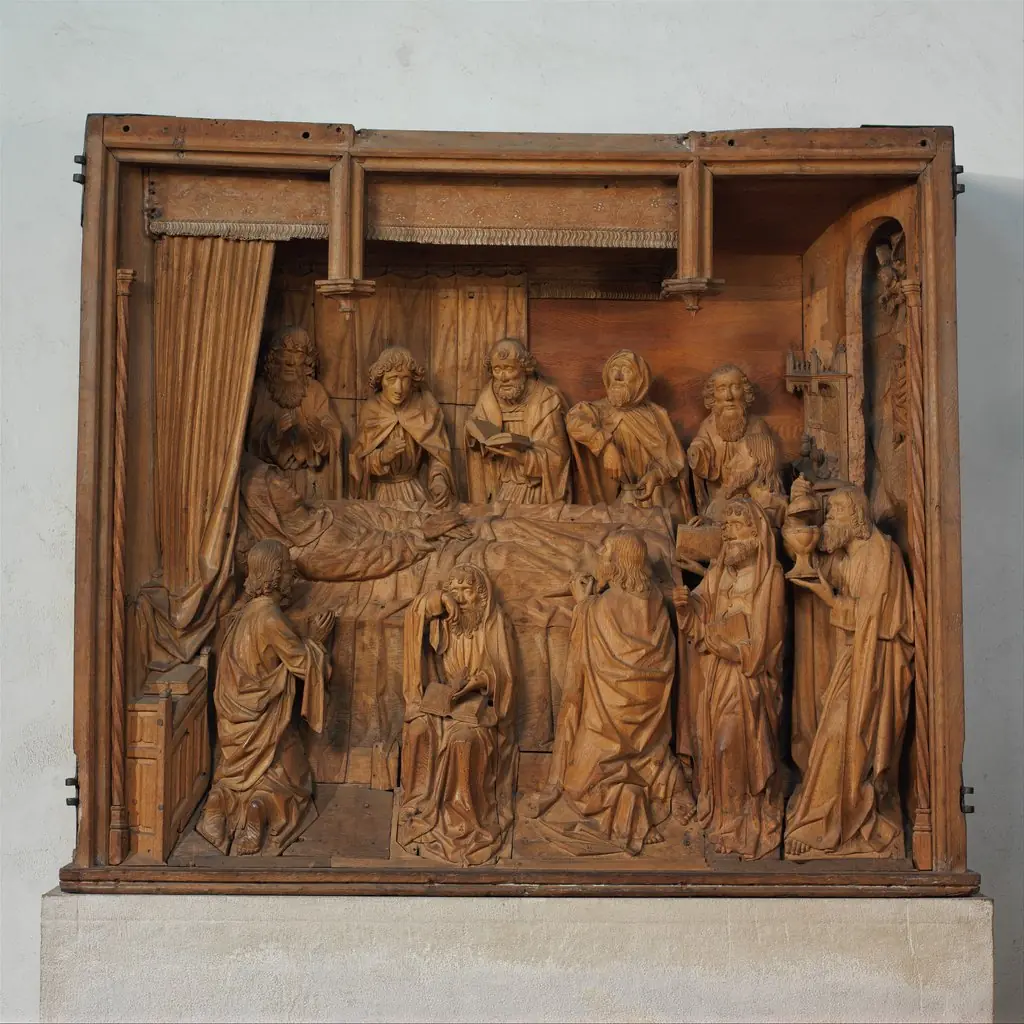 The Death of the Virgin (The Dormition)
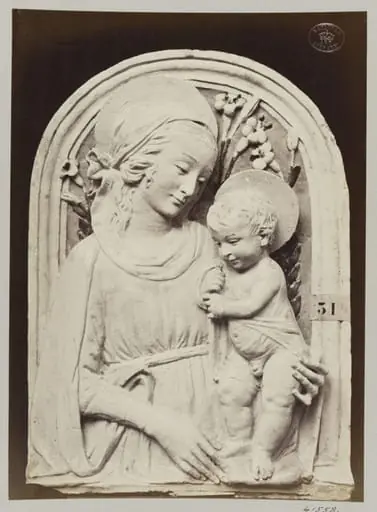 Bas-relief Virgin and Child in enamelled earthenware by Luca della Robbia
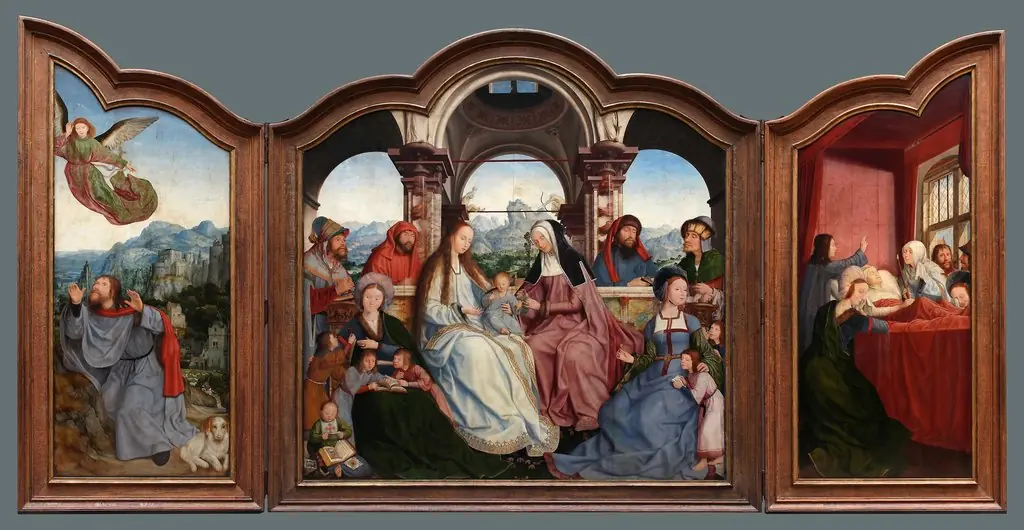 St Anne Altarpiece