Artwork
Untitled
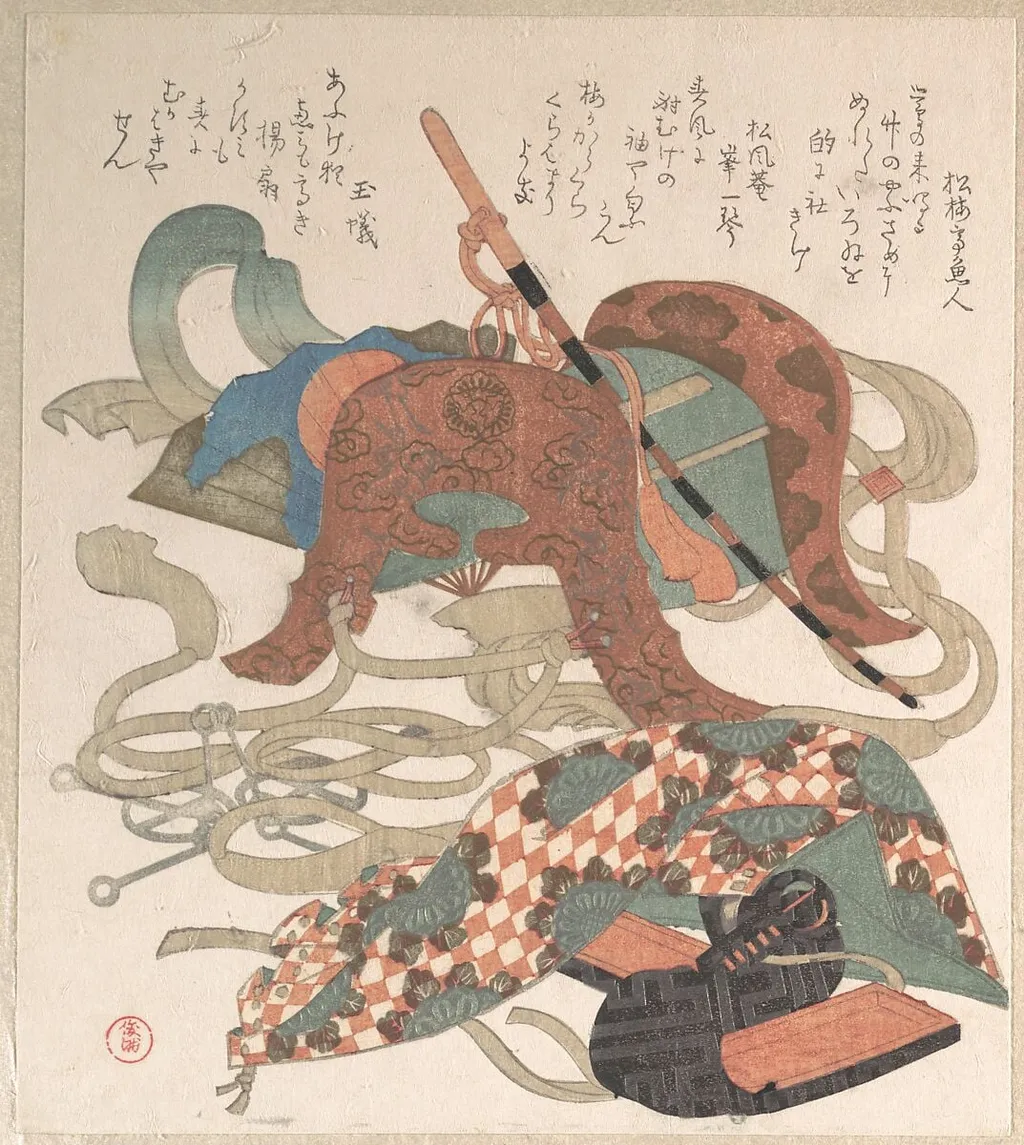
Untitled is an ink print by the Romanticist artist Kubo Shunman. It dates from 1810 and is held in the collection of the Metropolitan Museum of Art.
About this work
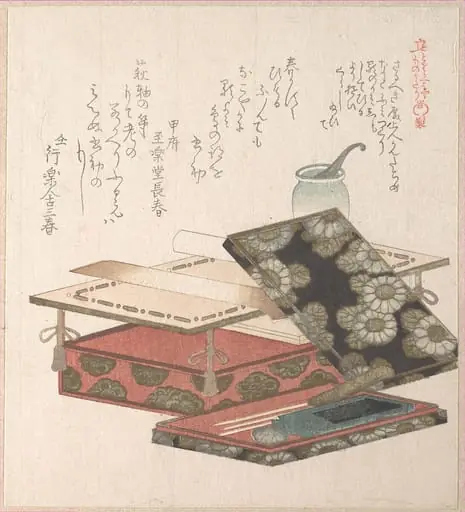
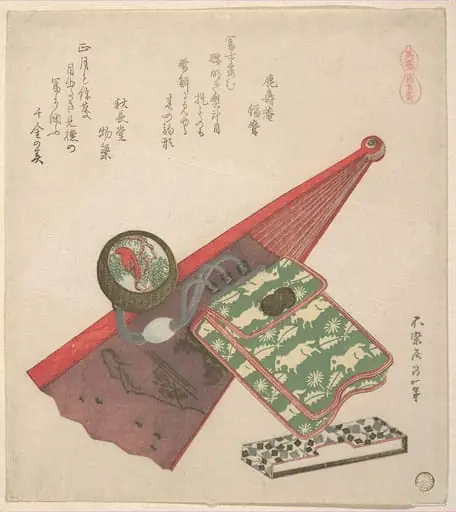
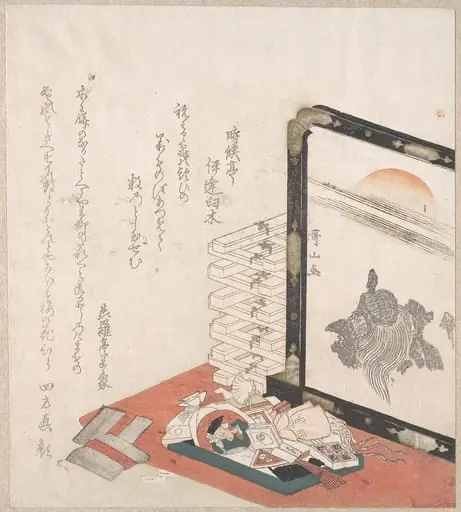
This woodblock print features a jumble of objects, including a sword, a fan, and a piece of fabric with a checkered pattern.
This woodblock print features a jumble of objects, including a sword, a fan, and a piece of fabric with a checkered pattern. The objects are depicted in muted colors, with a focus on earth tones such as brown, beige, and green. The overall effect is one of chaos and disorder, with the objects appearing to be tossed together haphazardly.
In the background, there are some Japanese characters that add to the sense of cultural context. The print appears to be from the early 19th century, based on the style and technique used.
If you're interested in learning more about this style of art, you might want to explore the Romanticism movement.
Overview
This woodblock print, dated around 1810, is attributed to Kubo Shunman and belongs to the surimono tradition — privately commissioned prints often made for poetic or seasonal occasions. Executed in ink and subtle color on paper, it presents a composition of everyday objects arranged without clear hierarchy. The work is part of The Metropolitan Museum of Art’s collection, representing a niche genre of Edo-period printmaking that blended visual wit with literary allusion.
Subject & Meaning
The print includes a sword, a fan, and a checkered textile, arranged in a seemingly random pile. These items may reference objects associated with samurai culture or poetic symbolism, though no explicit narrative is given. The inclusion of Japanese script in the background suggests a textual layer, possibly a poem or phrase, common in surimono to invite contemplation. The arrangement evokes impermanence or the transient nature of material things, a theme resonant in Edo-period aesthetics.
Technique & Style
Rendered in the surimono style, the print employs fine woodblock carving and delicate hand-coloring with restrained pigments — earthy browns, beiges, and muted greens dominate. The lines are precise yet loose, avoiding rigid symmetry. The composition’s apparent disorder is intentional, contrasting with the technical precision of the carving. This balance between spontaneity and craftsmanship is characteristic of privately printed surimono, which prioritized artistic expression over mass appeal.
History & Provenance
Created circa 1810 during the late Edo period, the print likely originated as a commission for a literary or poetic circle, as was typical for surimono. It was not produced for commercial sale but for intimate circulation among patrons. The Metropolitan Museum of Art acquired it as part of its broader collection of Japanese prints, preserving an example of a genre that flourished outside mainstream ukiyo-e publishing networks.
Context
Surimono emerged in the late 18th century as luxury prints for elite circles, often celebrating seasonal events or poetic contests. Unlike mass-produced ukiyo-e, they were limited in number and rich in allusion. This print reflects the cultural practice of embedding literary references within visual art, appealing to an audience familiar with classical poetry and symbolic objects. Its subdued palette and informal arrangement distinguish it from the bold narratives of popular prints.
Legacy
Though surimono were never widely distributed, they influenced later Japanese printmakers through their emphasis on subtlety and intellectual engagement. This work exemplifies how Edo-period artists used printmaking not merely for illustration but as a medium for layered, personal expression. Today, such prints are valued for their craftsmanship and insight into the private cultural life of the time, offering a counterpoint to the more public-facing ukiyo-e tradition.
Artist & collection


 Untitled
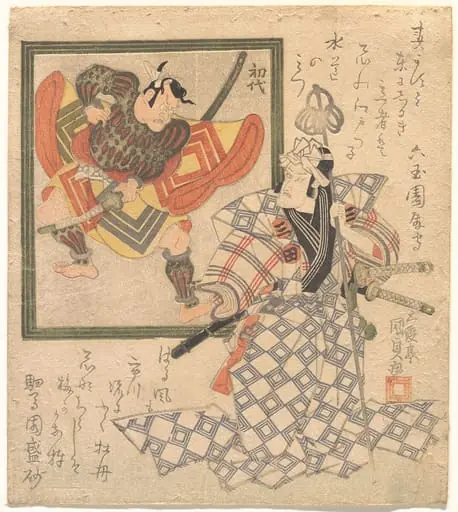 歌川国貞画 七代目市川団十郎と初代市川団十郎|Ichikawa Danjūrō VII Admiring Ichikawa Danjūrō I in an Inset Portrait
 Untitled
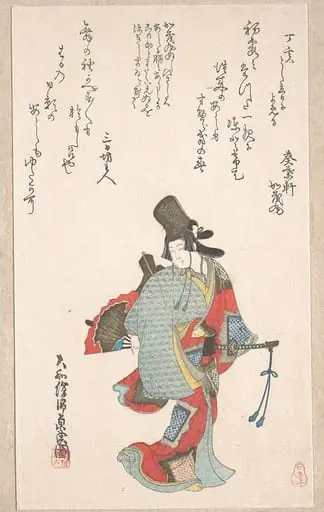 Untitled
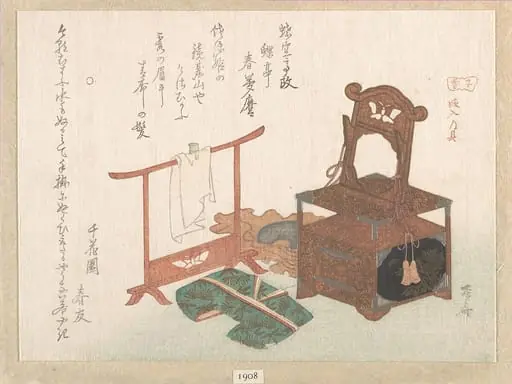 柳々居辰斎画 子春 嫁入の具『春雨集』 摺物帖|Accoutrements for a Bride, from the Spring Rain Collection (Harusame shū), vol. 1
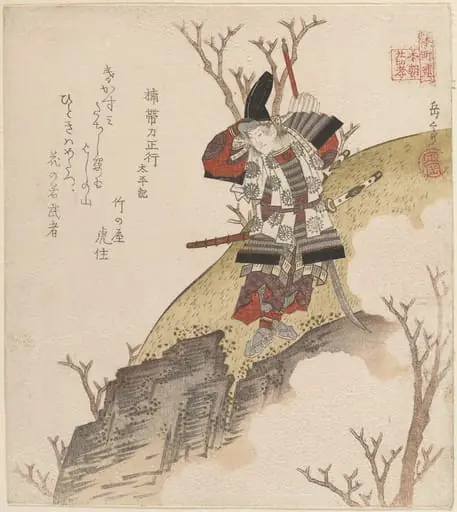 Untitled
 Untitled
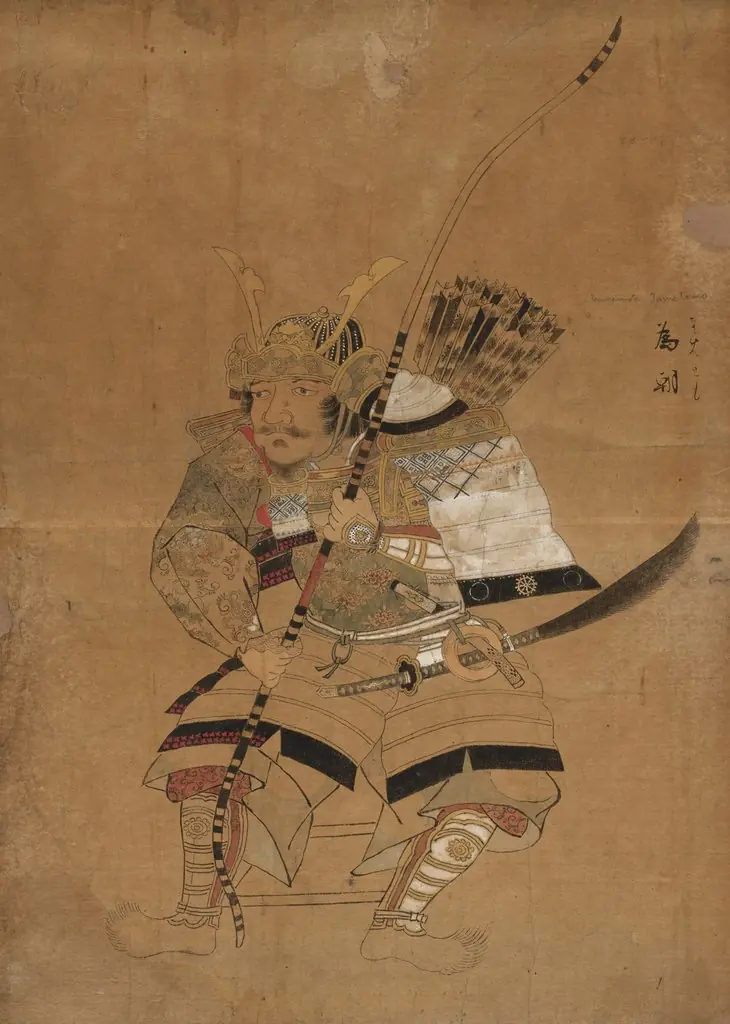 Sketch Model for Portraits of Minamoto Tametomo
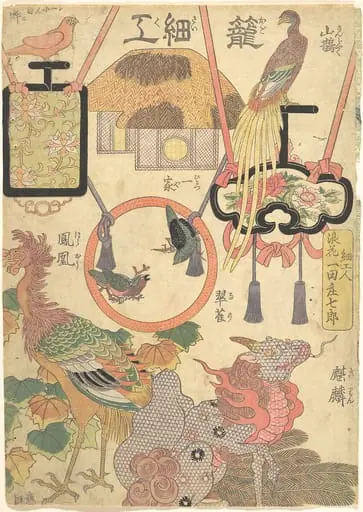 「籠細工 浪花細工人一田庄七郎」|Basketry Work: By the Craftsman Ichida Shōshichirō of Naniwa (Kagosaiku Naniwa saikujin Ichida Shōshichirō)
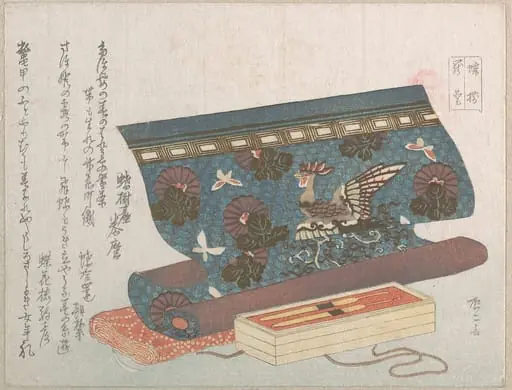 『蝶揃・寵愛』帯と簪|Roll of Cloth for an Obi and Tortoise-shell Hair Ornaments (“Presents for One’s Beloved”), from the Butterfly Series, from Spring Rain Surimono Album (Harusame surimono-jō, vol. 3)
 Sketch Model for Portraits of Minamoto Tametomo