Artwork
Bas-relief depicting the Virgin and Child in terra cotta
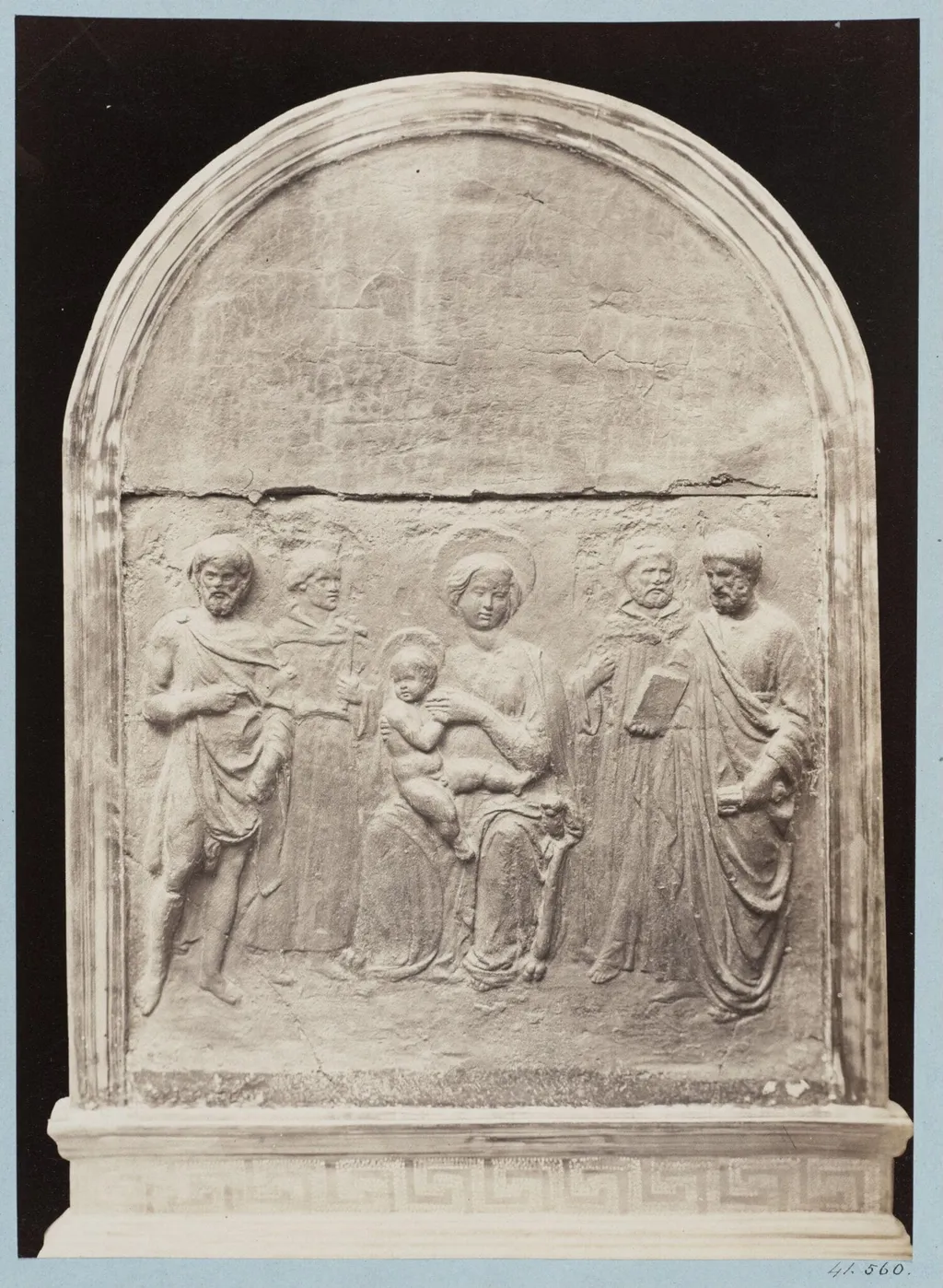
Bas-relief depicting the Virgin and Child in terra cotta is a photographic photography by the Impressionist artist Louise Laffon. It dates from 1864 and is held in the collection of the Victoria and Albert Museum. The image is a photographic reproduction of a modest terra‑cotta bas‑relief portraying the Virgin and Child.
About this work
The museum calls it a rare survival, because most early photos of sculpture were printed on paper.
This is a small terra cotta bas-relief of the Virgin and Child. It’s only 21 centimeters tall and was made in 1863–64 by Louise Laffon, a French photographer. The museum calls it a rare survival, because most early photos of sculpture were printed on paper.
Laffon was overlooked for years. The Victoria and Albert Museum only started hunting for women artists in its collection recently.
Look up the Victoria and Albert Museum.
Overview
The image is a photographic reproduction of a modest terra‑cotta bas‑relief portraying the Virgin and Child. Measuring just over twenty centimeters in height, the original sculpture dates to 1863–64. The photograph was taken by French photographer Louise Laffon and forms part of the Victoria and Albert Museum’s early photographic holdings.
Subject & Meaning
The relief presents a traditional Christian motif, the Virgin holding the infant Jesus, rendered in low relief. Its compact scale suggests it was intended for private devotion or as a study piece, emphasizing intimacy rather than monumental display.
Technique & Style
Laffon captured the three‑dimensional form on paper, a rarity for the period when most sculpture images were reproduced as prints or drawings. The photograph preserves the subtle modeling of the clay surface, conveying depth through careful lighting and focus that highlight the work’s tactile qualities.
History & Provenance
In 1864 the V&A acquired a batch of five hundred photographs from Laffon’s series on the Campana Collection, purchased through the dealer Monsieur E. Cappe. These images entered the National Art Library’s holdings and were used for teaching and research, reflecting the museum’s early commitment to photography as an educational tool.
Context
Louise Laffon, the third woman admitted to the Société Française de la Photographie, worked at a time when female photographers were rarely acknowledged. Her contributions, alongside those of other women such as Isabel Agnes Cowper, supported the museum’s mission to broaden visual resources for artists and scholars.
Legacy
The photograph survives as an uncommon example of an early photographic record of a small sculptural work, most contemporaneous images being printed on paper. Its recent rediscovery underscores the growing effort to recognize women’s roles in the development of museum photography collections.
Artist & collection
Artist
Louise Laffon (1828–1885), was a French photographer and painter. She was one of the first female professional photographers in France. She had a studio in Paris between 1859 and 1876.

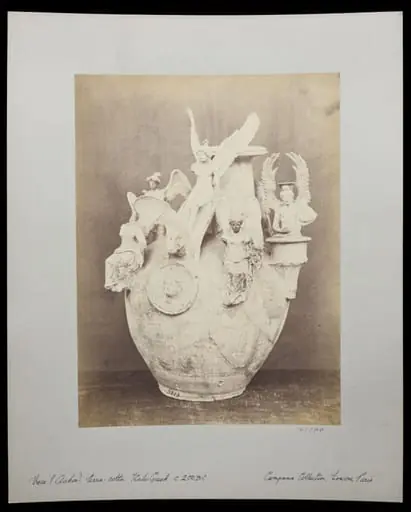 Perfume Burner in terra cotta
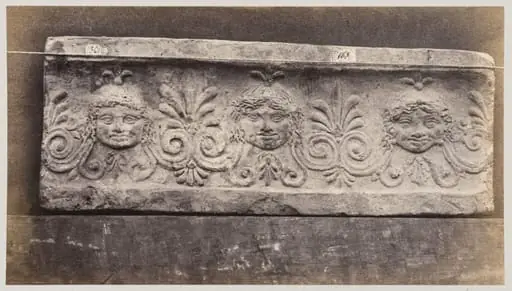 Three masques of gorgons in terra cotta
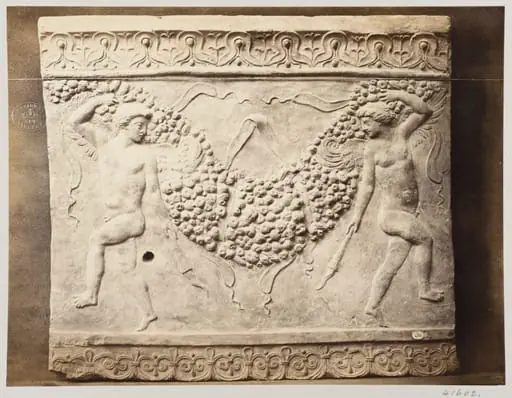 Bas-relief of portion of frieze of dancing figures with torches bearing festoon of fruit in terra cotta
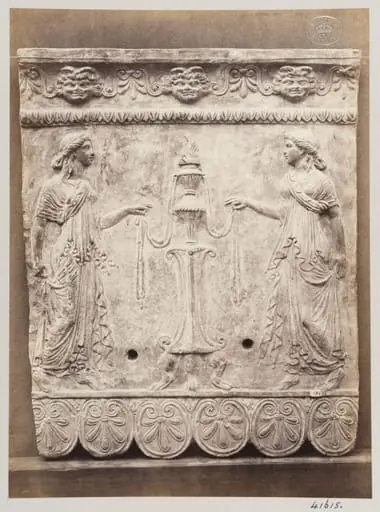 Bas-relief portion of a frieze of two draped females and an altar in terra cotta
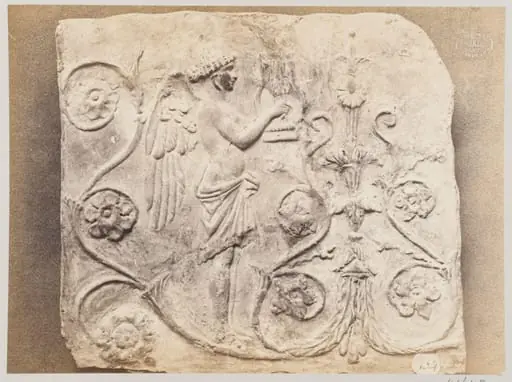 Bas-relief of a geni and a lyre in terra cotta
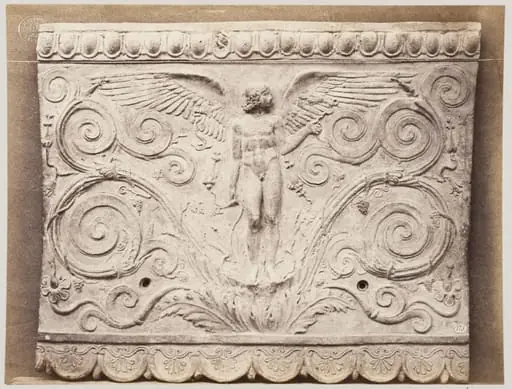 Bas-relief of a portion of frieze of Eros with scrollwork in terra cotta
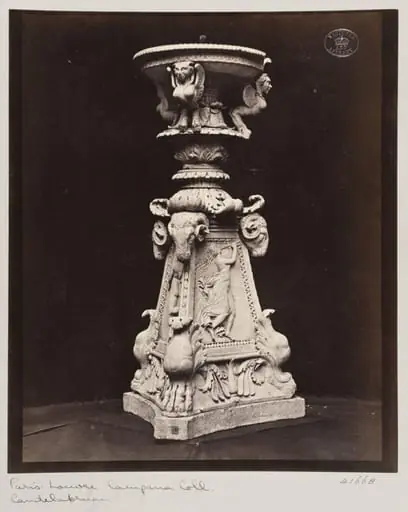 Marble sculptured fountain
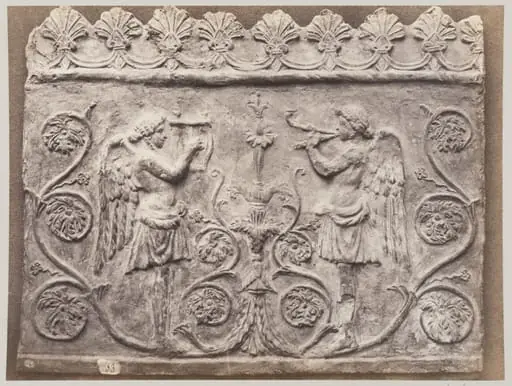 Bas-relief portion of frieze of Genii with double flutes and lyre
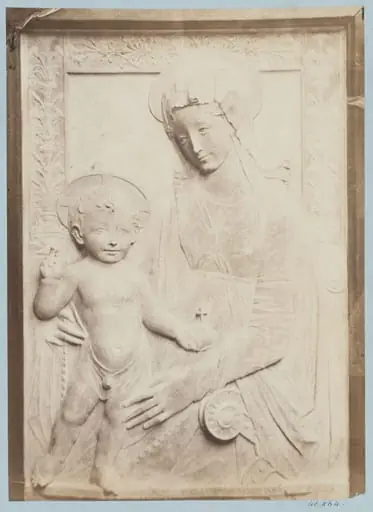 Bas-relief depicting the Virgin and Child attributed to Rosellino
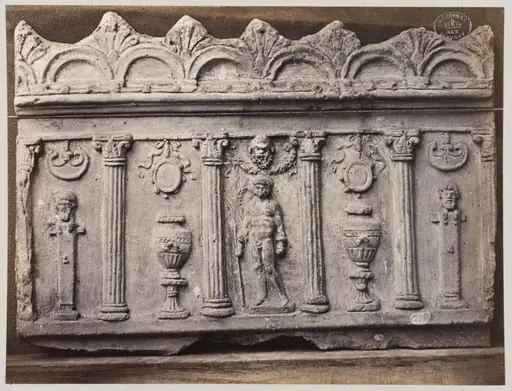 Bas-relief of a figure with bust, vessels and columns in terra cotta
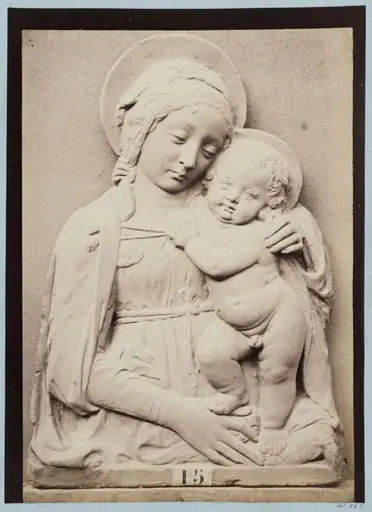 Bas-relief depicting the Virgin and Child by Donatello in red terra cotta
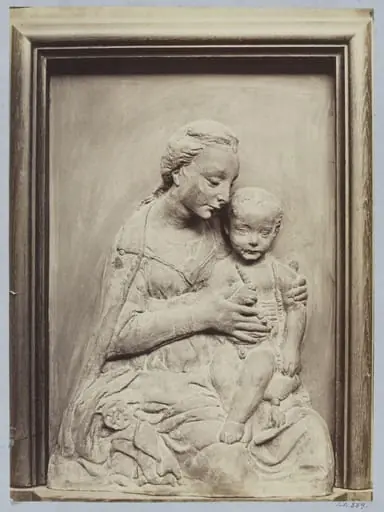 Bas-relief Virgin and Child in terra cotta of the school of Ghiberti
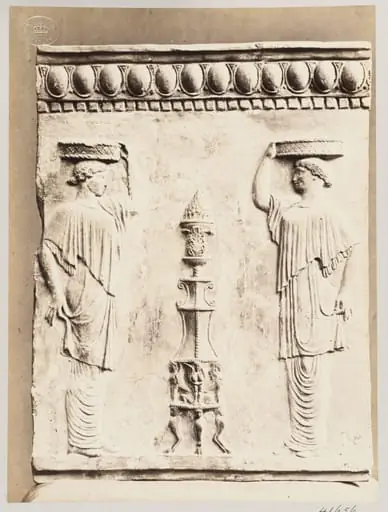 Bas-relief of a portion of a frieze with a thymiaterion and two temple slave females carrying baskets in terra cotta
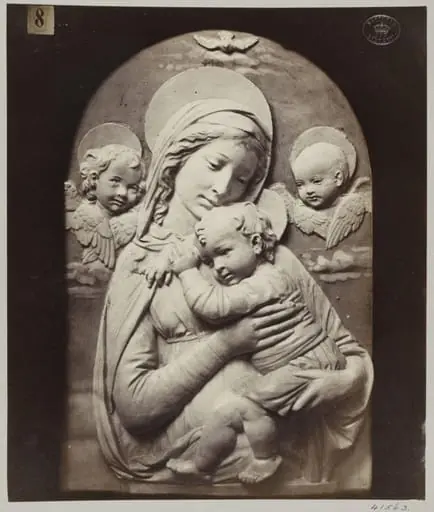 Bas-relief depicting the Virgin and Child in enamelled earthenware
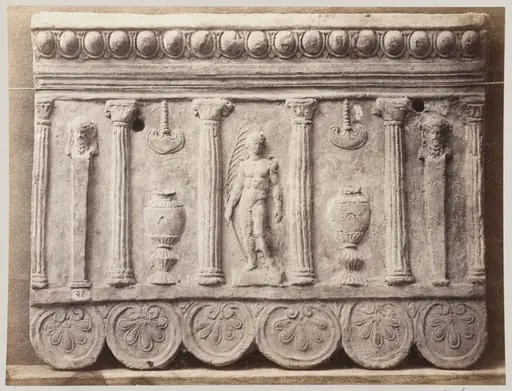 Bas-relief portion of a frieze of Hercules the conqueror in terra cotta
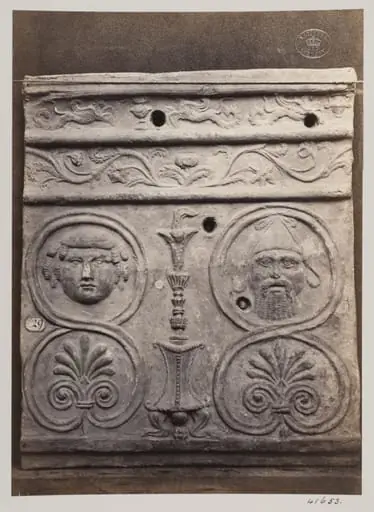 Bas-relief of a portion of a frieze of a thymiaterion and bacanallian masks in terra cotta
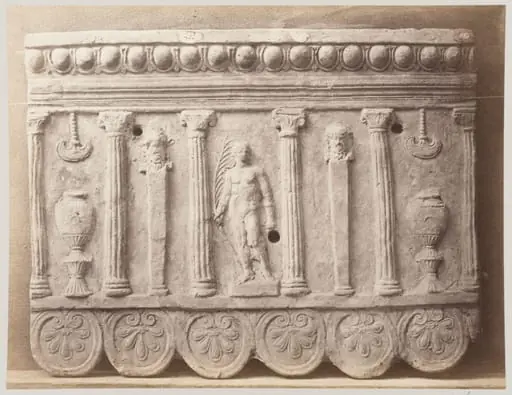 Bas-relief portion of a frieze of Cestiphore conqueror in terra cotta
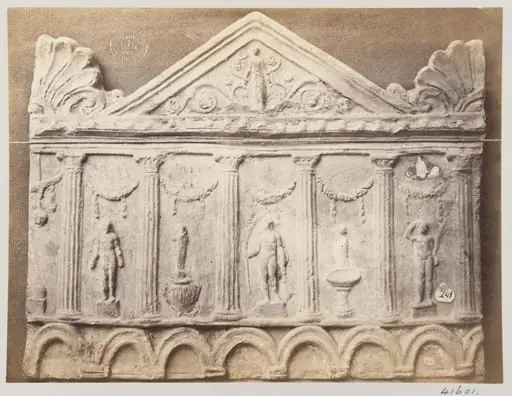 Bas-relief of the Temple of Hercules in terra cotta
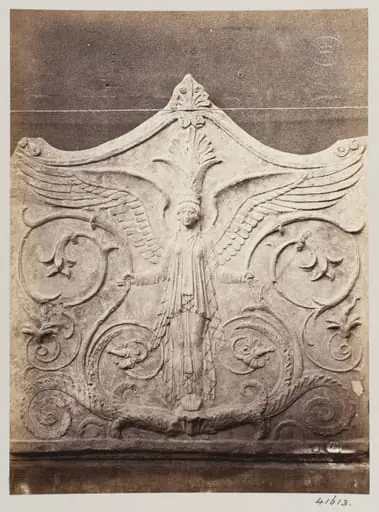 Bas-relief portion of a frieze of a winged figure with foliage in terra cotta