Artwork
Bas-relief of enamelled flying angel
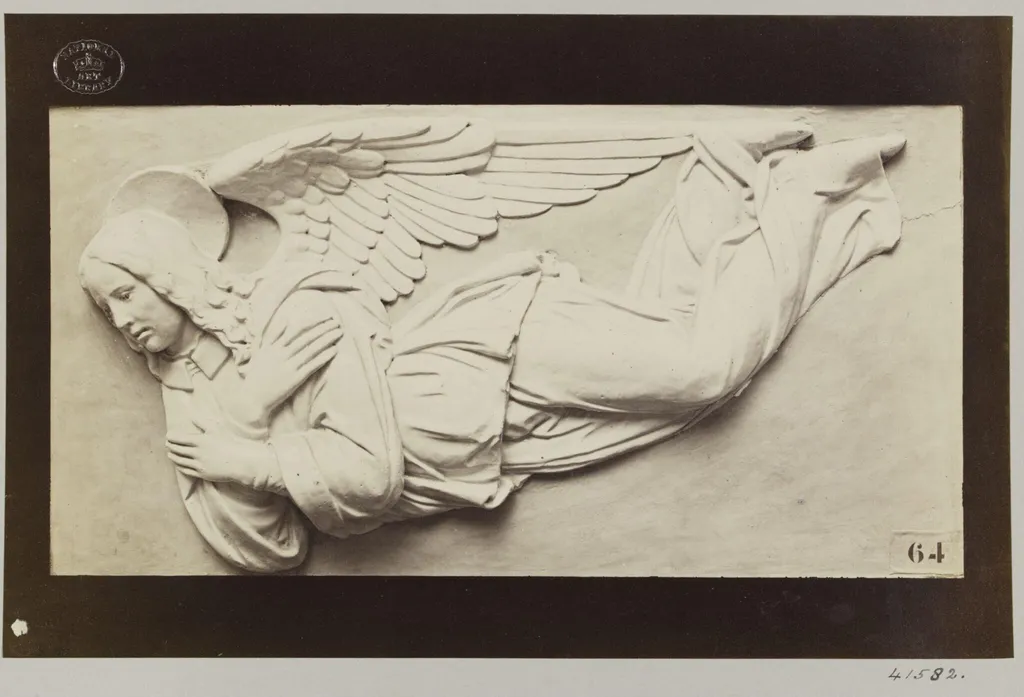
Bas-relief of enamelled flying angel is a photographic photography by the Impressionist artist Louise Laffon. It dates from 1864 and is held in the collection of the Victoria and Albert Museum. The image is an early photographic record, dated 1863‑64, of a shallow sculptural relief depicting an angel with enamelled surfaces.
About this work
Louise Laffon made it during a time when photography was new and museums were just starting to collect it.
This is an early photograph from 1863-64. It’s a bas-relief—a shallow sculpture—of an angel with enamelled surfaces. Louise Laffon made it during a time when photography was new and museums were just starting to collect it.
What’s wild is this came out right when the Victoria and Albert Museum began showing photographs. They wanted artists and students to use photos as visual tools, not just pretty pictures.
Check out the Victoria and Albert Museum next.
Overview
The image is an early photographic record, dated 1863‑64, of a shallow sculptural relief depicting an angel with enamelled surfaces. Produced by French photographer Louise Laffon, the photograph captures a decorative object that was part of the Campana Collection, then housed in the Musée Napoléon III in Paris.
Subject & Meaning
The relief portrays a winged angel rendered in low relief, its surface highlighted by enamel work that gives a glossy, colored finish. As a devotional or decorative motif, the angel reflects the 19th‑century taste for ornamental religious imagery within private collections.
Technique & Style
Laffon employed the wet‑collodion process, the dominant photographic method of the 1860s, to produce a sharp, detailed image of the metalwork. The photograph’s clear tonal range emphasizes the texture of the bas‑relief and the reflective quality of the enamel.
History & Provenance
The photograph was part of a series Laffon created for the Campana Collection. In 1864 the Victoria and Albert Museum acquired 500 of these images through the agent Monsieur E. Cappe, adding them to its nascent photographic collection.
Context
The V&A, then the South Kensington Museum, was the first institution to collect photographs (1852) and to exhibit them (1858). Founder Henry Cole promoted photography as a teaching aid for artists and students, encouraging the acquisition of works like Laffon’s to supplement traditional reprographic media.
Legacy
Laffon’s contribution illustrates the early involvement of women photographers in museum documentation. Her images helped establish photography as a scholarly resource, a role that the V&A continues to recognize in its extensive photographic archives.
Artist & collection
Artist
Louise Laffon (1828–1885), was a French photographer and painter. She was one of the first female professional photographers in France. She had a studio in Paris between 1859 and 1876.

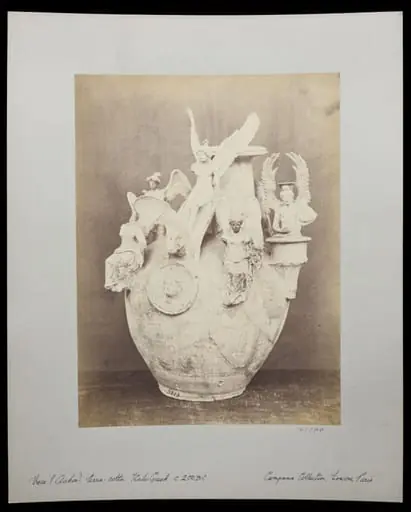 Perfume Burner in terra cotta
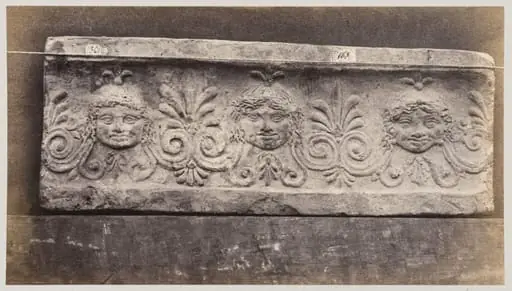 Three masques of gorgons in terra cotta
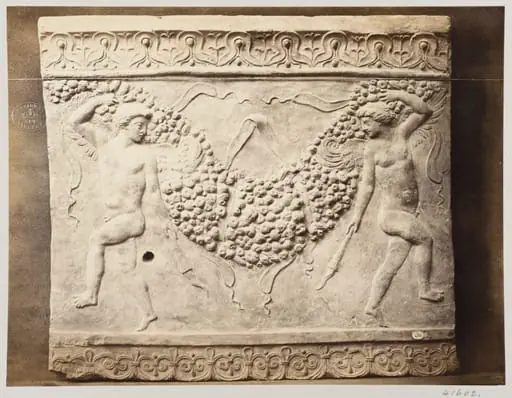 Bas-relief of portion of frieze of dancing figures with torches bearing festoon of fruit in terra cotta
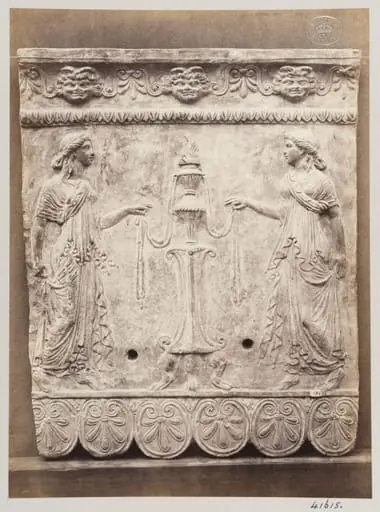 Bas-relief portion of a frieze of two draped females and an altar in terra cotta
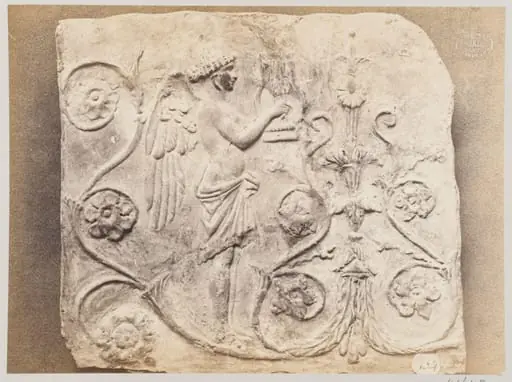 Bas-relief of a geni and a lyre in terra cotta
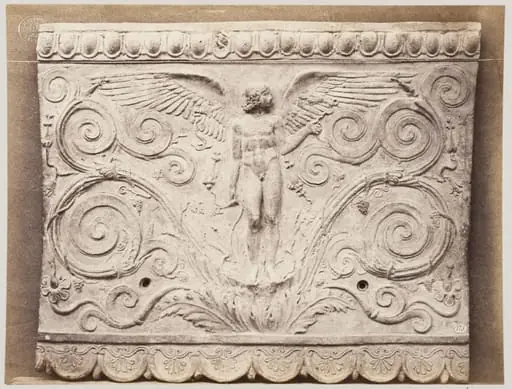 Bas-relief of a portion of frieze of Eros with scrollwork in terra cotta
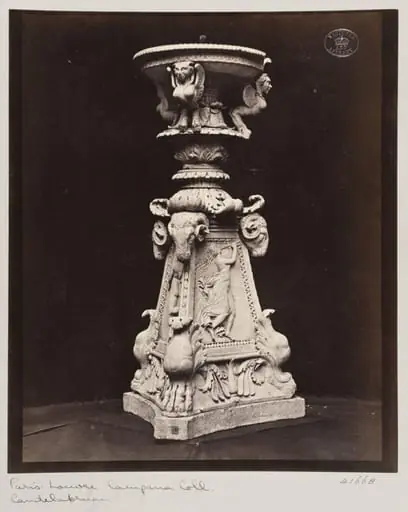 Marble sculptured fountain
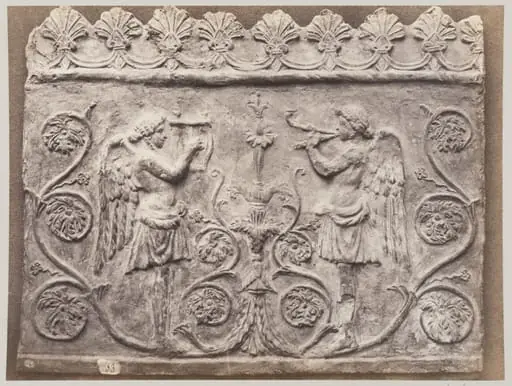 Bas-relief portion of frieze of Genii with double flutes and lyre
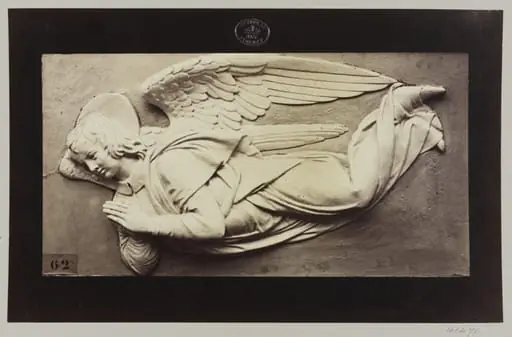 Bas-relief figure of a Flying Angel
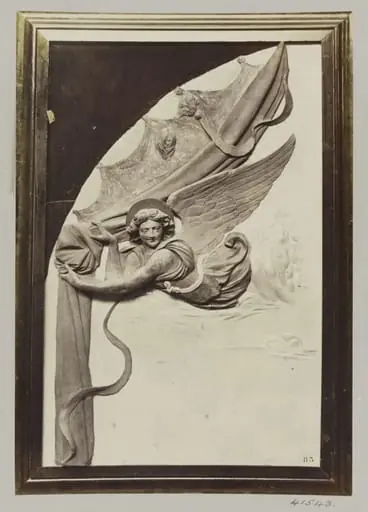 Bas-relief detail depicting an Angel drawing back a curtain in enamelled terra cotta and gilt
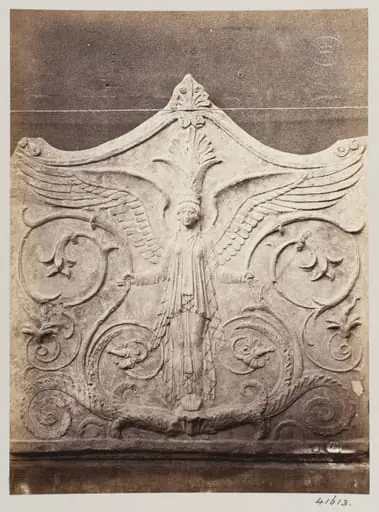 Bas-relief portion of a frieze of a winged figure with foliage in terra cotta
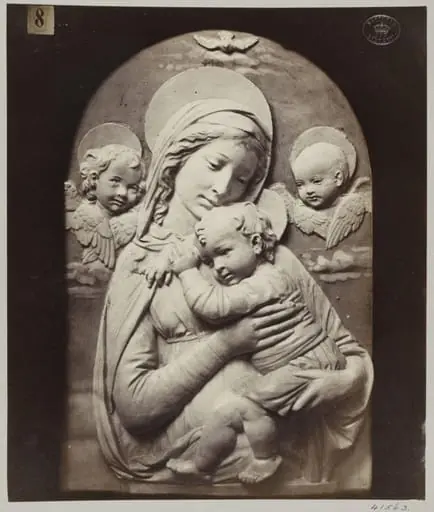 Bas-relief depicting the Virgin and Child in enamelled earthenware
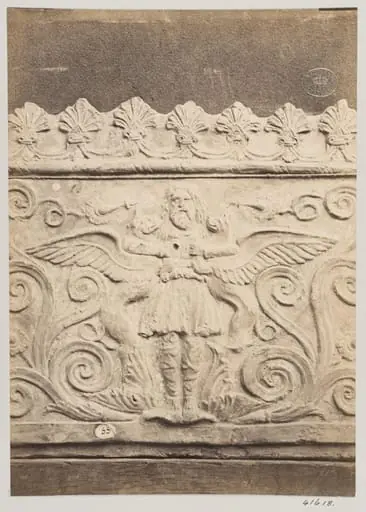 Bas-relief portion of a frieze of a flying genie in terra cotta
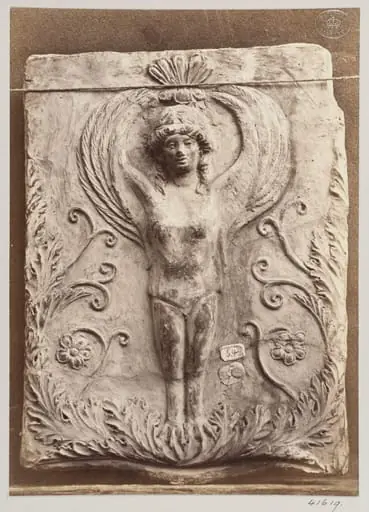 Bas-relief of a Siren in terra cotta
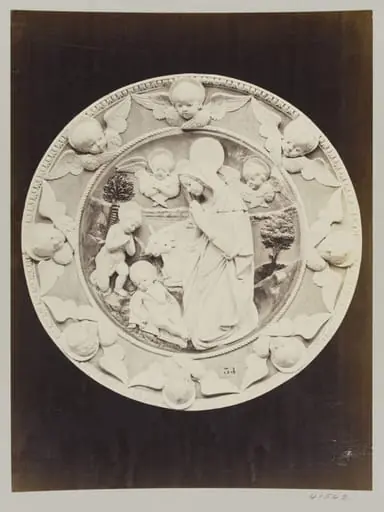 Circular bas-relief depicting the Nativity in enamelled earthenware