Artwork
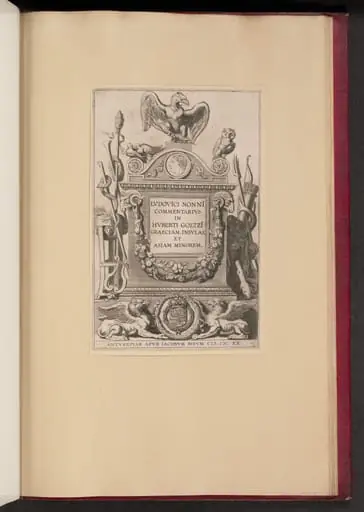
Title Page for Ludovicus Nonnius, Commentarius in Nomismata
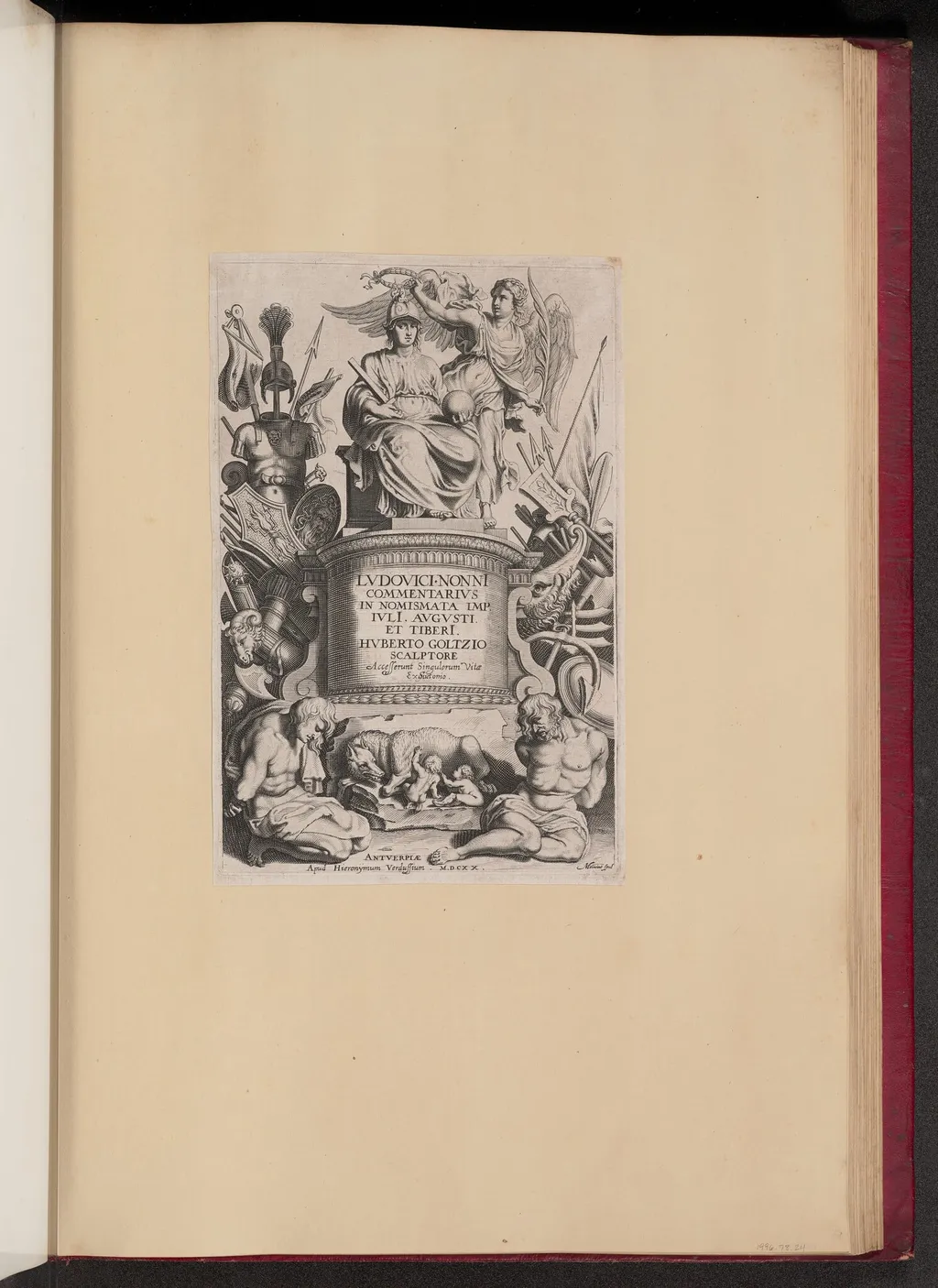
Title Page for Ludovicus Nonnius, Commentarius in Nomismata is an ink print by the Baroque artist Michel Lasne. It dates from 1620 and is held in the collection of the National Gallery of Art.
About this work
Overview
This 1620 engraving by Michel Lasne functioned as the title page for Ludovicus Nonnius’s scholarly work on ancient Roman coinage.
This 1620 engraving by Michel Lasne functioned as the title page for Ludovicus Nonnius’s scholarly work on ancient Roman coinage. Executed in fine linear detail on laid paper, the print exemplifies reproductive engraving practices of the early 17th century. Lasne, trained in Antwerp and later active in Paris, specialized in translating painted compositions into printed form, a role that placed him at the intersection of art and intellectual publishing.
Subject & Meaning
The imagery allegorizes the study of ancient coinage through symbolic figures. A crowned, winged woman represents Numismatics or the divine authority of monetary tradition, holding a staff and a small figure, possibly a personification of Rome. Beside her, another woman, perhaps Justice or History, observes. Below, laborers and a child with a sheep suggest the economic and civic foundations of coinage, while scattered tools and weapons imply the material culture of antiquity.
Technique & Style
Lasne employed fine, controlled lines to model form and depth, characteristic of reproductive engraving in the Baroque period. The composition is densely packed with detail—coins, tools, and figures arranged to guide the viewer’s eye toward the central allegorical group. Shading is achieved through cross-hatching and parallel lines, demonstrating mastery of the burin and an understanding of light and volume derived from Flemish painting traditions.
History & Provenance
Created in 1620, the engraving was produced shortly after Lasne’s training under Rubens and van Dyck in Antwerp. By 1621, he had settled in Paris, where his reputation grew, culminating in his appointment as royal engraver to Louis XIII in 1633. This work was among his early publications in France, linking scholarly texts with visual authority and establishing his role in disseminating intellectual content through print.
Context
In early 17th-century France, scholarly works on antiquity were increasingly illustrated to lend credibility and visual sophistication. Lasne’s engraving aligns with a broader trend of using allegorical imagery to elevate academic subjects like numismatics. His Flemish training brought Northern precision to French publishing, bridging artistic traditions and supporting the intellectual ambitions of the Bourbon court.
Legacy
Lasne’s title page set a standard for the visual presentation of scholarly texts in France. His ability to translate complex allegories into clear, detailed engravings influenced subsequent illustrators of antiquarian works. Though his original paintings are lost, his prints preserved and propagated visual ideas, securing his place in the history of print culture and the transmission of classical scholarship.
Artist & collection
Artist
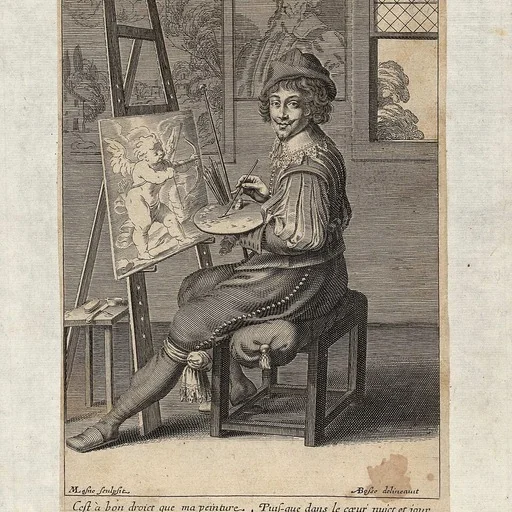
Michel Lasne (Caen, ca. 1590–4 December 1667, Paris), was a French engraver, draughtsman and collector. Lasne was born in Caen and was the son of a goldsmith. He was a member of the Guild of Saint Luke in Antwerp for…

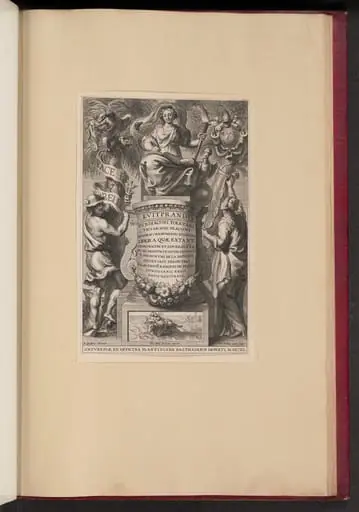 Title Page for Liutprand, Opera
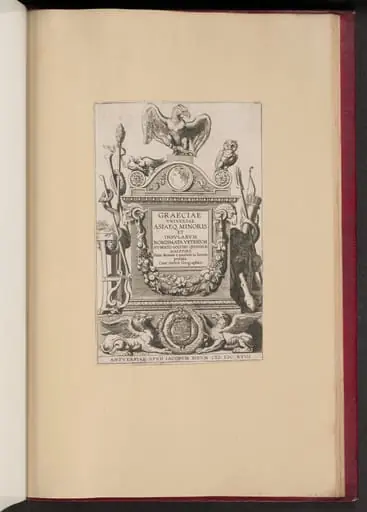 Title Page for Hubert Goltzius, Graeciae Vniversae Asiaeq. Minoris et Insularum Nomismata
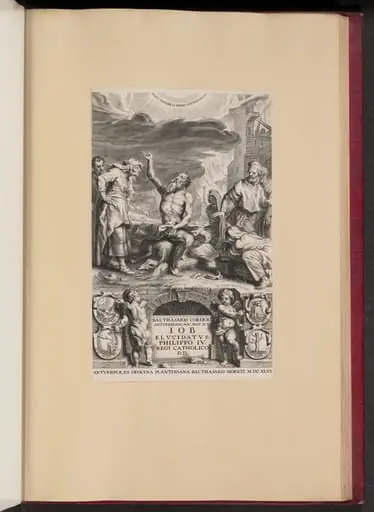 Title Page for Balthasar Cordier, Iob Elvcidatvs
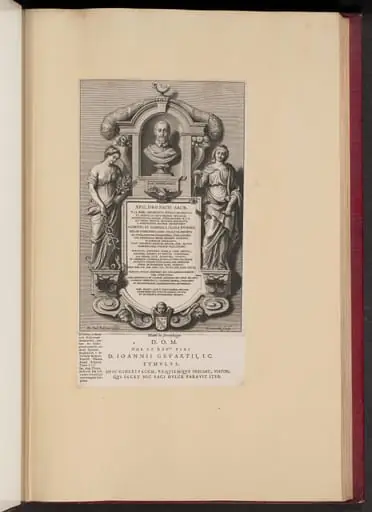 Epitaph of Claude Jean Gevaert
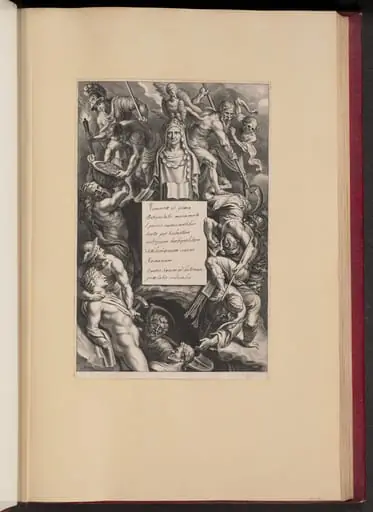 Title Page for Hubert Goltzius, Romanae et Graecae Antiqvitatis Monvmenta (Opera Omnia, I)
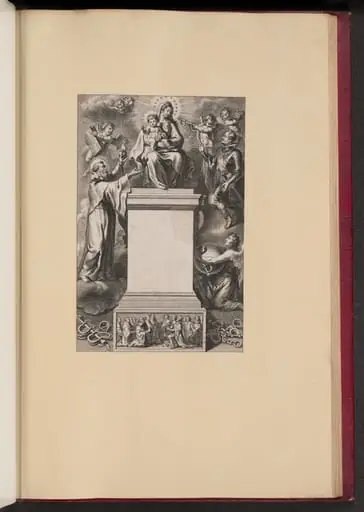 Title Page for B. De Los Rios, De Hierarchia Mariana Libri Sex
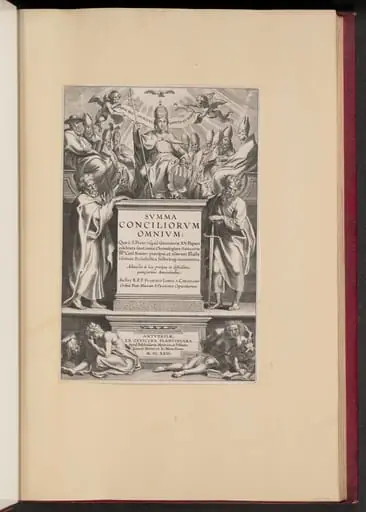 Title Page for F. Longo a Coriolano's "Svmma Conciliorvm Omnivm"
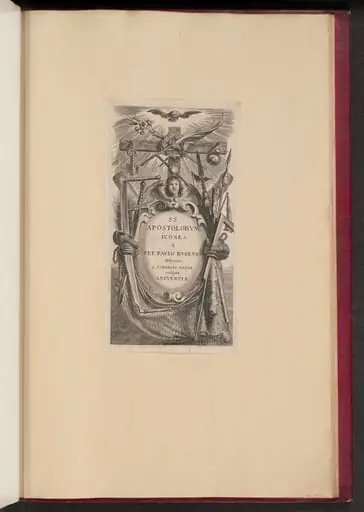 Title Plate for SS. Apostolorvm Icones