Artwork
View of Nuremberg from the West [left section]
![View of Nuremberg from the West [left section], by Hanns Lautensack, ink, 1552](https://artifactworldgallery.com/img/hanns-lautensack--view-of-nuremberg-from-the-west-left-section--8ac5006101a371ac-w1024.webp)
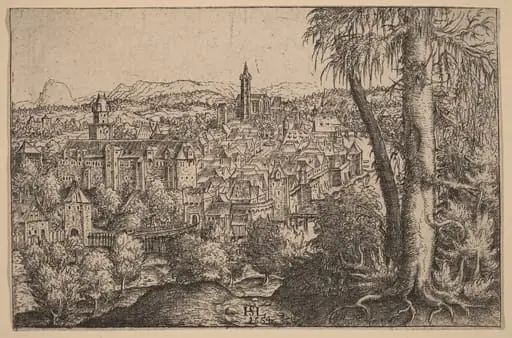
View of Nuremberg from the West [left section] is an ink print by the Renaissance artist Hanns Lautensack. It dates from 1552 and is held in the collection of the National Gallery of Art. Created in 1552, this etching presents a panoramic view of Nuremberg as seen from the west.
About this work
Overview
Ornamental lettering and a crest top the image, while Latin inscriptions identify specific structures.
Created in 1552, this etching presents a panoramic view of Nuremberg as seen from the west. The composition captures the city’s riverine layout, with buildings of varied rooflines lining both banks, a central bridge bustling with pedestrians, and a surrounding landscape of trees, fields, and distant hills. Ornamental lettering and a crest top the image, while Latin inscriptions identify specific structures.
Subject & Meaning
The print serves as a topographical record, emphasizing Nuremberg’s orderly urban plan and its integration with the surrounding countryside. By depicting the river, bridges, and densely built streets, the image highlights the city’s commercial vitality and civic pride, while the inclusion of Latin names suggests an intention to inform an educated audience about notable landmarks.
Technique & Style
Executed with the etching process, the artist incised fine lines into a metal plate, allowing for delicate rendering of architectural detail and atmospheric perspective. The work’s monogram signature, typical of the creator’s prints, attests to the precision of line work and the controlled tonal variations achievable through acid biting and careful wiping.
History & Provenance
The etching was produced by Hanns Lautensack, a Bamberg‑born German printmaker active in the mid‑16th century. After spending much of his career in Nuremberg, Lautensack later worked in Vienna around 1556. His prints, often signed with a distinctive monogram, circulated among collectors and patrons familiar with the city’s visual culture.
Context
During the Renaissance, German cities like Nuremberg commissioned detailed city views to document urban growth and promote civic identity. Lautensack’s work aligns with this tradition, offering a visual inventory that complements contemporary maps and written descriptions, and reflecting the period’s interest in precise, observational representation of urban spaces.
Artist & collection
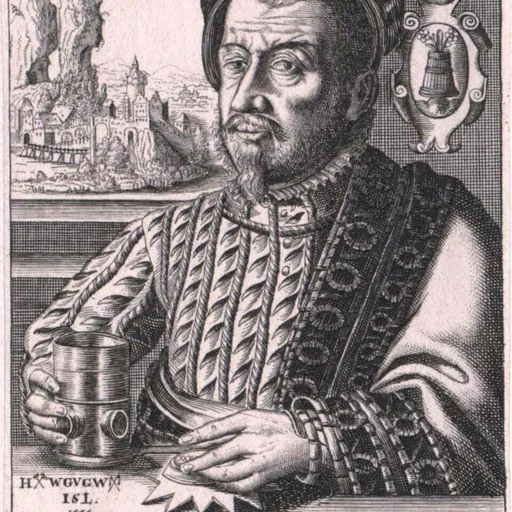
Artist
Hanns Lautensack (sometimes erroneously referred to as Hans Sebald Lautensack) (1524 – c.

![View of Nuremberg from the West [center section], by Hanns Lautensack](https://artifactworldgallery.com/img/hanns-lautensack--view-of-nuremberg-from-the-west-center-section--12422dca269411c0-w320.webp)
![View of Nuremberg from the West [right section], by Hanns Lautensack](https://artifactworldgallery.com/img/hanns-lautensack--view-of-nuremberg-from-the-west-right-section--8f7bb033ee717b8e-w320.webp) View of Nuremberg from the West [right section]
View of Nuremberg from the West [right section]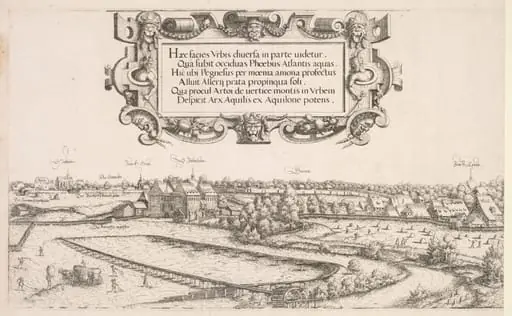 Panoramic View of Nuremberg: Left Portion
![View of Nuremberg from the East [left section], by Hanns Lautensack](https://artifactworldgallery.com/img/hanns-lautensack--view-of-nuremberg-from-the-east-left-section--53a897f84943df87-w320.webp) View of Nuremberg from the East [left section]
View of Nuremberg from the East [left section]![View of Nuremberg from the East [center section], by Hanns Lautensack](https://artifactworldgallery.com/img/hanns-lautensack--view-of-nuremberg-from-the-east-center-section--7aaed3dd23c167ee-w320.webp) View of Nuremberg from the East [center section]
View of Nuremberg from the East [center section]![View of Nuremberg from the East [right section], by Hanns Lautensack](https://artifactworldgallery.com/img/hanns-lautensack--view-of-nuremberg-from-the-east-right-section--cd9d20af411c0891-w320.webp) View of Nuremberg from the East [right section]
View of Nuremberg from the East [right section]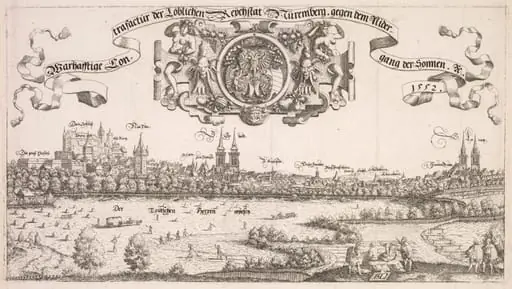 Panoramic View of Nuremberg: Center Portion
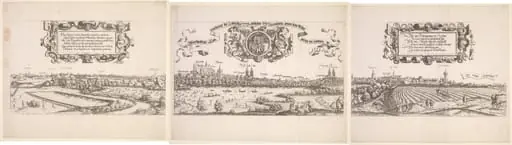 Panoramic View of Nuremberg
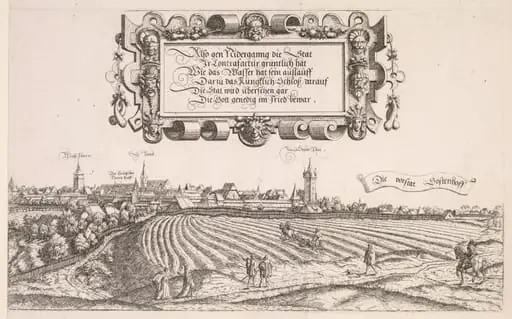 Panoramic View of Nuremberg: Right Portion