Artwork
View of Steyr on Enns
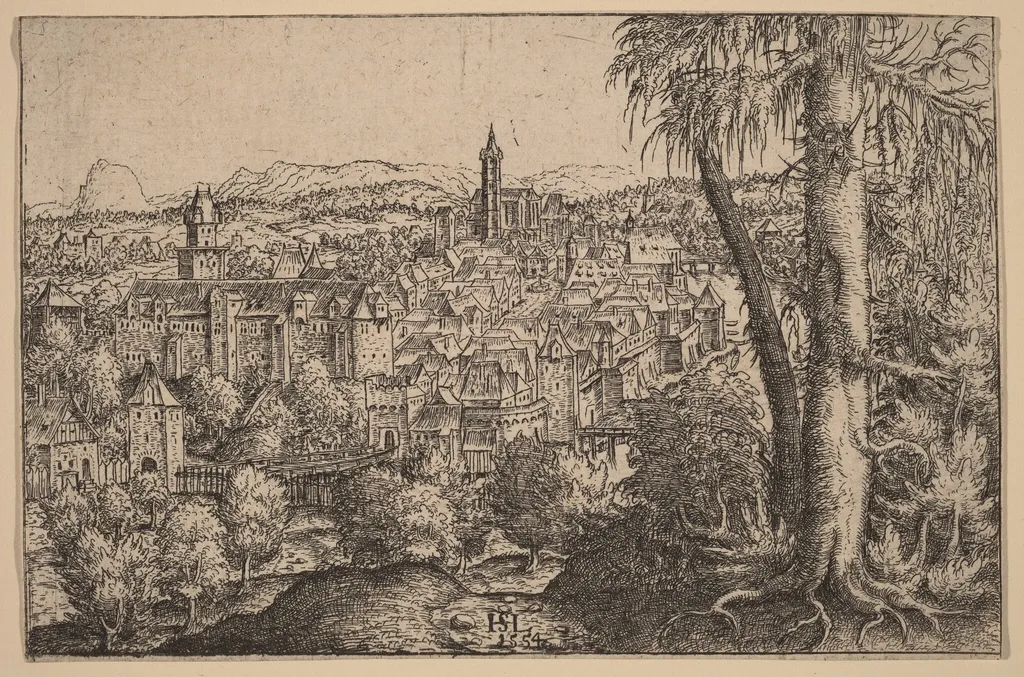
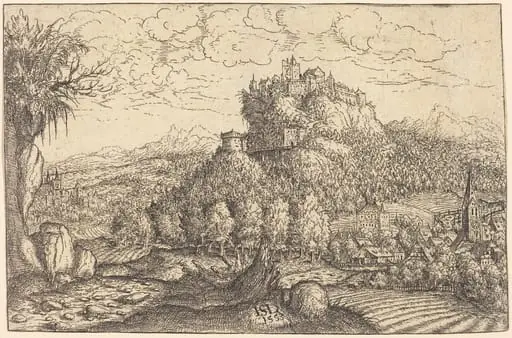
View of Steyr on Enns is an ink print by the Renaissance artist Hanns Lautensack. It dates from 1554 and is held in the collection of the National Gallery of Art.
About this work
Overview
Hanns Lautensack’s 1554 etching presents a panoramic view of the town of Steyr situated on the banks of the Enns River. The composition captures the settlement nestled among rolling hills and woodland, with a prominent tower rising above the clustered rooftops. A large, root‑exposed tree dominates the right foreground, while a gentle stream winds through the centre of the scene.
Subject & Meaning
The image records a tranquil urban landscape, emphasizing the harmony between human habitation and the surrounding natural environment.
The image records a tranquil urban landscape, emphasizing the harmony between human habitation and the surrounding natural environment. The densely packed houses with steeply pitched roofs convey the town’s medieval character, while the towering structure in the distance suggests civic or ecclesiastical importance. The inclusion of the tree and waterway underscores a balanced, idyllic atmosphere typical of Renaissance topographical studies.
Technique & Style
Executed in etching on laid paper, the work demonstrates Lautensack’s precise line work and careful modulation of tone. Fine hatching renders the texture of foliage and roof tiles, while cross‑hatching creates depth in the distant hills. The artist’s monogram appears in the lower margin, confirming authorship and reflecting the period’s practice of signing prints for attribution.
History & Provenance
Born in Bamberg in 1524, Lautensack trained as an etcher and draughtsman before establishing his practice in Nuremberg. He produced this view of Steyr in the mid‑sixteenth century, a time when printmaking was expanding across Central Europe. After his relocation to Vienna around 1556, the etching circulated among collectors, eventually entering museum collections that specialize in Renaissance prints.
Context
The print belongs to a flourishing era of Northern Renaissance printmaking, when artists used the medium to document cities, landscapes, and architectural landmarks. Such works served both as records of place and as decorative objects for a growing market of educated patrons. Lautensack’s attention to architectural detail and natural setting reflects contemporary interests in realism and the scientific observation of geography.
Artist & collection
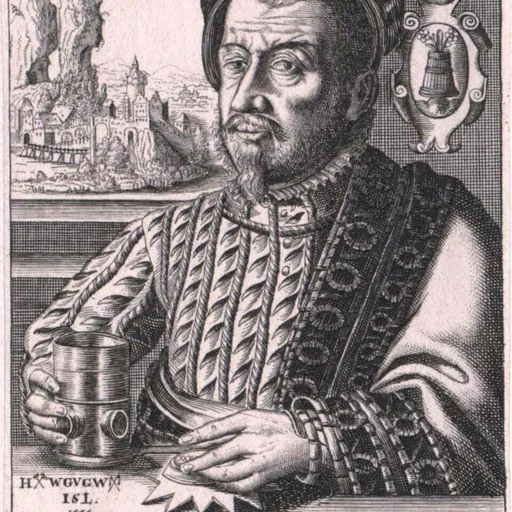
Artist
Hanns Lautensack (sometimes erroneously referred to as Hans Sebald Lautensack) (1524 – c.

![View of Nuremberg from the West [center section], by Hanns Lautensack](https://artifactworldgallery.com/img/hanns-lautensack--view-of-nuremberg-from-the-west-center-section--12422dca269411c0-w320.webp)
 Bird Dropping Blinding Tobit
 Landscape with High Cliffs, River, and City
 Mountainous Landscape with a Village
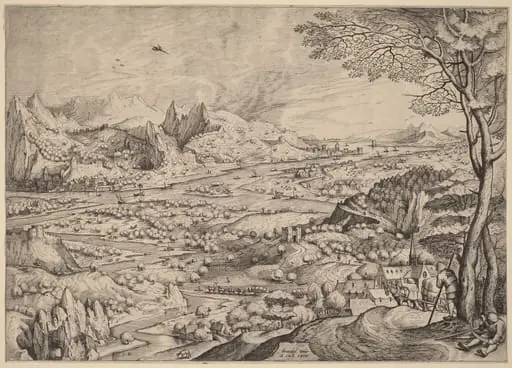 Solicitudo Rustica (Rustic Concerns)
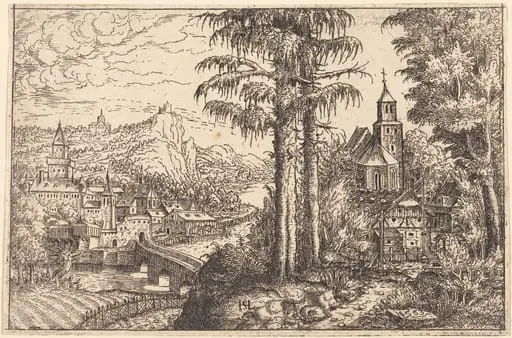 View of a Town near a River with a Church on the Right
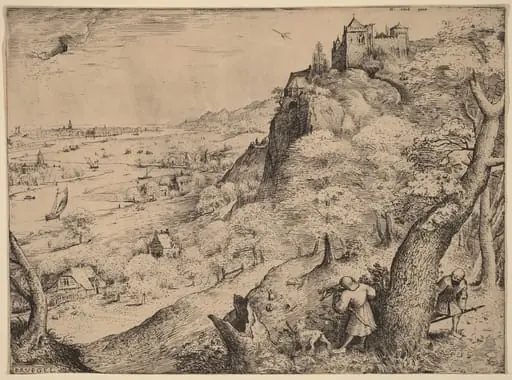 The Rabbit Hunters
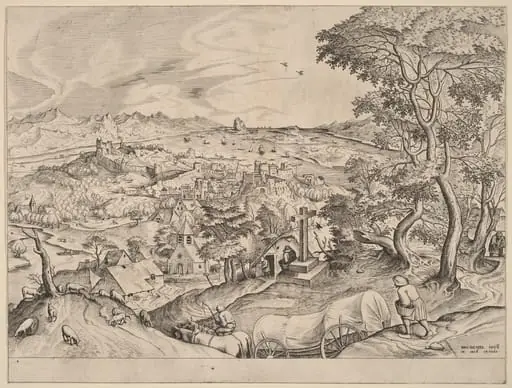 Plaustrum Belgicum (The Belgian Wagon)
 Cephalus and Procris
 View of a City near a River
 Landscape with a Castle
 Landscape with a Vineyard