Artwork
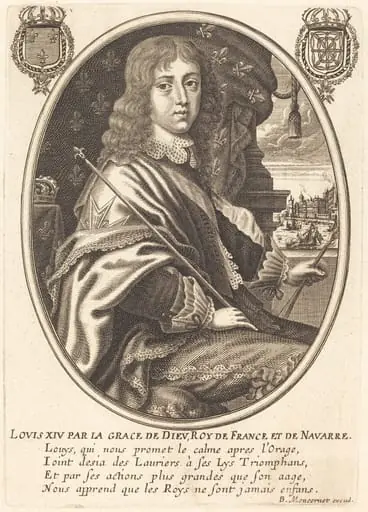
La veue du Pont Neuf; Louis XIV Roy de Franceet de Navarre
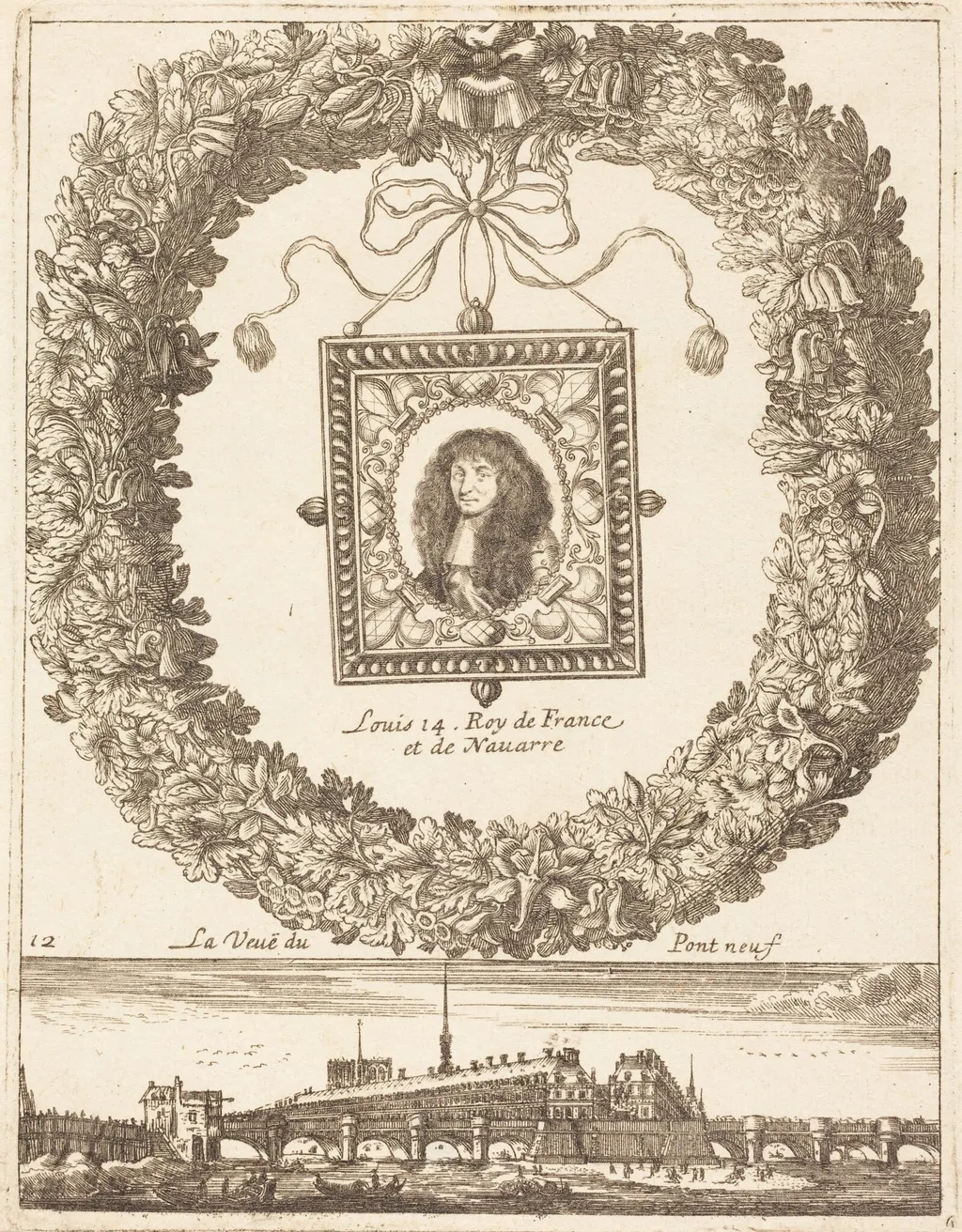
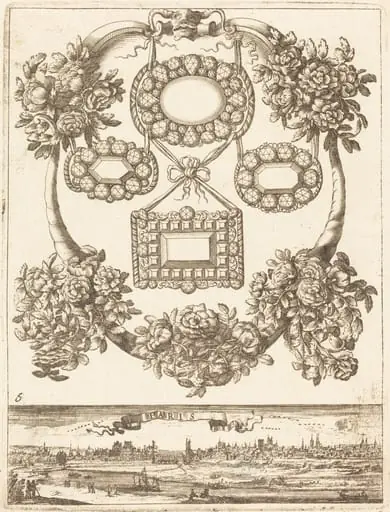
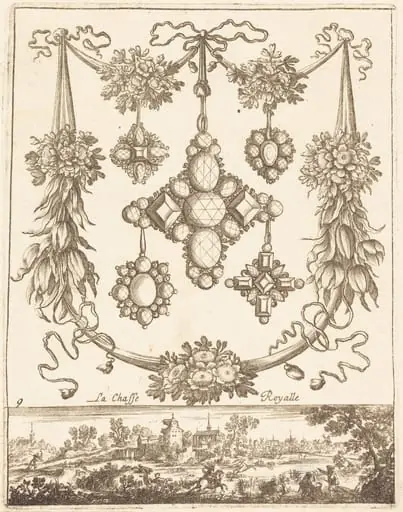
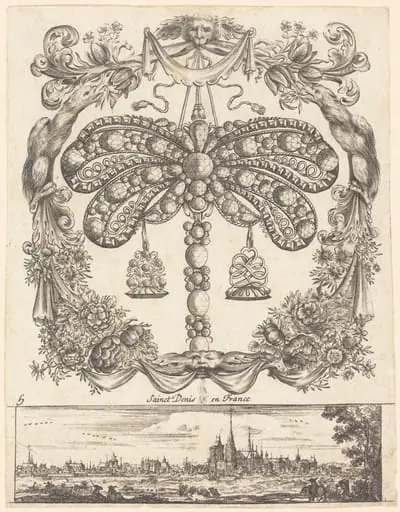
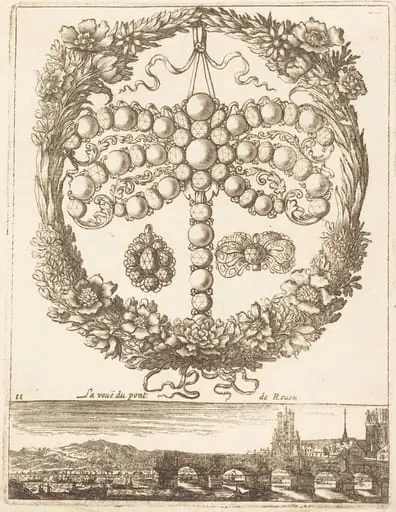
La veue du Pont Neuf; Louis XIV Roy de Franceet de Navarre is an ink print by the Baroque artist François Le Febvre. It dates from 1665 and is held in the collection of the National Gallery of Art.
About this work
Overview
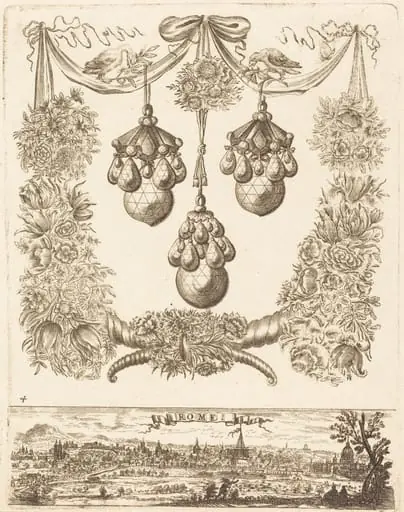
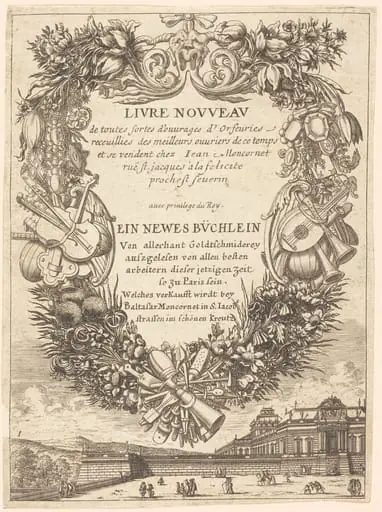
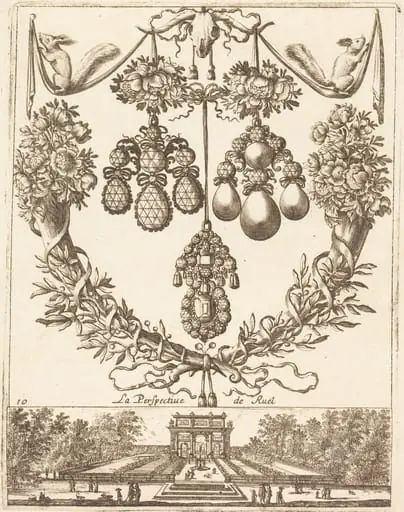
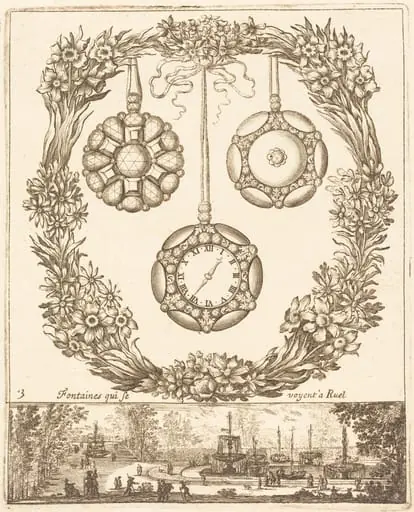
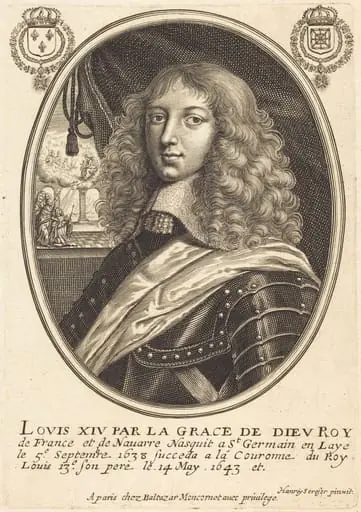
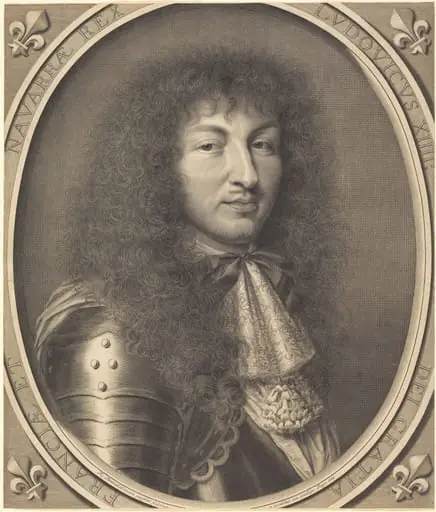
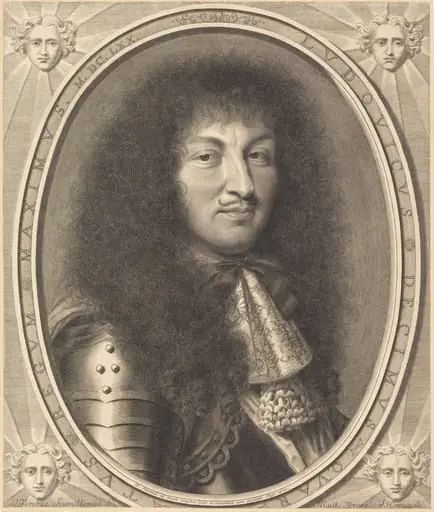
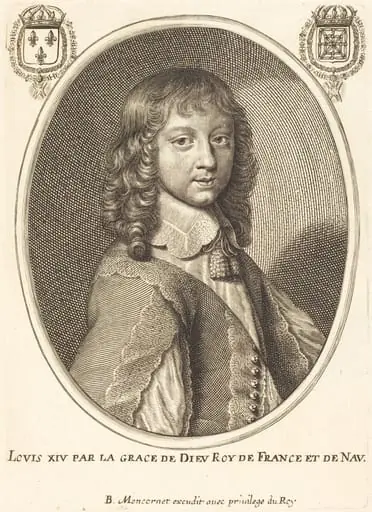
Created around 1665 by engraver François Le Febvre, this print depicts a ceremonial scene on the Pont Neuf in Paris. It portrays Louis XIV, King of France and Navarre, as a central figure in a public setting. The work belongs to the tradition of engraved city views, intended to document royal presence and urban life during the early years of his reign.
Subject & Meaning
The image captures Louis XIV in formal attire, surrounded by courtiers and commoners, emphasizing his visibility within the city. The crowd and architectural backdrop suggest a moment of public spectacle, reinforcing the monarchy’s connection to Parisian life. The composition serves not merely as a portrait but as a statement of royal authority in a thriving urban environment.
Technique & Style
Executed in fine-line engraving, the print relies on precise incisions to render texture and depth. Details in clothing, facial features, and building facades are achieved through controlled hatching and crosshatching. The style reflects the precision favored in 17th-century French printmaking, prioritizing clarity and documentary fidelity over expressive flourish.
History & Provenance
The engraving was produced during Louis XIV’s consolidation of power, a period when imagery of the king in public spaces was strategically circulated. While its early ownership is undocumented, such prints were often distributed to nobility and institutions as tools of political representation. It remains a rare surviving example of official visual propaganda from the era.
Context
In mid-17th century Paris, the Pont Neuf was both a physical and symbolic crossroads — the city’s oldest bridge and a hub of commerce and ceremony. Depicting the king there aligned him with modernity and civic life. Engravings like this helped shape public perception of monarchy during a time when visual culture was becoming a key instrument of state messaging.
Legacy
This engraving contributes to a broader corpus of royal imagery that documented Louis XIV’s reign through urban scenes. Though not widely known today, it exemplifies how printmaking served administrative and symbolic functions in early modern France. Its survival offers insight into how authority was visually constructed and disseminated beyond court circles.
Artist & collection