Artwork
Louis XIV
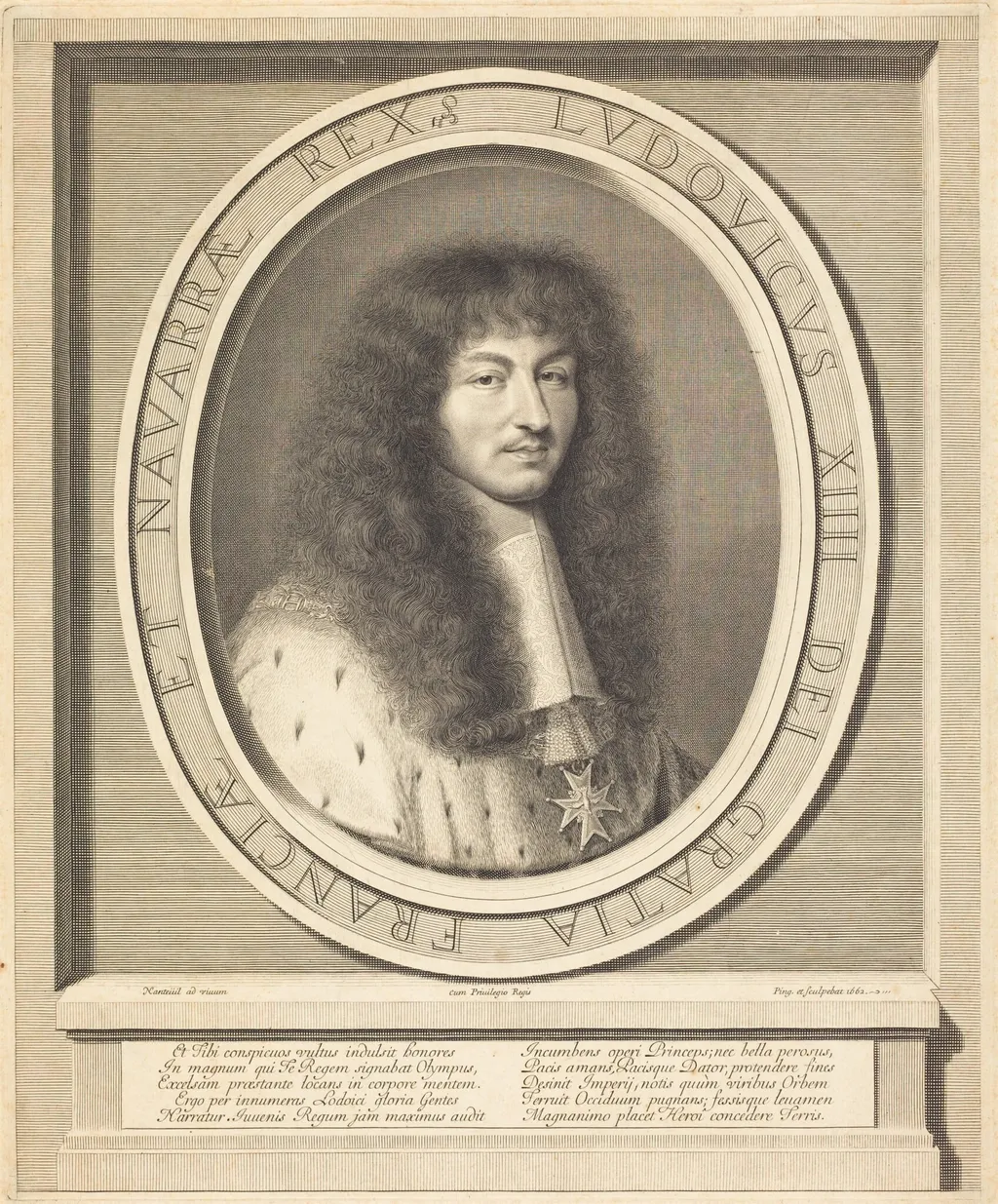
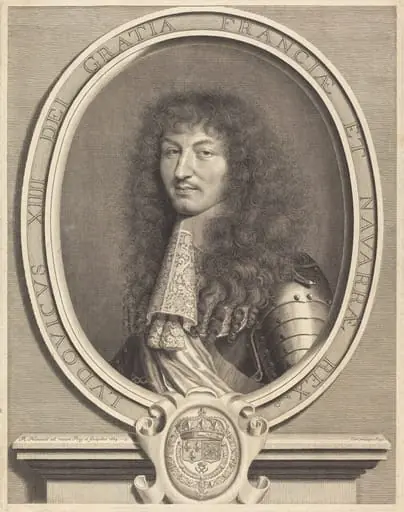
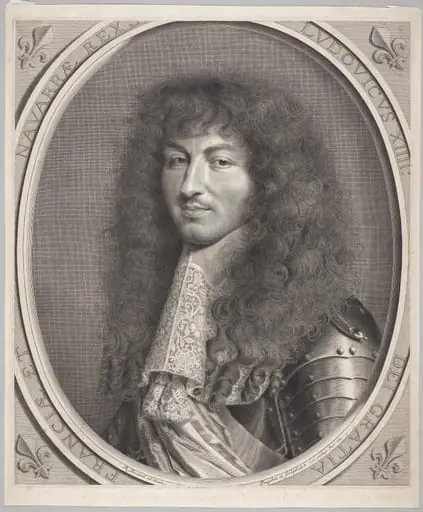
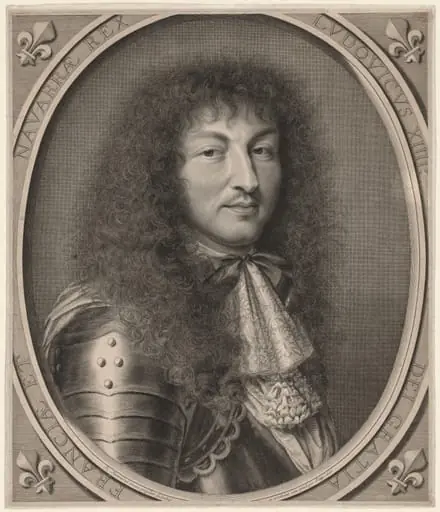
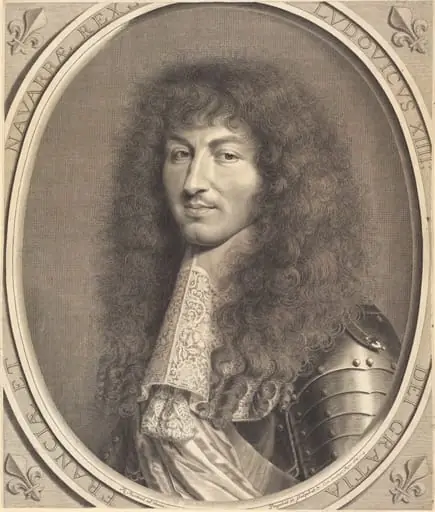
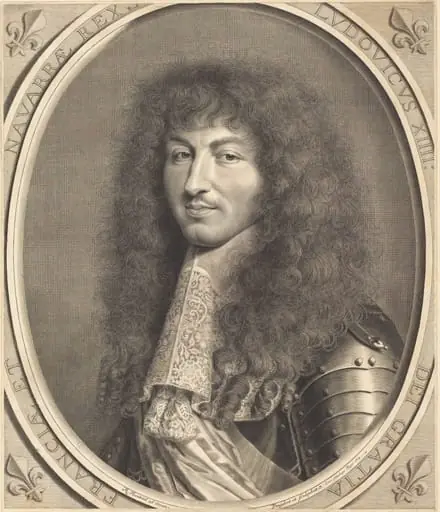
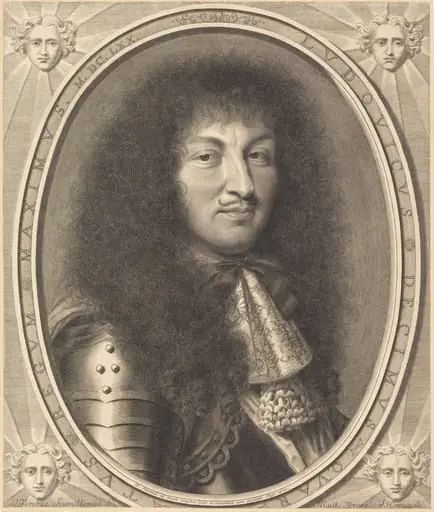
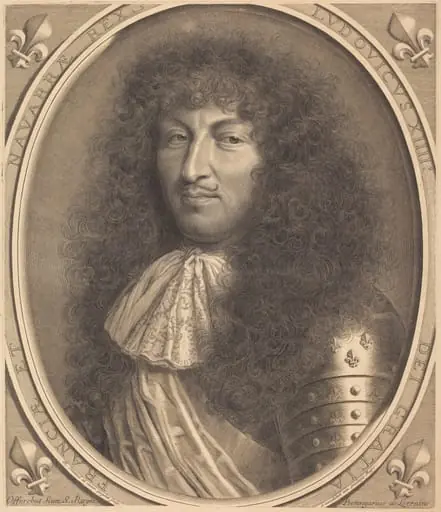
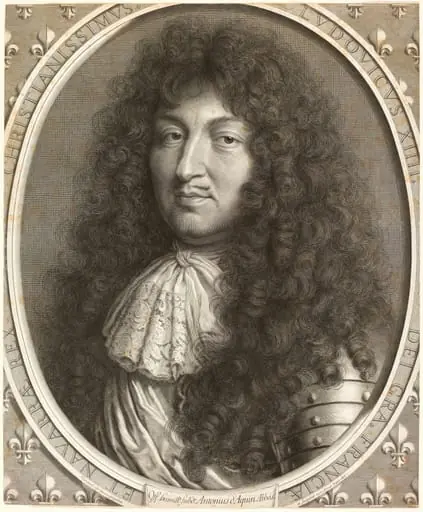
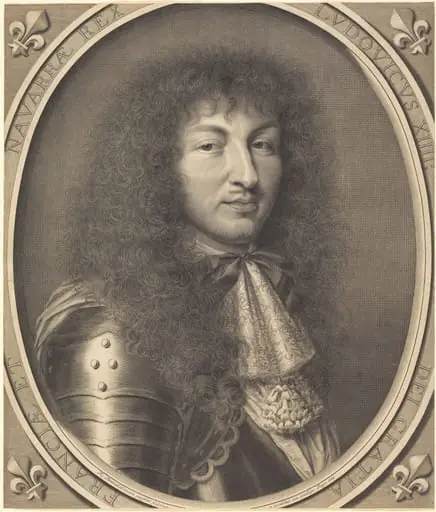
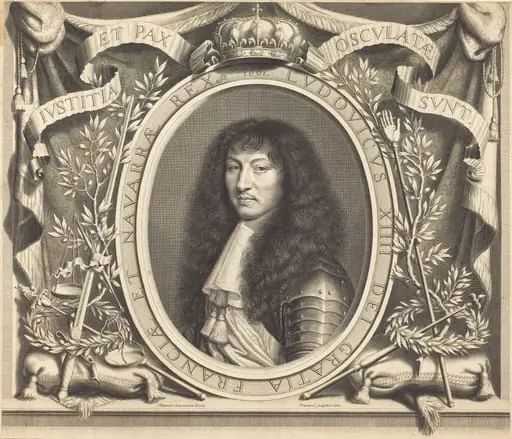
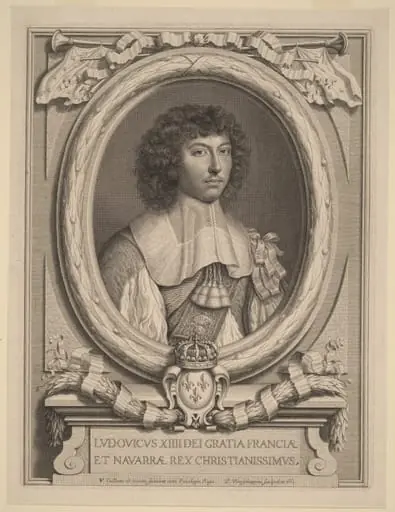
Louis XIV is an ink print by the Baroque artist Robert Nanteuil. It dates from 1662 and is held in the collection of the National Gallery of Art.
About this work
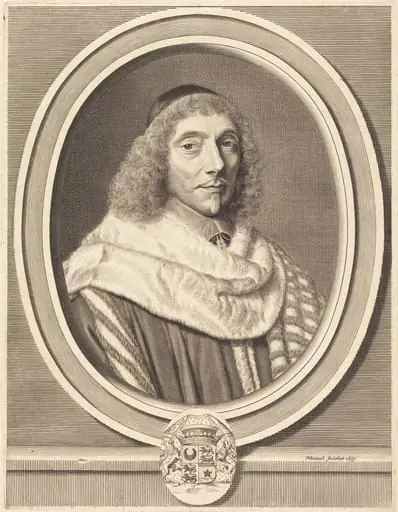
Robert Nanteuil carved this engraving of Louis XIV in 1662. The king sits straight in a carved chair. His lace collar and velvet robe show off power and fashion.
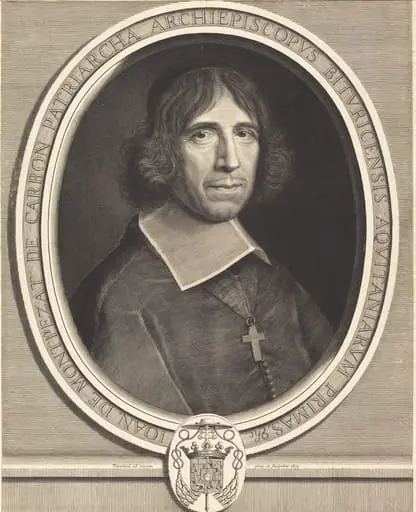
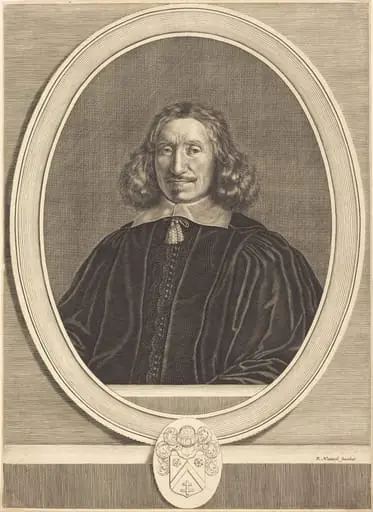
Nanteuil used fine cross-hatching lines to shade the face and robe. This makes the king look three-dimensional on flat paper. The technique was new for royal portraits.
Look up Robert Nanteuil to see more of his engravings.
Overview
Nanteuil’s role was to craft authoritative images of the monarchy, and this print exemplifies his skill in translating royal presence into reproducible form.
Robert Nanteuil, a leading French engraver of the mid-17th century, produced this portrait of Louis XIV in 1662 as part of his official duties at the royal court. The work is a copperplate engraving, a technique requiring precise incisions to transfer ink onto paper. Nanteuil’s role was to craft authoritative images of the monarchy, and this print exemplifies his skill in translating royal presence into reproducible form.
Subject & Meaning
The engraving presents Louis XIV seated rigidly in an ornate chair, his posture conveying stillness and command. His elaborate lace collar and rich velvet robe are rendered with attention to texture, signaling wealth and status. The composition avoids narrative or symbolism, focusing instead on the king’s physical presence as an embodiment of sovereign authority, reinforcing the absolutist ideals of his reign.
Technique & Style
Nanteuil employed fine, controlled cross-hatching to model light and shadow across the king’s face and garments, achieving a sculptural depth uncommon in earlier royal portraits. His meticulous line work captured the sheen of silk, the softness of lace, and the weight of velvet without color. This tonal precision elevated engraving from mere reproduction to a refined medium capable of conveying nuanced realism.
History & Provenance
Created during Nanteuil’s tenure as the king’s official portraitist, this engraving was likely used to distribute the monarch’s image across France and Europe. As printed impressions, such works served diplomatic and propagandistic ends, ensuring a consistent visual identity for the crown. The plate remained in royal hands, and later impressions were made under official supervision.
Context
In the 1660s, Louis XIV consolidated power through centralized imagery, and Nanteuil’s engravings were key to this strategy. Unlike earlier portraits that emphasized divine right through allegory, this work grounded authority in physical presence and material opulence. The rise of print culture allowed such images to circulate widely, shaping public perception of monarchy beyond the palace walls.
Legacy
Nanteuil’s portrait set a standard for royal representation in print, influencing generations of engravers across Europe. His ability to render texture and expression with line alone established engraving as a legitimate art form for portraiture. Though later styles evolved, his work remained a reference point for the dignified, controlled depiction of power in printed media.
Artist & collection
Artist
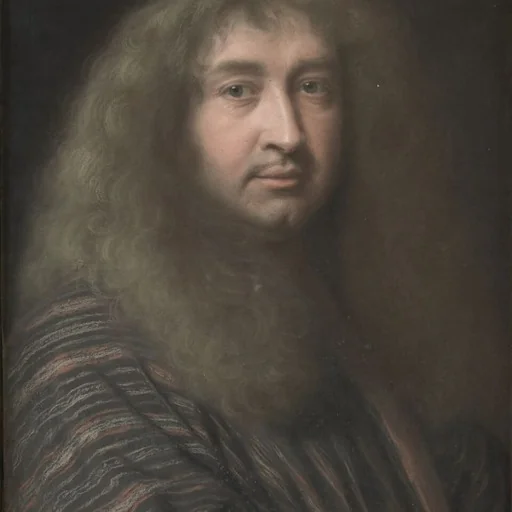
Robert Nanteuil (French pronunciation: ; 1623 – 9 December 1678) was a French portrait artist: engraver, draughtsman and pastellist to the court of Louis XIV.