Artwork
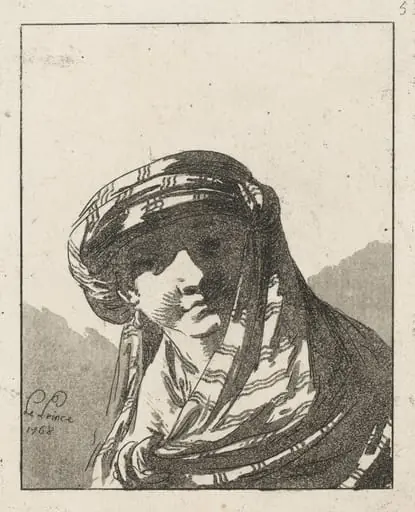
Head of a Woman, Full Face
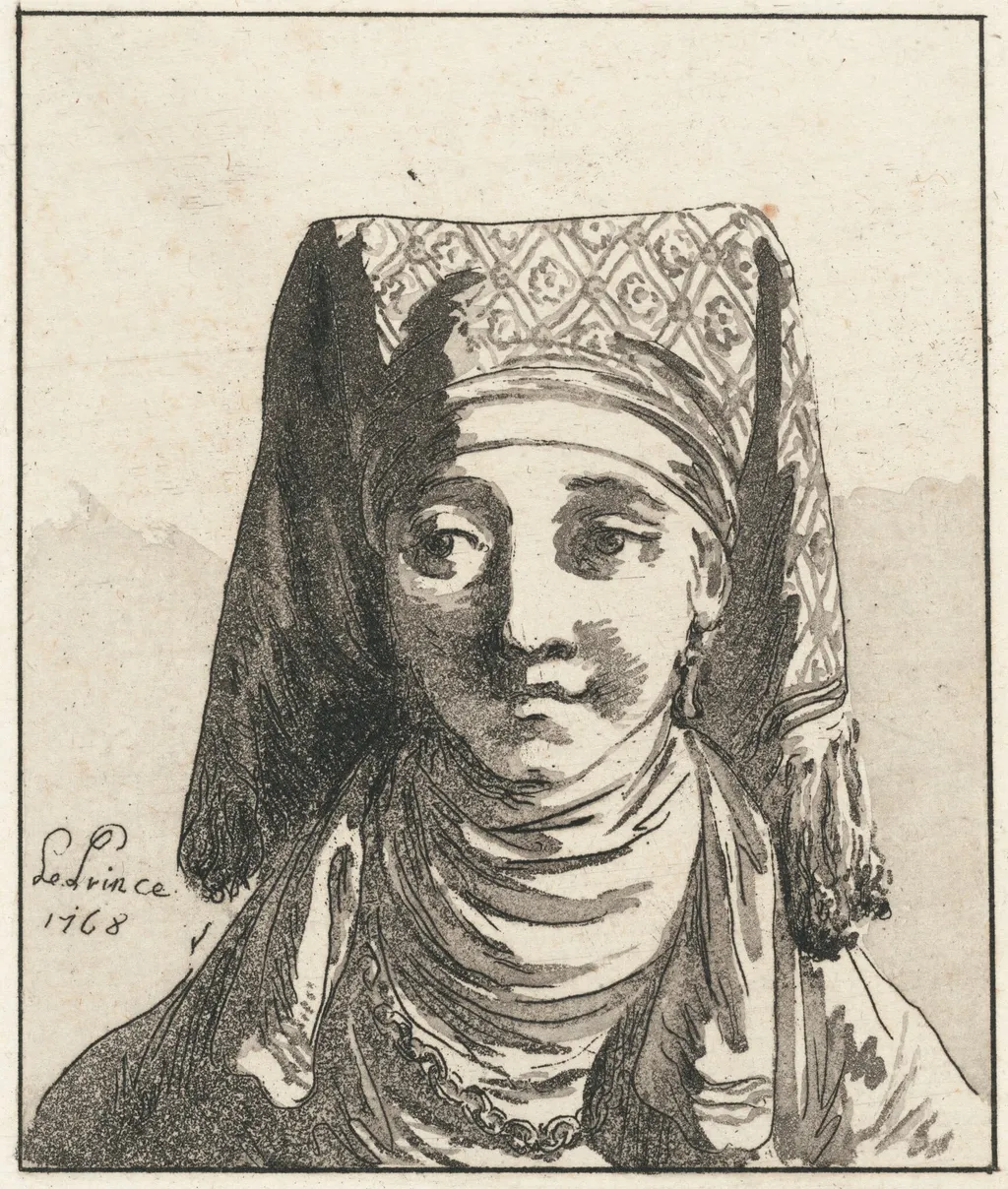
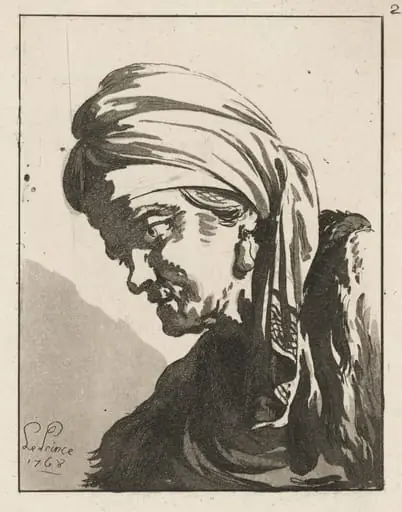
Head of a Woman, Full Face is an ink print by the Romanticist artist Jean-Baptiste Le Prince. It dates from 1768 and is held in the collection of the National Gallery of Art.
About this work
Next, look up etching to see how artists like this one carved lines into metal plates to print images.
This sketch shows a woman’s face straight on, her features simple and clear. She wears a patterned head covering and a high-necked dress with ruffles at the collar. The lines are smooth but slightly faded, giving it a soft, sketchy look.
The artist used a mix of shading and fine lines to show texture, especially in her hair and fabric. The date "1768" and the name "Le Prince" are signed in the corner—this was made over 250 years ago.
Next, look up etching to see how artists like this one carved lines into metal plates to print images.
Overview
Jean-Baptiste Le Prince’s print, titled Head of a Woman, Full Face, dates to 1768 and is part of the National Gallery of Art’s collection in Washington. Executed in etching combined with aquatint on laid paper, the work presents a frontal portrait of a woman whose features are rendered with clear, uncomplicated lines. The composition is modest in scale, emphasizing the sitter’s head and upper shoulders.
Subject & Meaning
The image depicts a woman wearing a patterned head covering and a high‑necked, ruffled collar dress. Her expression is neutral, and the direct gaze invites a quiet contemplation of her identity. While no narrative context is supplied, the straightforward portrayal aligns with eighteenth‑century interests in portraiture that capture individual presence without elaborate allegory.
Technique & Style
Le Prince employed a combination of etching and aquatint, allowing him to juxtapose fine linear detail with subtle tonal washes. The smooth, slightly faded lines convey the texture of hair and fabric, while the aquatint areas provide soft shading that gives the portrait a sketch‑like quality. The use of laid paper contributes a faint grain that enhances the work’s tactile sense.
History & Provenance
Created in 1768, the print bears the artist’s signature and date in the lower corner, confirming its authorship. It entered the National Gallery of Art’s holdings through acquisition, where it remains accessible for study. The piece exemplifies Le Prince’s printmaking activity during the late Rococo period, reflecting his skill in merging drawing and tonal effects.
Artist & collection


 Head of a Young Woman
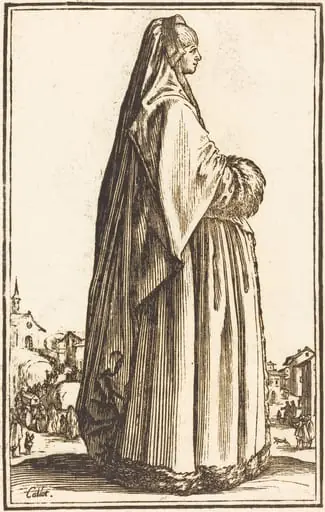 Noble Woman Wearing a Veil and a Dress Trimmed in Fur
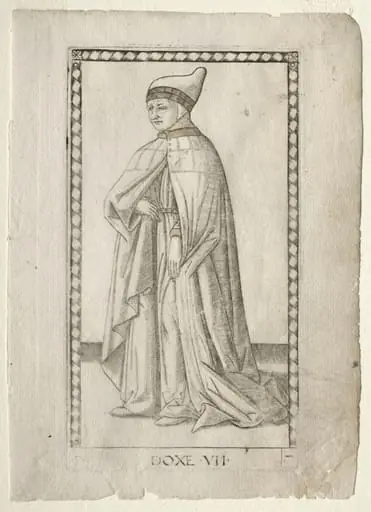 The Doge (from the Tarocchi, series E: Conditions of Man, #7)
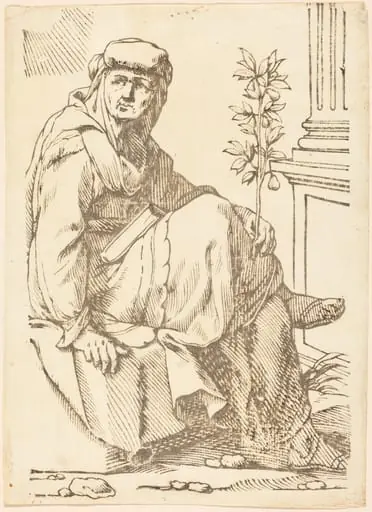 Sibylla Hellespontina
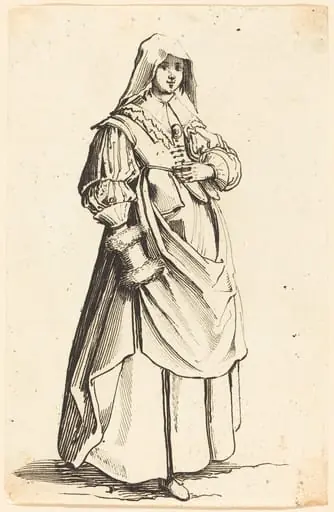 Bourgeoise with Muff, Facing Right
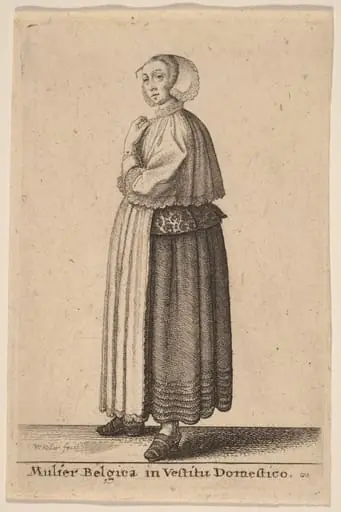 Mulier Belgica in Vestitu Domestico
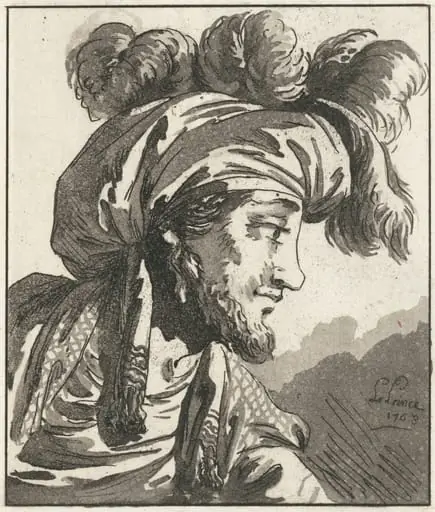 Head of a Turbaned Man without a Moustache
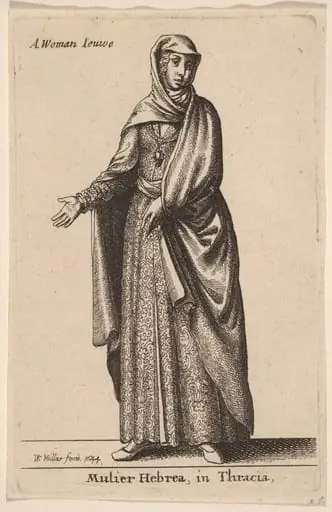 Mulier Hebrea in Tracia
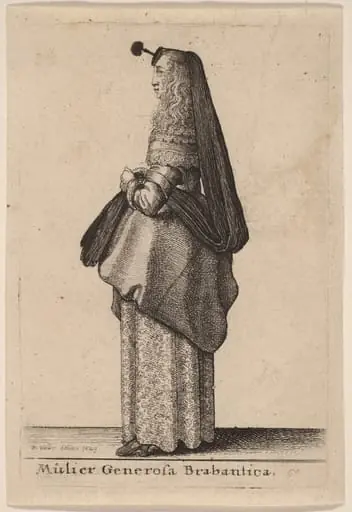 Mulier Generosa Brabantica
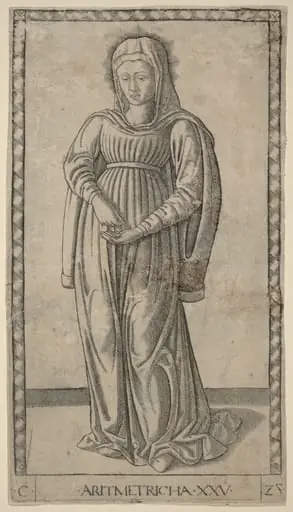 Aritmetricha (Arithmetic)
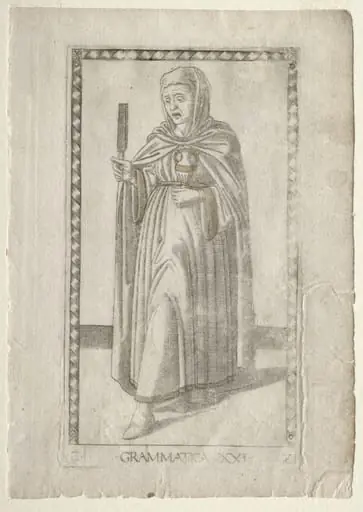 Grammar (from the Tarocchi, series C: Liberal Arts, #21)
 Head of a Drooping Old Woman