Artwork
Ceres
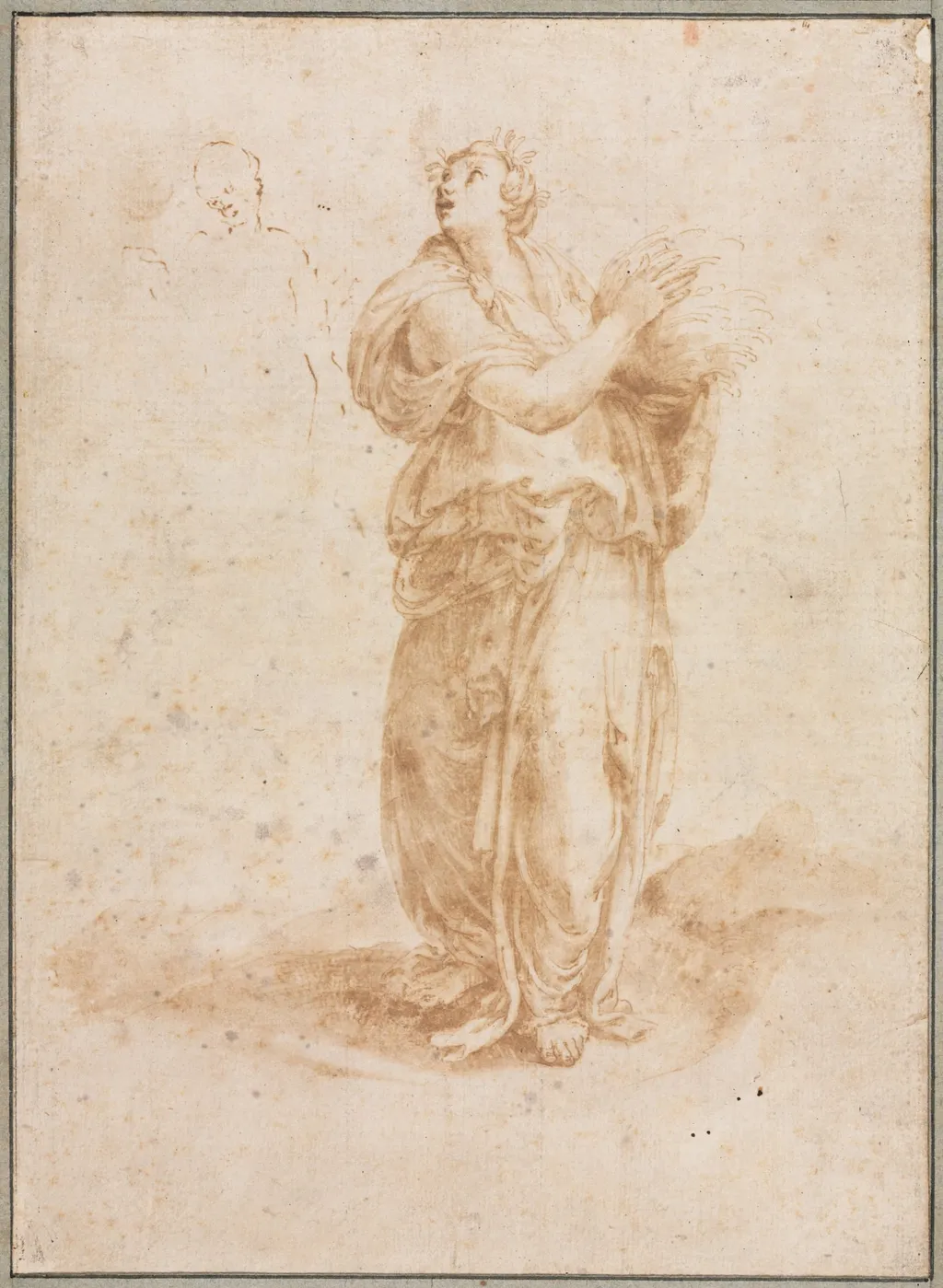
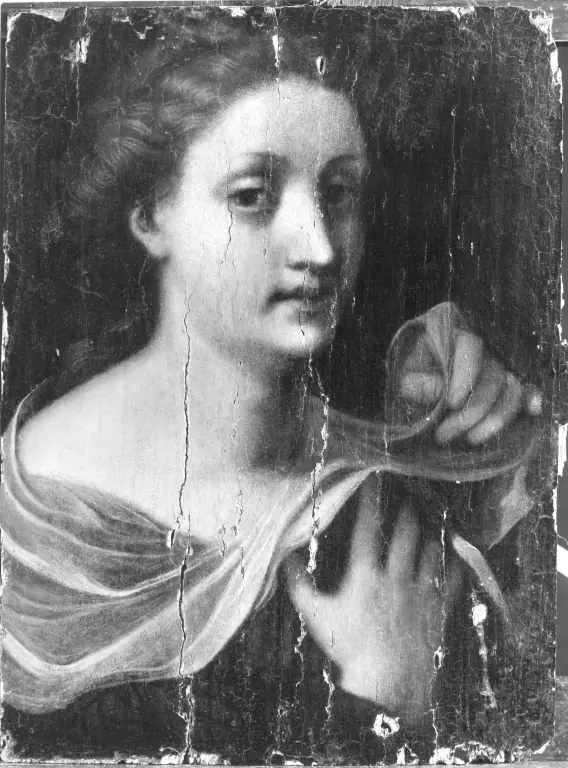
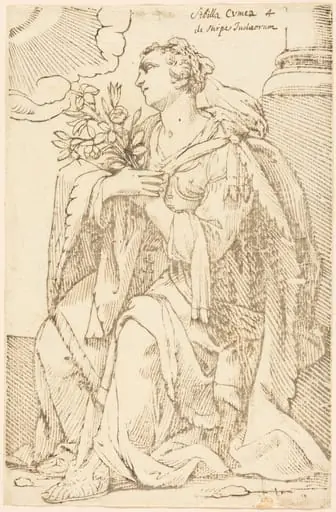
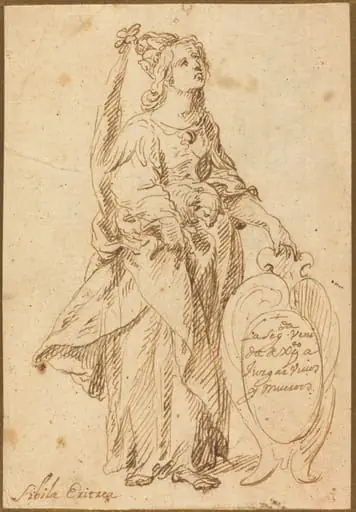
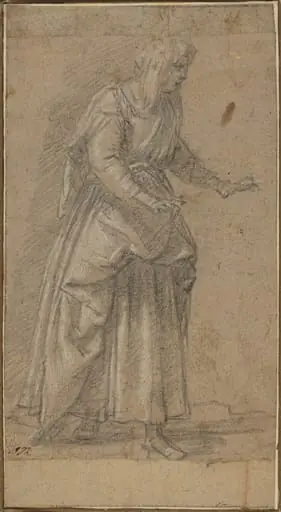
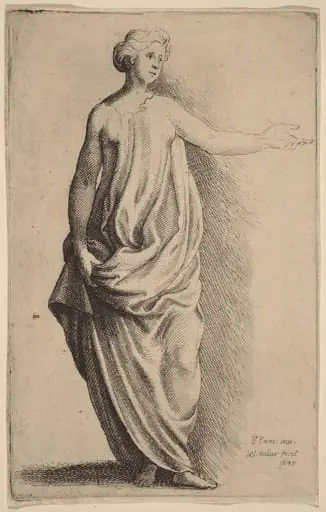
Ceres is a drawing by the Renaissance artist Lelio Orsi. It dates from 1550 and is held in the collection of the Cleveland Museum of Art.
About this work
Overview
Executed in a refined linear style, it reflects Orsi’s training under Giovanni Giarola and his engagement with the artistic currents of central Italy.
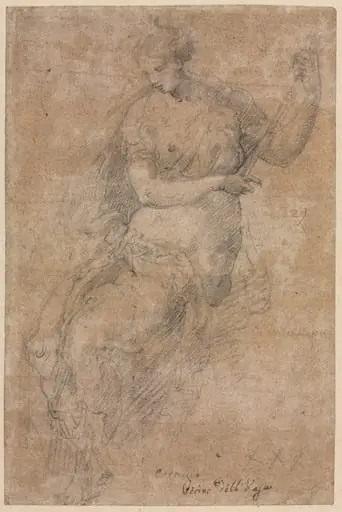
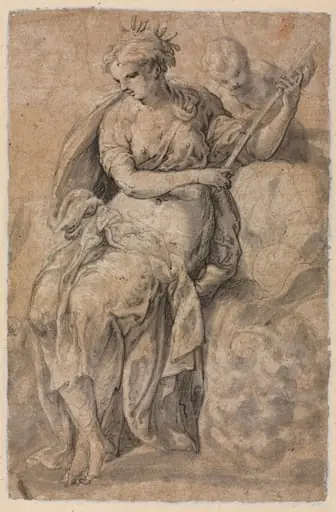
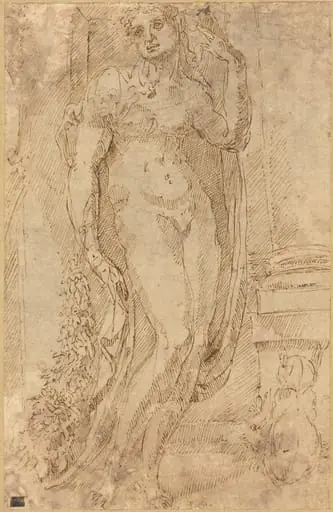
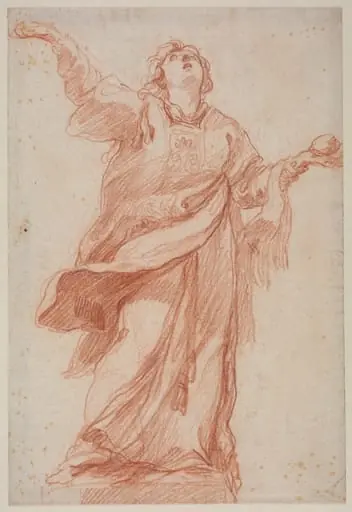
Created around 1550 by Lelio Orsi, a Mannerist artist from Reggio Emilia, this drawing depicts a solitary female figure in a flowing robe. Executed in a refined linear style, it reflects Orsi’s training under Giovanni Giarola and his engagement with the artistic currents of central Italy. The work is part of the Cleveland Museum of Art’s collection and exemplifies the intellectual and mythological themes favored by Emilian draftsmen of the mid-16th century.
Subject & Meaning
The figure is interpreted as Ceres, the Roman goddess of agriculture and grain, identified by the laurel wreath and outstretched arms, gestures often linked to abundance and divine invocation. The absence of context or accompanying symbols invites focus on her solemn, upward gaze, suggesting a moment of supplication or reception of celestial favor. The ambiguity of the object in her hands preserves an open-ended, contemplative tone consistent with Mannerist allegory.
Technique & Style
Orsi employs precise pen and ink lines to model the drapery with sharp contrasts of light and shadow, creating a sculptural volume that recalls Michelangelo’s figures and Correggio’s soft modeling. The intricate folds of the robe are rendered with rhythmic precision, while the plain background isolates the figure, heightening its emotional gravity. The restrained palette and linear clarity reflect a draftsmanship rooted in Emilian tradition yet informed by Roman classicism.
History & Provenance
The drawing entered the Cleveland Museum of Art’s collection through documented acquisitions in the 20th century, though its earlier ownership remains unrecorded. It was likely produced during Orsi’s mature period in Reggio Emilia, where he was active as both painter and architect. No contemporary records confirm its original purpose, but its quality suggests it was intended as a finished work rather than a preparatory sketch.
Context
In mid-16th-century northern Italy, mythological subjects were frequently explored in drawings as vehicles for intellectual expression. Orsi’s engagement with Correggio, Giulio Romano, and Daniele da Volterra situates him within a network of artists reinterpreting classical themes through heightened emotion and complex form. This drawing aligns with a broader trend of humanist-inspired imagery favored by courts and scholarly patrons seeking refined allegory.
Legacy
Though not widely exhibited, the drawing remains a significant example of Emilian Mannerist draftsmanship. It illustrates how regional artists synthesized influences from Rome and Florence to develop a personal idiom centered on expressive gesture and anatomical grace. Its preservation in a major American collection ensures continued scholarly attention to the subtleties of 16th-century Italian drawing practices.
Artist & collection
Artist
Lelio Orsi (1508/1511 – 1587), also known as Lelio da Novellara, was a Mannerist painter and architect of the Reggio Emilia school in northern Italy.