Artwork
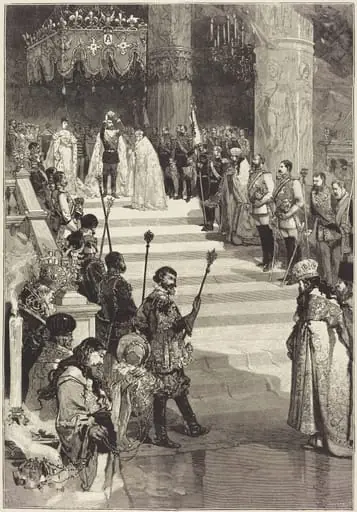
Baptême royal à la Cour d'Espagne
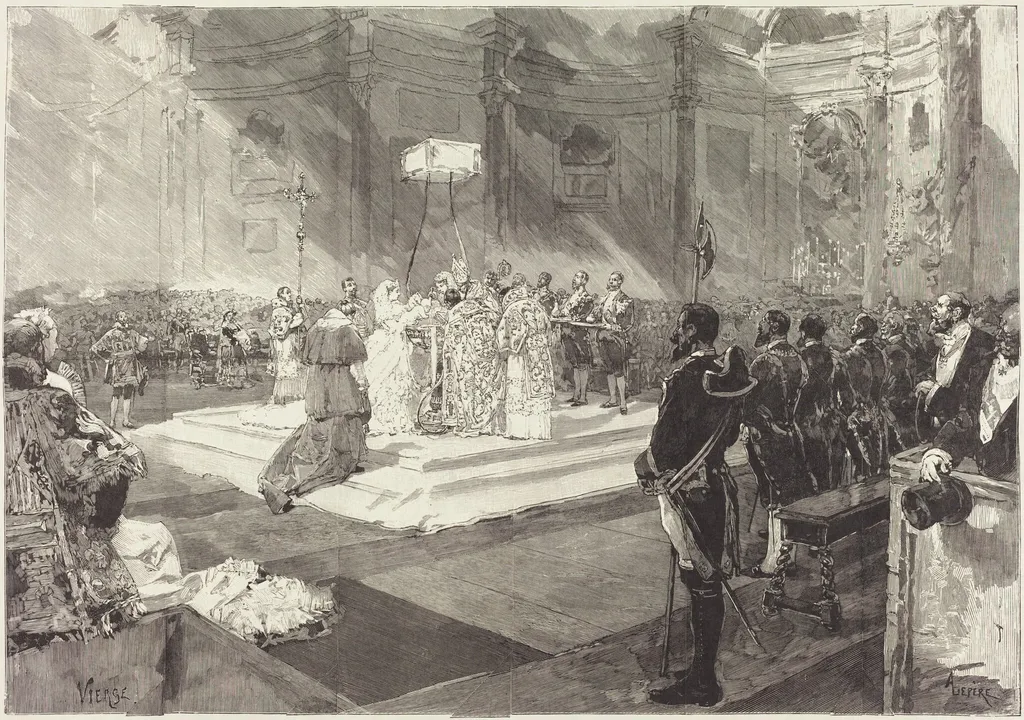
Baptême royal à la Cour d'Espagne is an ink print by the Impressionist artist Auguste Lepère. It dates from 1882 and is held in the collection of the National Gallery of Art.
About this work
Overview
Created in 1882, *Baptême royal à la Cour d’Espagne* is a wood engraving by French artist Auguste Lepère. The print captures a formal baptism taking place within the Spanish royal court, presenting a densely populated scene that combines religious ritual with the ceremonial presence of aristocracy and military personnel.
Subject & Meaning
The composition centers on a priest in liturgical vestments administering the sacrament to an infant swaddled in white. Flanking the rite are courtiers in elaborate attire and armed soldiers, underscoring the intertwining of sacred duty and state authority. The work reflects the pageantry of royal ceremonies and the social hierarchy of the period.
Technique & Style
Lepère employs the precise line work characteristic of late‑19th‑century wood engraving, using fine hatching and cross‑hatching to model light, shadow, and texture. The crisp contours delineate individual figures while the dense background conveys movement and crowd density, achieving a realistic yet controlled visual narrative typical of the medium’s revival.
History & Provenance
As a leading proponent of the wood‑engraving renaissance in Europe, Lepère produced this piece during a phase when the technique was being re‑valued as a fine‑art medium rather than merely a reproductive tool. The print entered private collections shortly after its creation and has since been documented in several museum inventories, illustrating its continued relevance to studies of 19th‑century printmaking.
Artist & collection
Artist
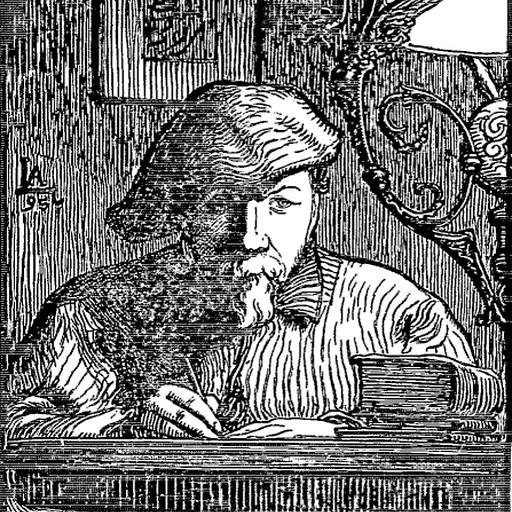
Louis-Auguste Lepère (30 November 1849 – 20 November 1918) was a French painter and etcher. Lepère is also considered a leader in the creative revival of wood engraving in Europe.


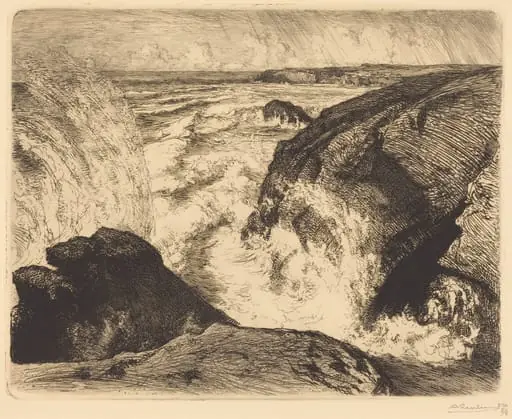
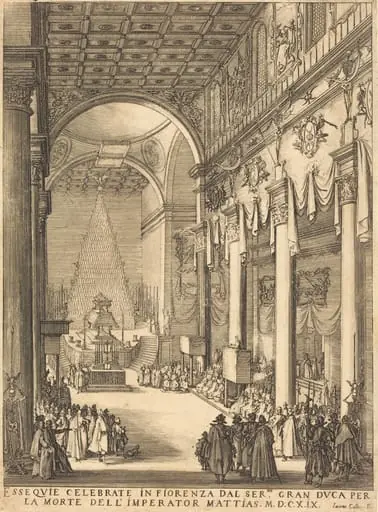 The Catafalque of the Emperor Mathias
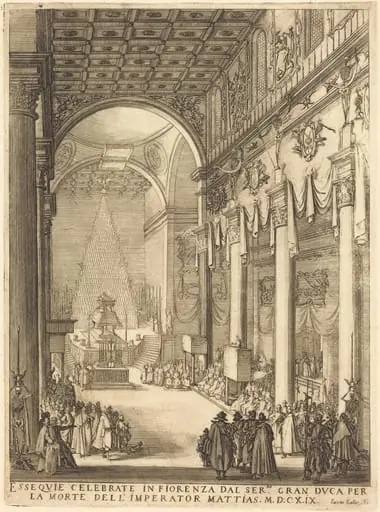 The Catafalque of the Emperor Mathias
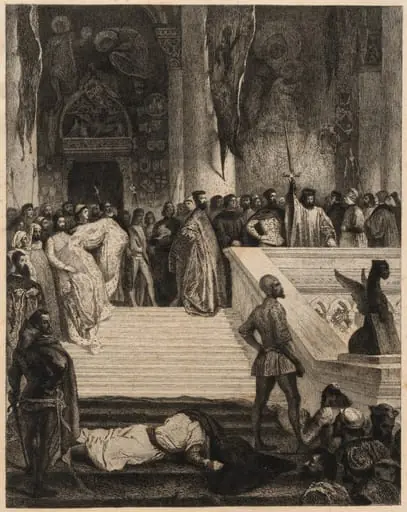 The Death of Doge Marino Faliero
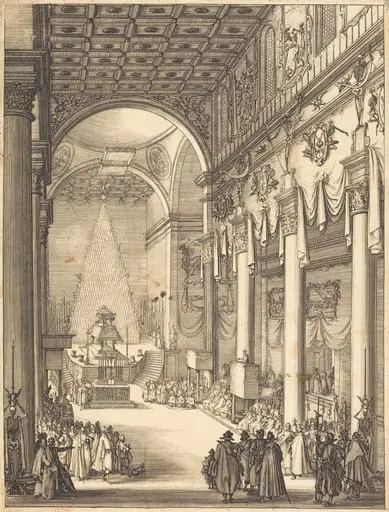 The Catafalque of the Emperor Mathias
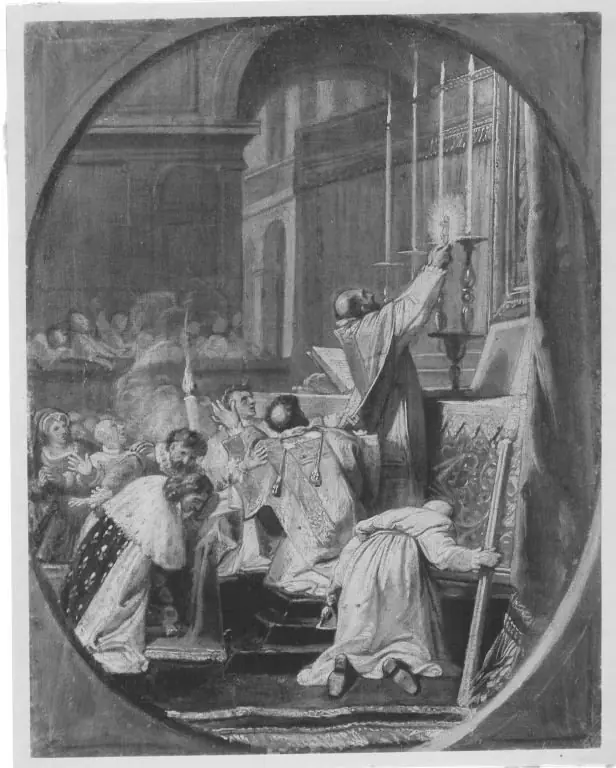 Ludwig IX. der Heilige
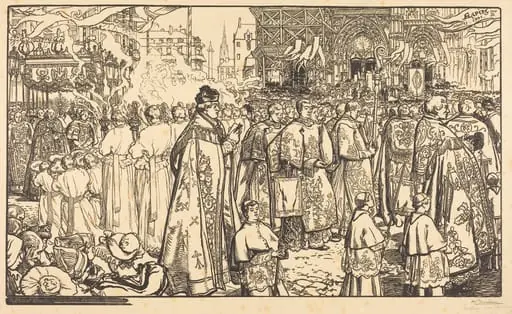 Corpus Christi Procession at Nantes (Procession de la Fete Dieu a Nantes)
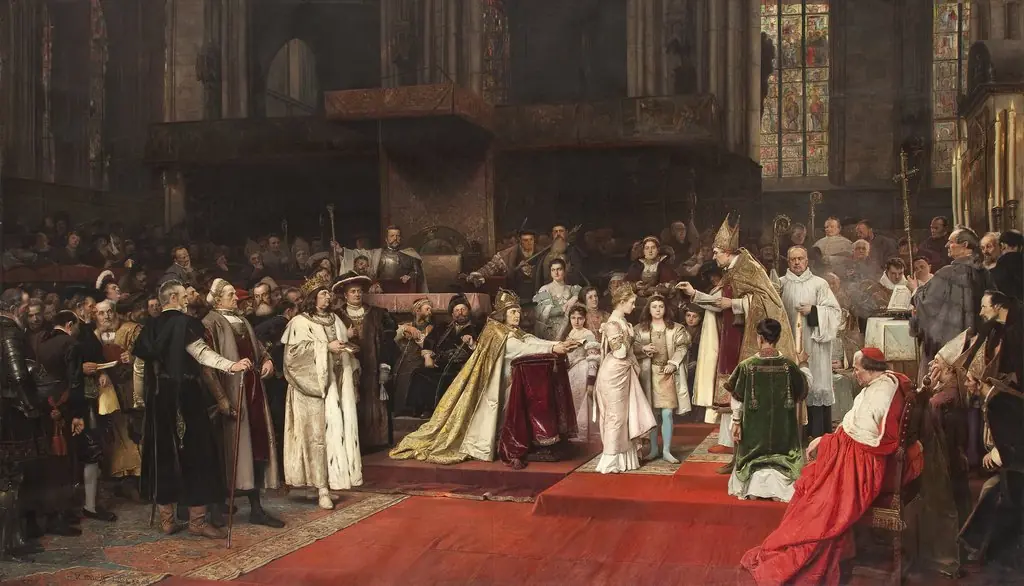 Tu felix Austria nube
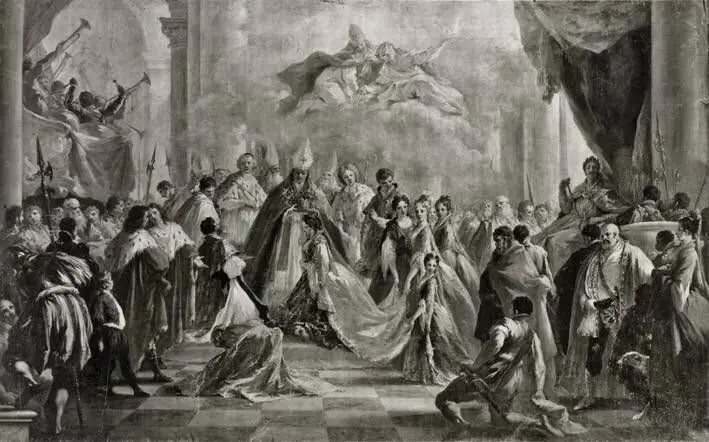 Krönung der Eleonora Magdalena von Pfalz-Neuburg zur Kaiserin
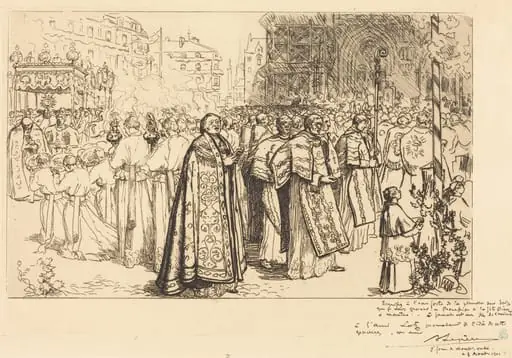 Return of the Procession to Nante Cathedral (Rentree de la Procession a la Cathedral de Nantes)
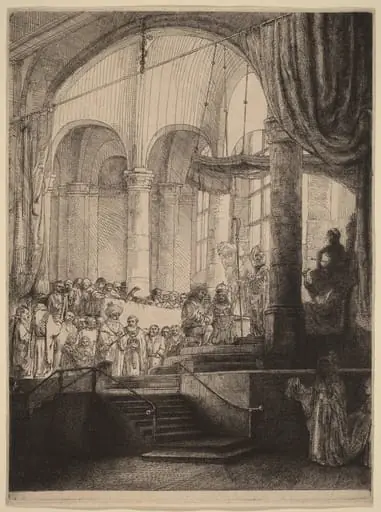 Medea, or the Marriage of Jason and Creusa
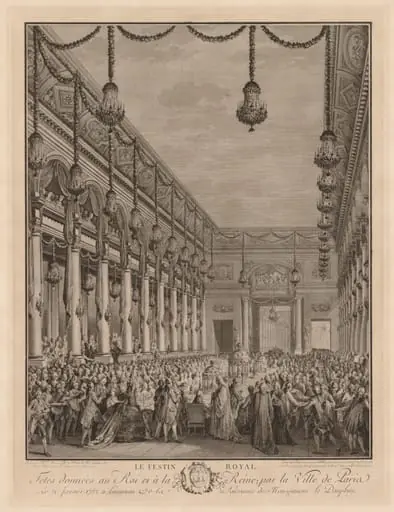 The Royal Banquet
 Le Couronnement de l'Empereur Alexandre III de Russie (27 Mai)