Artwork
Jeunesse passe vite vertu!...
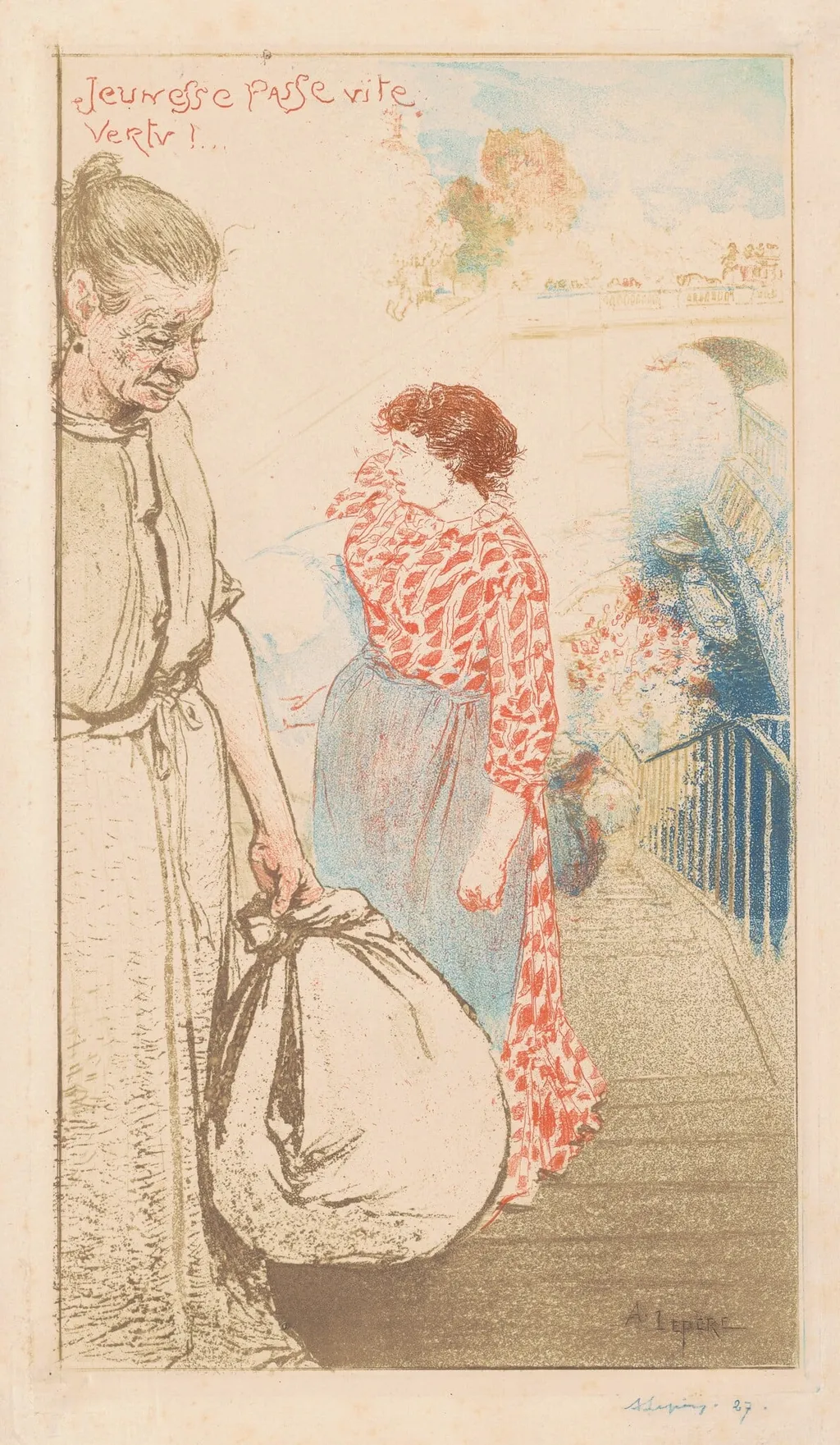
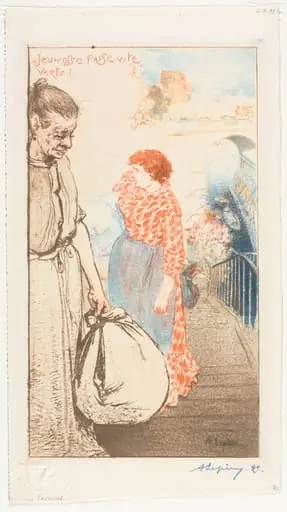
Jeunesse passe vite vertu!... is an ink print by Auguste Lepère. It dates from 1893 and is held in the collection of the National Gallery of Art.
About this work
Overview
Created around 1893 by French artist Auguste Lepère, this color etching and aquatint captures a quiet outdoor scene with three figures.
Created around 1893 by French artist Auguste Lepère, this color etching and aquatint captures a quiet outdoor scene with three figures. Lepère, known for revitalizing wood engraving, here explored the tonal possibilities of intaglio techniques. The work reflects his interest in blending traditional print methods with the immediacy of sketch-like composition, characteristic of late 19th-century French printmakers seeking new expressive forms.
Subject & Meaning
The scene depicts two women and a man walking along a path, one woman in a red dress accompanied by a man, another ahead. The title, 'Jeunesse passe vite vertu!', translates to 'Youth passes quickly, virtue!', suggesting a moral reflection on transience. The figures move without urgency, their forms softened by the medium, inviting contemplation rather than narrative. The phrase, likely proverbial, frames the image as a quiet meditation on time and moral endurance.
Technique & Style
Lepère employed color etching and aquatint to achieve subtle gradations of tone, avoiding sharp lines in favor of atmospheric washes. The background trees and bridge are rendered with faint, delicate lines, while the figures emerge through layered ink tones. The palette is muted, with the woman’s red dress as the only strong hue, drawing attention without dominance. The overall effect resembles a spontaneous sketch, emphasizing texture and light over detail.
History & Provenance
The print was produced during a period when French artists were redefining printmaking as an independent art form, not merely reproductive. Lepère was active in this movement, collaborating with publishers and exhibiting widely. While specific early ownership records are sparse, the work aligns with prints distributed through avant-garde circles in Paris, where etching revivalists sought to elevate the medium beyond commercial use.
Context
In the 1890s, French printmakers moved away from rigid academic traditions, embracing personal expression and technical experimentation. Lepère’s work fits within this shift, paralleling contemporaries like Whistler and Degas in valuing the sketch’s intimacy. The use of color in etching was still novel, and Lepère’s approach—layering tones to suggest mood rather than realism—reflected broader interests in Impressionist aesthetics and the ephemeral.
Legacy
Lepère’s prints, including this one, contributed to the recognition of etching as a legitimate fine art medium in Europe. His technical innovations in color aquatint influenced later generations of printmakers seeking to merge painterly effects with print processes. Though not widely known today, his work remains a quiet example of how late 19th-century artists transformed traditional techniques into vehicles for personal and philosophical expression.
Artist & collection
Artist
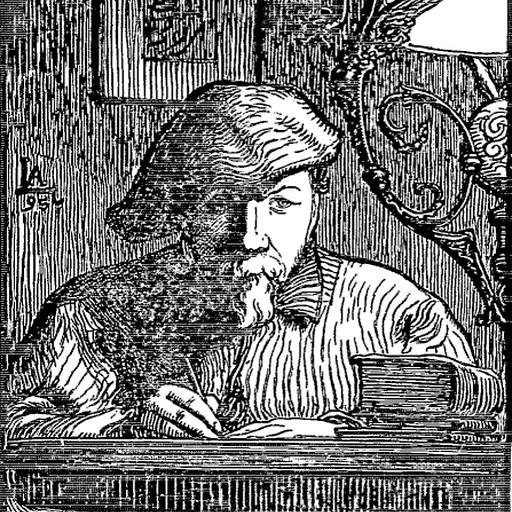
Louis-Auguste Lepère (30 November 1849 – 20 November 1918) was a French painter and etcher. Lepère is also considered a leader in the creative revival of wood engraving in Europe.

 Washerwomen (Les Laveuses)
 Washerwomen
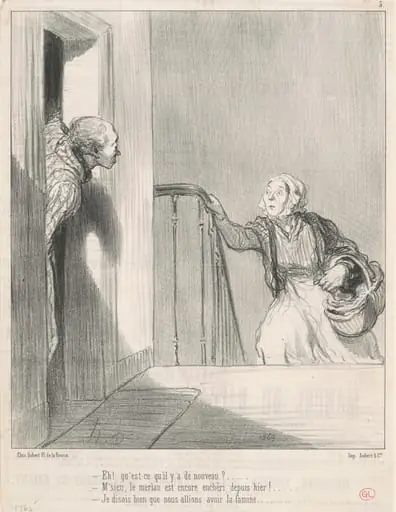 Eh! Qu'est-ce qu'il y a de nouveau? ...
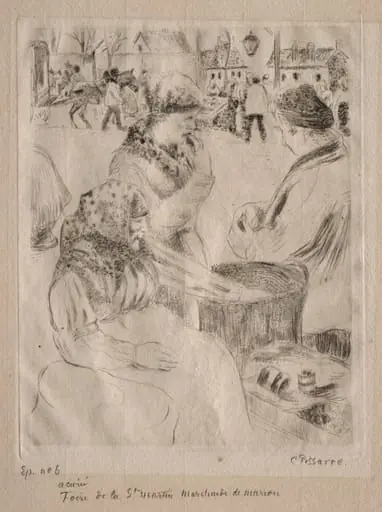 Chestnut Vendor, St. Martin's Day Fair (Pontoise)
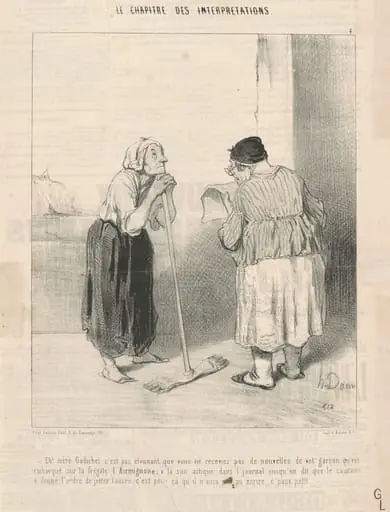 Eh! Mère Godichet c'est pas étonnant ...
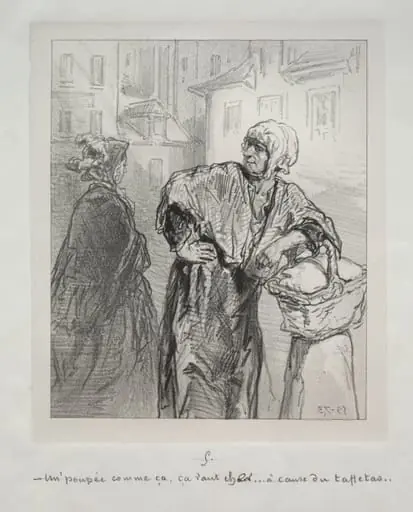 Les Petite Mordont
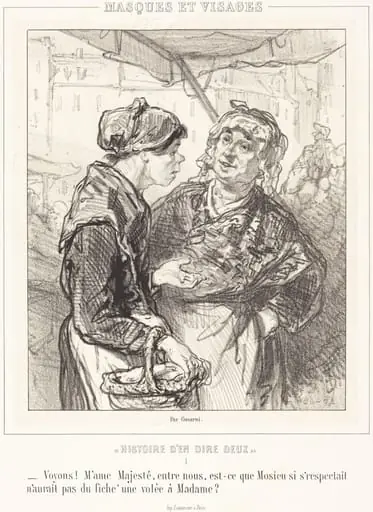 "Voyons! Mme Majeste..."
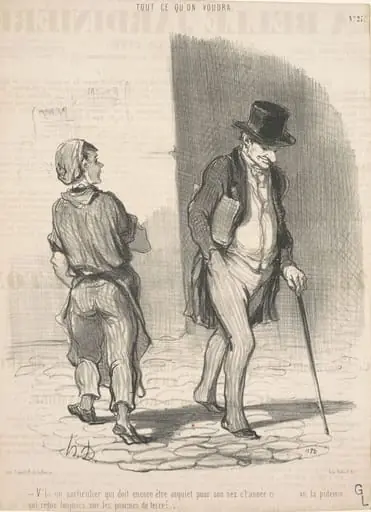 V'la un particulier qui doit ...être inquiet ...
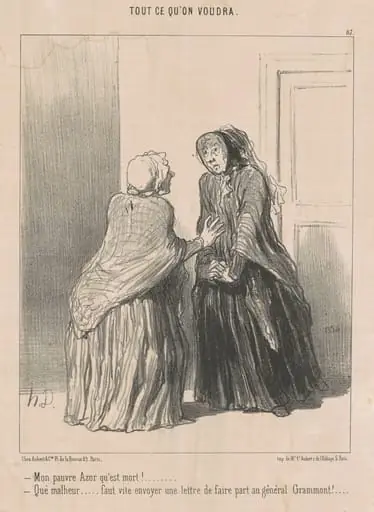 Mon pauvre azor qu'est mort! ...
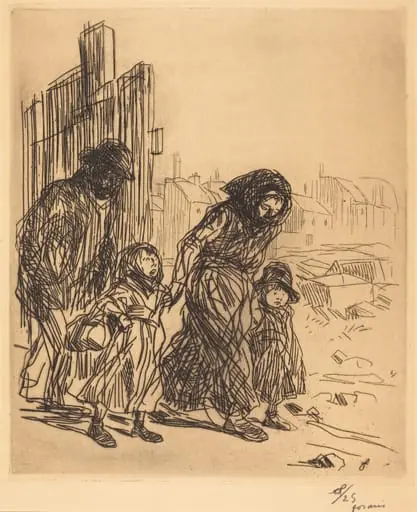 Après la saisie (After the Seizure)
 Street Corner
 Jewish Quarters in Amsterdam