Artwork
Le Couronnement de l'Empereur Alexandre III de Russie (27 Mai)
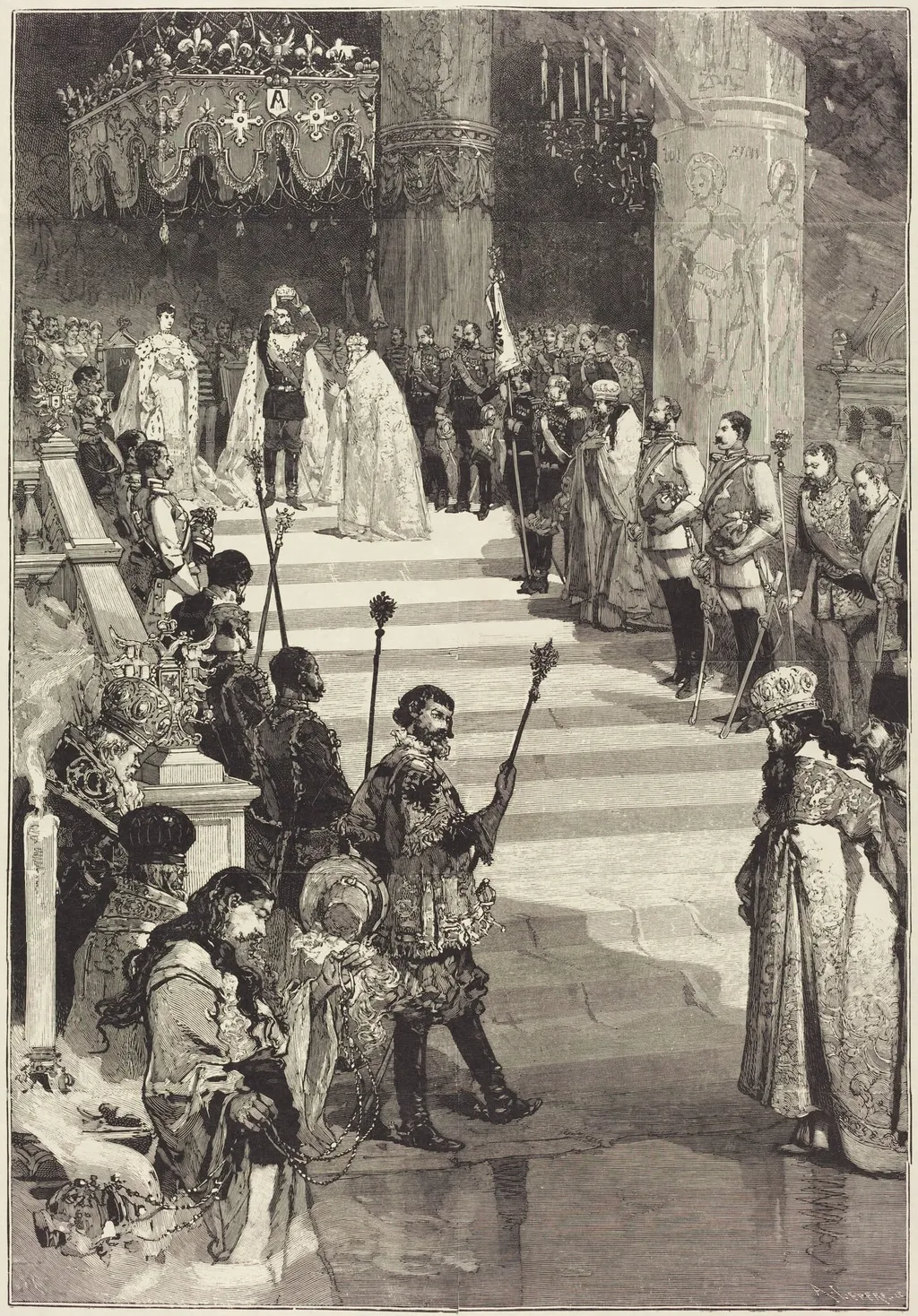
Le Couronnement de l'Empereur Alexandre III de Russie (27 Mai) is an ink print by the Impressionist artist Auguste Lepère. It dates from 1883 and is held in the collection of the National Gallery of Art.
About this work
Overview
Lepère, known for his role in revitalizing wood engraving as a fine art medium in Europe, employed meticulous hand-carved lines to render the ceremonial scene.
Created in 1883 by French artist Louis-Auguste Lepère, this wood engraving captures the coronation of Emperor Alexander III of Russia on May 27 of that year. Lepère, known for his role in revitalizing wood engraving as a fine art medium in Europe, employed meticulous hand-carved lines to render the ceremonial scene. The work stands as a detailed record of imperial ritual, rendered in monochrome with precision characteristic of the technique.
Subject & Meaning
The scene centers on Emperor Alexander III, standing on a raised dais in ceremonial attire, holding the scepter as the focal point of the coronation. Surrounding him are courtiers, clergy, and guards dressed in formal regalia, their postures conveying reverence. The composition emphasizes hierarchy and solemnity, reflecting the ritual’s function as a public affirmation of autocratic authority within the Russian imperial tradition.
Technique & Style
Lepère used fine, controlled incisions in a hardwood block to achieve intricate tonal gradations and textures. The detailed rendering of brocade fabrics, architectural ornamentation, and armor relies on dense cross-hatching and delicate line work. The absence of color heightens the graphic clarity, allowing the engraving’s structural precision to convey both grandeur and intimacy within the vast ceremonial space.
History & Provenance
The print was produced shortly after the coronation, likely for distribution among European art circles and diplomatic audiences. As a work by Lepère, it entered collections associated with the revival of wood engraving in France and beyond. Its survival in institutional holdings suggests it was valued for its technical achievement and historical documentation rather than as a political statement.
Context
In 1883, European printmakers were re-examining traditional wood engraving as a serious artistic medium, moving beyond illustration into fine art. Lepère’s work aligned with this movement, blending documentary precision with aesthetic refinement. The coronation itself was a moment of imperial pageantry during a period of conservative consolidation in Russia, making the image a visual echo of broader political currents.
Legacy
Lepère’s engraving contributed to the recognition of wood engraving as a legitimate form of artistic expression in late 19th-century Europe. While not widely reproduced, the work remains a reference for scholars studying the intersection of printmaking, imperial ritual, and 19th-century visual culture. Its technical discipline continues to inform contemporary practitioners of the medium.
Artist & collection
Artist
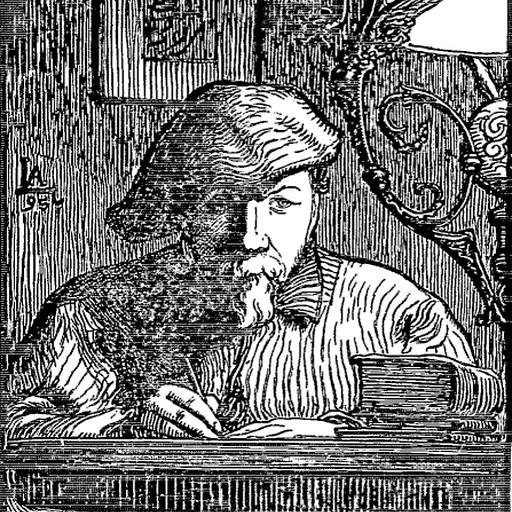
Louis-Auguste Lepère (30 November 1849 – 20 November 1918) was a French painter and etcher. Lepère is also considered a leader in the creative revival of wood engraving in Europe.

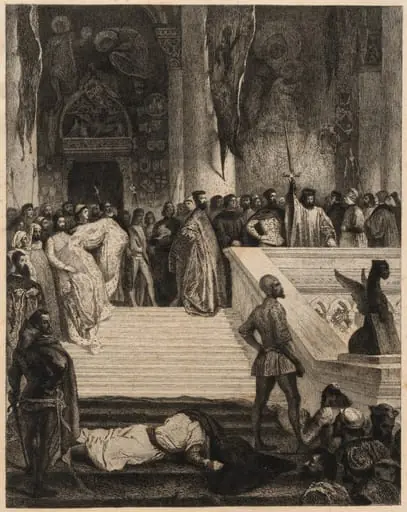 The Death of Doge Marino Faliero
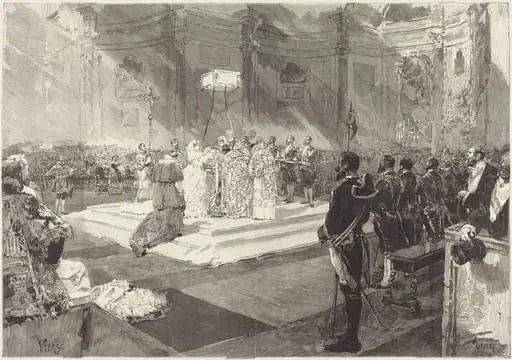 Baptême royal à la Cour d'Espagne
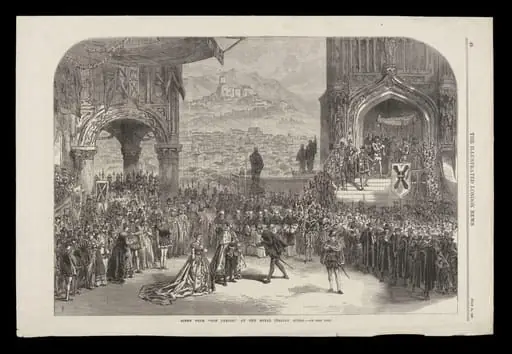 H Beard Print Collection
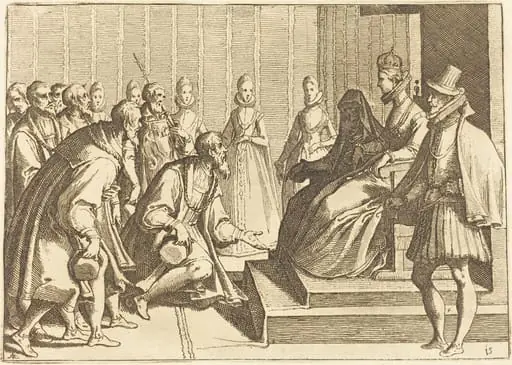 Margaret of Austria Giving Audience to a Nobleman
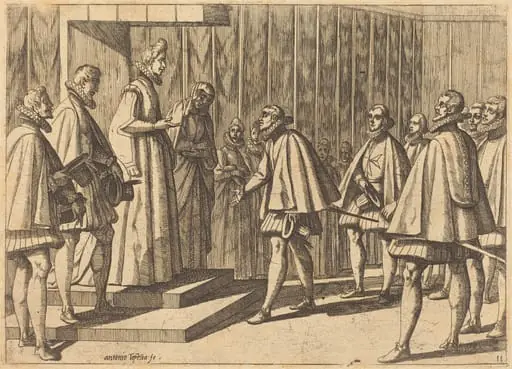 Italian Prince before Margaret of Austria
![Margaret of Austria Giving Audience to a Nobleman [verso], by Raffaello Schiaminossi](https://artifactworldgallery.com/img/raffaello-schiaminossi--margaret-of-austria-giving-audience-to-a-nobleman-verso--86ac2347af277f00-w320.webp) Margaret of Austria Giving Audience to a Nobleman [verso]
Margaret of Austria Giving Audience to a Nobleman [verso]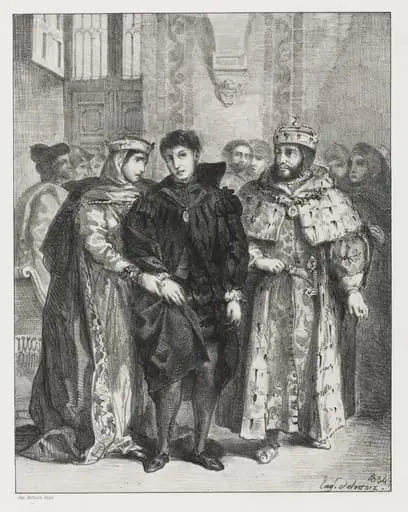 Hamlet: The Queen Endeavors to Console Hamlet
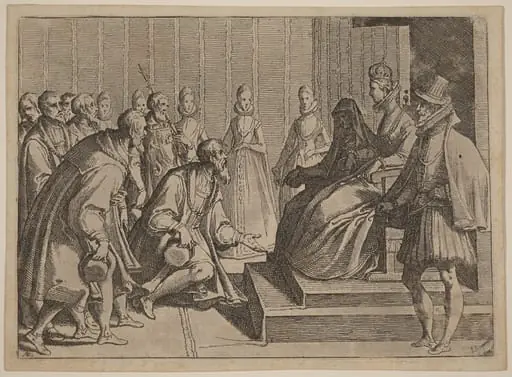 Margaret of Austria Giving Audience to a Nobleman
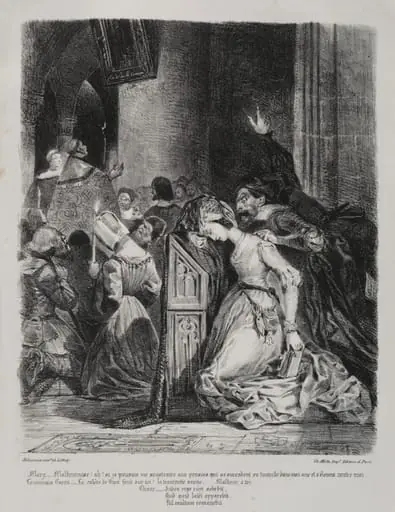 Illustrations for Faust: Marguerite at church
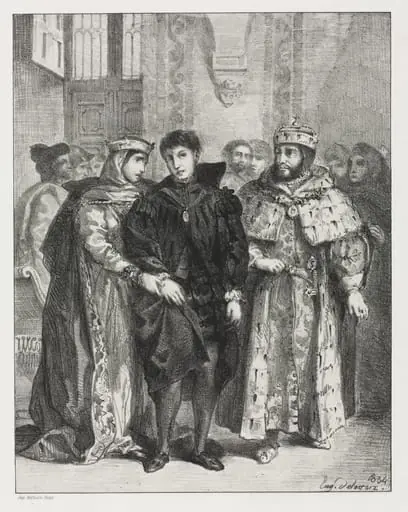 Hamlet
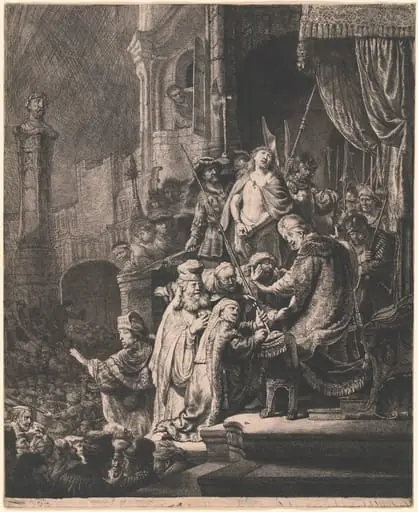 Christ before Pilate: Large Plate
 John II receives the submission of Charles II of Navarre