Artwork
Les Honneurs militaires rendus à la Depouille mortelle de L'Amiral Courbet
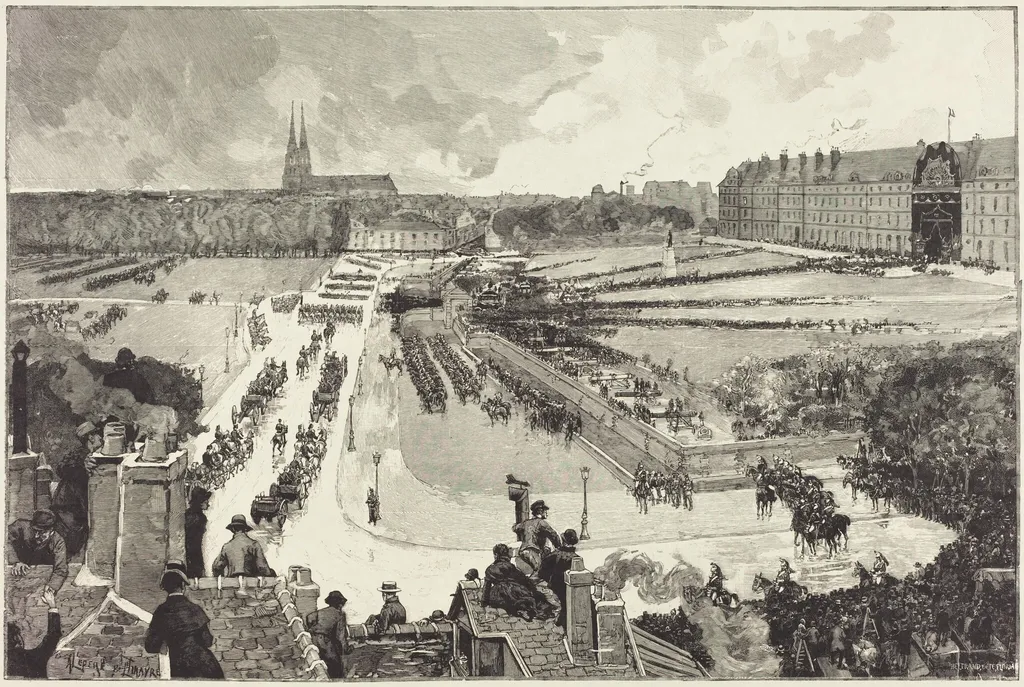
Les Honneurs militaires rendus à la Depouille mortelle de L'Amiral Courbet is an ink print by the Impressionist artist Auguste Lepère. It dates from 1885 and is held in the collection of the National Gallery of Art.
About this work
Overview
Lepère, instrumental in reviving wood engraving as a fine art medium in Europe, employed meticulous hand-carved lines to render a large-scale public ceremony.
Created in 1885 by French artist Louis-Auguste Lepère, this wood engraving commemorates the state funeral of Admiral Amédée Courbet. Lepère, instrumental in reviving wood engraving as a fine art medium in Europe, employed meticulous hand-carved lines to render a large-scale public ceremony. The work captures a moment of national mourning with precision and restraint, reflecting the technical revival of the medium during the late 19th century.
Subject & Meaning
The scene portrays the military procession carrying the coffin of Admiral Courbet through a crowded urban square. Soldiers march in disciplined formation, mounted officers lead the cortege, and civilians fill every available vantage point—rooftops, windows, and streets. The image conveys collective reverence, framing the admiral’s death as a moment of unified national solemnity rather than personal loss.
Technique & Style
Lepère used fine, controlled incisions in wood to achieve remarkable detail across a broad composition. The engraving’s dense patterning captures textures of fabric, stone, and skin, while subtle tonal gradations suggest depth and movement. Despite the crowded scene, spatial organization remains clear, with the central wagon acting as a visual anchor amid the surrounding activity.
History & Provenance
The print was produced shortly after Courbet’s death in 1885, during a period of heightened national sentiment in France. It was likely commissioned or widely distributed as a commemorative piece, aligning with public interest in honoring military figures. Lepère’s reputation as a printmaker ensured its circulation among collectors and institutions, preserving its place in French graphic art of the era.
Context
In the 1880s, France was consolidating its imperial identity, and naval heroes like Courbet were celebrated as symbols of national strength. Wood engraving, once a commercial medium, was being elevated by artists like Lepère into a vehicle for historical and civic narrative. This print reflects broader cultural trends favoring detailed, public-facing imagery that reinforced collective memory.
Legacy
Lepère’s work contributed to the reestablishment of wood engraving as a respected artistic form in Europe. While not widely exhibited today, the print remains a significant example of how technical precision could serve public commemoration. It stands as a testament to the role of printmaking in shaping historical consciousness during a period of rapid social and technological change.
Artist & collection
Artist
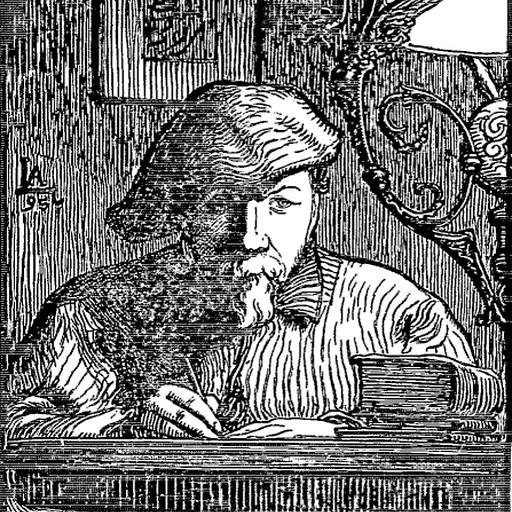
Louis-Auguste Lepère (30 November 1849 – 20 November 1918) was a French painter and etcher. Lepère is also considered a leader in the creative revival of wood engraving in Europe.

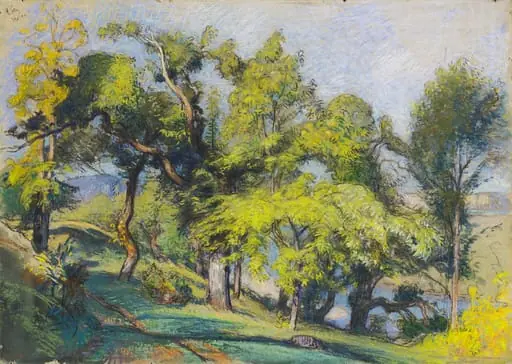
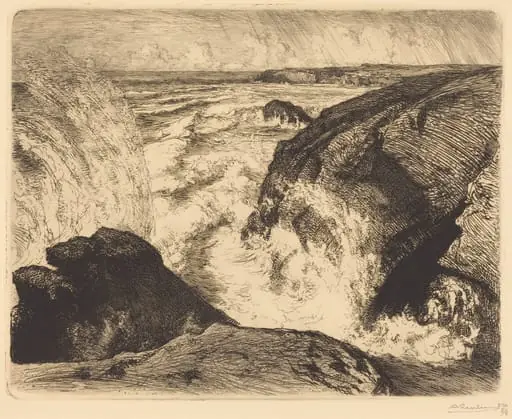
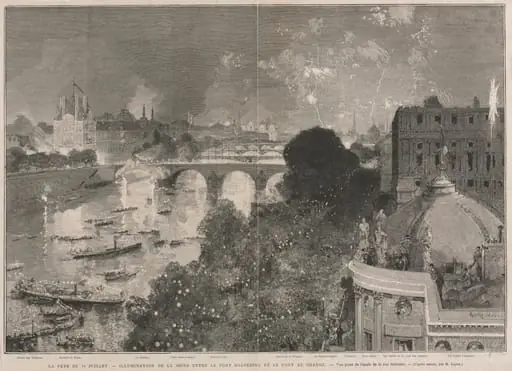 The Festival of 14 July, Illumination of the Place of the Republic (after H. Scott)
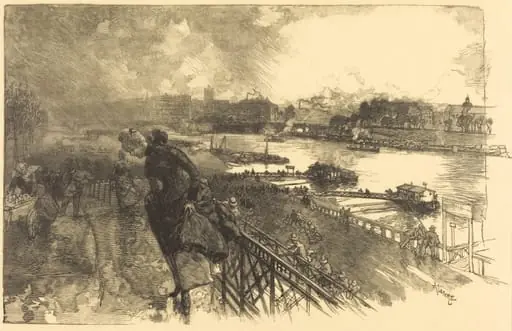 The Seine near the Austerlitz Bridge
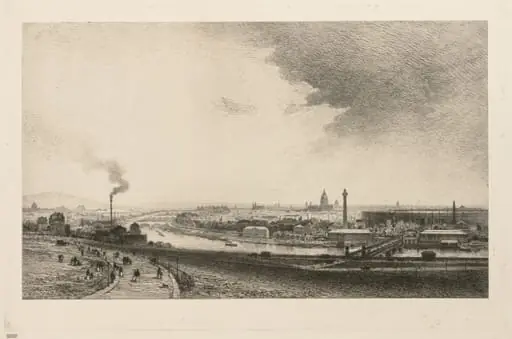 On the Seine
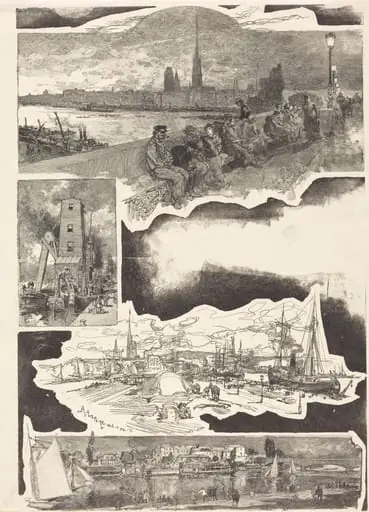
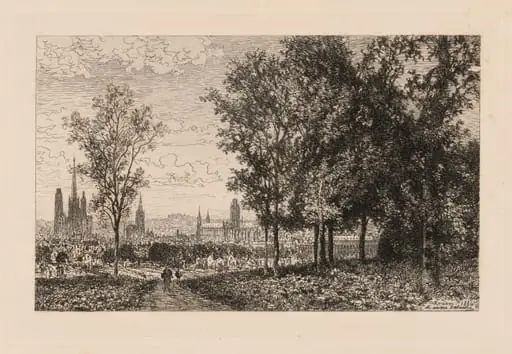 Rouen
Rouen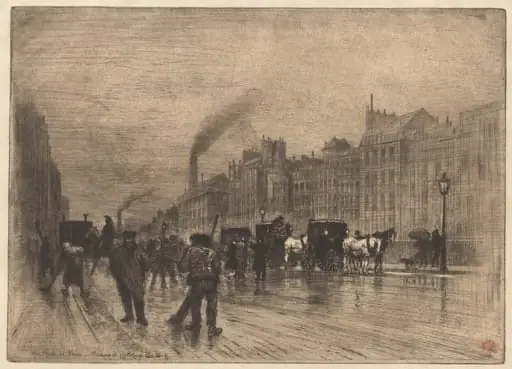 Matinée d'Hiver sur les Quais (Winter Morning on the Quays)
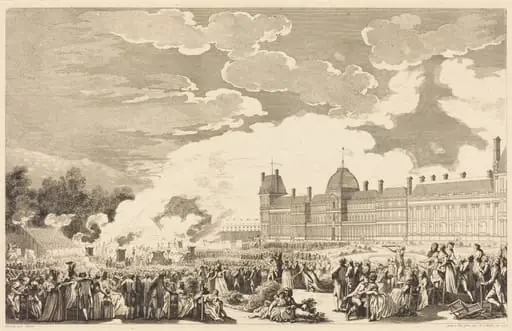 Pompe funèbre en l'honneur des Martyrs de la journée du 10, dans le Jardin National le 26 Aout 1792
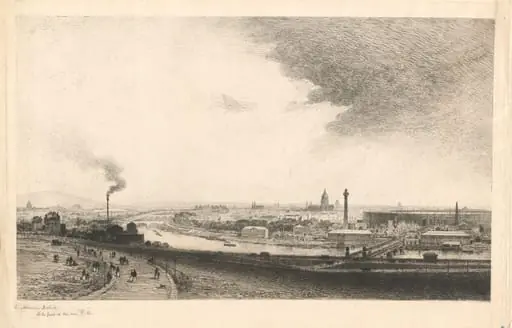 Paris in 1867: View from the Trocadéro
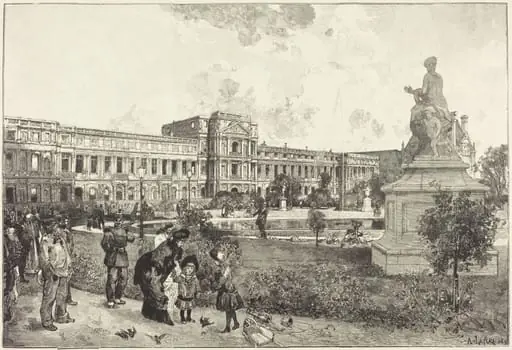 Les ruins du Palais des Tuilleries avant leur démolition
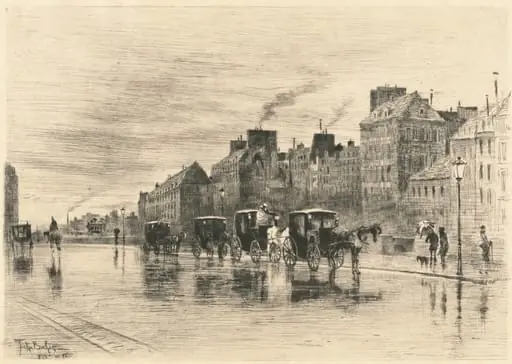 Une Matinée d'Hiver au Quai de l'Hôtel-Dieu (Winter Morning on the Quai de l'Hôtel-Dieu)
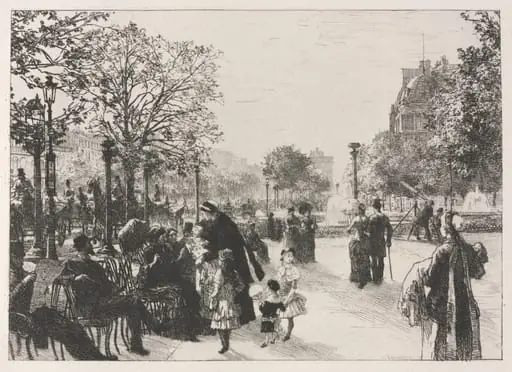 Tuileries Gardens
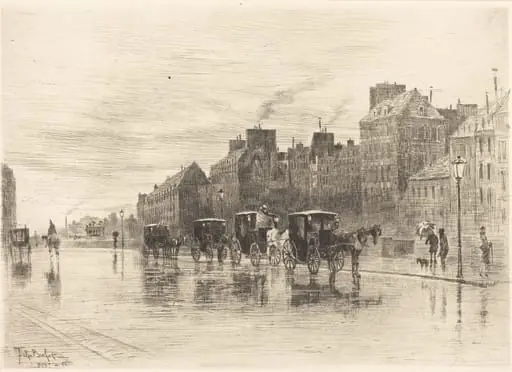 Une Matinée d'Hiver au Quai de l'Hôtel-Dieu (Winter Morning on the Quai de l'Hôtel-Dieu)
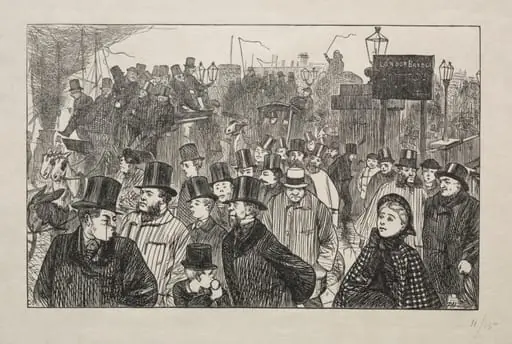 The Living Stream at London Bridge - On the Bridge