Artwork
Anne, duc de Joyeuse
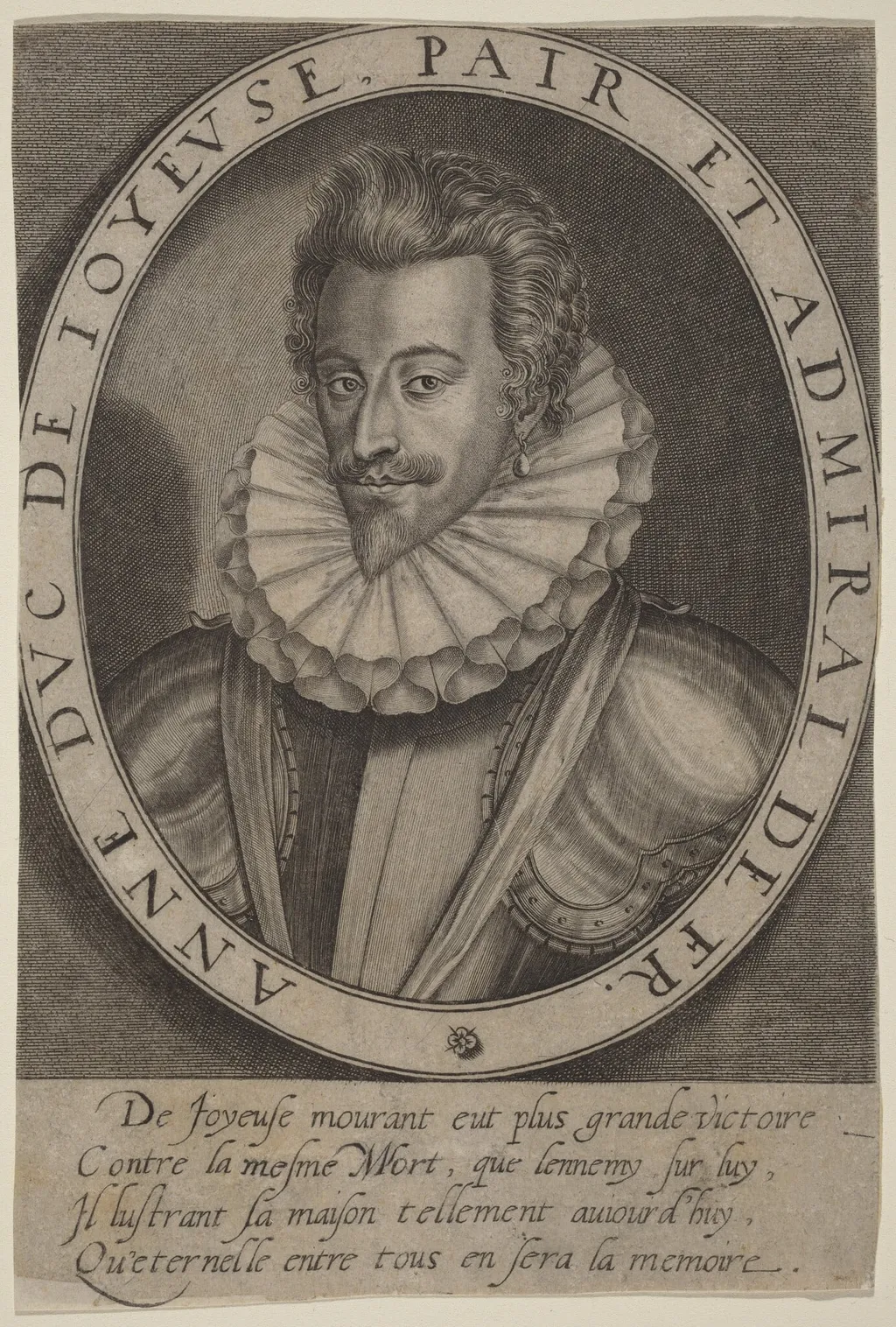
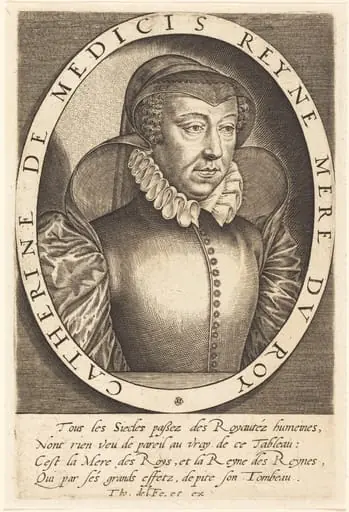
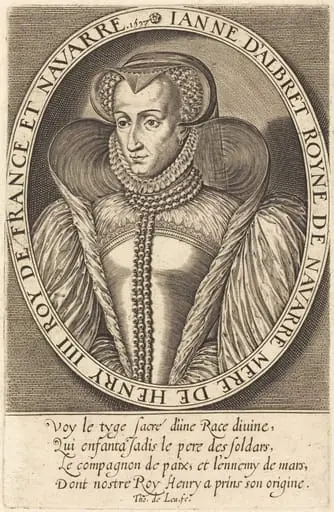
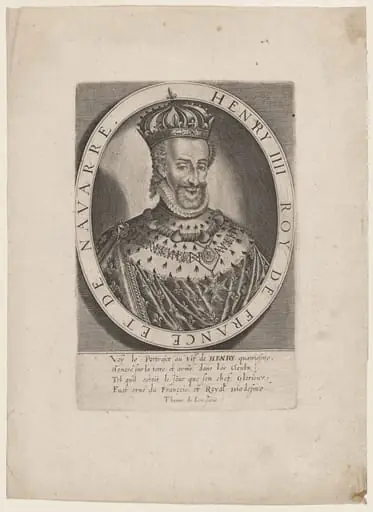
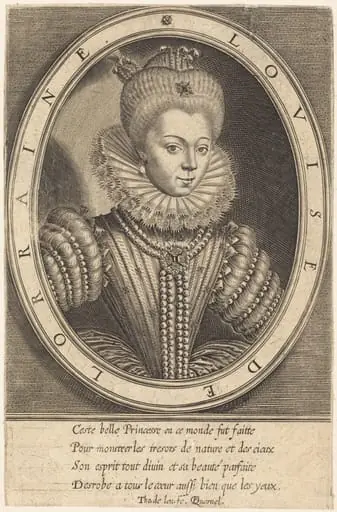
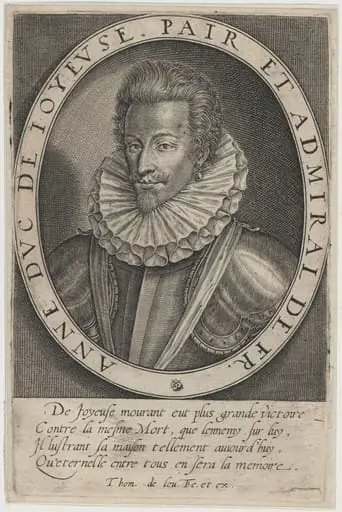
Anne, duc de Joyeuse is an ink print by the Renaissance artist Thomas de Leu. It dates from 1590 and is held in the collection of the National Gallery of Art.
About this work
Overview
Anne, duc de Joyeuse is a print portrait created by Thomas de Leu in 1590. The work is an engraving on laid paper, a common medium for prints during the late 16th century.
Subject & Meaning
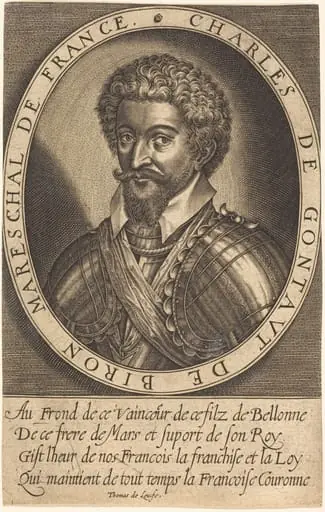
The portrait depicts Anne de Joyeuse, a French nobleman who was a favorite of King Henry III. The image presents him in a formal, dignified manner, with symbols of his status, such as armor or a helmet, and is accompanied by a poetic tribute.
Technique & Style
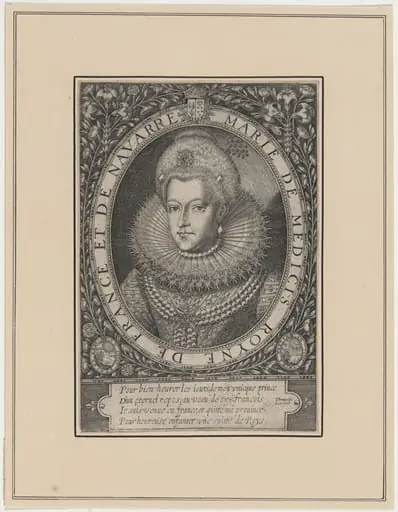
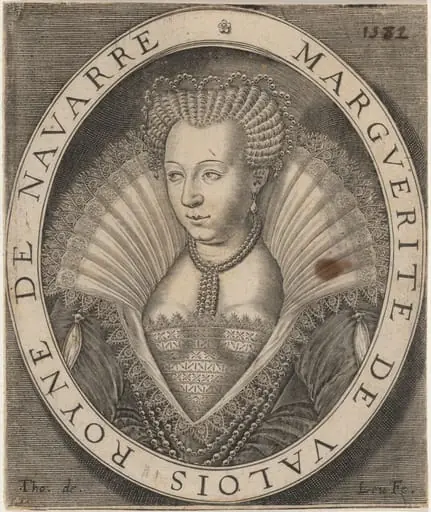
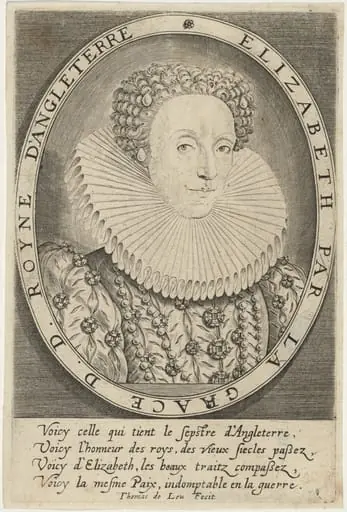
The engraving features fine lines and cross-hatching, which create detailed shadows and textures, particularly on the subject's face and clothing. The use of these techniques demonstrates de Leu's skill as an engraver and contributes to the overall formal tone of the portrait.
History & Provenance
Thomas de Leu, a Flemish-born French engraver and print dealer, was active in France during the late 16th and early 17th centuries. He worked as both an engraver and publisher, playing a role in the development of the print trade during this period.
Artist & collection
Artist
Thomas de Leu or Leeuw or Le Leup or Deleu (1560–1612) was a French engraver, publisher, and print dealer of Flemish origin.