Artwork
Bon de Broé
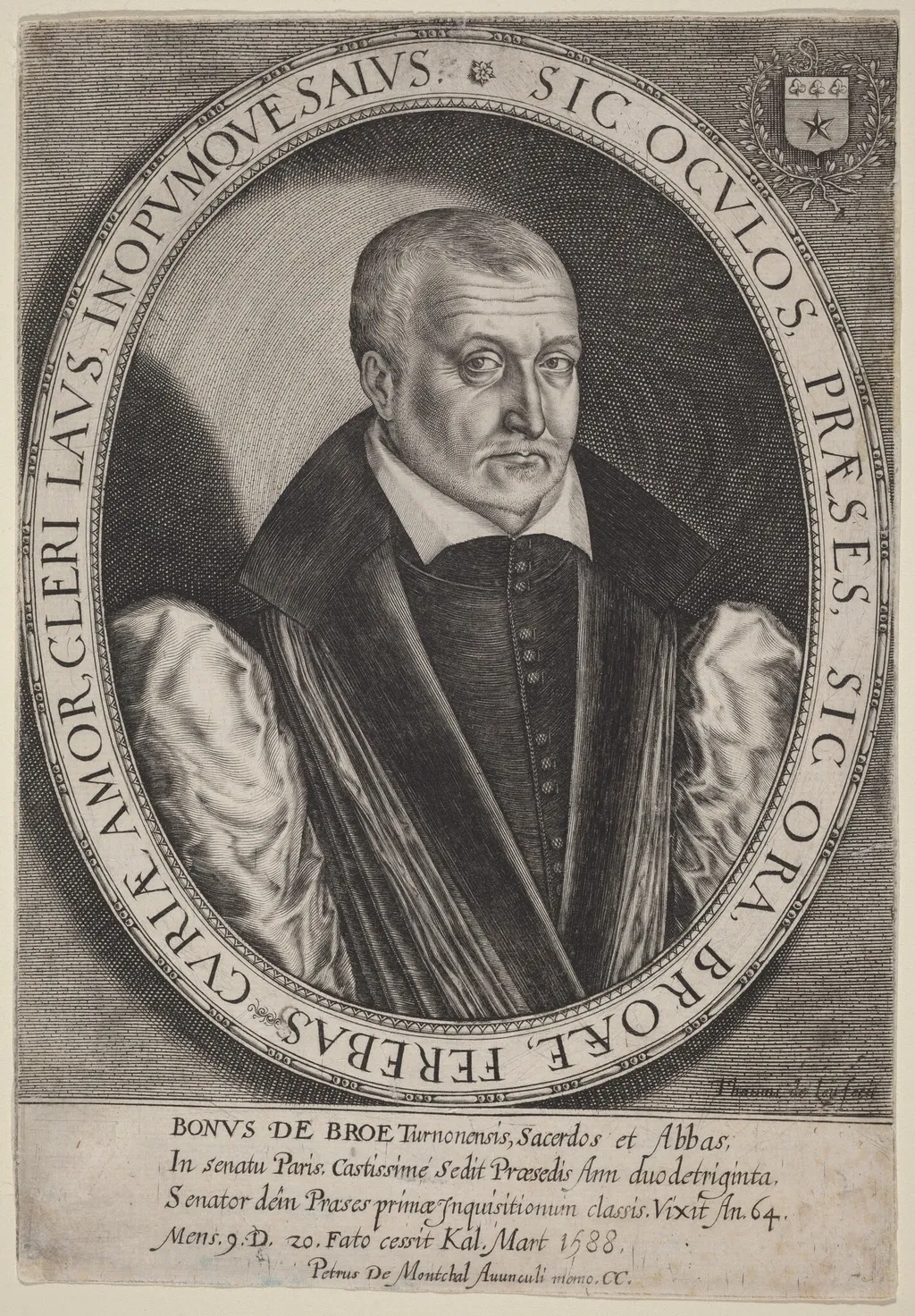
Bon de Broé is an ink print by the Renaissance artist Thomas de Leu. It dates from 1588 and is held in the collection of the National Gallery of Art.
About this work
" The technique used to create this image is engraving, which involves carving a design onto a metal plate and then printing it onto paper.
This portrait shows a man with short hair, wearing a dark robe over a white shirt. The image is encircled by a ring with text in Latin.
The man's robe has a high collar and buttons down the front. His sleeves are puffed and white. The background is dark, with a lighter area behind the man's head.
The text around the circle is in Latin, and the bottom of the image has more text, including the name "Bonvs De Broe" and the date "1588." The technique used to create this image is engraving, which involves carving a design onto a metal plate and then printing it onto paper.
Overview
Bon de Broé is a 1588 engraving on laid paper created by Thomas de Leu, a Flemish-born French engraver, publisher, and print dealer. The work is a portrait of a man, executed with the technical precision characteristic of late Renaissance French printmaking.
Subject & Meaning
The engraving depicts a man with short hair, dressed in a dark robe over a white shirt, featuring a high collar and buttoned front, paired with puffed white sleeves. His identity is confirmed by the Latin inscription 'Bonvs De Broe' at the bottom, framed within a circular border bearing additional Latin text.
Technique & Style
Thomas de Leu utilized the engraving technique, carving the design onto a metal plate before printing it on laid paper. The image contrasts a dark background with a lighter halo behind the subject's head, showcasing de Leu's reproductive engraving skills, typical of his commercial printmaking practice.
History & Provenance
Created in 1588, Bon de Broé reflects Thomas de Leu's dual role as engraver and publisher. While specific ownership history is not provided, the piece exemplifies the prolific output of de Leu's workshop during late 16th-century France.
Context
This work is situated within the late Renaissance print culture in France, where reproductive engraving flourished as a means of disseminating images. De Leu's engagement in both creating and distributing prints highlights the commercial viability of such artworks during this period.
Legacy
Bon de Broé contributes to the broader legacy of Thomas de Leu as a key figure in French printmaking, illustrating the technical and commercial practices of his time. However, its specific impact or influence on subsequent artistic movements is not detailed in the available information.
Artist & collection
Artist
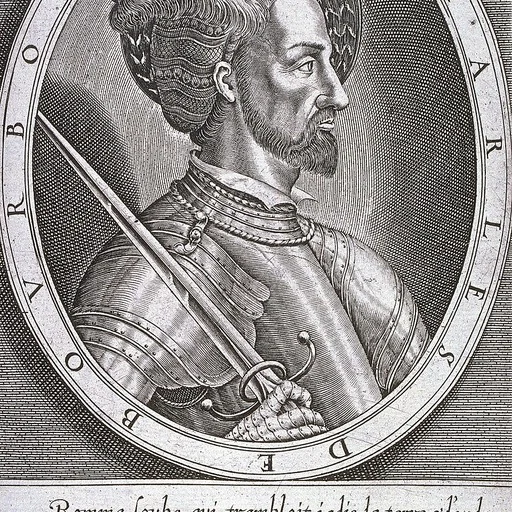
Thomas de Leu or Leeuw or Le Leup or Deleu (1560–1612) was a French engraver, publisher, and print dealer of Flemish origin.

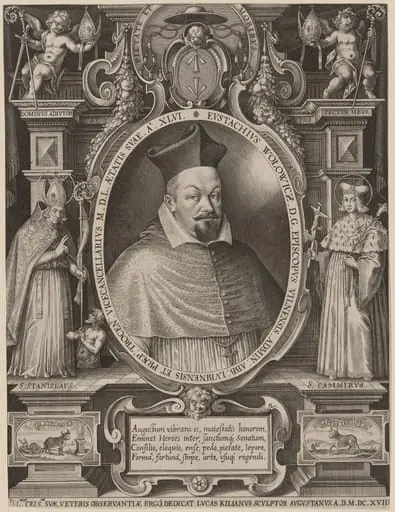 Eustace Wolowicz, Archbishop of Vilna
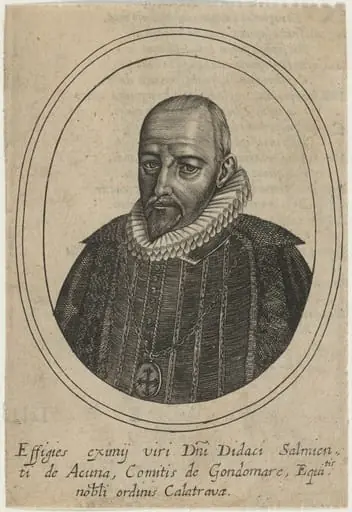 Count Gondamor
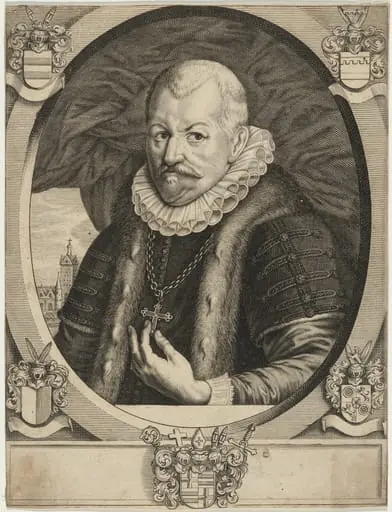 Portrait of a Man With Cross Around Neck
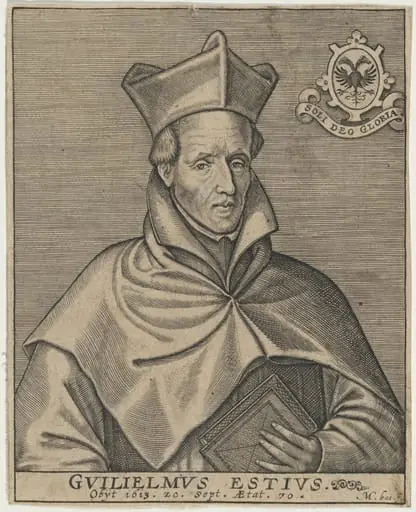 William Estius, Catholic Priest
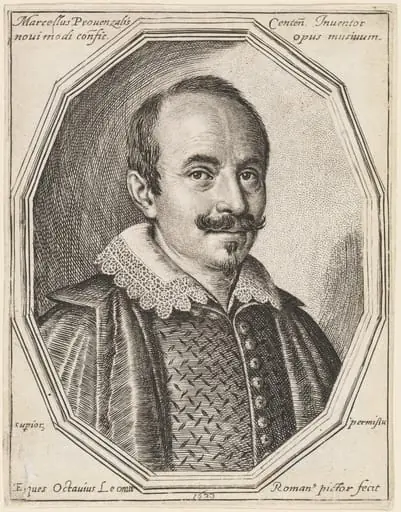 Marcello Provenzale
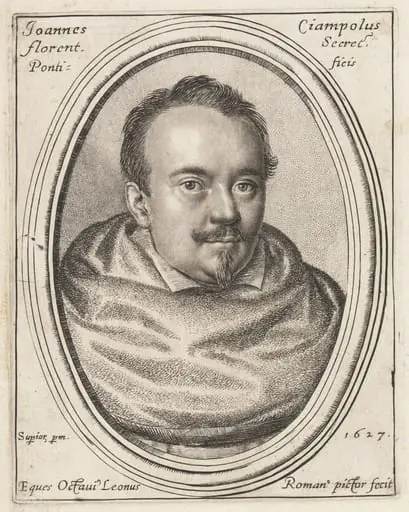 Giovanni Ciampoli, Papal Secretary
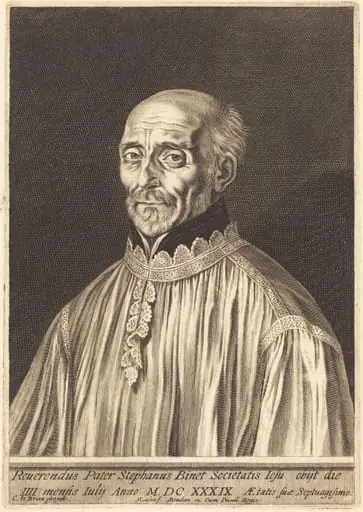 Etienne Binet
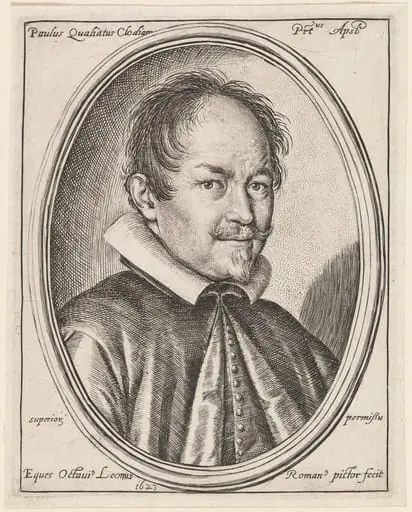 Paolus Qualiatus Clodianus
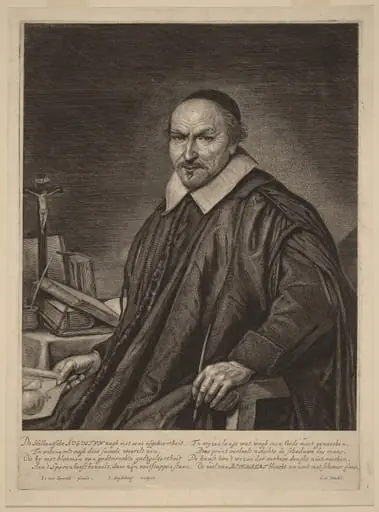 Augustyn Bloemaert
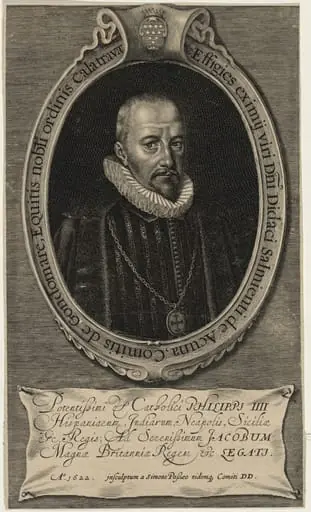 Diego Sarmiento de Acuna, Count of Gondomar
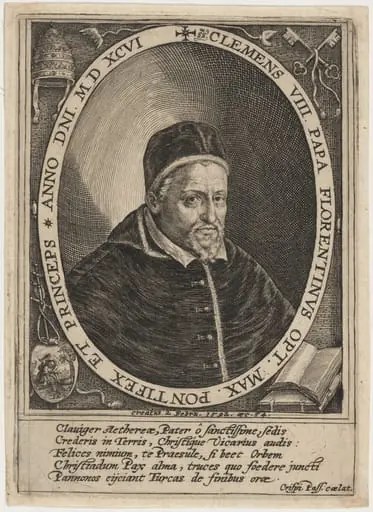 Pope Clement VIII
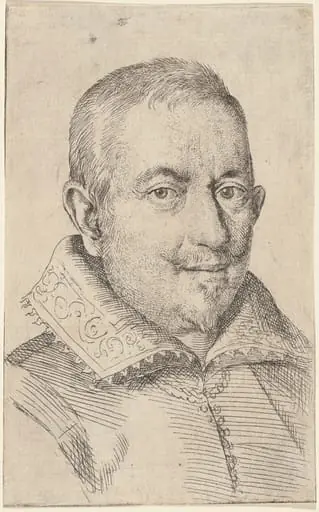 Portrait of a Middle-Aged Man