Artwork
Louise Marguerite de Lorraine, Second Wife ofFrancois, Prince of Conti
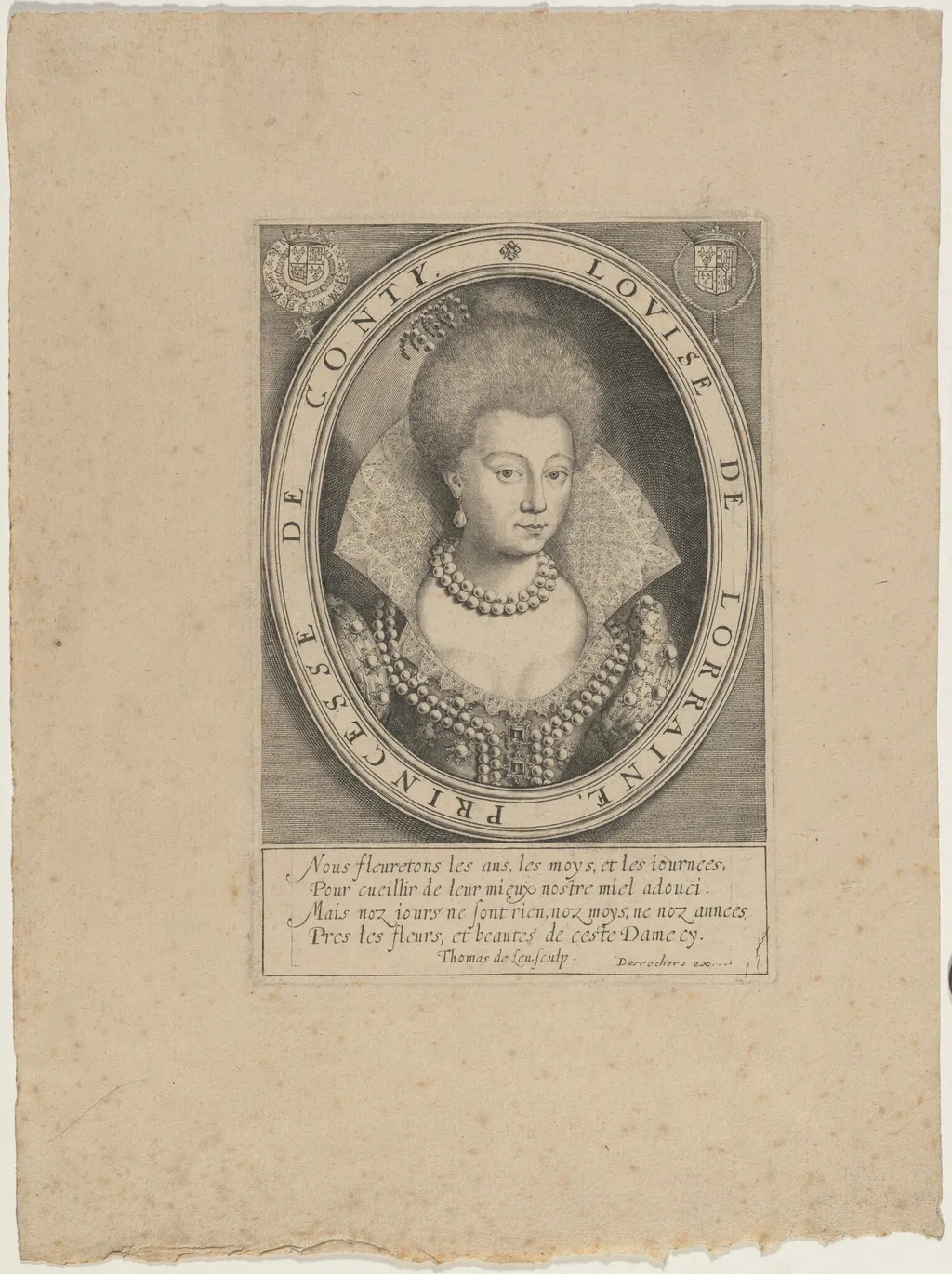
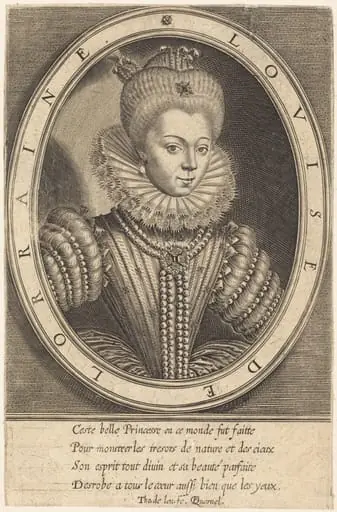
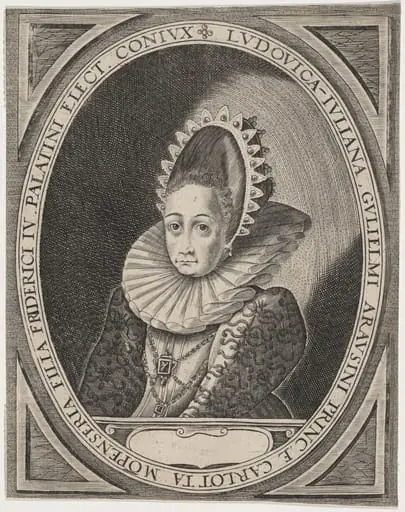
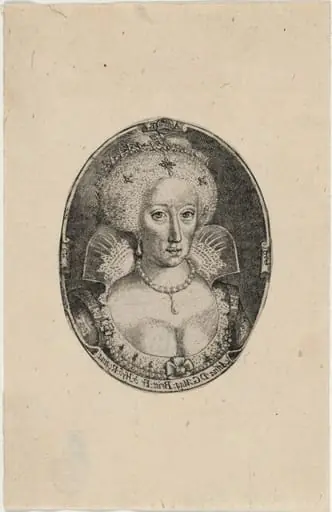
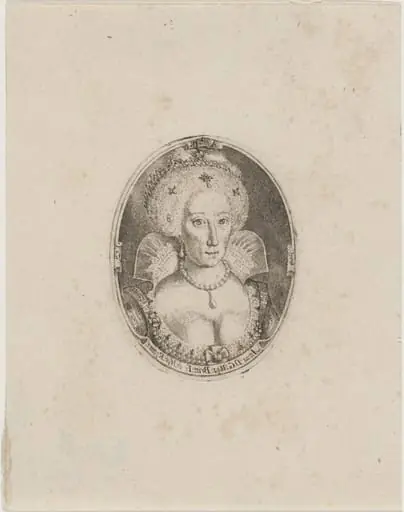
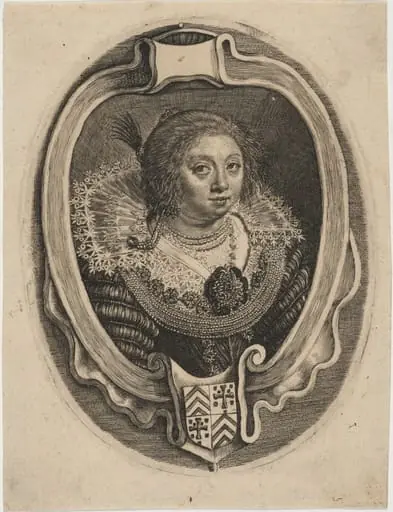
Louise Marguerite de Lorraine, Second Wife ofFrancois, Prince of Conti is an ink print by the Renaissance artist Thomas de Leu. It dates from 1590 and is held in the collection of the National Gallery of Art. This 1590 engraving presents Louise Marguerite de Lorraine, the second spouse of François, Prince of Conti.
About this work
Overview
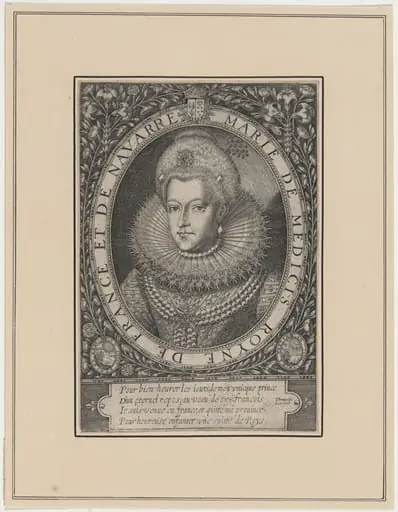
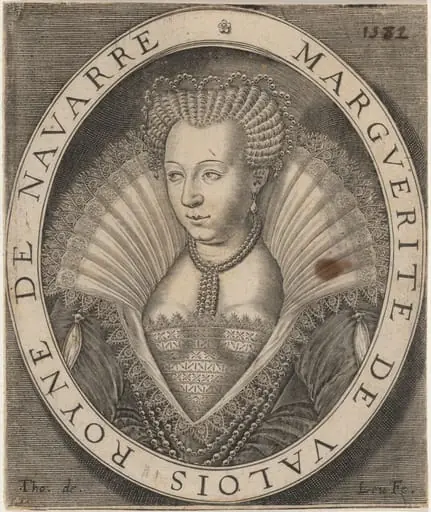
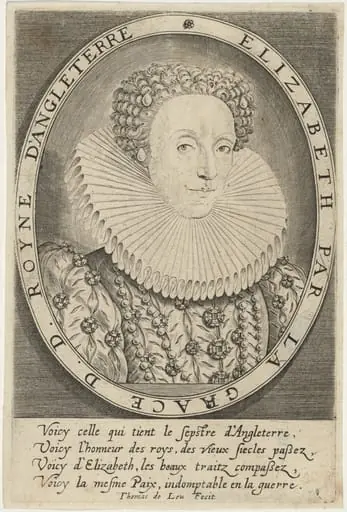
This 1590 engraving presents Louise Marguerite de Lorraine, the second spouse of François, Prince of Conti. Executed in black and white, the image shows the aristocratic sitter in a formal pose, her face framed by a high, curled wig and a solemn expression. The composition is set against an unadorned background, with her name and a brief French verse inscribed along the margins.
Subject & Meaning
Louise Marguerite de Lorraine (1578‑1667) was a member of the influential Lorraine family and, through her marriage to the Prince of Conti, occupied a prominent position at the French court. The portrait emphasizes her status by highlighting luxurious accessories—a pearl necklace and an elaborate lace collar—while the restrained demeanor reflects contemporary ideals of noble decorum.
Technique & Style
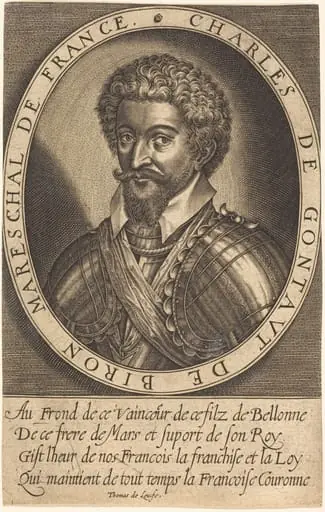
The image was produced by Thomas de Leu, a Flemish‑born engraver active in France. Using fine, intersecting lines, de Leu achieved subtle gradations of tone that model the facial features and fabric textures. The precision of the line work and the clear, linear quality are characteristic of late‑16th‑century French engraving.
History & Provenance
Thomas de Leu, known both as an engraver and a print dealer, created this portrait during a prolific period when he supplied portraits of court figures to a growing market for collectible prints. The work likely circulated among the French aristocracy and collectors, serving both as a visual record of the princess and as a commercial product in de Leu’s publishing enterprise.
Context
Printed at a time when portrait engravings were a primary means of disseminating images of the nobility, the piece reflects the broader cultural practice of using prints to reinforce social hierarchies. The inclusion of a short poem in French aligns with the period’s taste for pairing visual portraiture with literary compliments.
Artist & collection
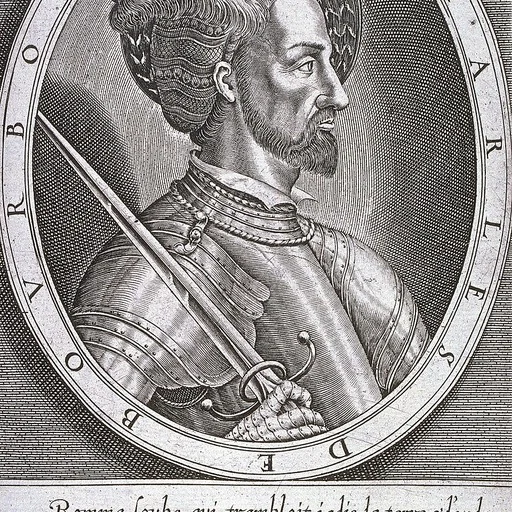
Artist
Thomas de Leu or Leeuw or Le Leup or Deleu (1560–1612) was a French engraver, publisher, and print dealer of Flemish origin.