Artwork
Eighteen Views of Rome: The Basilica of Santa Maria Maggiore
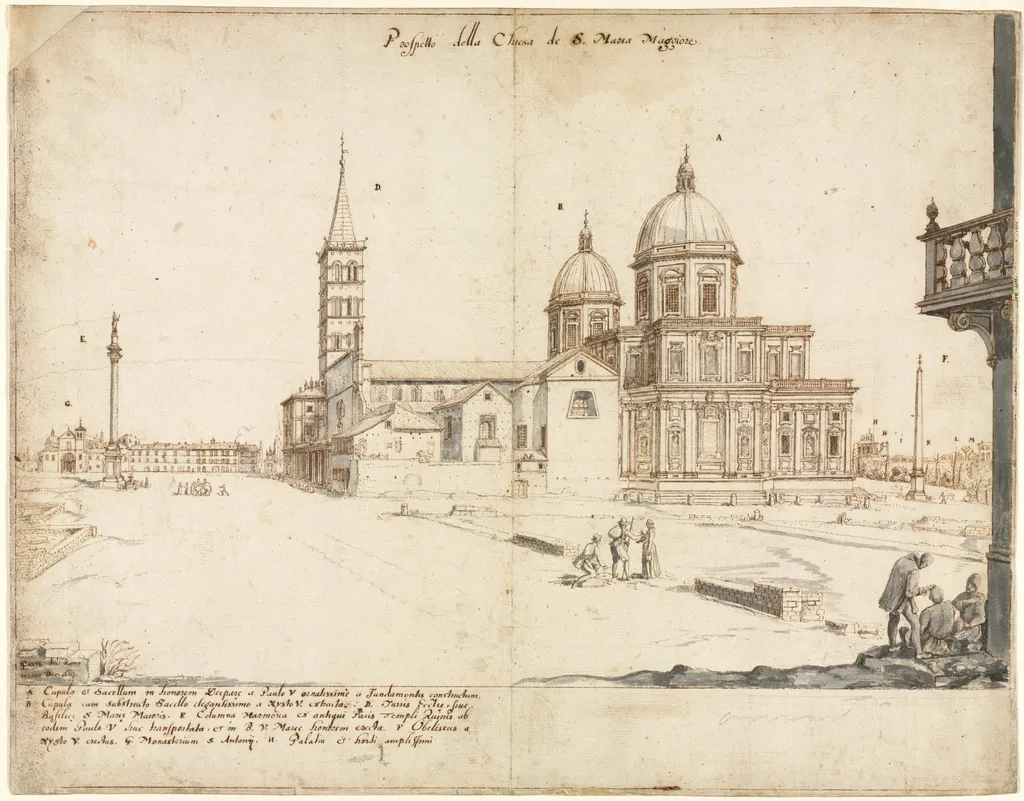
Eighteen Views of Rome: The Basilica of Santa Maria Maggiore is a drawing by the Baroque artist Lievin Cruyl. It dates from 1664 and is held in the collection of the Cleveland Museum of Art.
About this work
Overview
Created in 1664 by Lievin Cruyl, this pen-and-ink drawing is one of eighteen views of Rome produced during his time in the city. Rendered in subtle monochrome tones, it captures the Basilica of Santa Maria Maggiore with architectural precision. The work belongs to a series intended as a visual record of Rome’s urban landscape, combining topographical accuracy with artistic observation.
Subject & Meaning
The drawing focuses on the basilica’s imposing façade, flanked by twin domes and a prominent bell tower. Small figures near the foreground wall suggest daily life around the sacred site. Labels marked with letters correspond to architectural features, functioning as an instructional guide. This approach reflects a scholarly interest in documenting sacred architecture, not merely depicting it.
Technique & Style
Cruyl employed fine pen lines and washes to model form and depth, using gradations of brown ink to suggest texture and shadow. The architecture is rendered with careful attention to proportion and detail—columns, statues, and arched windows are clearly defined. The composition avoids theatricality, favoring clarity and order, characteristic of topographical drawing in the mid-seventeenth century.
History & Provenance
The drawing was produced during Cruyl’s stay in Rome, likely commissioned or created for dissemination among European patrons interested in Italian antiquities. It entered the collection of The Cleveland Museum of Art in the twentieth century, where it remains part of a larger group of his Roman views, preserved as important examples of early topographical art.
Context
Cruyl’s work aligns with a broader European trend of documenting classical and ecclesiastical structures, often for educational or antiquarian purposes.
In the 1660s, detailed architectural drawings of Rome were sought after by travelers and scholars. Cruyl’s work aligns with a broader European trend of documenting classical and ecclesiastical structures, often for educational or antiquarian purposes. Unlike Baroque painting, which emphasized drama and movement, his approach was restrained, prioritizing factual representation over emotional effect.
Legacy
Cruyl’s series of Roman views contributed to the development of architectural documentation as a distinct genre. His method of labeling elements influenced later guidebooks and travel publications. While not widely known today, his drawings remain valuable for their precise rendering of Rome’s urban fabric during a period of significant artistic and religious activity.
Artist & collection

Artist
Lievin Cruyl or Lieven Cruyl was a Flemish priest and a draughtsman and etcher of landscapes, seascapes, and architectural views.

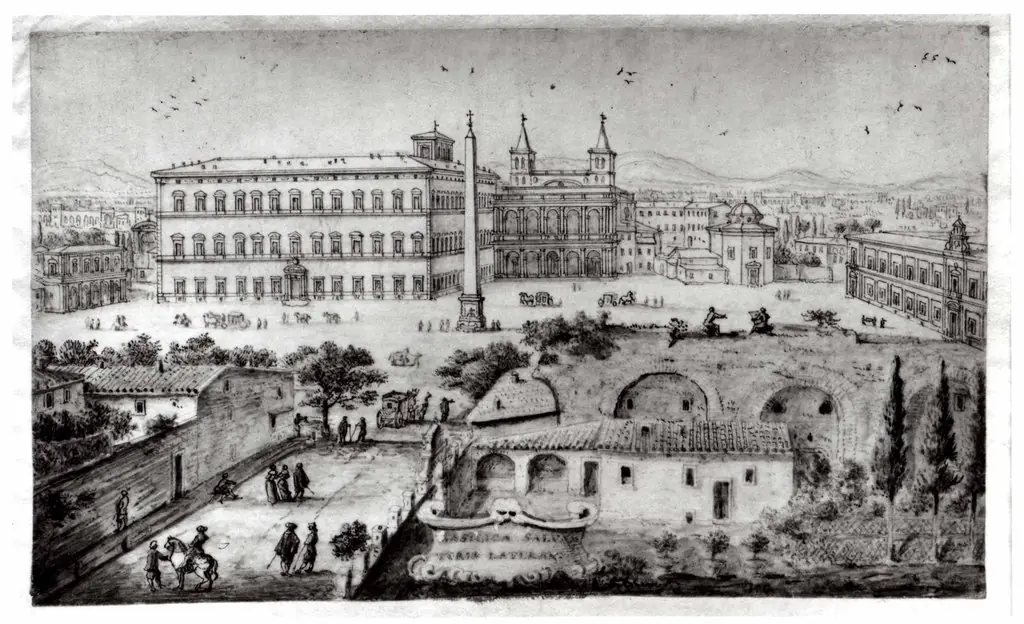 View of Lateran, Rome
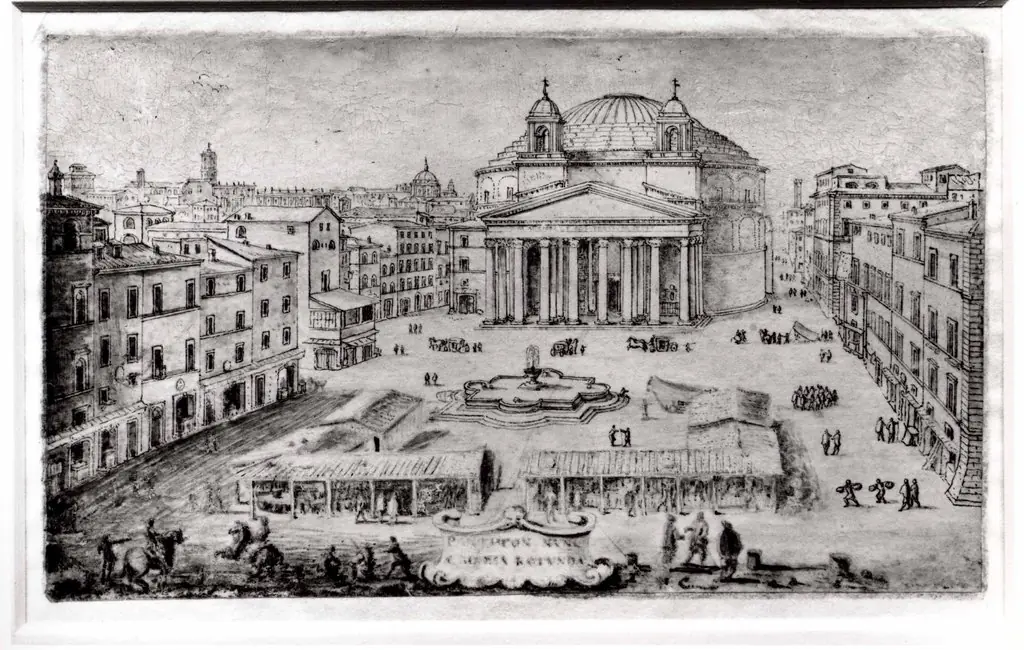 View of the Pantheon, Rome
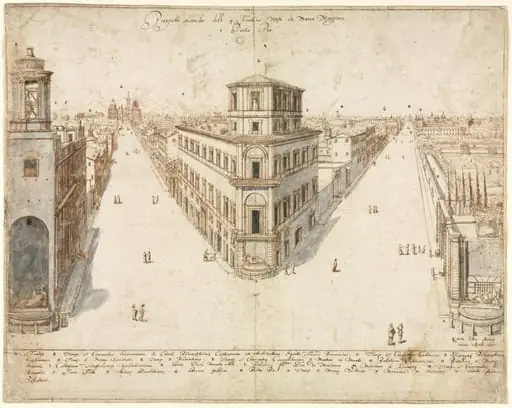 Eighteen Views of Rome: The Quattro Fontane Looking Toward Santa Maria Maggiore
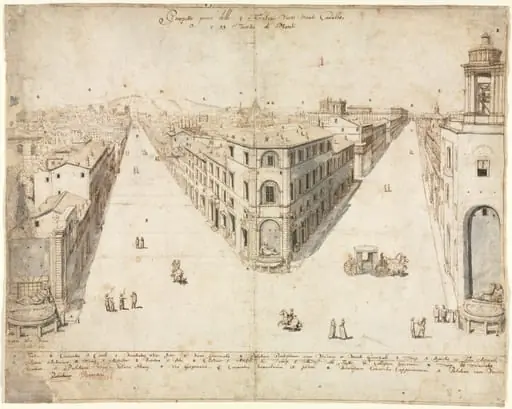 Eighteen Views of Rome: The Quattro Fontane Looking Toward Monte Cavallo
 Sketch for San Giovanni in Laterano (verso)
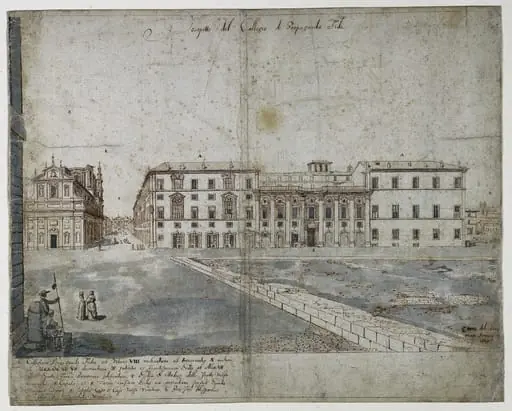 Eighteen Views of Rome: The Collegio di Propaganda Fide (recto)
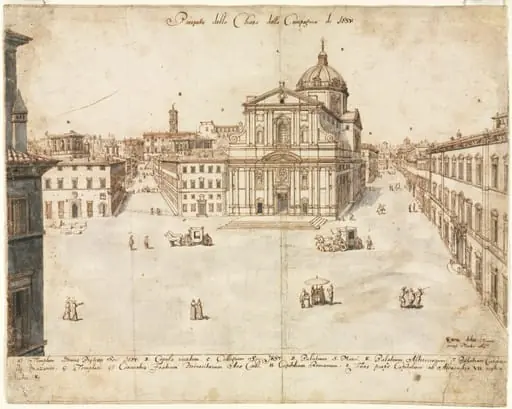 Eighteen Views of Rome: The Church of the Gesù
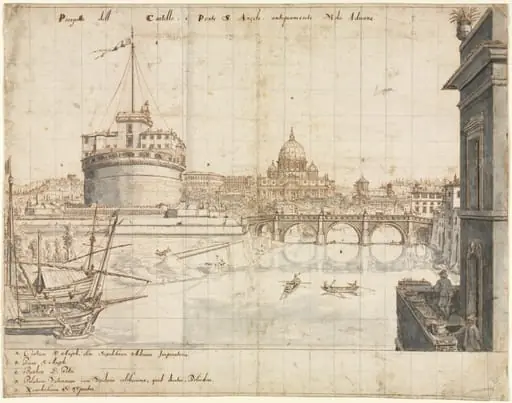 Eighteen Views of Rome: The Castel Sant'Angelo
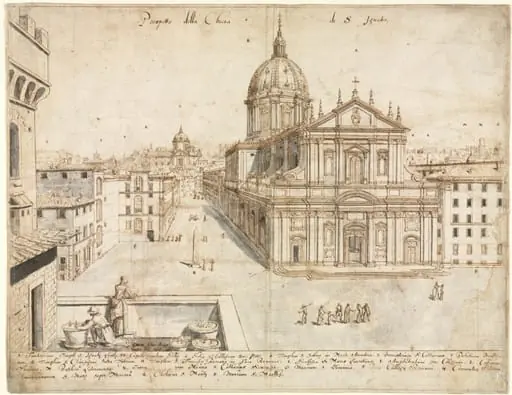 Eighteen Views of Rome: The Church of Sant'Ignazio
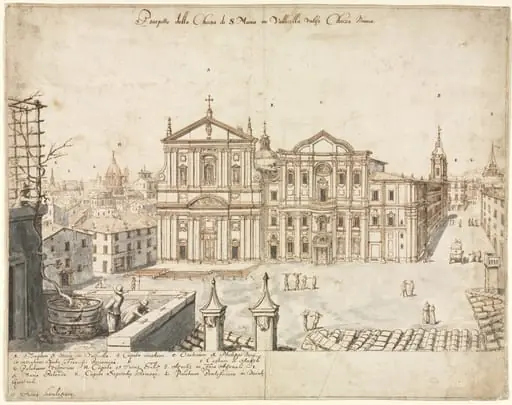 Eighteen Views of Rome: The Church of Santa Maria in Vallicella
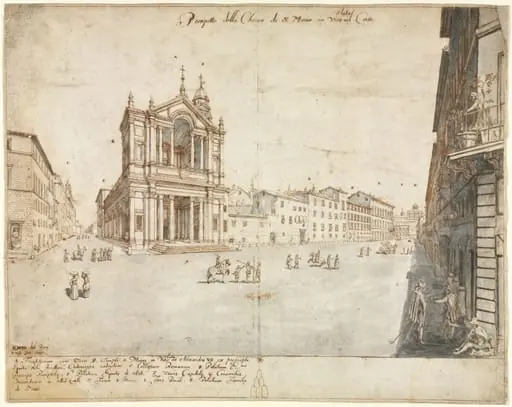 Eighteen Views of Rome: Santa Maria in Via Lata
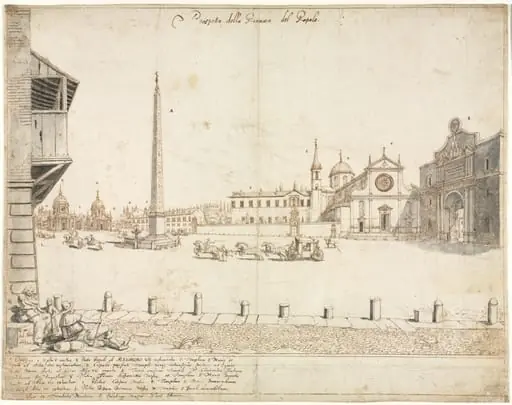 Eighteen Views of Rome: The Piazza del Popolo (recto)
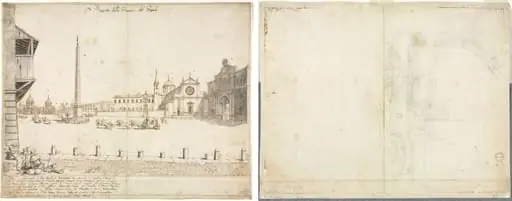 Eighteen Views of Rome: The Piazza del Popolo (recto); Sketch for San Giovanni in Laterano (verso)
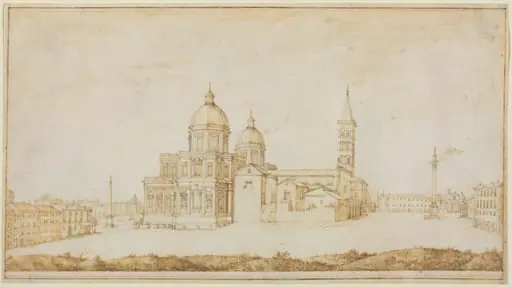 Santa Maria Maggiore
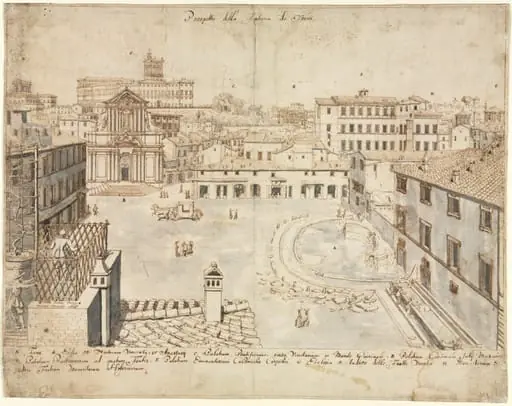 Eighteen Views of Rome: The Trevi Fountain
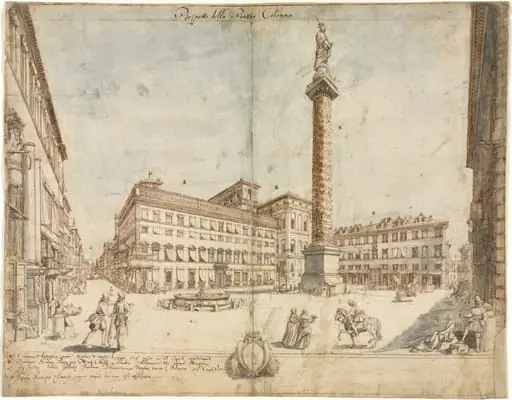 Eighteen Views of Rome: The Piazza Colonna