Artwork
Le baiser rendu: Le baiser rendu
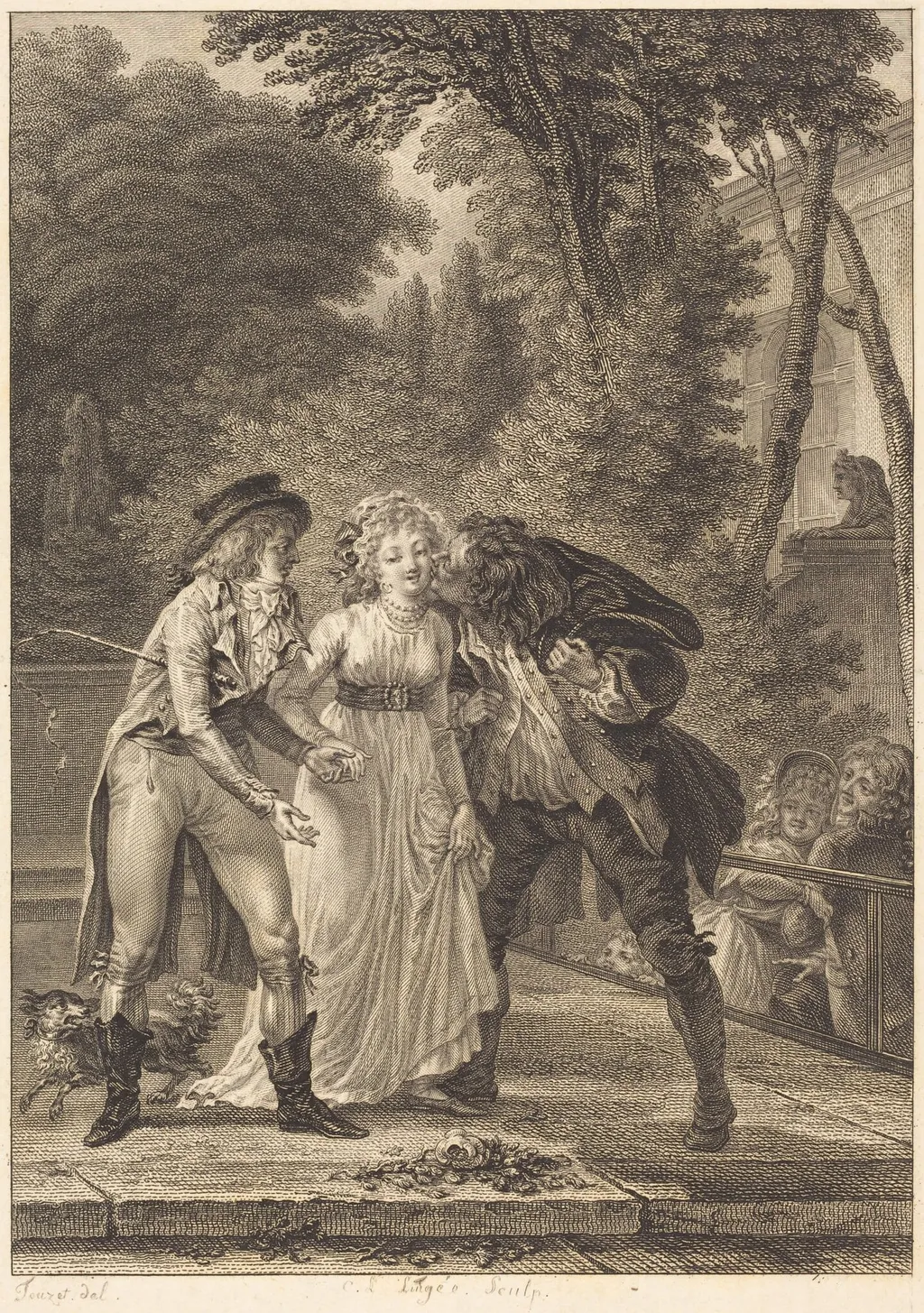
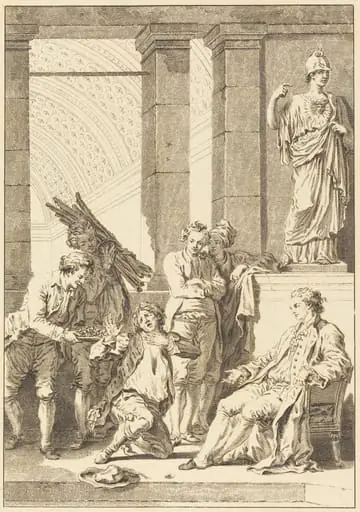
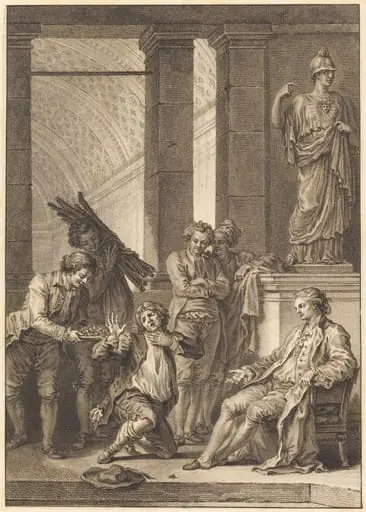
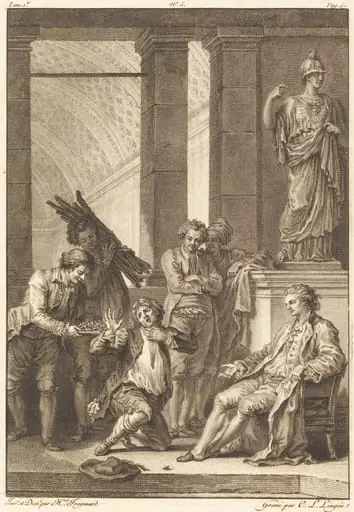
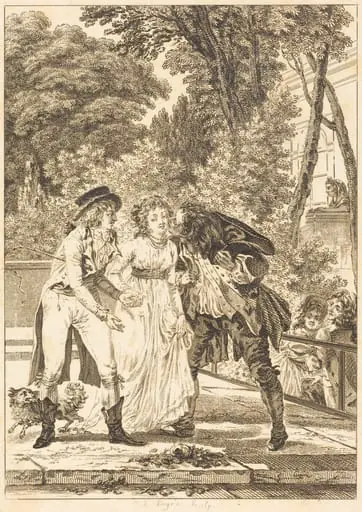
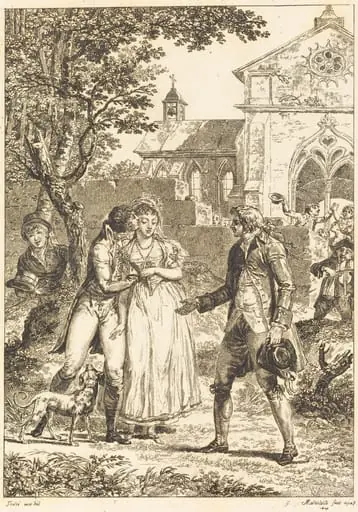
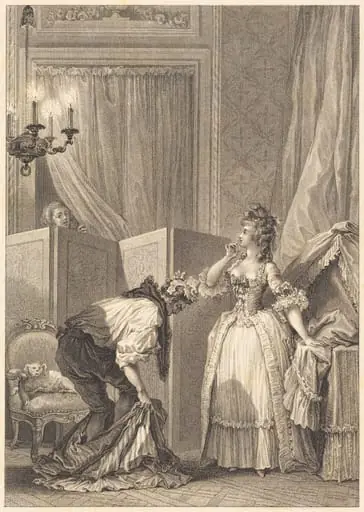
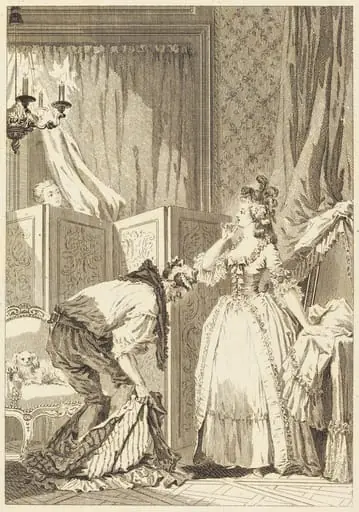
Le baiser rendu: Le baiser rendu is an ink print by the Baroque artist Charles Louis Lingée. It dates from 1784 and is held in the collection of the National Gallery of Art.
About this work
Overview
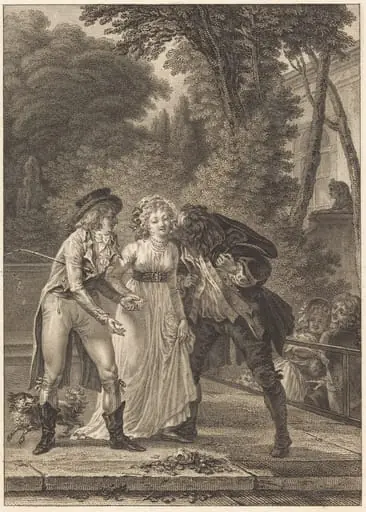
Created in 1784 by Charles Louis Lingée, this black-and-white print combines etching and engraving techniques to depict a quiet, intimate scene.
Created in 1784 by Charles Louis Lingée, this black-and-white print combines etching and engraving techniques to depict a quiet, intimate scene. The composition captures a moment between three figures in a garden at twilight, rendered with fine linear detail and subtle tonal gradations. The interplay of light and shadow gives the image a restrained yet evocative atmosphere, characteristic of late 18th-century printmaking.
Subject & Meaning
The scene portrays a man leaning toward a woman, who holds a fan and appears to respond with restrained composure. A child observes from a doorway, introducing an element of silent witness. The gesture and positioning suggest an unspoken exchange—perhaps a kiss returned or withheld—infusing the moment with psychological nuance. The garden setting and dusk lighting imply transition, privacy, and emotional ambiguity.
Technique & Style
Lingée employed etching and engraving to achieve precise lines and controlled shading. The woman’s face is softly illuminated through delicate hatching, contrasting with the dense shadows of trees and architecture. The fan’s delicate lines and the man’s hat add texture, while the child’s partial visibility enhances depth. The technique emphasizes mood over narrative clarity, favoring atmospheric suggestion.
History & Provenance
The print was produced in 1784, during a period when intimate domestic scenes were popular in European print culture. Lingée, active in France, often worked in reproductive and genre printmaking. While specific early ownership records are sparse, the work aligns with the tastes of private collectors seeking emotionally resonant imagery, distinct from grand historical or mythological subjects.
Context
In the years before the French Revolution, prints like this reflected a growing interest in private emotion and domestic life among the bourgeoisie. Unlike overtly political or allegorical works, Lingée’s image appeals to quiet observation and subtle gesture. Its focus on a single, unresolved moment mirrors broader cultural shifts toward introspection and the exploration of personal relationships.
Legacy
Though not widely reproduced in major collections, the print exemplifies the quiet sophistication of late 18th-century graphic art. It demonstrates how technical precision in etching and engraving could convey psychological depth without overt drama. Its influence is seen in later genre prints that prioritized mood and ambiguity over explicit storytelling.
Artist & collection