Artwork
Blue-green Warbler
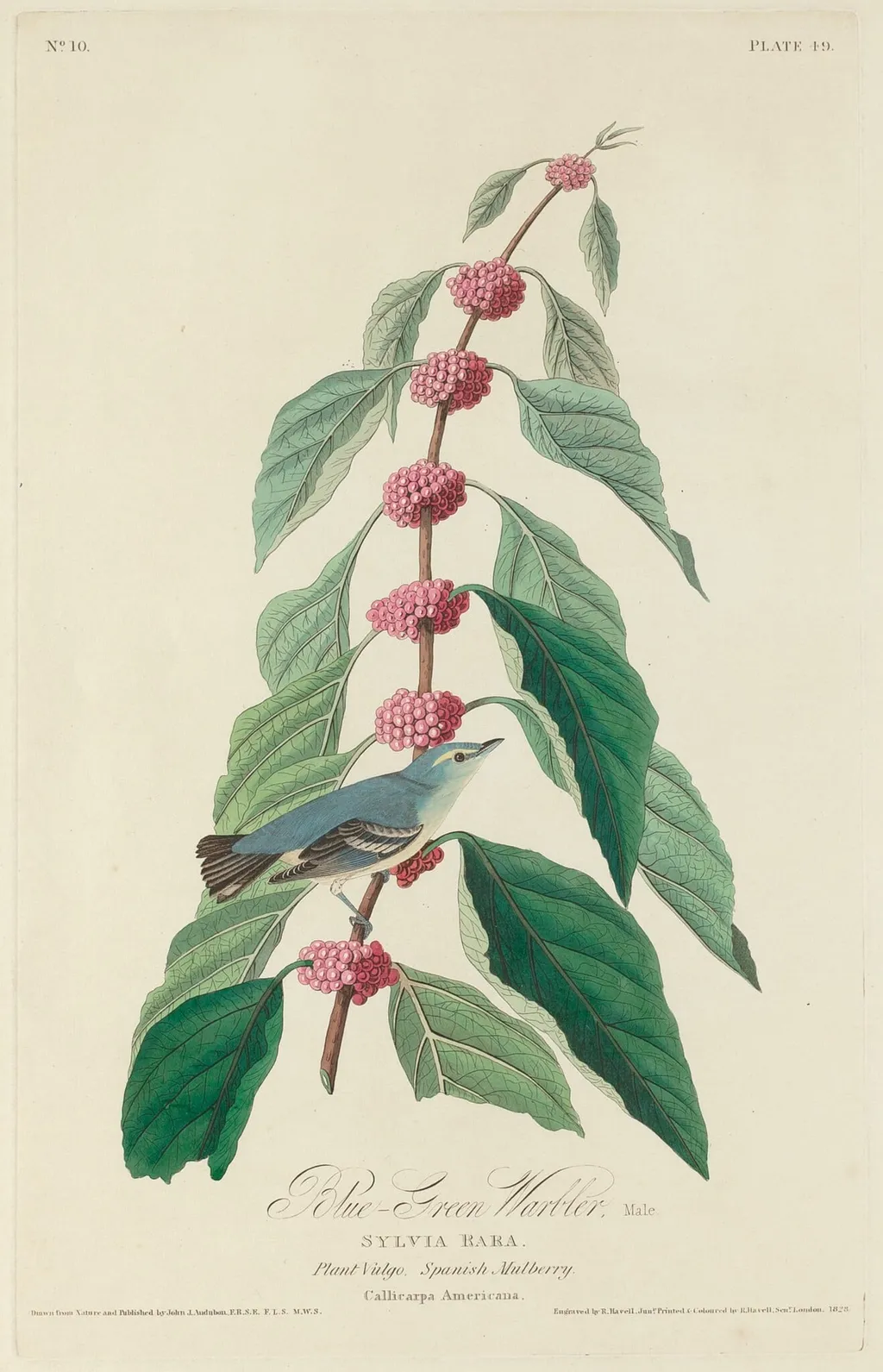
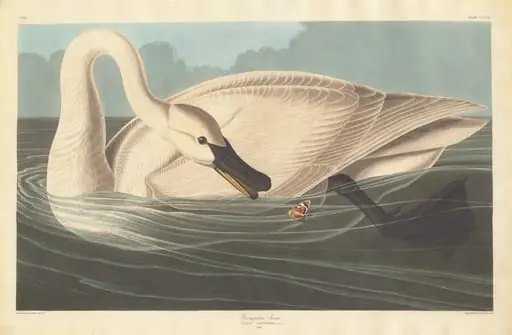
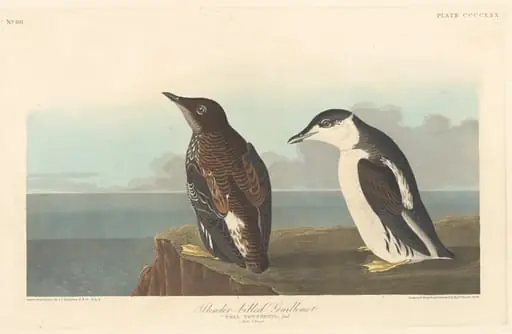
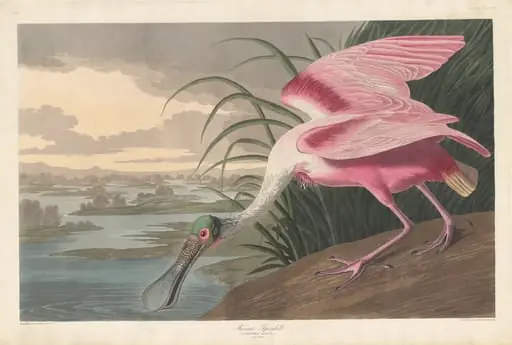
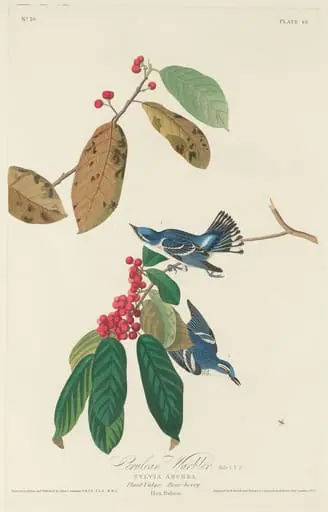
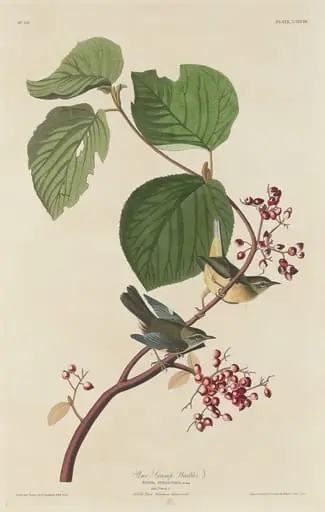
Blue-green Warbler is an ink print by the Romanticist artist Robert Havell Jr.. It dates from 1828 and is held in the collection of the National Gallery of Art. Created in 1828, *Blue‑green Warwar* is a hand‑colored engraving combined with aquatint, printed on Whatman wove paper.
About this work
Overview
Created in 1828, *Blue‑green Warwar* is a hand‑colored engraving combined with aquatint, printed on Whatman wove paper. The work presents a small songbird perched amid red berries and glossy leaves, rendered in a palette of soft blues, whites and grays. The composition balances precise line work with subtle tonal washes, typical of early‑19th‑century natural history prints.
Subject & Meaning
The image portrays a blue‑green warbler, a diminutive passerine, situated on a branch bearing Spanish mulberry fruit.
The image portrays a blue‑green warbler, a diminutive passerine, situated on a branch bearing Spanish mulberry fruit. The bird faces left, its plumage highlighted by delicate shading that suggests the bird’s natural coloration. The inclusion of ripe berries and detailed foliage provides a contextual backdrop that emphasizes the species’ habitat and serves the educational aims of contemporary ornithological illustration.
Technique & Style
Havell employed a dual process: a copper plate was engraved for the fine outlines, then subjected to aquatint to produce broad, watercolor‑like tones. After printing, the work was hand‑colored, allowing the artist to accentuate the bird’s feathers and the vivid red of the berries. This combination of precise line, tonal depth, and manual coloration reflects the Havell family’s mastery of printmaking methods popular among naturalists of the period.
History & Provenance
Robert Havell Jr., son of the noted engraver Robert Havell the Elder, executed the piece within a family workshop renowned for scientific illustration. The Havells were active participants in the exchange of Indian artistic influences, though this particular print focuses on a European bird. The work remains a representative example of the family’s output, documenting both their technical skill and their role in disseminating natural history knowledge in the early nineteenth century.
Artist & collection

Artist
The Havell family of Reading, Berkshire, England, included a number of notable engravers, etchers and painters, as well as writers, publishers, educators, and musicians.