Artwork
Landscape with Ruins, Pastoral Figures, and Trees
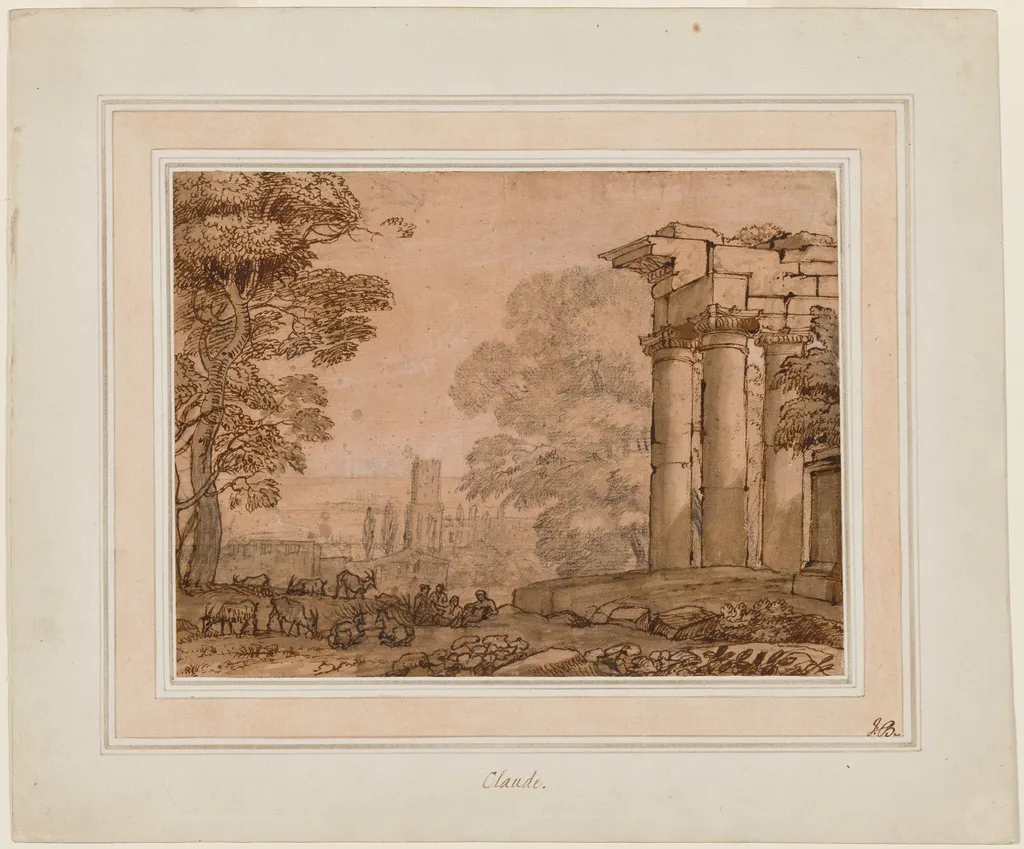
Landscape with Ruins, Pastoral Figures, and Trees is an ink drawing by the Baroque artist Claude Lorrain. It dates from 1650 and is held in the collection of the National Gallery of Art.
About this work
Overview
Landscape with Ruins, Pastoral Figures, and Trees is a mixed-media drawing executed on apricot-prepared paper, combining pen and brown ink, graphite, brown wash, black chalk, and white chalk highlights. Created circa 1650, it exemplifies the artist's characteristic blend of landscape and figurative elements.
Subject & Meaning
The drawing depicts a serene landscape with ancient ruins, pastoral figures, and trees, subtly integrating human presence within a natural and classical setting. This composition reflects the artist's approach to elevating landscape by weaving in suggestions of historical or mythological context through the inclusion of small, narrative figures.
Technique & Style
The work showcases a meticulous layering of techniques: black chalk underdrawing, overlaid with pen and brown ink for definition, supplemented by graphite for tone, and brown wash for depth. White chalk highlights add luminosity, set against the warm, apricot-toned paper, characteristic of the artist's nuanced and expressive draughtsmanship.
History & Provenance
Created around 1650 by Claude Lorrain, a pivotal Baroque artist born in the Duchy of Lorraine circa 1600, who spent most of his career in Italy. Lorrain was a pioneer in focusing on landscape during an era dominated by other genres, contributing significantly to its recognition as a major artistic category.
Artist & collection
Artist
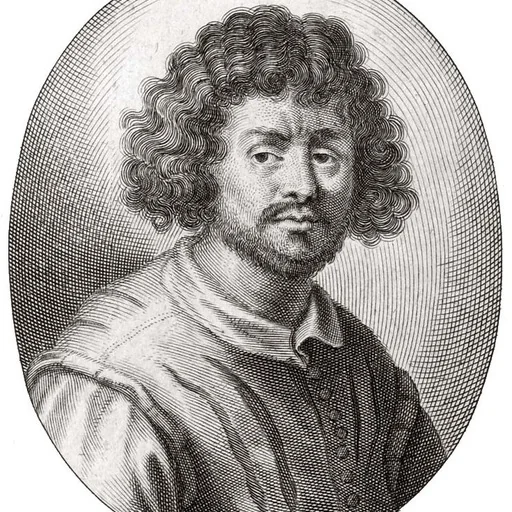
Claude Lorrain (French: ; born Claude Gellée , called le Lorrain in French; traditionally just Claude in English; c.

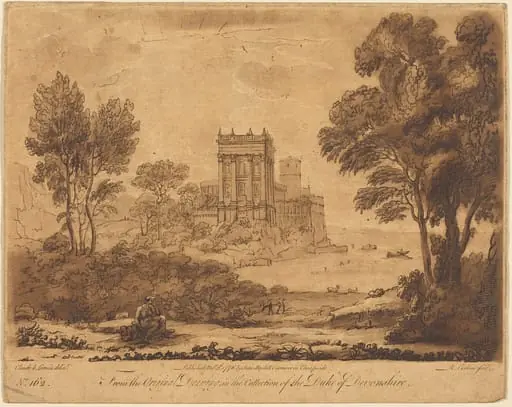 Landscape No. 162 from "Liber Veritatis"
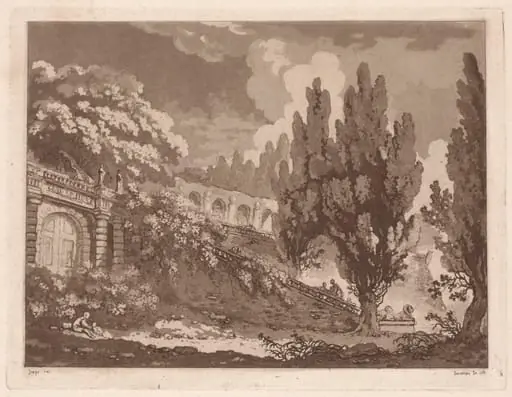 Stairs in an Italian Garden
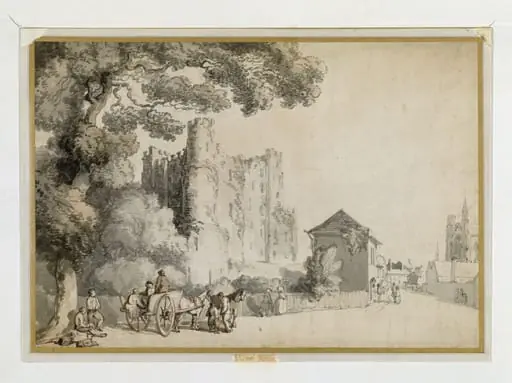 Boley Hill and Castle, Rochester, with the "Justice Tree"
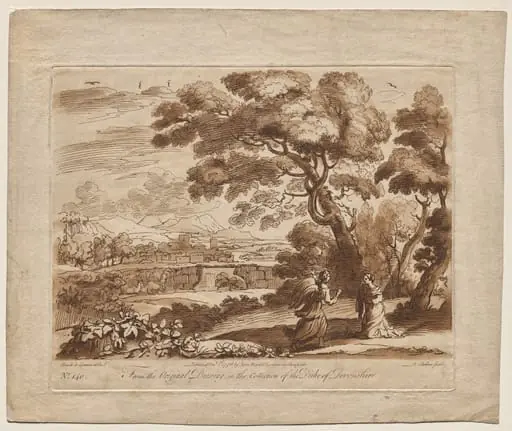 Landscape, Plate No. 140
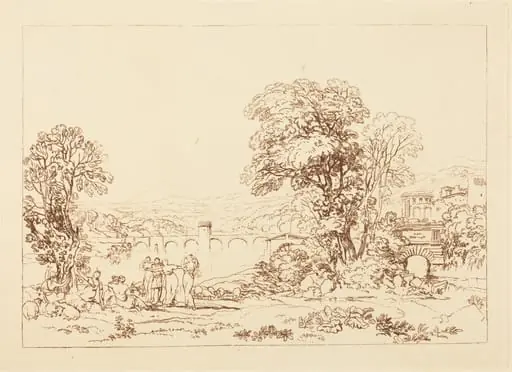 Apuleia in Search of Apuleius
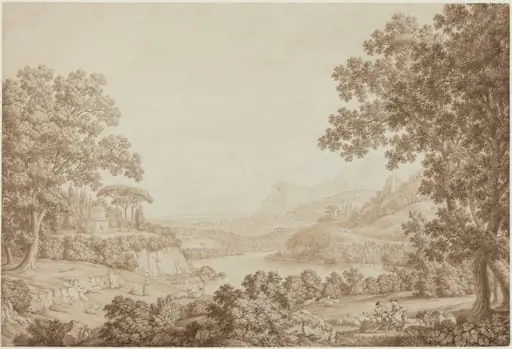 Arcadian Landscape with a Mausoleum
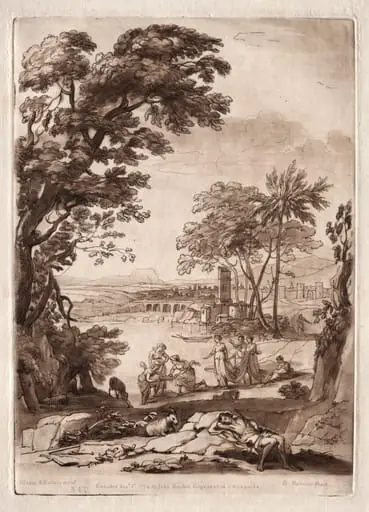 Liber Veritatis: No. 47, A River Scene with the Finding of Moses
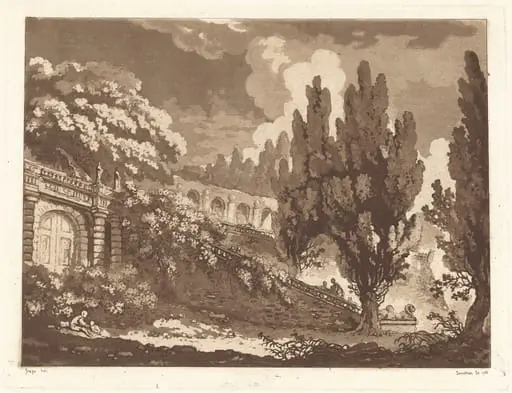 Stairway in an Italian Garden
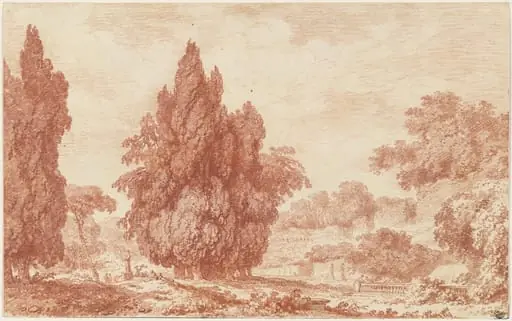 A Stand of Cypresses in an Italian Park
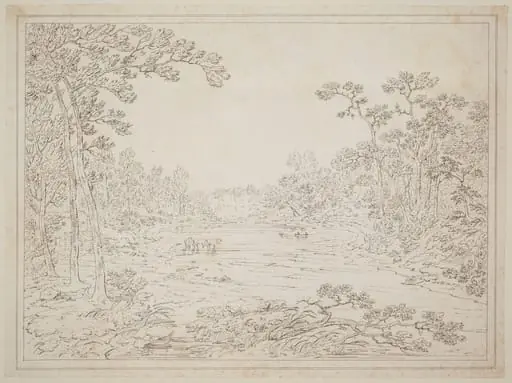 Pennsylvania Landscape
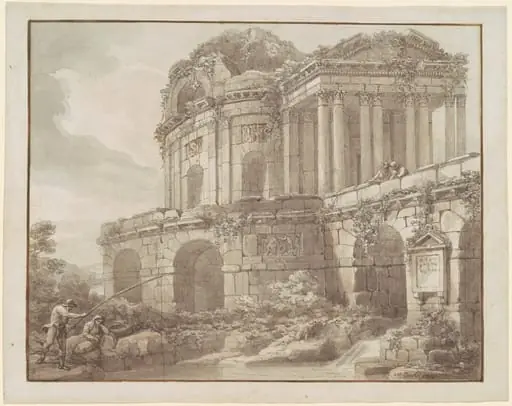 A Roman Ruin
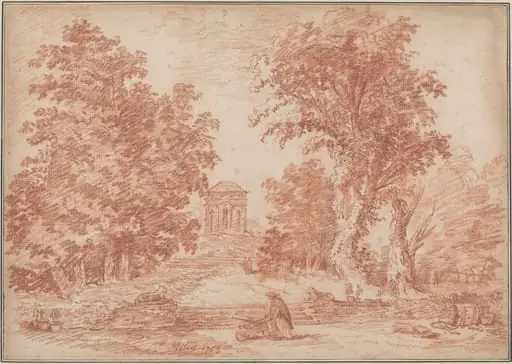 Italian Park with a Tempietto