Artwork
Egypt and Nubia, Volume I: One of Two Colossal Statues of Rameses II. Entrance to the Temple of Luxor
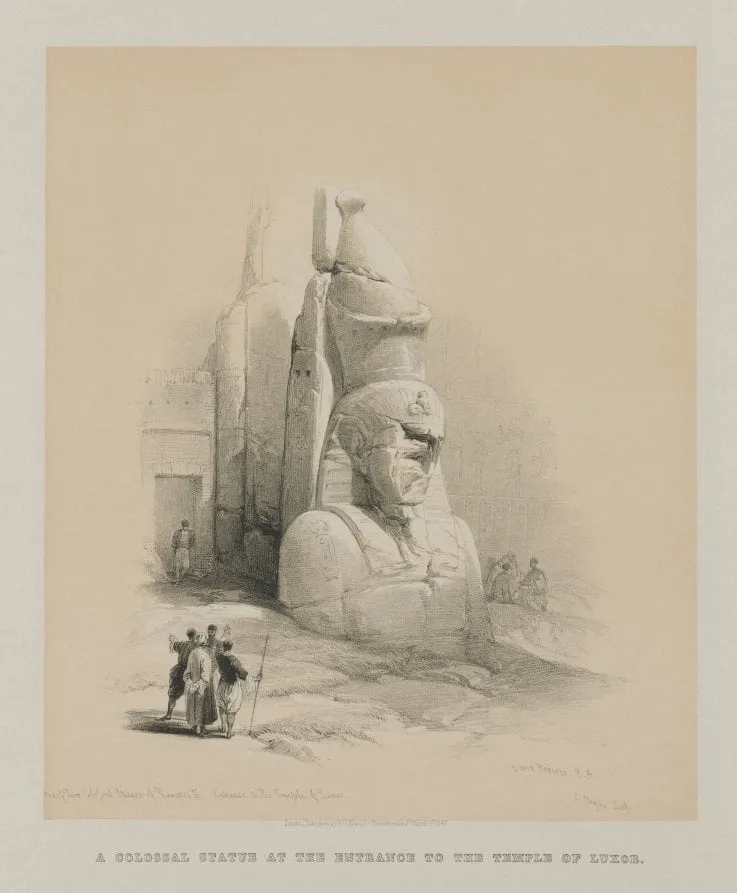
Egypt and Nubia, Volume I: One of Two Colossal Statues of Rameses II. Entrance to the Temple of Luxor is a print by the Romanticist artist Louis Haghe. It dates from 1847 and is held in the collection of the Cleveland Museum of Art.
About this work
Overview
The image captures one of two colossal statues of Ramses II at the entrance to the Temple of Luxor, rendered with precision to convey scale and antiquity.
Created in 1847 by Louis Haghe, this lithograph is part of a two-volume series documenting Egyptian monuments. Haghe, trained in watercolor and lithography, collaborated with William Day to produce detailed prints for European audiences. The image captures one of two colossal statues of Ramses II at the entrance to the Temple of Luxor, rendered with precision to convey scale and antiquity. The work reflects mid-19th-century interest in Egypt’s ancient heritage, driven by archaeological exploration and rising public fascination.
Subject & Meaning
The print centers on the towering stone heads of Ramses II, positioned symmetrically at the temple’s entrance. Their weathered surfaces and simplified headbands emphasize age and authority. The diminutive human figures and camel beside them underscore the statues’ monumental scale, reinforcing their role as enduring symbols of pharaonic power. The composition suggests a quiet, almost reverent encounter with the past, avoiding overt drama in favor of observational accuracy.
Technique & Style
Haghe employed fine-line lithography to achieve intricate detail, mimicking the texture of stone and the softness of desert light. The sketchlike quality, with loose contours and subtle shading, evokes the immediacy of an on-site field drawing. The contrast between the massive, rigid forms of the statues and the delicate, scattered figures enhances the sense of spatial depth and temporal distance, aligning with contemporary topographical traditions.
History & Provenance
The lithograph was produced by Day & Haghe, a leading London firm specializing in color lithographs of archaeological sites. It was issued as part of a larger publication documenting Egypt and Nubia, likely commissioned for scholarly or elite audiences. The print circulated widely in Europe, contributing to the visual record of Egypt’s monuments before extensive restoration or tourism altered their appearance.
Context
Produced during a period of heightened European interest in Egyptology, the print emerged alongside early excavations and the publication of Napoleon’s Description de l'Égypte. While Romanticism often dramatized ancient ruins, Haghe’s approach remained grounded in topographical accuracy, reflecting a shift toward empirical documentation. His work served both as artistic record and cultural artifact, bridging scientific curiosity and public imagination.
Legacy
Haghe’s lithograph contributed to the visual canon of Egyptian antiquities in 19th-century Europe. Its precise rendering influenced later archaeological illustration and helped shape perceptions of ancient Egypt as a landscape of enduring, silent grandeur. Though not widely exhibited today, it remains a key example of how lithography mediated access to distant heritage before photography became commonplace.
Artist & collection
Artist
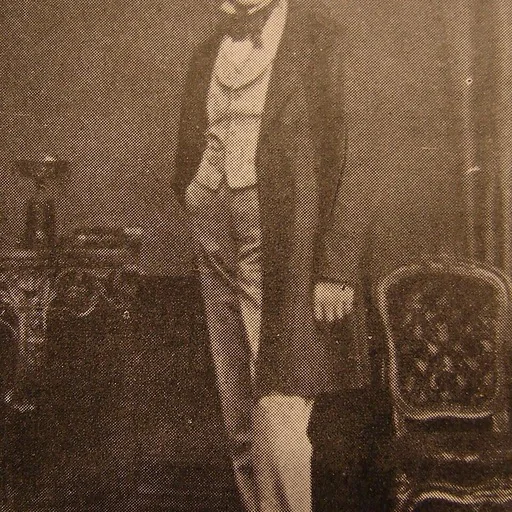
Louis Haghe (17 March 1806 – 9 March 1885) was a lithographer and watercolourist from the Netherlands and then the United Kingdom.

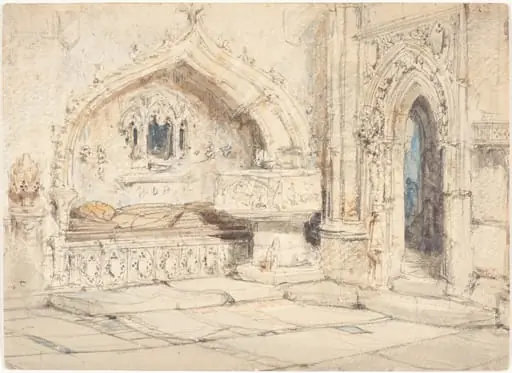 Interior of a Church with a Wall Tomb and Medieval Font
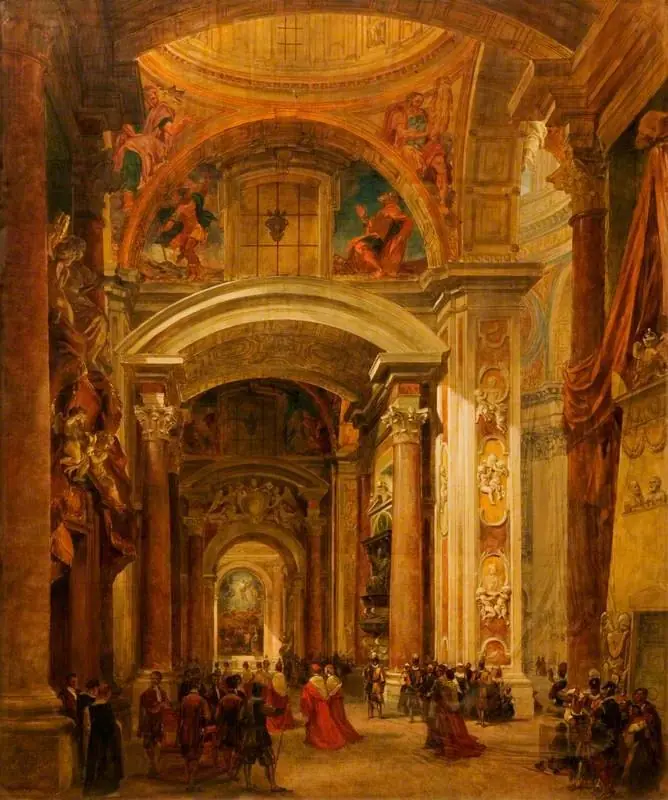 Interior of St Peter's, Rome
 The Corridor, Brewer's Hall, Antwerp
 Monument of the Cardinald D'Amboise in Rouen Cathedral
 The Quay at Suez
 Egypt and Nubia, Volume II: Lateral View of the Temple called The Typhonoeum at Dendera
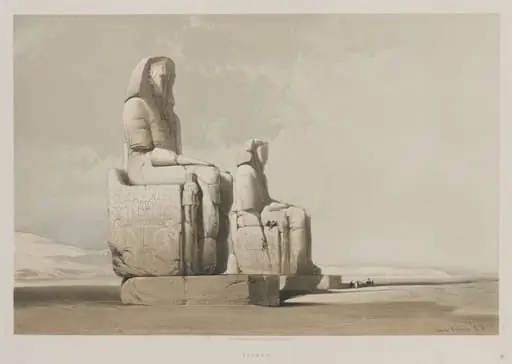 Egypt and Nubia, Volume I: Thebes
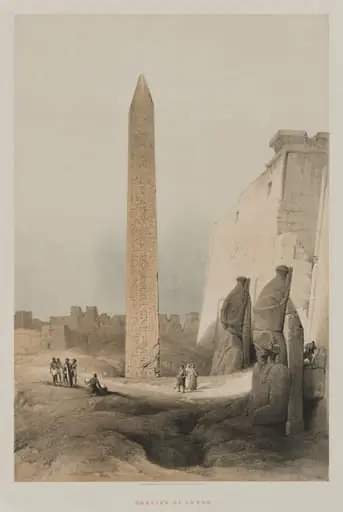 Egypt and Nubia, Volume I: Luxor
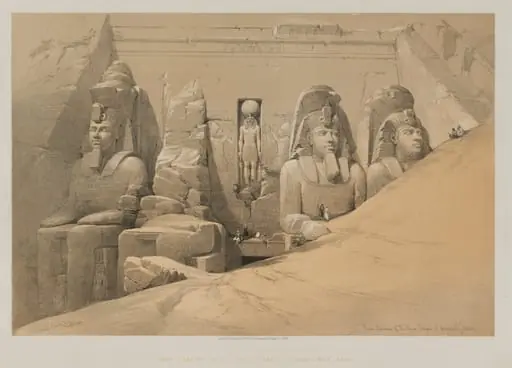 Egypt and Nubia, Volume II: Front Elevation of the Great Temple of Aboo Simbel, Nubia
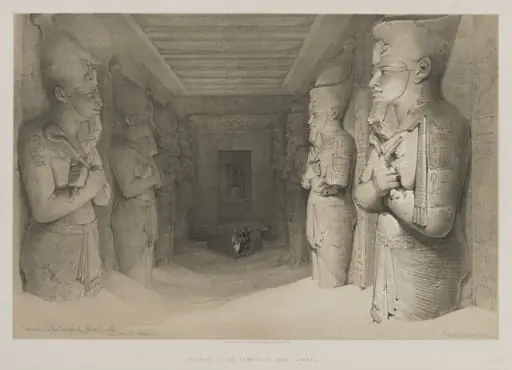 Egypt and Nubia, Volume I: Interior of the Temple of Aboo-Simbel
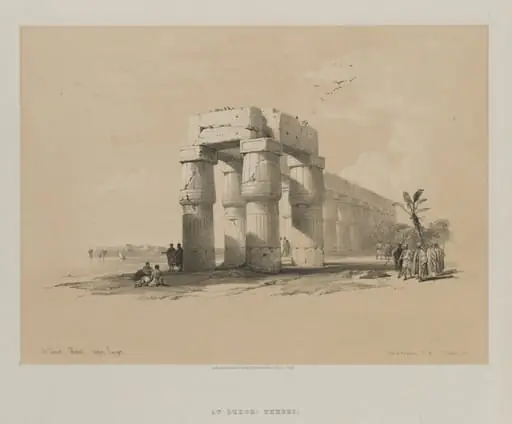 Egypt and Nubia, Volume I: At Luxor, Thebes, Upper Egypt
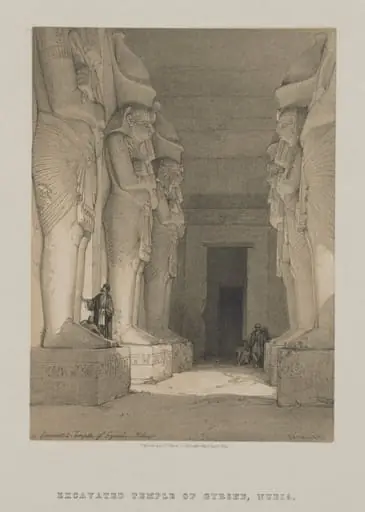 Egypt and Nubia, Volume I: Excavated Temple of Gyrshe, Nubia
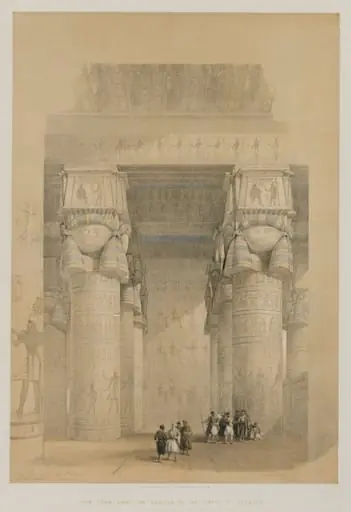 Egypt and Nubia, Volume II: View from Under the Portico of the Temple of Dendera
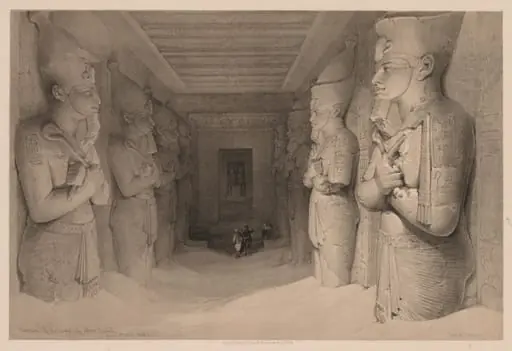 Egypt and Nubia: Volume I - No. 14, Interior of the Temple Aboo Simbel
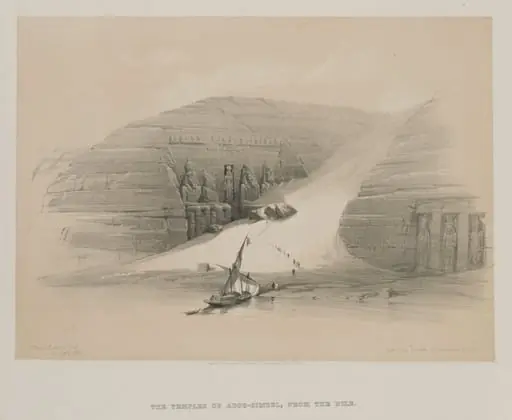 Egypt and Nubia, Volume II: Excavated Temples of Abo Simble, Nubia
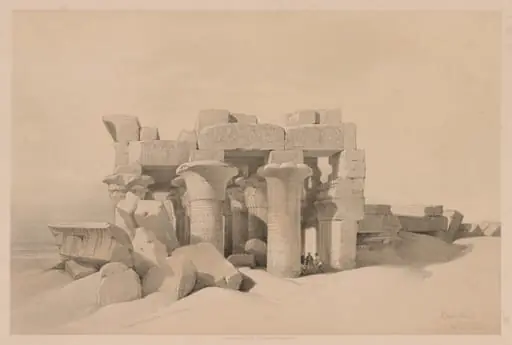 Egypt and Nubia: Volume II - No. 42, Ruins of Kom Ombo
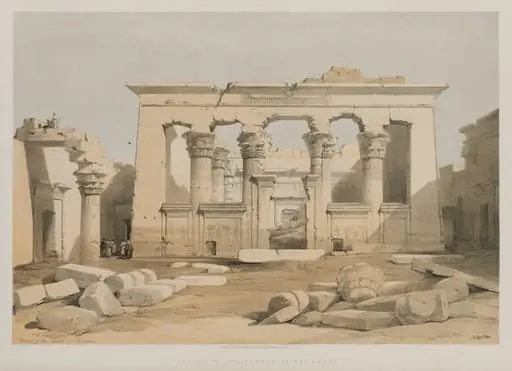 Egypt and Nubia, Volume I: Portico of the Temple of Kalabshe
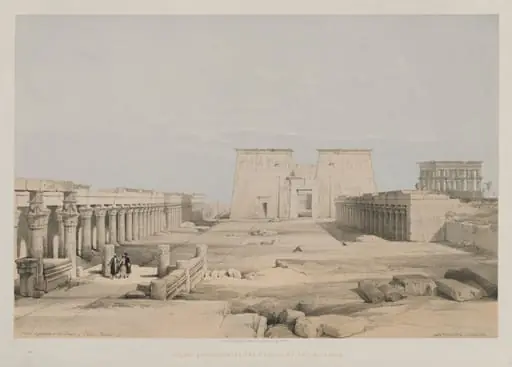 Egypt and Nubia, Volume I: Grand Approach to the Temple of Philae, Nubia