Artwork
Egypt and Nubia, Volume II: The Hypaethral Temple at Philae, called the Bed of Pharaoh
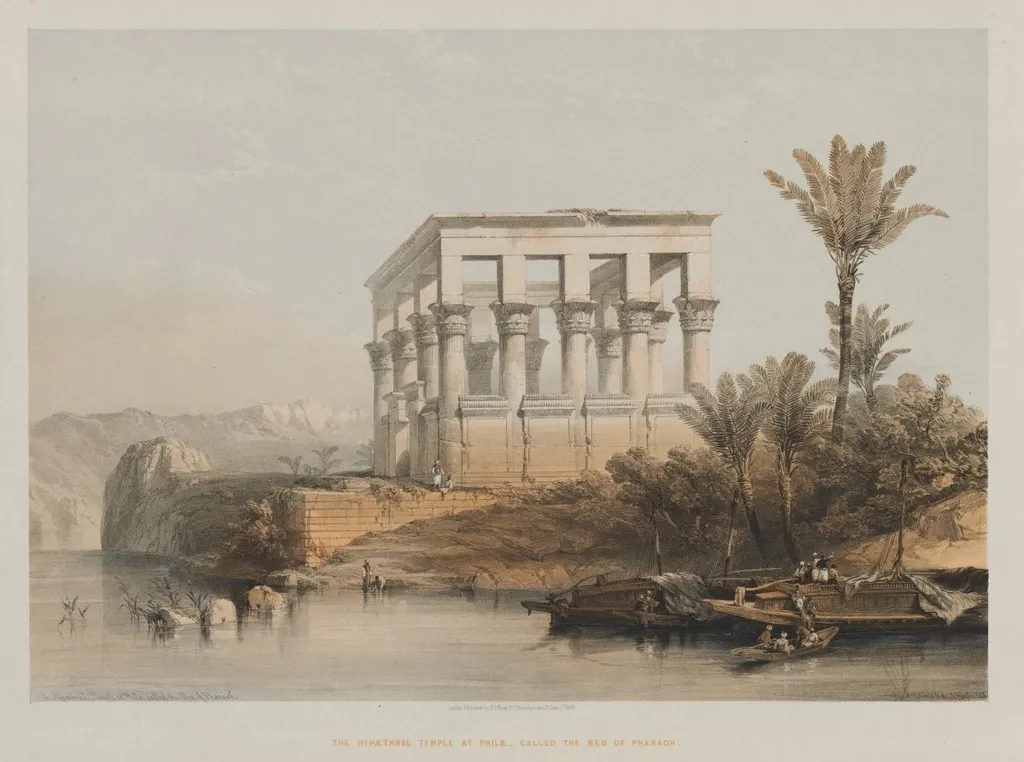
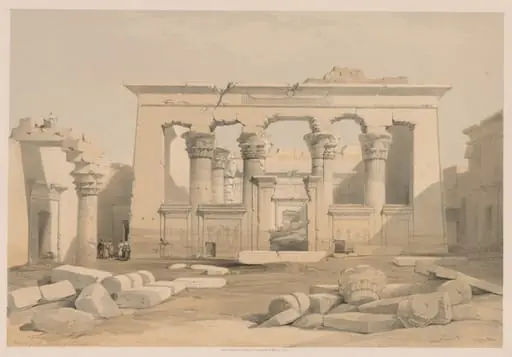
Egypt and Nubia, Volume II: The Hypaethral Temple at Philae, called the Bed of Pharaoh is a print by the Romanticist artist Louis Haghe. It dates from 1848 and is held in the collection of the Cleveland Museum of Art.
About this work
Overview
This 1848 lithograph, 'Egypt and Nubia, Volume II: The Hypaethral Temple at Philae, called the Bed of Pharaoh,' is a work by Louis Haghe, a British artist and lithographer of Dutch origin.
Subject & Meaning
The print depicts the ancient Egyptian temple at Philae, known as the 'Bed of Pharaoh,' situated on a rocky riverbank. The scene is framed by palm trees and mountains, with small boats and figures adding scale to the ruined structure.
Technique & Style
Haghe created the lithograph from sketches by other artists who had visited the site, as he himself never saw it. The work showcases his skill in rendering detailed scenes through lithography, a technique he mastered as co-founder of Day & Haghe.
History & Provenance
Haghe settled in England in 1823 and co-founded Day & Haghe around 1830. He was trained in watercolour painting before turning to lithography.
Artist & collection
Artist
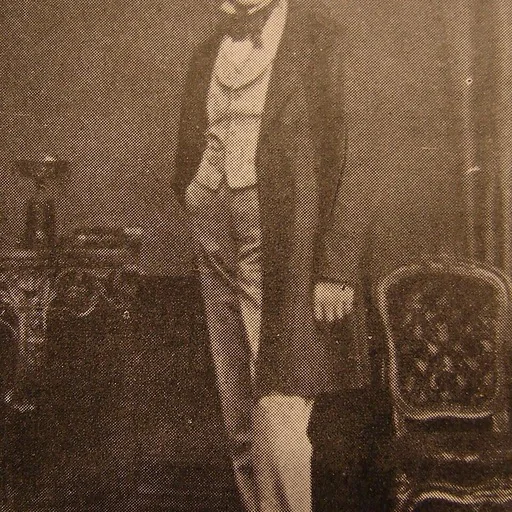
Louis Haghe (17 March 1806 – 9 March 1885) was a lithographer and watercolourist from the Netherlands and then the United Kingdom.

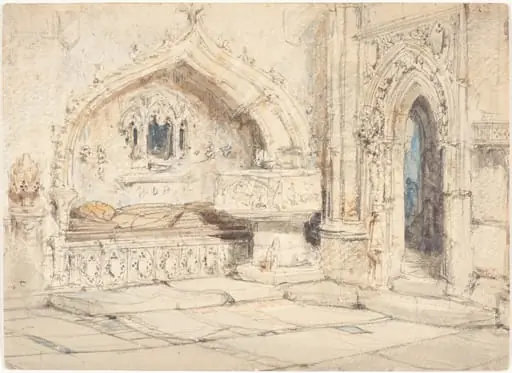 Interior of a Church with a Wall Tomb and Medieval Font
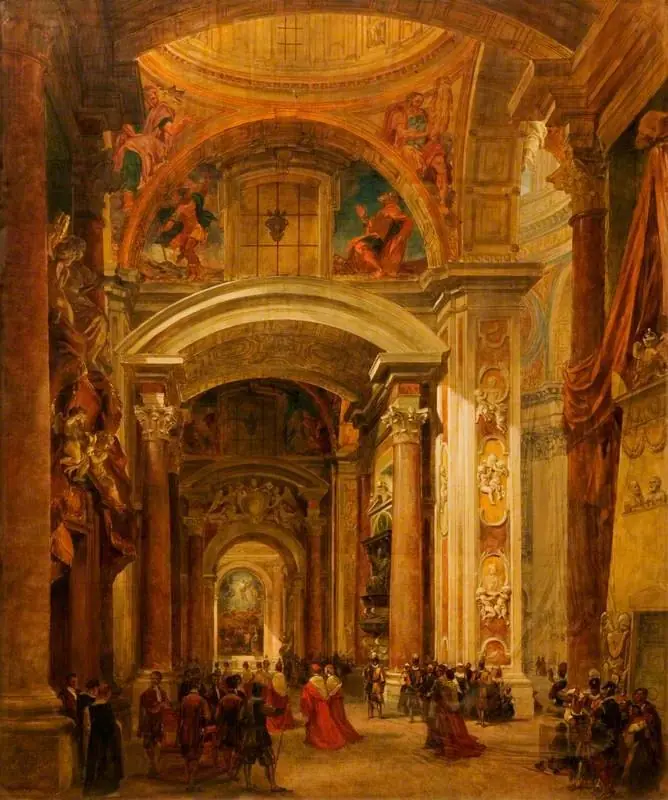 Interior of St Peter's, Rome
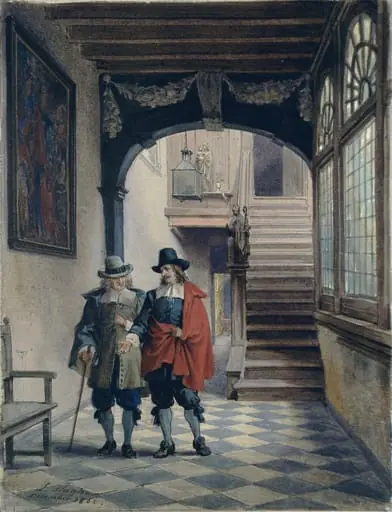 The Corridor, Brewer's Hall, Antwerp
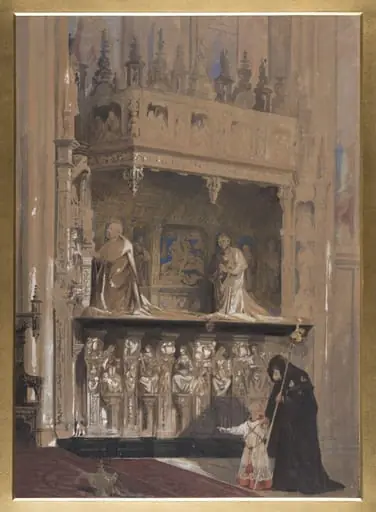 Monument of the Cardinald D'Amboise in Rouen Cathedral
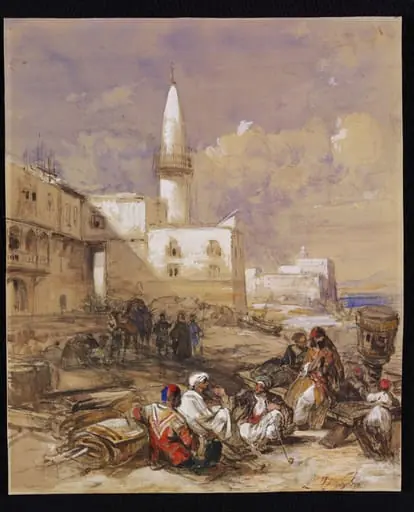 The Quay at Suez
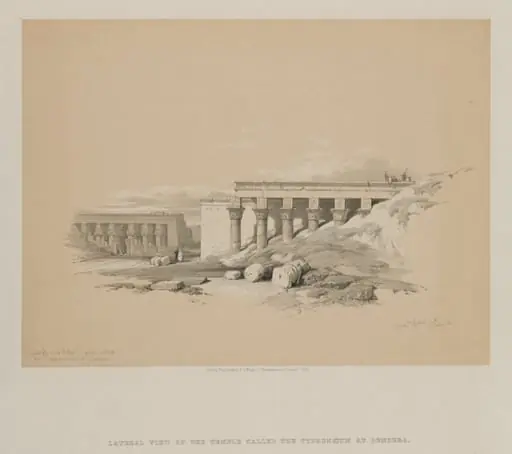 Egypt and Nubia, Volume II: Lateral View of the Temple called The Typhonoeum at Dendera
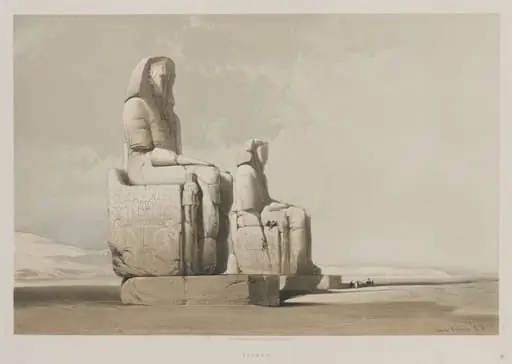 Egypt and Nubia, Volume I: Thebes
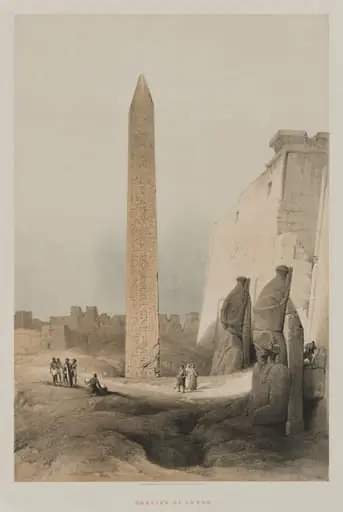 Egypt and Nubia, Volume I: Luxor
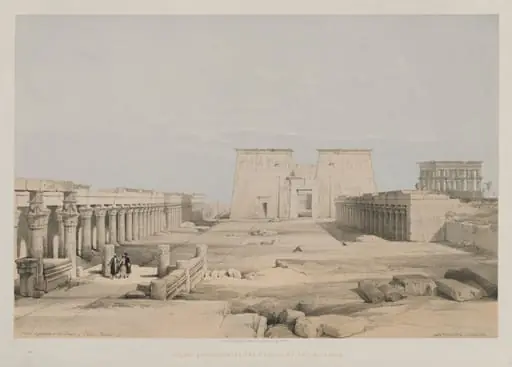 Egypt and Nubia, Volume I: Grand Approach to the Temple of Philae, Nubia
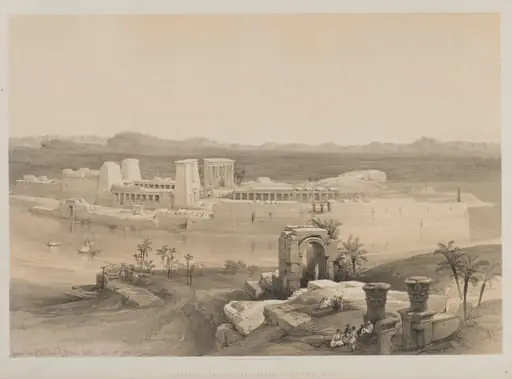 Egypt and Nubia, Volume I: General View of the Island of Philae, Nubia
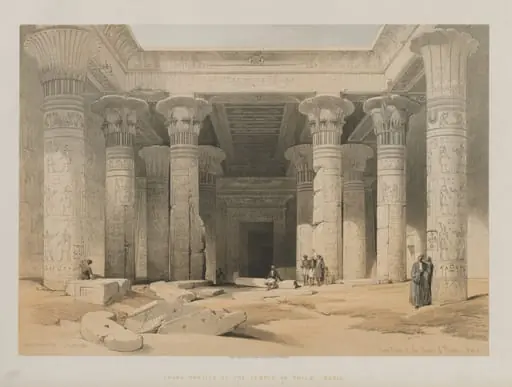 Egypt and Nubia, Volume I: Grand Portico of the Temple of Philae, Nubia
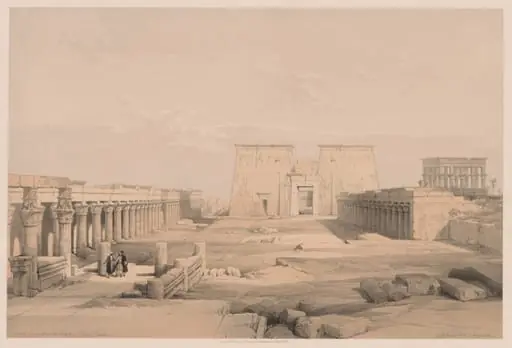 Egypt and Nubia: Volume I - No. 42, Grand Approach to the Temple of Philae, Nubia
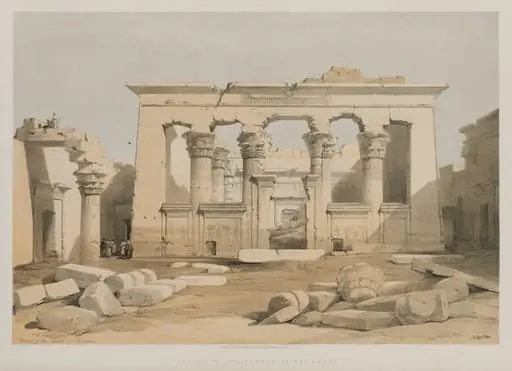 Egypt and Nubia, Volume I: Portico of the Temple of Kalabshe
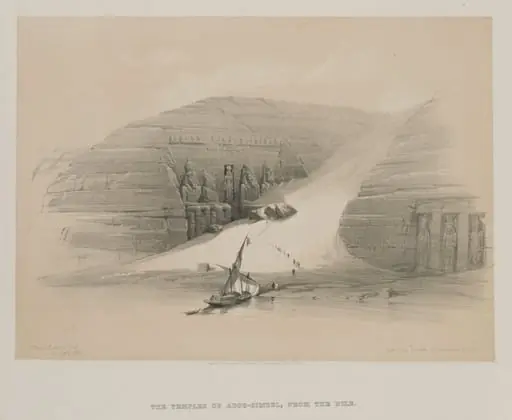 Egypt and Nubia, Volume II: Excavated Temples of Abo Simble, Nubia
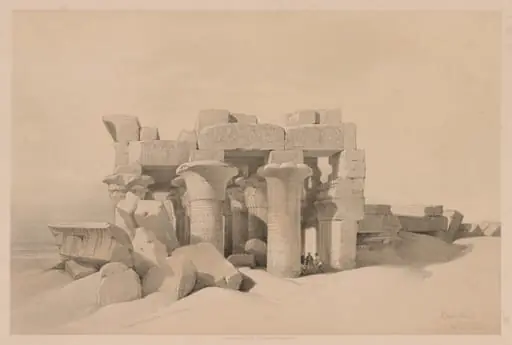 Egypt and Nubia: Volume II - No. 42, Ruins of Kom Ombo
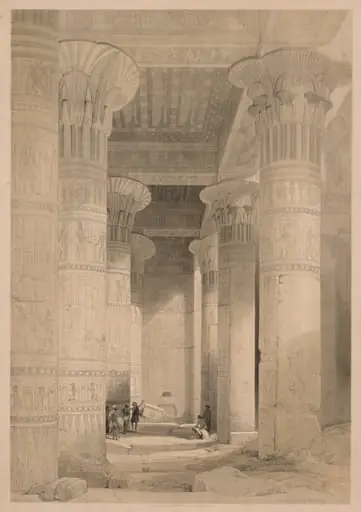 Egypt and Nubia: Volume I - Frontispiece, View under the Grand Portico, Philae
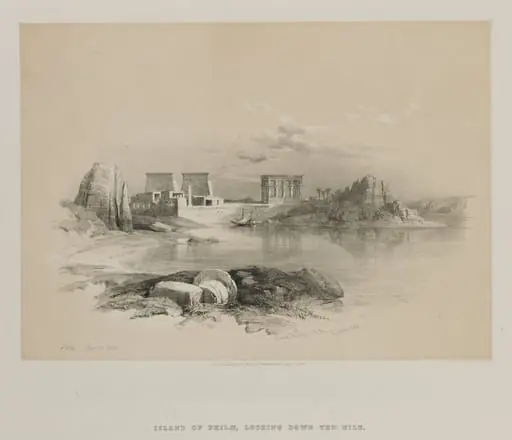 Egypt and Nubia, Volume II: Philae
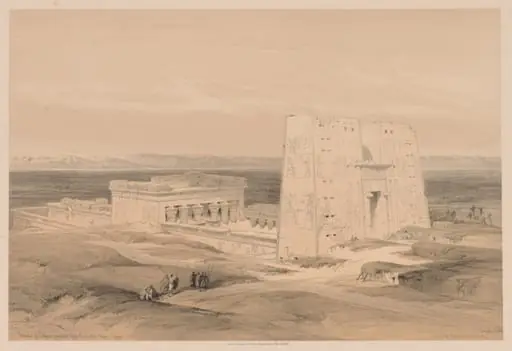 Egypt and Nubia: Volume I - No. 34, Temple of Edfou. Ancient Appolinopolis, Upper Egypt
 Egypt and Nubia: Volume I - No. 28, Portico of the Temple of Kalabshi