Artwork
Mosque of Kootub, Delhi
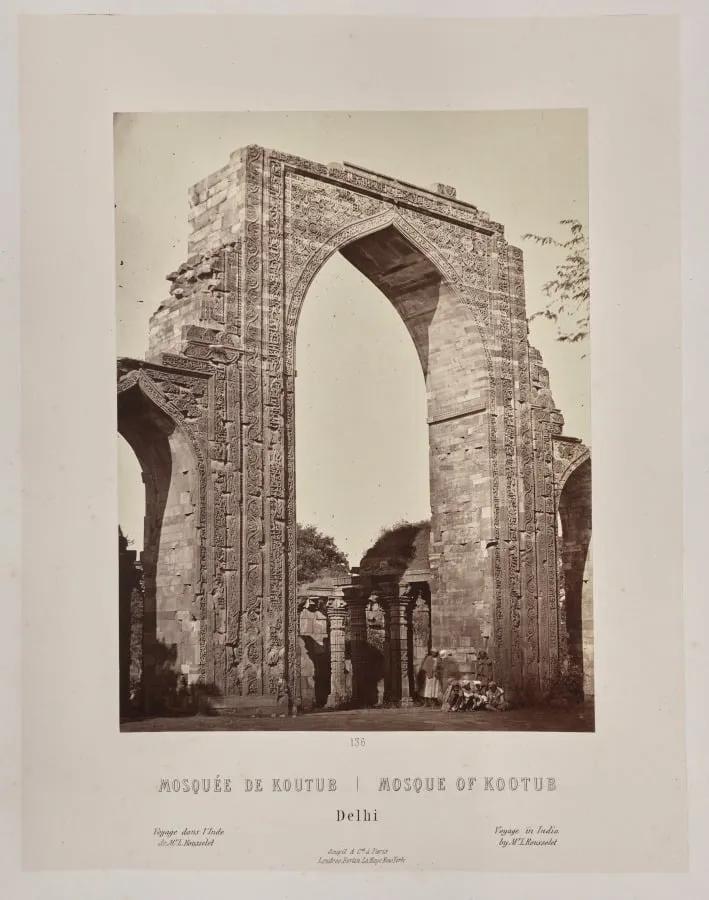
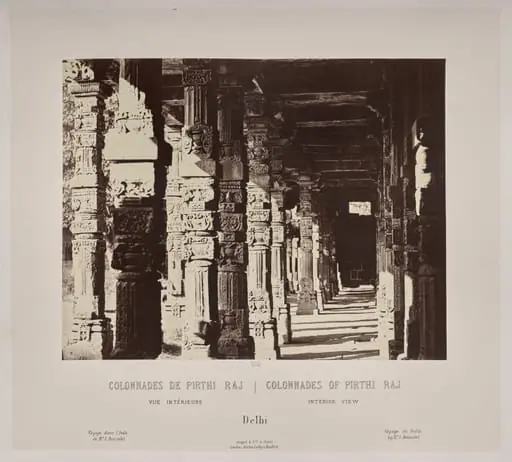
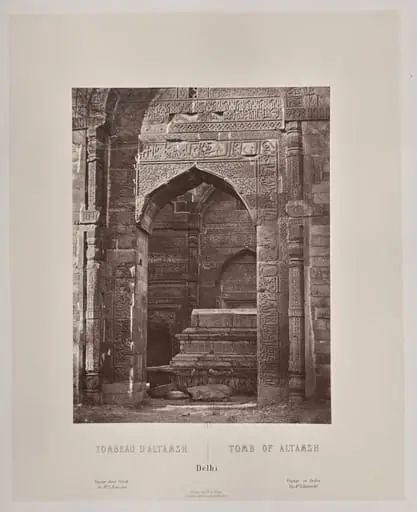
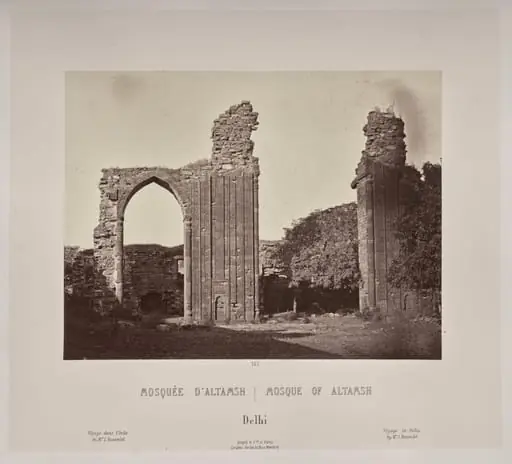
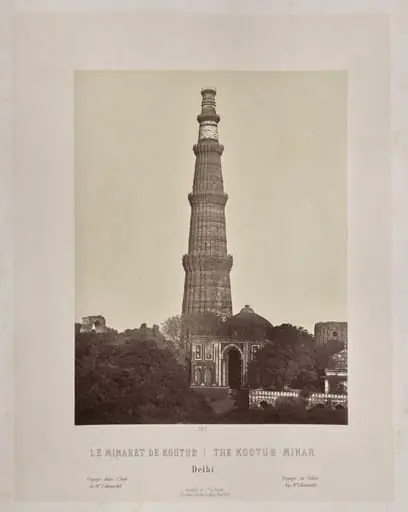
Mosque of Kootub, Delhi is a photography by the Impressionist artist Louis-Théophile Marie Rousselet. It dates from 1866 and is held in the collection of the Cleveland Museum of Art. This black‑and‑white photograph captures a tranquil courtyard of the Qutub Mosque in Delhi.
About this work
He worried his sketches weren’t enough, so he taught himself photography there—unusual for a French traveler at the time.
You see a quiet courtyard of the Qutub Mosque in Delhi, sunlight raking across old stone arches and a single palm tree.
Rousselet drew this while traveling India in the 1860s. He worried his sketches weren’t enough, so he taught himself photography there—unusual for a French traveler at the time. The picture feels like a pause between two worlds: the crumbling Mughal past and the busy British present.
Look up the subject “france, 19th century” to see how other French artists pictured faraway places.
Overview
This black‑and‑white photograph captures a tranquil courtyard of the Qutub Mosque in Delhi. Sunlight illuminates the weathered stone arches, while a solitary palm tree stands amid the open space, emphasizing the quiet atmosphere of the historic site.
Subject & Meaning
The image presents the architectural remnants of the Mughal era, juxtaposing the enduring stonework with the simplicity of a single tree. The composition suggests a moment of stillness that bridges the mosque’s medieval origins and the changing urban landscape of 19th‑century Delhi.
Technique & Style
Taken by French traveler Eugène Rousselet, who taught himself photography while traveling in India during the 1860s, the photograph demonstrates a careful eye for balance and light. The high‑contrast rendering of stone and shadow reflects the compositional rigor characteristic of early photographic practice.
History & Provenance
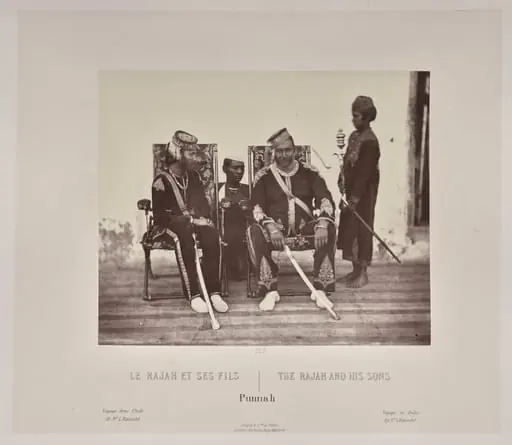
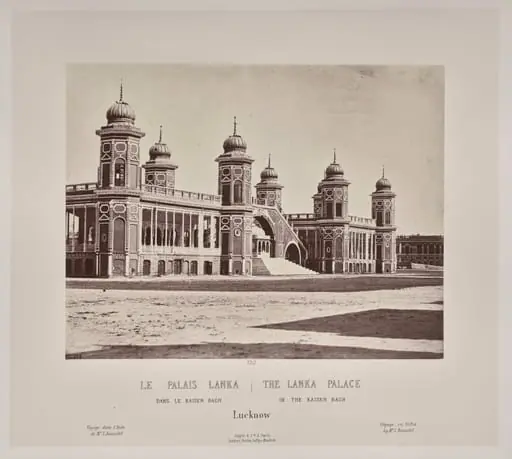
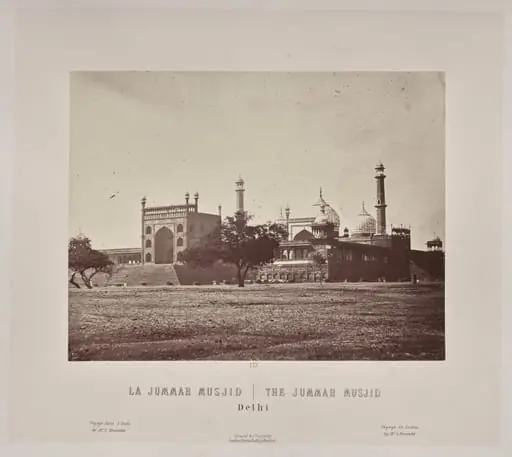
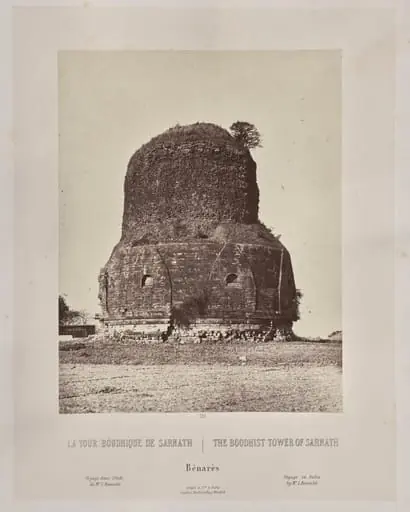
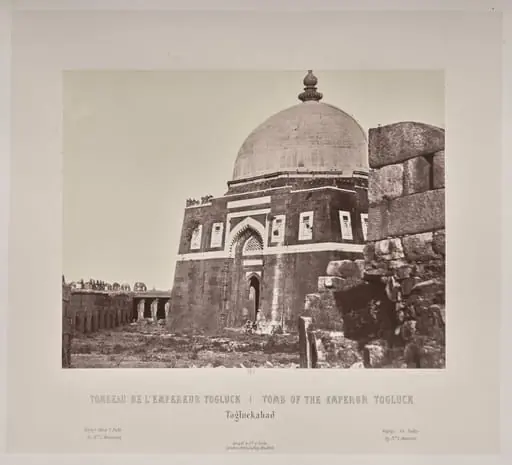
Rousselet, originally a draughtsman, turned to photography to better record India’s monuments, a rare move for a European visitor of his time. The print originates from his 1860s field work and forms part of a broader visual record that includes sites across northern India, from Varanasi to Alwar, as well as portraits of local rulers.
Context
The Qutub Mosque, a key example of Sultanate architecture, was part of a larger complex that had fallen into partial ruin by the mid‑19th century. Rousselet’s photograph documents the structure at a moment when British colonial influence was reshaping Delhi’s built environment, offering a visual counterpoint to contemporary colonial narratives.
Artist & collection
Artist
Louis-Théophile Marie Rousselet
Louis-Théophile Marie Rousselet (1845–1929) was a French artist.